
How Long Do Ivory Mahjong Tiles Last?
Last updated: Nov 23, 2026
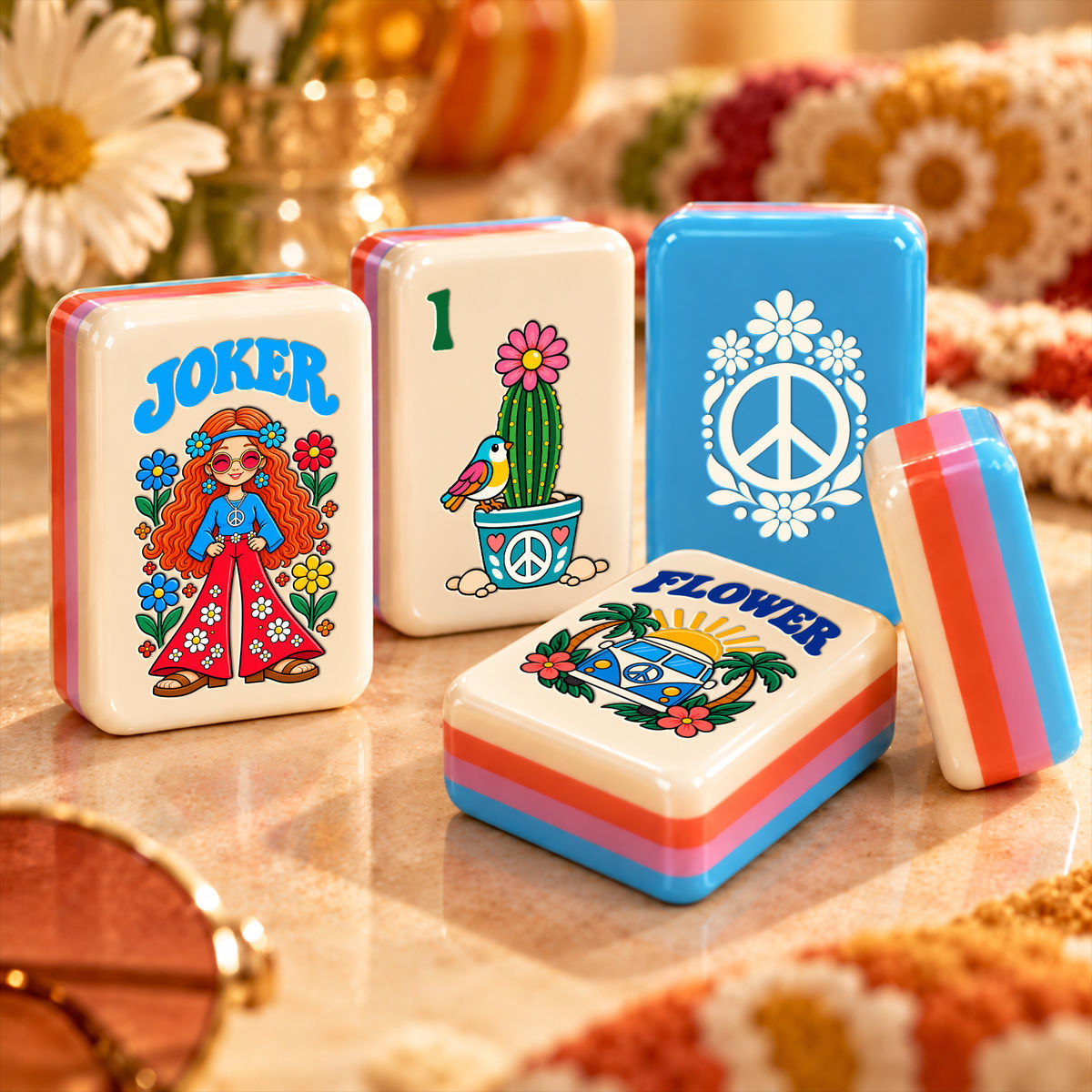
Ivory mahjong tiles typically last 20 to 50 years or more when stored in stable humidity (40–50% relative) and played regularly on a padded surface. Bone or bamboo-composite tiles resist warping and cracking better than plastic alternatives; acrylic sets, by contrast, fade and become brittle in 5–15 years. Longevity depends on climate control (extreme dry or wet shortens life), storage method (sealed boxes with desiccant packets prevent mold and warping), and tile thickness (heavier, hand-carved tiles outperform thin machine-cut stock). Mahstead's engraved acrylic sets are engineered for durability within their material class, and we recommend storage in climate-controlled spaces and use on a quality mat to minimize chipping and surface wear. The real life-extender is consistent play—tiles used weekly stay more stable than sets left untouched for years.
Ivory mahjong tiles outlast nearly every other material, but "ivory" means different things and affects how long your set will actually last. We've played vintage sets from the 1960s that still feel crisp, and we've also retired tiles less than a decade old because they warped in a damp basement. The difference comes down to what "ivory" really is, where you store it, and how you treat it during play.
What exactly is "ivory" in mahjong tiles?
"Ivory" rarely means actual elephant ivory in modern sets—it refers to bone, celluloid, or composite materials that mimic that cream color and weight. Genuine bone tiles (bleached animal bone glued to a bamboo base) resist humidity better than celluloid, which can yellow and become sticky in heat. Bamboo composites split the difference: they're stable, affordable, and durable, but lighter than true bone. Check the product listing or weight—bone tiles typically weigh 6–8 grams per tile; lightweight "ivory" plastic weighs 2–3 grams and will degrade faster.

How does climate control extend tile life?
Mahjong tiles are porous and hygroscopic—they absorb and release moisture, causing expansion and contraction that leads to warping and cracking. Stable humidity at 40–50% relative keeps tiles dimensionally consistent; swings between 20% (desert or heated winter rooms) and 80% (humid basements, kitchens) accelerate deterioration. A tile set left on an air-conditioned shelf in Dallas outlasts one stored in an unheated garage that freezes in January and steams in August. We store our active sets in zippered boxes with small desiccant packets (silica gel sachets) rotated every six months, kept in a climate-controlled closet. If you live in a humid region, check your storage box every three months and replace the desiccant if it's visibly wet; if you're in a dry climate, add a tiny moisture-absorbing packet but don't over-dry—tiles that become brittle will chip as easily as sun-damaged plastic.
What happens to acrylic tiles over time?
Acrylic—the material in our engraved American mahjong sets—is practical and colorfast, but it ages differently than bone. Acrylic fades in direct sunlight (UV degrades the dye in about 2–3 years of window storage), becomes sticky or slightly tacky in very warm rooms (70°F+), and turns brittle when cold and dry. The real enemy is physical stress: acrylic cracks at corners if dropped, and the engravings wear flat after thousands of plays if tiles are shuffled aggressively or stacked carelessly. We've seen acrylic sets stay beautiful for 10–15 years in normal living rooms, but only 3–5 years if stored in a garage or played weekly on a bare wooden table without a mat. A quality padded mat absorbs impact and extends acrylic life by at least five years. Our best-selling mahjong sets include sets where acrylic is paired with protective storage, which pays for itself in durability.
🀄 Shop best-selling mahjong sets →

What maintenance routine actually works?
Routine care is the cheapest insurance. After each game session, wipe tiles with a dry, lint-free cloth to remove skin oils and dust—these attract moisture and cause slipperiness. Never wash tiles with soap or water; never apply polish or sealant (they clog the porous surface and make tiles hard to shuffle). Store tiles in their fabric pouch inside a sealed plastic box, with a 1-inch gap of air at the top (tight sealing can trap moisture). Every six months, open the box and let tiles air for 30 minutes in a room-temperature space with moderate humidity (not directly in sunlight). If you notice a musty smell, replace the desiccant packet and leave the box open overnight. Check the edges and faces once a year for visible cracks, lifting engravings, or spots of mold (white powder is mold; black spots are mildew). A mahjong mat with padded underside protects tiles from impacts and reduces chipping—it's one of the easiest upgrades if you play frequently.
When should you actually replace your tiles?
You've hit the "retire them" point if:
Cracking spreads across multiple tiles – once a crack grows beyond a hairline, it weakens the tile's integrity and it will eventually break during shuffle.
The engravings are worn flat – you can no longer feel or clearly see the symbols; visual confusion slows the game and creates disputes.
Tiles smell musty and have visible mold spots – mold can spread to other tiles and is a health hazard if inhaled.
Warping makes tiles catch or jam – if tiles no longer stack evenly or stick together, they're no longer playable.
The set is incomplete – you've lost more than 5 tiles and can't source matching replacements.
A well-maintained set of bone or composite ivory tiles can outlast three sets of acrylic, so the investment is rational if you play weekly. A neglected acrylic set will die in five years; a neglected ivory set might still be usable in 20 years.
Material | Typical Lifespan | Best Storage | Maintenance Effort | When to Retire |
Bone/Bamboo | 20–50+ years | Dry, stable, sealed box | Low (wipe, desiccant) | Mold, deep cracks |
Celluloid | 10–20 years | Room temp, low humidity | Medium (monitor for yellowing) | Stickiness, brittleness |
Acrylic | 5–15 years | Climate-controlled, no sun | Low–medium (pad mat critical) | Flat engravings, chipping |
🎁 See our most-loved mahjong sets & accessories →
What to check before you buy a new set
Before committing to replacement or a new purchase, verify:
Material specification – confirm if it's bone, composite, celluloid, or acrylic; weight (in grams) is listed.
Set completeness – 152-tile standard play set, plus 8 jokers; 160-tile sets include spare jokers or blanks.
Engraving depth – hand-engraved tiles wear slower than machine-stamped; ask the seller if unsure.
Storage included – a fabric pouch and rigid box add 3–5 years of life by protecting from dust and humidity swings.
Humidity rating – if the seller specifies a recommended storage humidity range, follow it.
If you're replacing worn acrylic with something longer-lasting, a bone or composite set from our engraved American mahjong sets collection will give you two to three decades of reliable play. If you want to extend your current acrylic set's life immediately, add a quality mat and store tiles in a desiccant-equipped box in a temperature-stable room—this alone can add 5 years.
✨ Find your Mahstead set — free US shipping →

FAQ
Can I repair cracked ivory tiles, or do I have to replace the whole set?
Small hairline cracks can be stabilized with clear epoxy applied to the underside (not the face), but cracks wider than a pencil line will grow. Replacing 3–5 individual tiles is often possible if the manufacturer still stocks that design; otherwise, retire the set and buy new.
Why do some tiles get sticky in summer, and does that mean they're dying?
Acrylic absorbs heat and softens slightly above 75°F, making it tacky to the touch. This isn't permanent damage—tiles return to normal when cooled. To prevent it, store in a cool room or air-conditioned closet, and play in rooms below 70°F if possible.
How often should I replace the desiccant packet in my storage box?
Check every three months by eye; if the silica gel looks wet or discolored, replace it immediately. In humid climates, replace every 6 months. In dry climates, once a year is usually enough. A fresh packet costs a few dollars and extends set life by years.
If I keep my tiles in a sealed plastic container, will they last longer?
Airtight storage is good, but not if air inside is humid. Seal the container after air-drying the tiles and box for 30 minutes, and include a fresh desiccant packet. Check every 3–6 months for condensation inside; if present, open and air-dry again.
What's the difference between vintage ivory tiles from the 1950s and modern "ivory" acrylic sets?
Vintage tiles were often bone or early celluloid, materials that stabilize after decades and can outlast 80+ years if stored correctly. Modern acrylic is engineered for consistency and cost, not longevity—it's designed for 10–15 years of active play, which is reasonable for most players.
Do I need to buy a replacement set now if my tiles are 10 years old?
Not unless you see actual damage (cracks, mold, worn faces). Acrylic sets degrade predictably, not suddenly. If the tiles still shuffle smoothly, engravings are clear, and there's no warping, you have years left. Play until you notice problems, then upgrade.


View More
View More
View More
