
American Mahjong for Beginners: Rules, Setup & First Game
Last updated: Nov 20, 2026

American mahjong uses 152 tiles (Bams, Craks, Dots 1–9, Winds, Dragons, Flowers) shuffled face-down, then dealt 13 tiles per player—the East player draws 14. Players pass tiles in the Charleston before looking at their hand, then match their tiles to patterns on the current year's National Mah Jongg League card to win. A complete game takes 60–90 minutes; each round lasts 10–20 minutes. You need four players, a set of 152 tiles (plus spares), a mat, and one card. Beginners often buy ready-made sets from Mahstead or specialty shops rather than assembling tiles individually. The game has no sequences (chows); you expose pungs (3 identical), kongs (4), or longer runs, never pairs, and jokers cannot fill a single spot or pair.
What are the tiles in an American mahjong set?
A standard set holds 152 tiles: 108 suited tiles (Bams, Craks, Dots 1–9, four of each), 16 Winds (four each: North, East, West, South), 12 Dragons (four Red, four Green, four White), 8 Flowers (usually numbered or marked differently), and 8 Jokers. Each tile has a purpose; the White Dragon often shows as a blank and acts as the zero in Dots. Beginners should understand each suit before playing—Bams (sticks), Craks (characters), and Dots (circles) form the core of most hands.

How does the Charleston work and why is it essential?
The Charleston is the mandatory tile-passing ritual before play; it takes 2–3 minutes and feels like a dance. East passes three tiles right to South; South passes three left to West; West passes three across to North; North passes three to East. Then each player passes one tile to the player directly across. Finally, players may pass up to three tiles to the left in a "courtesy pass" (optional, no obligation). The Charleston randomizes your starting tiles so no one can guarantee a winning hand in advance—it's the fairness engine. Skip it, and the game feels rigged.
How do you read the mahjong card and find a winning hand?
The card, issued each spring by the National Mah Jongg League, displays all legal winning patterns. Patterns are grouped by type: pairs, quints (5 identical tiles), melds (exposed or concealed), and combinations. You scan the card left to right, top to bottom, matching your 14 tiles to one complete pattern. For example, a pattern might show "pair of flowers + three 4 Craks + four 8 Dots + five 2 Bams"—if you hold exactly those, you call "Mahjong." Jokers substitute for any missing tile in an exposed meld (pung, kong, etc.) but never in a concealed set or a pair. Learning to read the card is a separate skill worth 30 minutes of practice.
What's the difference between exposed and concealed tiles?
Exposed tiles (pungs, kongs, quints, sextets) are laid face-up on the table in front of you—all players see them. Concealed tiles stay in your hand, hidden, until you call Mahjong; then you reveal all 14 tiles at once. Exposed melds let other players strategize; concealed tiles keep your hand secret. In American mahjong, you can expose multiple sets during play, but your winning hand must match the card exactly. Many beginners expose too early and telegraph their strategy—hold back until you are sure you can win.
What mistakes do beginners make, and how do you avoid them?
Thinking you can create sequences (1-2-3). American mahjong has no chows; only identical sets (pungs/kongs) and the patterns on the card. This trips up players familiar with Chinese or Riichi mahjong.
Using a joker in a pair or single tile. Jokers only fill gaps in exposed melds (pung, kong, quint, sextet). A pair is always two identical, real tiles—never one real tile plus a joker.
Forgetting the Charleston. Skipping it or doing it wrong changes the hand balance. Always pass exactly three tiles in each direction, one across, and invite the courtesy pass.
Holding on to the wrong tiles. You have 14 tiles; on each turn, you draw one and discard one. If your hand doesn't match the card by the end of your turn, you lose that tile and must wait for someone else to discard a tile you need. Learn to recognize which patterns require which tiles before you sit down.
Not tracking discards. Watch which tiles other players throw away—if a tile hits the table, it's dead (usually). That shapes your strategy.
What You'll Need | Purpose | Why It Matters for Beginners |
152-tile set (with spares) | Play the game | Ensures you have every standard tile; spares replace worn or missing ones. |
Current year's NMJL card | Hand reference | Legal patterns change yearly. Using an old card loses games or causes disputes. |
Mahjong mat | Layout & speed | Defines dealer/discard zones; makes tiles visible. Beginners pace faster with a mat. |
Racks with pushers | Tile organization | Keeps hand orderly; pushers slide tiles to signal draws/discards. Speeds up play 10–15%. |
Dice | East selection | Determines who goes first. Use standard six-sided or acrylic mahjong dice. |
🀄 Shop best-selling mahjong sets →
What to check before you buy a mahjong set as a beginner
Tile count & spares: A 160-tile set includes 152 playing tiles (the exact count for every game) plus spare tiles. Do not settle for 144 tiles—you cannot play with fewer than 152.
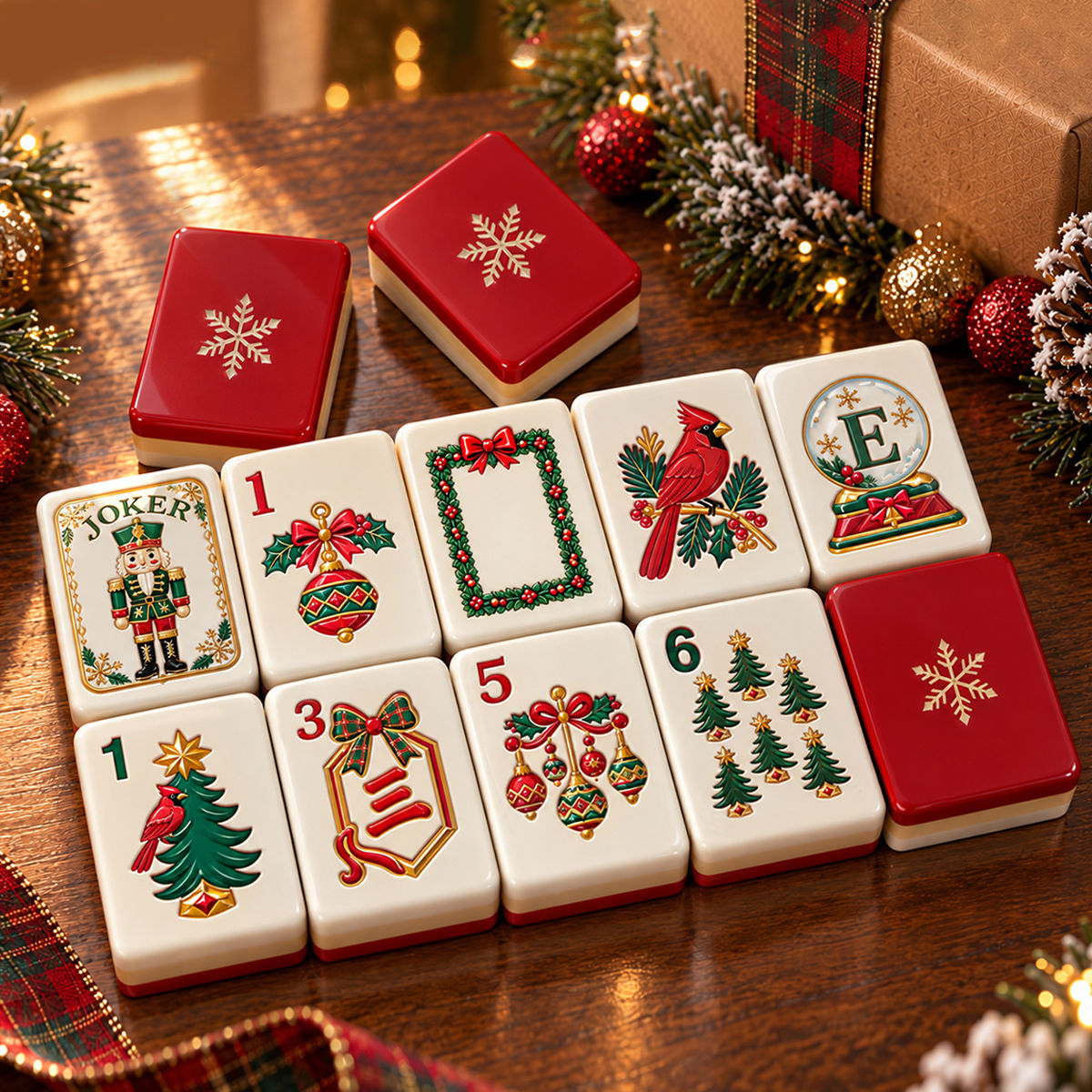
Tile clarity: Can you read the suits and numbers in normal light? Acrylic sets from Mahstead print characters clearly on each tile so you won't squint during play.
Heft & sound: Heavy tiles (acrylic or bone) move smoothly and feel premium; cheap plastic sets stick or tip. Shuffle a few tiles in your hand; if they feel hollow or crackly, pass.
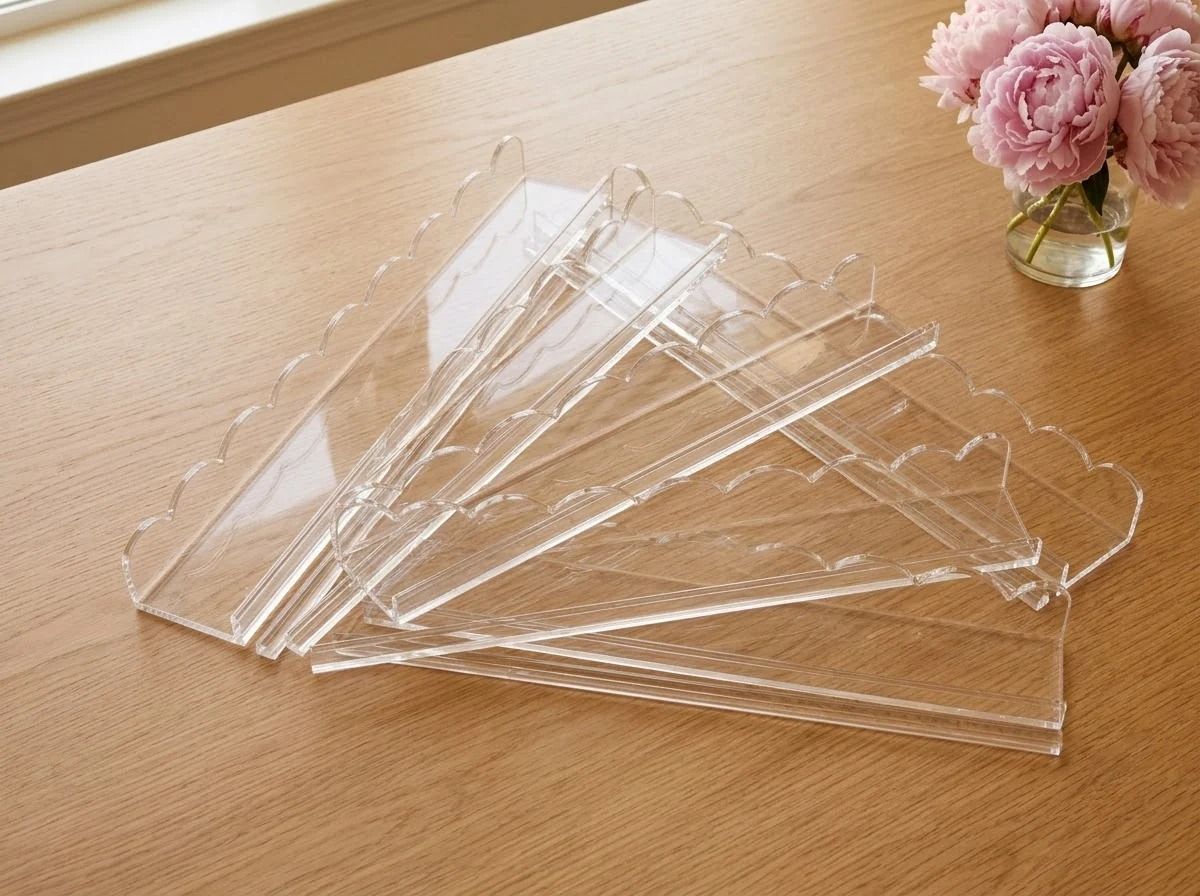
Included extras: Check whether your set comes with a mat, racks, pusher, card holder, or dice. Bundles save money; buying separately costs more.
Storage: Does the set include a bag or case? A durable travel bag keeps tiles safe and makes transport to your game night effortless.
Do I have to play with exactly four players?
American mahjong is designed for four. Two- and three-player variants exist but require rule adjustments and a different card. Start with four, then explore variants once you know standard rules.
How often does the National Mah Jongg League card change?
The official card updates every spring (March/April). Your local game uses that year's card only—hands from 2025 are illegal in 2026. Buy or print the current card before your first game; many clubs post them free online or provide printed copies.
Can I use jokers to make a pair?
No. A pair must be two identical, real tiles—never a real tile plus a joker, and never two jokers. This is the most common rule misunderstanding, so enforce it strictly from day one.
What happens if I call Mahjong on the wrong hand?
A false Mahjong is a major penalty—you lose that round and may owe points to other players. Always double-check your tiles against the card before calling. If unsure, ask the player holding the card.
Should I play with the same group every week, or find new players?
Same group builds skill and trust; you learn each player's habits. New groups teach you different strategies. Ideally, play weekly with core players and attend a monthly newcomer's night to expand. Check community centers, libraries, synagogues, and country clubs—many host open mahjong nights in urban and suburban areas.
🎁 See our most-loved mahjong sets & accessories →
Ready to host your first game? You'll want a complete beginner set with mat and racks so you can set up in 10 minutes, not 30. Print the 2026 NMJL card from the League website, gather three friends, and deal. The Charleston is weird the first time—embrace it. After one game, you'll understand why American mahjong has survived 100 years in North America.
✨ Find your Mahstead set — free US shipping →
FAQ
What's the minimum I need to play American mahjong right now?
Four players, 152 tiles, this year's NMJL card, a mat, and dice. A best-selling starter set bundles tiles, mat, and racks; add a printed card (free online) and invite friends. You can play within the hour.
How long does a full game take?
Four rounds take 60–90 minutes; each round runs 10–20 minutes depending on player speed and whether hands come together quickly. Beginners play slower (20+ minutes per round) until pattern-recognition speeds up.
Can I learn American mahjong from YouTube videos?
Yes, but only if you also read the current NMJL card. Videos teach tile mechanics and the Charleston well; the card teaches legal hands. Combine both, then play with patient teachers who can clarify live.
Is American mahjong harder than Chinese or Riichi mahjong?
Different, not necessarily harder. American mahjong has no chows (sequences), more jokers, and an annual card—simpler rule-set but pattern-heavy memory. Chinese mahjong allows sequences and complex scoring. Pick one and stick with it for three months before comparing.
Where can I find a beginner group near me?
Check community centers, public libraries, synagogues, country clubs, and meetup boards (Meetup, Nextdoor, Facebook groups). Many cities have open mahjong nights for beginners; newcomer-friendly groups announce clear start times and provide teaching.


View More
View More
View More
