
Play American Mahjong Online Free: Where & How
Last updated: Nov 23, 2026
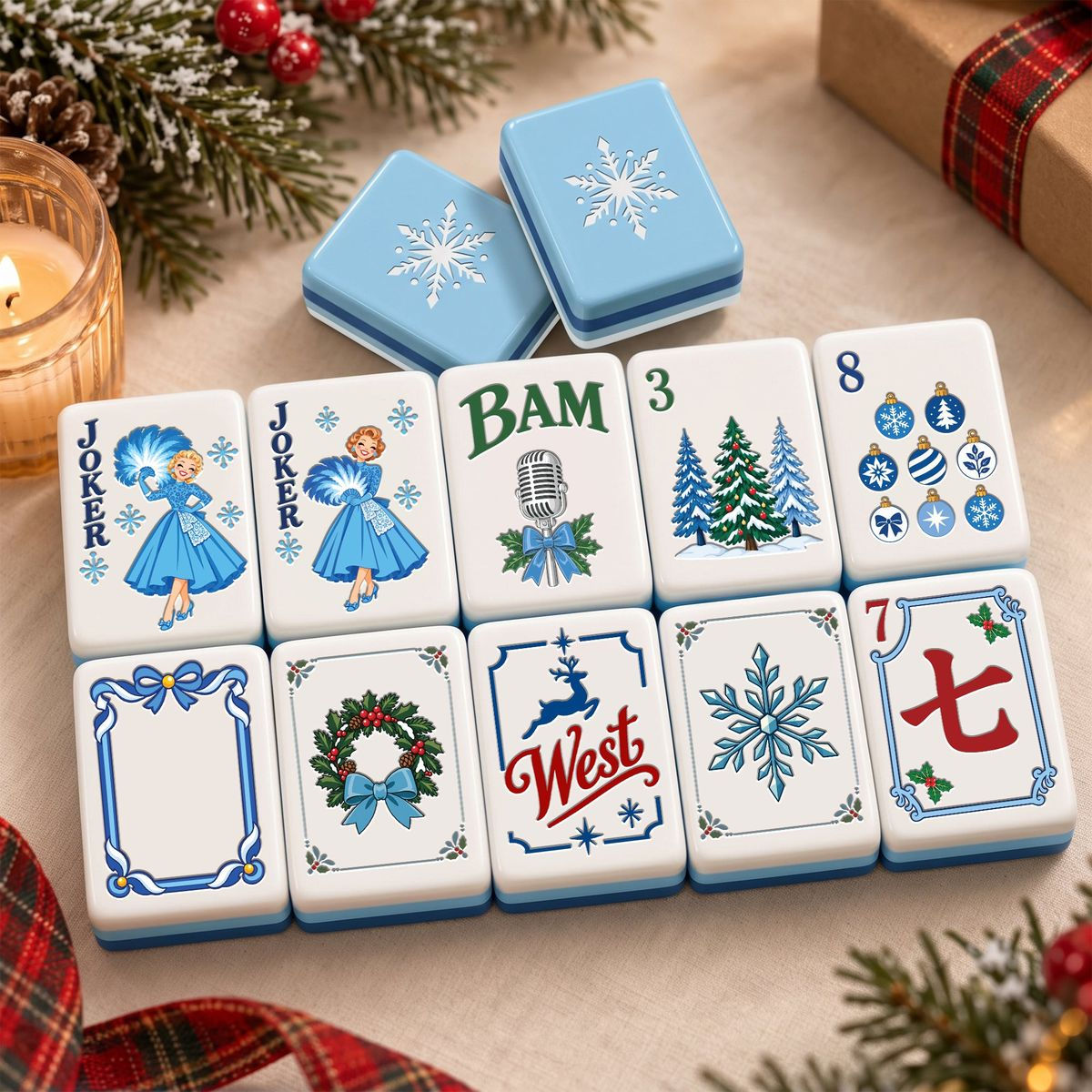
Several legitimate platforms let you play American mahjong online free: Mahjong Time, Pogo, and open-source sites like Mahjong Soul (though Soul runs classic Chinese rules, not American). Free-to-play means no tile investment upfront—you learn hand shapes, the National Mah Jongg League card structure, and turn order risk-free. Online play typically runs faster than in-person games and shows your mistakes instantly. However, online misses the tactile rhythm of shuffling, passing the Charleston, and the table talk that makes mahjong social. American mahjong is designed for four players seated around a table with physical tiles; online versions often use house rules or hybrid variants. Most serious players start online to build confidence, then graduate to our best-selling mahjong sets for weekly home games where the real game unfolds. 🀄 Shop best-selling mahjong sets →
Which Free Platforms Actually Play American Mahjong Rules?
Mahjong Time and Pogo both host American mahjong lobbies, though Pogo's free tier may limit daily play. Mahjong Soul is massive but defaults to Chinese/Riichi rules—fun for learning tile theory, wrong for American hand validation. Check each site's lobby filter before joining: look for "American" or "NMJL" in the game title. Most free platforms use simplified scoring and skip some American rules (like the no-chow restriction) to speed play. Test one site for three sessions before committing time; UI lag and misclicked tiles feel sharper online than offline.

Can You Really Learn American Mahjong Rules Playing Free Online?
Yes, but incompletely. Online teaches you hand recognition, the tile flow, honor sequences, and why certain combinations work. You'll internalize that a pung (three identical tiles) always beats a pair, and that the current season's card is law. However, online cannot teach you the Charleston—the tile-passing ritual that is half the social game and affects strategy before the first draw. You also miss learning how jokers truly function in table play, where verbal exchanges about joker placement happen in real time. Online removes the human negotiation that keeps mahjong unpredictable and fun. After 10–15 free online sessions, most players are ready for their first in-person game with a physical set.
🎁 See our most-loved mahjong sets & accessories →
What's the Honest Difference: Online vs. Real Tile Play?
Aspect | Online | Real Tiles |
Hand validation | Instant, automated | Your judgment + group agreement |
Rule variants | Site-dependent, can be loose | Strict NMJL card for American |
Speed | Fast (auto-turn timers) | Social pace, negotiation time |
Tile touch/rhythm | None | Shuffling, pushing, stacking—meditative |
Charleston passing | Skipped or simplified | Full 3-pass ritual, strategy layer |
Joker placement | Automatic | Verbal agreement, timing-based |
Cost | Free (or small ads) | One-time set purchase |
Social payoff | Chat or solo | Table presence, real friendships |
Online play is efficient practice. Real play is the game mahjong was designed for. Most players who stick with mahjong do both: online to maintain skill between weekly games, in-person for the ritual and company.
How Long Until You're Ready for a Real Game?
Plan 15–20 hours of free online play to recognize common hand patterns and understand which tiles build toward winning. Beginners who jump to a live table after just 5 online sessions often struggle with tile reading and discard strategy—they need more screen time. However, playing 40+ hours online without joining a table leads to analysis paralysis; you'll second-guess every move instead of developing intuition. The sweet spot: play online until you can spot three viable hands in a single draw without hesitation, then find a local weekly game. Our mahjong for beginners guide walks you through the full transition.

Where Do You Find Local Games After Going Free-to-Play?
Search your city's community centers, libraries, synagogues, country clubs, and senior centers; most host mahjong nights or weekend groups. Meetup.com and Facebook groups often list active tiles-and-racks games. Call ahead to confirm they play American (NMJL card) rather than Chinese or Hong Kong variants. Ask whether new players are welcome and whether they have spare sets or you should bring your own. Once you commit to a weekly slot, you'll want reliable equipment: our best-selling sets ship free across the US and are built to last years of weekly play. Hosting games at home? A quality mat keeps tiles from sliding and speeds shuffles—especially important when you're teaching new players who are still moving slowly.
What Should You Check Before Buying Your First Set?
After online play, you'll know if you want a basic acrylic set or one with personal touches. Acrylic tiles are lighter, louder (which many players love), and less expensive than bone-and-bamboo. They also travel well and suit home games where four people gather once weekly. Consider your table size: sets come with racks and pushers that take up dedicated space. If you're playing at a pub or coffee shop where space is tight, a bag-and-case combo keeps everything portable. Many groups play with mats; if yours doesn't, a mat still reduces noise and protects tiles—worth the investment after your first real game if you plan to host. A set of 160 tiles includes enough spares for years of play and is the standard American format.
✨ Find your Mahstead set — free US shipping →
The Honest Trade-Off: Free Online Won't Replace Real Play
Free online mahjong is real training. It is not the real game. You can master hand patterns, learn to read how the card works, and build muscle memory for tile recognition. You cannot learn the social negotiation, the silence during the pass, or the momentum swings that come from live table energy. Online teaches the skeleton; in-person play teaches you why mahjong has survived seventy years in American living rooms. Start free. Play for ten sessions. Then find your first live group, invest in a set, and discover why we host weekly games at all.

FAQ
Is it really free, or do sites charge for tournaments?
Most platforms offer free casual play indefinitely; tournaments and premium features cost money. Stick to casual lobbies if you're learning and have no intention to compete.
Does online teach me enough to join a real game without embarrassment?
Online teaches hand shapes and turn order. You'll still be slower than experienced players—that's normal. Ask the group to move at beginner pace your first night. After three sessions, you'll feel at home.
Can I play American mahjong online on my phone for free?
Yes. Mahjong Time and Pogo both have mobile apps. Note that touchscreen play is slower than desktop; UI responsiveness varies by app.
Will my family judge me if I start with free online instead of a real set?
No. Mahjong players respect anyone who learns the card and shows up to play. Many regulars played free online for weeks before their first live game.
If I learn online, will I need to relearn anything when I play with real tiles?
Hand logic stays the same. You'll adapt quickly to tile weight, the rhythm of shuffles, and the Charleston. The first two games feel physical; by game three, it's second nature.
What's the main reason players quit free online but love real games?
Online is solitary. Real mahjong is about four people at a table, talking, laughing, and solving puzzles together. That social core is missing online and is what keeps players coming back.


View More
View More
View More
