
American vs. Wright-Patterson Mahjong: Core Differences Explained
Last updated: Nov 23, 2026
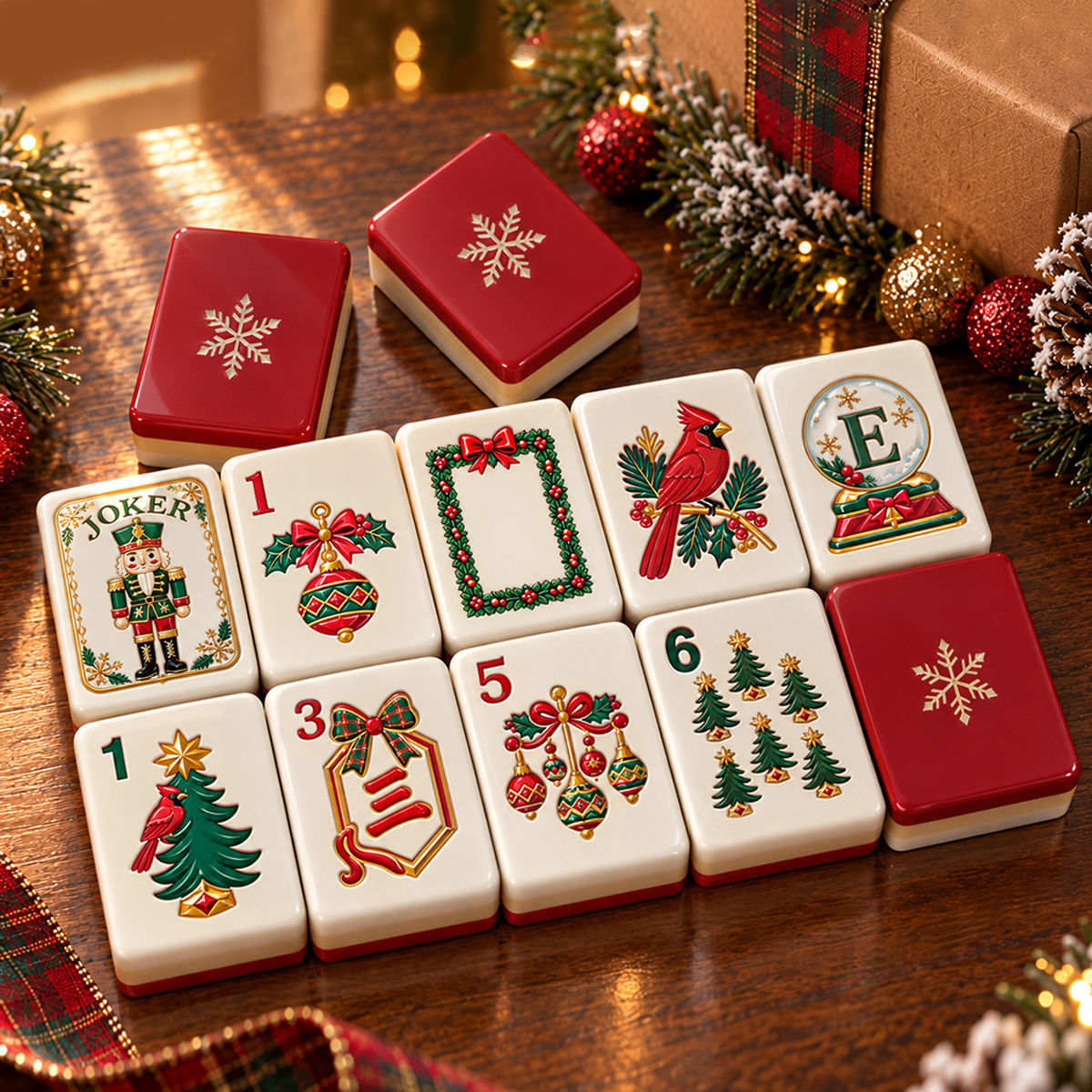
"Wright-Patterson mahjong" is not a recognized formal variant in published mahjong rulebooks or competitive circuits. The term may refer to a house ruleset played at or near Wright-Patterson Air Force Base in Ohio, or a colloquial name for a local adaptation of American mahjong. Standard American mahjong—played with 152 tiles (three suits, winds, dragons, flowers, jokers) and hands drawn from the annual National Mah Jongg League card—is the dominant ruleset across the United States. If you've encountered "Wright-Patterson rules," it's likely a friendly-game modification of American mahjong, such as altered joker usage, different scoring, or unique hand combinations not on the official card. Before hosting or joining a game claiming this name, clarify the exact rule differences with your group: ask whether they use the League card, how many jokers they allow in a hand, and whether they play with a different tile set. Most organized American mahjong clubs follow League rules for consistency and tournament eligibility.
What is standard American mahjong?
American mahjong is a four-player tile game using exactly 152 tiles: three suits (Bam, Crak, Dot) numbered 1–9, plus winds, dragons, flowers, and jokers. Hands must match patterns on the current-year National Mah Jongg League card. Players build melds (pungs, kongs, quints, sextets) and one pair; jokers substitute for any tile except in a single or a pair. The game is played with a ritual tile-pass called the Charleston before each round. Winners are determined by the first player to complete a legal hand from the card and declare "mahjong." American mahjong has been standardized in this format since the 1920s and remains the most widely played variant in U.S. living rooms, country clubs, and senior centers.

Where does "Wright-Patterson mahjong" come from?
Wright-Patterson Air Force Base near Dayton, Ohio, has a long history of military recreation programs and social clubs. Like many military communities and regional groups, residents may have developed or adopted a house-rules variant of mahjong for casual weekly games. The name "Wright-Patterson mahjong" does not appear in official mahjong rulebooks, competitive league documentation, or academic surveys of mahjong variants. It is likely a local or informal ruleset passed down through a specific social circle, similar to how families and friends groups create their own adaptations of American mahjong rules. Without documentation, it's impossible to state with certainty what rule changes distinguish it from League play. Common local adaptations include: using a different number of jokers, allowing tiles to be called in ways the card forbids, or playing with a custom hand list. If you're new to a group claiming to play "Wright-Patterson rules," ask them to show you their specific house rules in writing before your first game.
How do American mahjong variants differ from each other?
American mahjong is the most rigid U.S. variant because it is bound to the official League card issued every spring. Other major variants—Chinese, Hong Kong, Riichi (Japanese), and Taiwanese mahjong—allow sequences (chows), use different tile sets and numbers, and have entirely separate hand-building logic.
Comparison: Major Mahjong Variants
Variant | Tile Count | Allows Chows? | Hand Source | Jokers | Typical Winning Players |
American | 152 | No | League card (current year) | 8 fixed | 4 |
Chinese | 136–144 | Yes | Traditional or modern sets | 0–8 | 4 |
Hong Kong | 152 | Yes | Traditional | 0 | 4 |
Riichi (Japanese) | 136 | Yes | Traditional (melds or concealed) | 0 | 4 |
Taiwanese | 144 | Yes | Traditional | 0–8 | 4 |
American mahjong is unique because hands change every year: the League issues a new card each spring, so the same tile combination may be invalid next season. This keeps the game fresh and unpredictable. If you play Chinese or Hong Kong mahjong, you use the same hand patterns forever—no card needed. Riichi mahjong adds a competitive ranking system with rapid play and minimal luck, appealing to younger and tournament-focused players. Taiwanese mahjong blends Chinese melds with betting and more complex scoring.
What should you ask when joining a new mahjong group?
Before attending your first game, clarify these three questions with the host:
"Do you play American mahjong or another variant?" If they say American, ask if they use the official National Mah Jongg League rules or house rules.
"What year's card do you use, and may I bring my own copy?" League cards are inexpensive and reusable; having your own prevents confusion during play.
"How many jokers do you allow per hand, and are there any special rules about calling tiles or exposing melds?" House rules often tweak joker limits or alter which melds can be claimed.
If the group insists on playing "Wright-Patterson rules" or another unfamiliar variant and cannot explain them clearly, ask for a practice round where experienced players narrate their decisions. This lets you observe without the pressure of real money or fast play. Many groups are happy to teach—mahjong thrives on newcomers. Write down any non-standard rules before the game begins so you have a reference if disputes arise.
🀄 Shop best-selling mahjong sets →

How can you prepare if you're unsure which variant you're joining?
The simplest way to be ready is to own a complete American mahjong set and learn the standard rules first. Our best-selling mahjong sets are designed for American play and include everything needed: 152 tiles, 8 jokers, winds, dragons, flowers, and Bams, Craks, and Dots in full. Once you know American mahjong, you can easily adapt to house rules because the core tile mechanics remain the same. Many casual groups will teach you their local twist if you show up with a functional set and a willingness to learn. If you plan to play regularly, invest in a quality mat to organize your hand clearly and signal to others that you take the game seriously—hosts appreciate players who keep tiles neat and play at a steady pace.
Also review the current-year League card before your first game. Cards are compact, laminated, and inexpensive; they fit in a pocket or bag. Studying a few hands on the card the night before takes 20 minutes and will save you from confusion when tiles are drawn. The card uses a grid layout: each row shows one legal hand, with sections for pungs, kongs, pairs, and joker counts. Knowing how to read the card is half the battle in American mahjong—it eliminates arguments and keeps the table moving.
If a group truly plays an undocumented variant like "Wright-Patterson," the only way to master it is in-person repetition. Ask whether any older players have written notes on their version of the rules, and whether the group keeps a house rules document or text file. Some military clubs and family groups maintain informal wikis or Google Docs for exactly this reason. Do not be shy about asking for documentation; organized groups respect players who want clarity.
🎁 See our most-loved mahjong sets & accessories →
What equipment do you need for any American mahjong variant?
Whether you're playing standard League rules or a house variant, you'll need:
A complete mahjong set with 152 tiles, jokers, winds, dragons, and flowers (no matter the house rules, the tile inventory stays the same).
A mat or table surface to organize your hand and keep tiles visible to all players—critical for catching errors before they snowball.
Racks with pushers if you prefer not to hold tiles in your hands; some groups insist on them to prevent accidental exposure.
The current-year League card (if playing American rules) or written house rules if you're in a variant group.
A carrying bag or case if you host rotating games or travel between locations.
Our pick: Begin with a best-selling set in your preferred design. Acrylic tiles are durable, lightweight, and easy to clean—perfect for weekly games. Pair it with a padded mat for protection and organization, and if hosts provide racks and pushers, try them before buying your own. Many players discover they prefer holding tiles once they get used to the weight and feel.
Before you buy, check these three things
Confirm the variant and house rules in writing. Text the host a simple question: "What are the exact rule differences from the National Mah Jongg League ruleset?" If they hesitate or can't answer, that's a red flag that rules are ambiguous or enforced unevenly.
Attend a practice round first. Ask to join as an observer or for a low-stakes learning game before committing money or time to a regular weekly group. This protects you from unpleasant surprises and lets you meet the other players.
Bring your own set and card if you own them. Hosts often use worn or incomplete sets; having fresh tiles and a legible card prevents mistakes. If the group has strong objections to your set, that may signal inflexibility or cliquish behavior—proceed with caution.
✨ Find your Mahstead set — free US shipping →

FAQ
Is "Wright-Patterson mahjong" an official recognized variant?
No. It does not appear in published mahjong rulebooks or competitive league documentation. It is likely a local house-rules adaptation played by a specific group or community, similar to how families modify American mahjong rules for casual play. Clarify the exact differences with your host before joining.
Can I play American mahjong if I've only played Chinese mahjong before?
Yes, but you'll need to relearn several core rules. American mahjong forbids chows (sequences), fixes the number of jokers at 8, uses a unique tile set with flowers, and requires hands to match the annual League card. Chinese mahjong allows chows, has no jokers, and uses traditional hand patterns. The tile manipulation and strategy overlap, but the hand logic is different.
What should I do if a group's house rules conflict with the League card?
Ask politely which takes precedence—"Do house rules override the League card, or do we follow the card unless you've agreed to an exception?" Write down their answer. If rules are vague or inconsistent, either ask for clarification before money is wagered or find a group that plays strict League rules. Ambiguous rules cause tension and slow down play.
How do I find a mahjong group if I'm new to an area?
Search your local community center, library, synagogue, or country club for mahjong clubs or classes; many advertise schedules online or by phone. Check Meetup, Facebook community boards, and senior center newsletters. Introduce yourself to established players and ask whether they welcome newcomers. Most groups are inclusive and happy to teach, especially if you own your own set and commit to weekly attendance.
Is it worth buying an expensive mahjong set if I'm just learning?
No. Start with an affordable acrylic set from a trusted maker—quality, durable, and low-risk. Once you've played regularly for a month or two and know which variant you prefer, you can upgrade to a specialty design or material if you wish. Beginners rarely regret starting simple; many never feel the need to upgrade.


View More
View More
View More
