
North Wind Mahjong Tile: Meaning & Game Role
Last updated: Nov 23, 2026
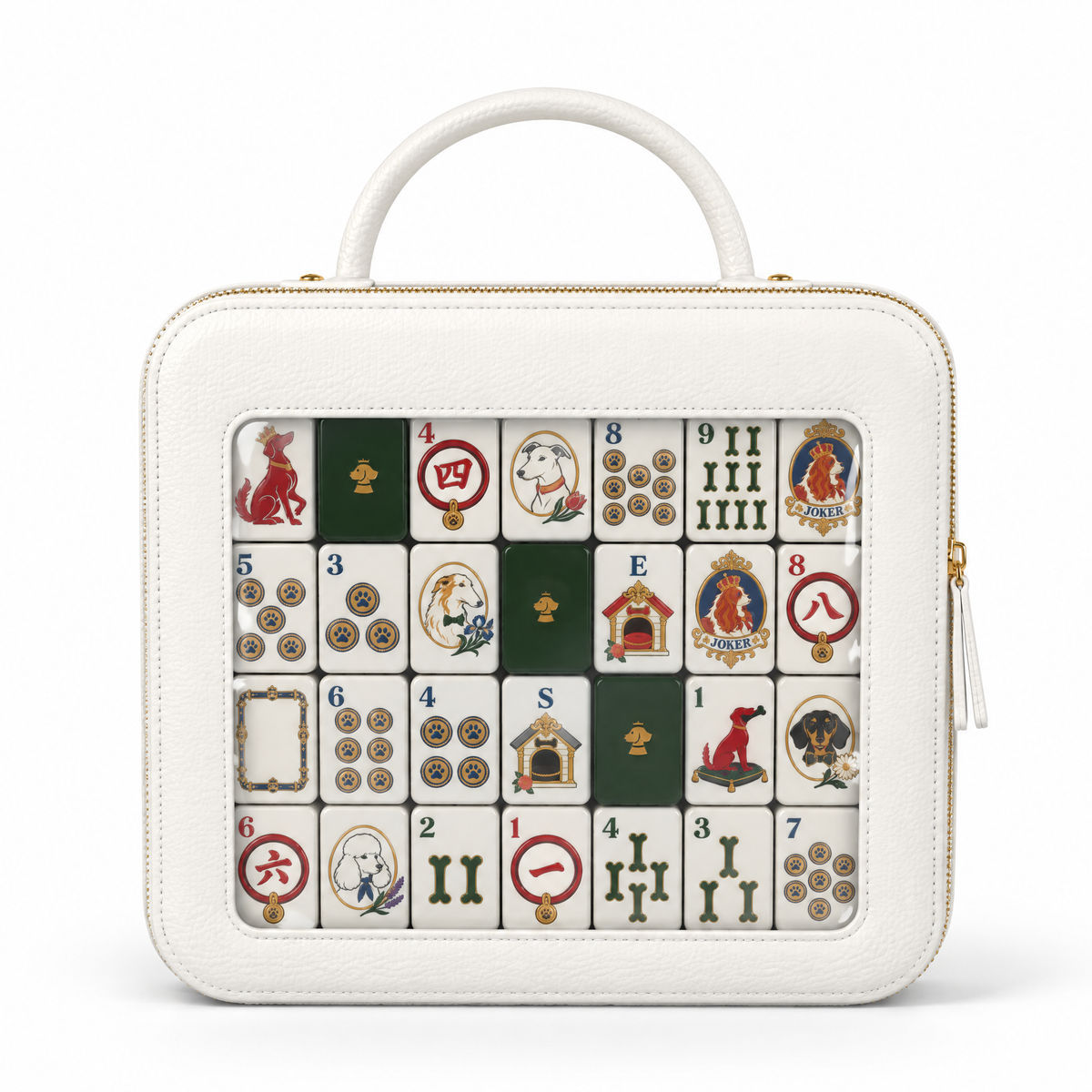
In American mahjong, the North Wind (North) is one of four wind honor tiles—the others being East, South, and West. North appears on a single tile, repeated four times in every 152-tile set. In the honor hierarchy, East ranks first (the dealer position), South second, West third, and North fourth. North Wind tiles do not depict a compass needle; instead, the tile shows the Chinese character 北 or a stylized symbol depending on the set design. Like all honor tiles, North cannot form a sequence (chow); you can only use it in groups of three or four identical tiles (a pung or kong) or as a pair. North Wind scores vary by hand type on the current year's National Mah Jongg League card. When playing with an engraved American mahjong set, the wind tiles are usually printed or engraved clearly to avoid confusion at the table.
The North Wind tile might look simple, but it's a crucial honor piece that shapes both strategy and hand-building in American mahjong. Understanding its role, visual identity, and scoring potential helps new and returning players avoid costly mistakes during the game.
What does the North Wind symbol actually look like?
The North Wind tile displays either the Chinese character 北 (běi, meaning "north") or a Western-style compass-point label depending on your set's design language. Unlike Bam, Crak, and Dot suits—which show numbers and pictorial symbols—the four wind tiles are pure honors: East, South, West, and North. Each appears identically on a single tile and is repeated four times. Some sets use full Chinese characters; others use abbreviated English letters or symbols. The key is recognizing that all four copies of North are identical—if your set uses the 北 character, all four North tiles will look exactly the same, with no variation in number or embellishment.

How does North Wind rank among the other three wind tiles?
In American mahjong hierarchy, winds rank by their association with the dealer position and play order: East is first (the dealer's seat), South second, West third, and North fourth. This ranking appears in scoring rules—East Wind pungs and kongs often carry higher point values than North Wind on the National Mah Jongg League card. However, the ranking does not affect how you play or call tiles; all four winds function identically during tile-passing and building. The ranking matters only when the card lists a hand that includes a specific wind—e.g., "three East, three South, three North" versus "three North, three South, three West"—and you need to verify the hand matches the card exactly.
Can you use North Wind to make a sequence or chow?
No. In American mahjong, honor tiles (winds and dragons) cannot form sequences or chows. You can only use North Wind in three ways: as one of three identical North tiles (a pung), as one of four identical North tiles (a kong), or as one of a pair of identical North tiles in a completed hand. Many new players mistakenly believe they can mix North with East and South to form a "run" of winds—this is incorrect and will cause your hand to be invalid. If the card shows a hand with winds, they always appear as separate groups of identical tiles, never as sequences. This rule applies equally to all honor tiles and is a core difference between American and some Asian variants.
What scores apply to North Wind hands?
North Wind scoring depends entirely on the current year's National Mah Jongg League card. Some hands reward pure North Wind groups (e.g., "three North, three West, three Dragons, one Dot, one Bam, one Crak" as a simplified example of hand structure). Other hands mix North with Bam, Crak, Dot suits or other honors. The card is the authoritative source; scores range from low (common hands) to very high (rare combinations). Because the card changes every spring, a hand that scores well one year may disappear or shift the next year. This is why keeping the current year's card at the table and checking it frequently is non-negotiable. Players who memorize old hands or assume they remember the card often build invalid or lower-scoring hands by mistake.

How do you distinguish North Wind from other tiles when learning?
The clearest way to learn wind tiles is to sort your set by suit and honor, set the winds aside in a separate row, and drill naming them aloud. East, South, West, North—in order, five times over. Many players keep their winds in a designated zone on the mahjong rack to avoid fumbling during the Charleston tile-passing ritual. When picking up tiles from the wall or wall stock, pause and say the tile name before placing it. This habit prevents calling the wrong tile or misidentifying a North Wind as another honor. If your set's font or engraving is hard to read, consider sets with larger or higher-contrast characters. Best-selling mahjong sets often feature designs tested by thousands of players; clarity and durability are built in, not an afterthought.
Common mistakes to avoid
Mistake | Why it fails | How to prevent it |
Mixing North with East/South in a "sequence" | American mahjong prohibits honor sequences | Use North only in identical-tile groups (pung, kong, pair) |
Forgetting North ranks fourth in hierarchy | Leads to wrong scoring on card lookups | Memorize East > South > West > North; drill weekly |
Confusing North symbol across set designs | Engraved or printed symbols vary | Sort your set by suit and honor; label unknown tiles before play |
Assuming last year's hand includes North | Card changes annually; hands rotate out | Check current year's card every game; never rely on memory |
Using jokers in a North Wind pair | Jokers cannot form pairs or single tiles | Use jokers only in exposed groups (pung, kong, quintet, sextet) |
🀄 Shop best-selling mahjong sets →
Why does North Wind appear on your mahjong card so often?
North Wind is one of only four honor tiles that form winds, making it a reliable building block for hand variety. The National Mah Jongg League includes North in dozens of hands each year—sometimes grouped with other winds, sometimes with number suits, sometimes paired with dragons. Because North is common (four copies in every set) and ranks lower than East, South, and West, it often appears in mid-tier or accessible hands rather than ultra-rare, high-scoring combinations. This accessibility means newer players can complete North-heavy hands relatively quickly, which helps build confidence. However, this same frequency means experienced players also pursue them; if multiple players at the table are hunting North combinations, tiles move fast and hands collapse—a good reason to stay flexible and watch what others discard.
What to check before you buy a mahjong set
When ordering a new set, verify that the North Wind tile (and all honor tiles) display clearly under table lighting. Acrylic sets are popular because the engraved or printed characters show up sharply and don't fade with use. If you play weekly, inspect your current set for worn or chipped wind tiles every few months; a damaged North Wind can cause confusion or misidentification during play. If you are hosting regular games, ensure every player has a set with identical design conventions—mixing a set with Chinese characters and a set with English labels at the same table creates friction and slows play. Mahjong bags and cases protect your tiles from dust and damage during storage and transport; a well-maintained set stays legible for years.
🎁 See our most-loved mahjong sets & accessories →
The North Wind tile is straightforward once you understand it belongs to the honor family and must appear in identical groups. Master its symbol, remember it ranks fourth, and always check the current year's card for scoring. With consistent practice and a high-quality acrylic set, spotting and using North Wind becomes automatic—one less distraction, one more win.
✨ Find your Mahstead set — free US shipping →

FAQ
Is North Wind the same in Chinese and Hong Kong mahjong as in American?
No. Chinese and Hong Kong mahjong use identical wind tiles but different hand structures, scoring systems, and sequence rules. American mahjong prohibits honor sequences entirely; Asian variants allow them in some contexts. Always check the variant's ruleset before mixing players or sets.
Can I use a joker as a North Wind tile?
Jokers can substitute for North Wind only when North appears in an exposed pung, kong, quintet, or sextet—not in a pair or as a single tile. The National Mah Jongg League card specifies which hands allow joker substitution; check each hand before calling or exposing.
Why does my set show North Wind differently than a friend's set?
Different manufacturers use different design conventions. Some use full Chinese characters (北), others use abbreviations (N), symbols, or stylized compass points. As long as both sets are labeled clearly and consistently within themselves, either works—but confirm both players recognize each other's North tiles before the game starts.
Does North Wind score higher or lower than East Wind?
North Wind scores lower than East, South, or West on most hands listed in the National Mah Jongg League card. However, some hands group all four winds equally or weight North more heavily depending on context. Always consult the current year's card; never assume a scoring pattern from a prior year.
What should I do if I pick up a North Wind tile by mistake during the game?
If you pick it up but have not exposed it, return it to the wall or discard it immediately and draw another tile in its place. If you have already exposed it as part of a group, the group stands—but verify with other players that the call is valid per that year's card before play continues.


View More
View More
View More
