
American Mahjong Lessons Online: Best Platforms & How to Get Started
Last updated: Nov 23, 2026
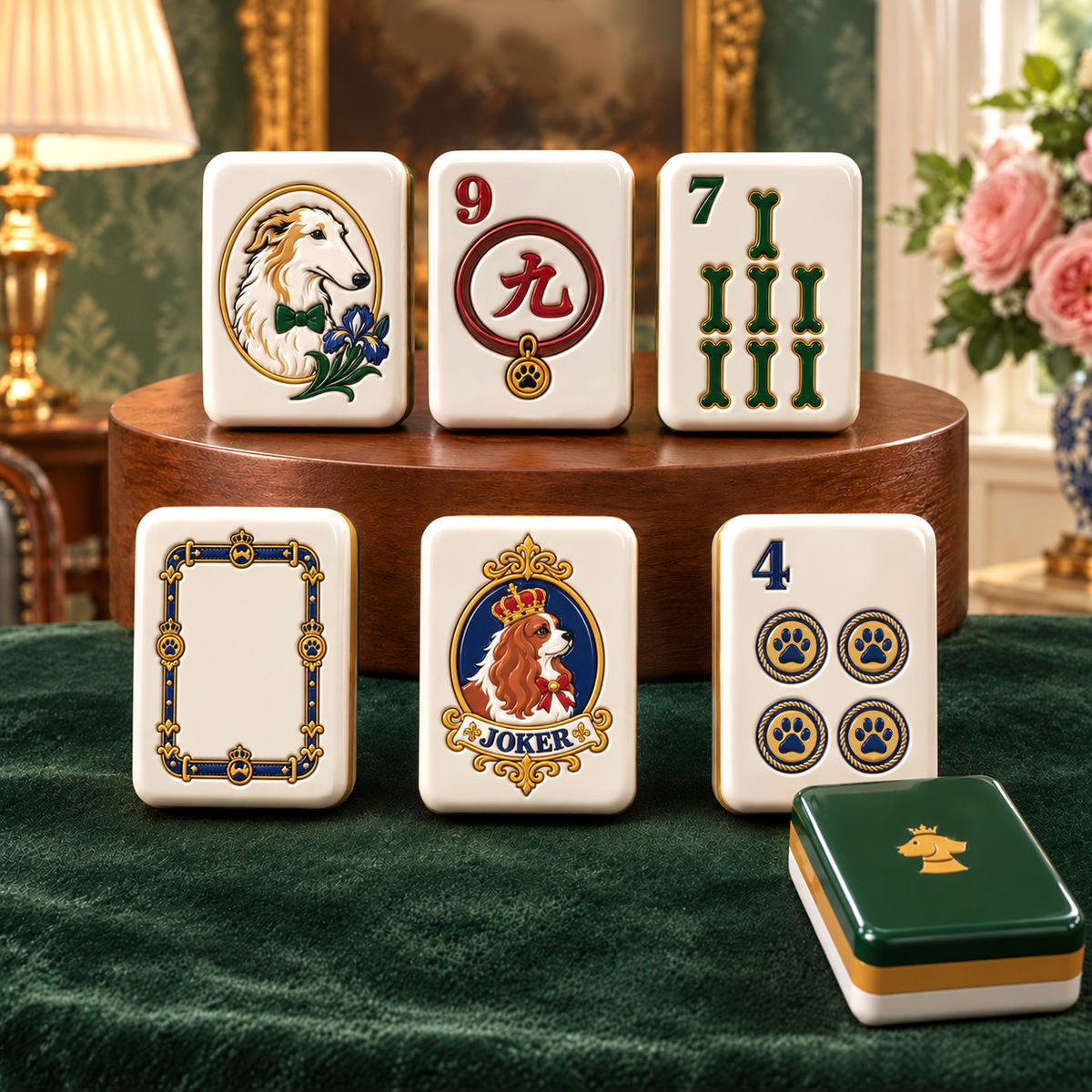
American mahjong lessons online connect you with certified instructors via Zoom, Discord, or specialized platforms where you learn the National Mah Jongg League card, tile recognition, the Charleston, and scoring over 4–12 weeks. Most run 60–90 minutes weekly, cost varies by instructor and group size, and many combine video lecture with live table play. You'll find lessons through community colleges, libraries, synagogues, country clubs, and independent teachers on sites like Meetup, Facebook groups, or direct-hire platforms. Before enrolling, confirm the instructor teaches American (not Chinese or Hong Kong) rules, uses the current-year League card, and offers at least one session where you play live with peers. Mahstead's best-selling sets come with tiles ready for online play—you can hold them on camera or keep your own reference set visible.
Online lessons bring live instruction to your home—real teachers, weekly schedules, and peer play. Here's how to find them, what they cost, and how to prepare.
Where do I find American mahjong lessons online right now?
Check community centers (search "[your city] community college mahjong"), public libraries' adult education websites, synagogues' cultural programs, and country clubs with recreational committees. Meetup.com hosts regional mahjong clubs that often list lesson instructors. Facebook groups dedicated to American mahjong include members offering private or group Zoom sessions. Independent teachers advertise directly on their websites or through word-of-mouth in local mahjong circles. Call ahead to confirm they teach American (not Chinese or Hong Kong variants) and use the National Mah Jongg League card issued each spring. Many instructors will do an intro call free to assess your level and answer questions.

What's the actual lesson format—how does it work on Zoom?
Most online lessons run 60–90 minutes and split into three phases: rules review (15–20 min) covering the League card, pung vs. kong vs. joker rules, and discard strategy; tile practice (20–30 min) where you sort, identify, and complete hand patterns on screen or in your own set; and live table play (20–40 min) where 4 players log in, deal tiles, and play a full game with the instructor calling or advising. You'll need a camera angled at your playing area, a set of tiles (physical or digital), and a copy of the current-year League card. The instructor shares the card on screen, calls draws and discards aloud, and explains why a hand works or why a discard was risky. Peer play is the hardest and most valuable part—you experience real pressure, read other players, and see mistakes instantly. Many instructors record sessions for later review.
🀄 Shop best-selling mahjong sets →
How long until I can play a real game after starting lessons?
Expect 4–6 weeks if you have zero experience. Week 1 covers tile names and the card structure; week 2, the Charleston and discarding; week 3, completed hands and joker rules; week 4, live play with coaching. By week 5–6, most students play a full game with the instructor's silent observation. If you already know the basic rules, you may join a drop-in live table within 2–3 sessions. The speed depends on how much you practice outside lessons—students who sort tiles and drill card patterns once or twice weekly learn twice as fast. Some instructors offer "express" formats (4 intensive weekly sessions over one month) if you commit to daily practice. Others run slower, twice-weekly courses over 8–10 weeks for learners juggling family or work.
What should I own before my first lesson?
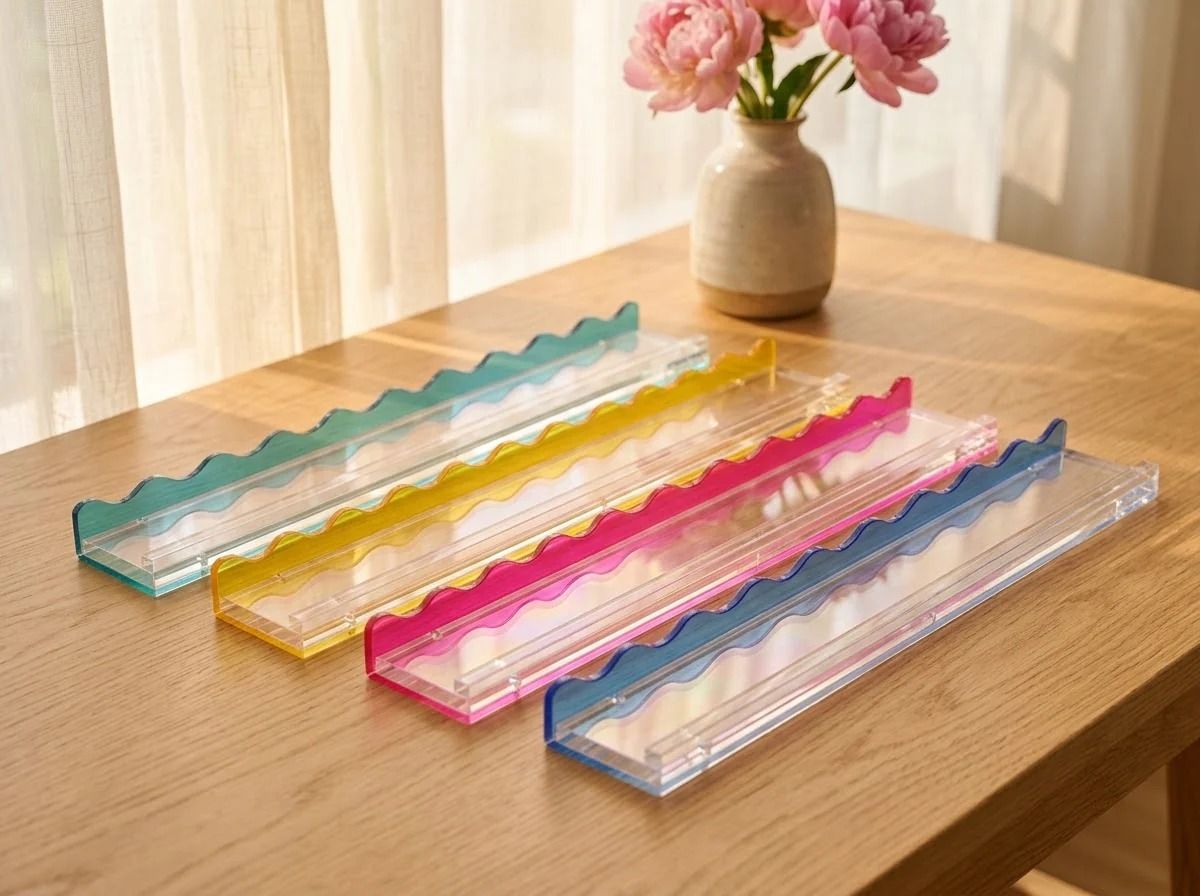
You need a full American mahjong set (152 playing tiles plus jokers), a copy of the current-year National Mah Jongg League card, and a space where you can arrange tiles in a line and see them on camera. A mahjong rack with pushers is optional but helps beginners organize quickly—pushers let you move tiles up smoothly rather than fumbling with your fingers, which saves time and looks polished on Zoom. A mat is nice for protecting tiles and muffling click-clack noise during live play; instructors appreciate quieter setups. You do not need an expensive set—acrylic tiles work as well as bone for learning, and our best-selling collection includes durable sets that won't wear out or crack with weekly practice. Many instructors lend tiles to first-time students if you ask—no shame in borrowing during a trial.
🎁 See our most-loved mahjong sets & accessories →

How do I pick the right online lesson for my level and schedule?
Use this decision table to narrow your search:
Your situation | Where to look | What to ask | Why it matters |
Completely new, flexible schedule | Community college or library | Do you teach American rules and use the current League card? | Some instructors teach old rules or Chinese variants—confirm American first. |
New, busy weekday evenings | Meetup or Facebook group | What day/time; how many weeks; can I audit one free? | Group sizes vary 4–12; tight schedules need fixed dates. |
Rusty player (played years ago) | Independent teacher or club | What year's card do you use; do you cover new rule changes? | Card changes annually; old rules don't match current play. |
Played recently, want live play | Drop-in club tables | Is there a beginner or mixed-level table; who's the caller? | Some tables are competitive; ask for a friendly environment first. |
Prefer one-on-one coaching | Direct-hire private instructor | Rates for 5 or 10 sessions; can we do short intensive vs. spread out? | 1-on-1 costs more but gives you custom pacing and feedback. |
Look for instructors who encourage you to bring your own tiles and explicitly call out when they're explaining American-specific rules (no chows, only pungs/kongs/quints, joker limits, Charleston ritual). Ask if they've taught online before—experienced Zoom teachers manage camera angles and player pacing better. Email or call at least two instructors before signing up; the right fit matters more than the cheapest option.
What are the biggest beginner mistakes in online lessons—how do I avoid them?
Rushing the Charleston. The tile-passing ritual before play confuses newcomers because it's not scored play—it's setup only. Instructors drill it slowly for a reason. Don't skip it or play "normal" draw-discard from the wall; the Charleston is part of American mahjong. Practice it three times in each lesson until your hands do it without thinking.
Misreading the card. The National Mah Jongg League card groups hands by pattern type and shows which tiles go where. Beginners glance at a hand, think they have it, and discard wrong. In your first 3–4 lessons, read the card aloud for every hand you think you're holding—say "I have a pung of 5 Dots, a pung of East Wind, a quint of Cracks, and..." The instructor will catch misreads before you embarrass yourself at a real table.
Using jokers carelessly. Jokers are wild but have strict limits: never a single tile, never a pair, never in a single Dot or Crak or Bam. Study how jokers work before week 2, or you'll leak points every hand. Write the rules on a sticky note during your first month.
Playing too fast. Online play can feel rushed because you see the discard pile on screen and want to call. Pause. Count the player's hand. Read the card. Then call. Slow learners who play careful often beat fast players who guess.
Before You Buy: What to Check
Set completeness: confirm you have 152 tiles plus jokers, not a incomplete travel set.
Card currency: check the instructor gives you or confirms the current-year League card (changes every March).
Camera setup: test your camera angle shows your hand clearly—phone on a book beside you works fine.
Internet stability: run a speed test; Zoom lessons need steady connection, especially during live play.
Racks optional but helpful: if you fumble organizing tiles, a rack with pushers speeds you up and reduces mistakes.
✨ Find your Mahstead set — free US shipping →
How does online play compare to in-person lessons?
Online is faster to schedule (no commute), cheaper travel-wise, and lets you keep your own tiles in view. You also slow down naturally on Zoom—players take turns more deliberately. The downside: you miss the social rhythm of a live table, can't smell the felt mat or hear the tile click that helps seasoned players track discards by sound alone, and tech issues interrupt flow. Many serious learners do both—start online for rules, then join a weekly in-person club for full pace. Ask your instructor if they run or recommend local clubs once you're ready; most American mahjong communities have multiple tables meeting weekly at libraries, senior centers, or homes.
For your first set, Mahstead's acrylic tiles are bright, clear on camera, and durable enough for weekly online play plus in-person sessions later. See current options on our best-selling collection.
FAQ
Do I need to own a mahjong set before my first lesson?
Most instructors expect you to own or borrow a set by week 2 so you practice between sessions. Some loan tiles during trial lessons. Ask your instructor upfront. Having your own set means you can drill card patterns and tile sorting daily, which cuts your learning time in half.
Can I take online lessons if I play in a group that uses older house rules?
Yes, but tell your instructor about your house rules first. American mahjong follows the National Mah Jongg League card and standardized rules. If your group uses non-League rules, lessons will clarify what's correct; you can adapt house rules later or play League-standard at new tables. Instructors bridge this gap easily.
How much do online lessons typically cost?
Rates vary widely based on group size, instructor experience, and course length. Contact instructors directly for pricing—community colleges are often cheapest, synagogues may offer member discounts, and independent teachers charge more but offer flexible schedules. Compare a few before committing.
Will online lessons teach me the mahjong card well enough to play at a club?
Yes, if you practice regularly. Instructors teach you how to read the card, sort hands, and spot patterns. By week 6–8, you'll know the card structure enough to join a beginner or mixed-level table. Some clubs host "new player" tables specifically for lesson graduates.
What if I get lost during live play in a lesson?
Raise your hand or unmute and say "pause." Instructors expect to stop and clarify. They'll show you why your hand didn't work, what you should have discarded, or how to count points. Write these moments down—they're your biggest learning tool. Mistakes in lessons are free; mistakes at a club table cost you nothing but pride.
Should I buy an expensive bone set or is acrylic OK for lessons?
Acrylic works perfectly for learning. You'll see tiles clearly on camera, tiles last through weekly play, and you won't stress about damage. Upgrade to bone or luxury sets later if you want to after you've played 50+ hands and know you love the game.


View More
View More
View More
