
Mahjong Tournaments in West Palm Beach: Where to Play & Get Ready
Last updated: Nov 23, 2026
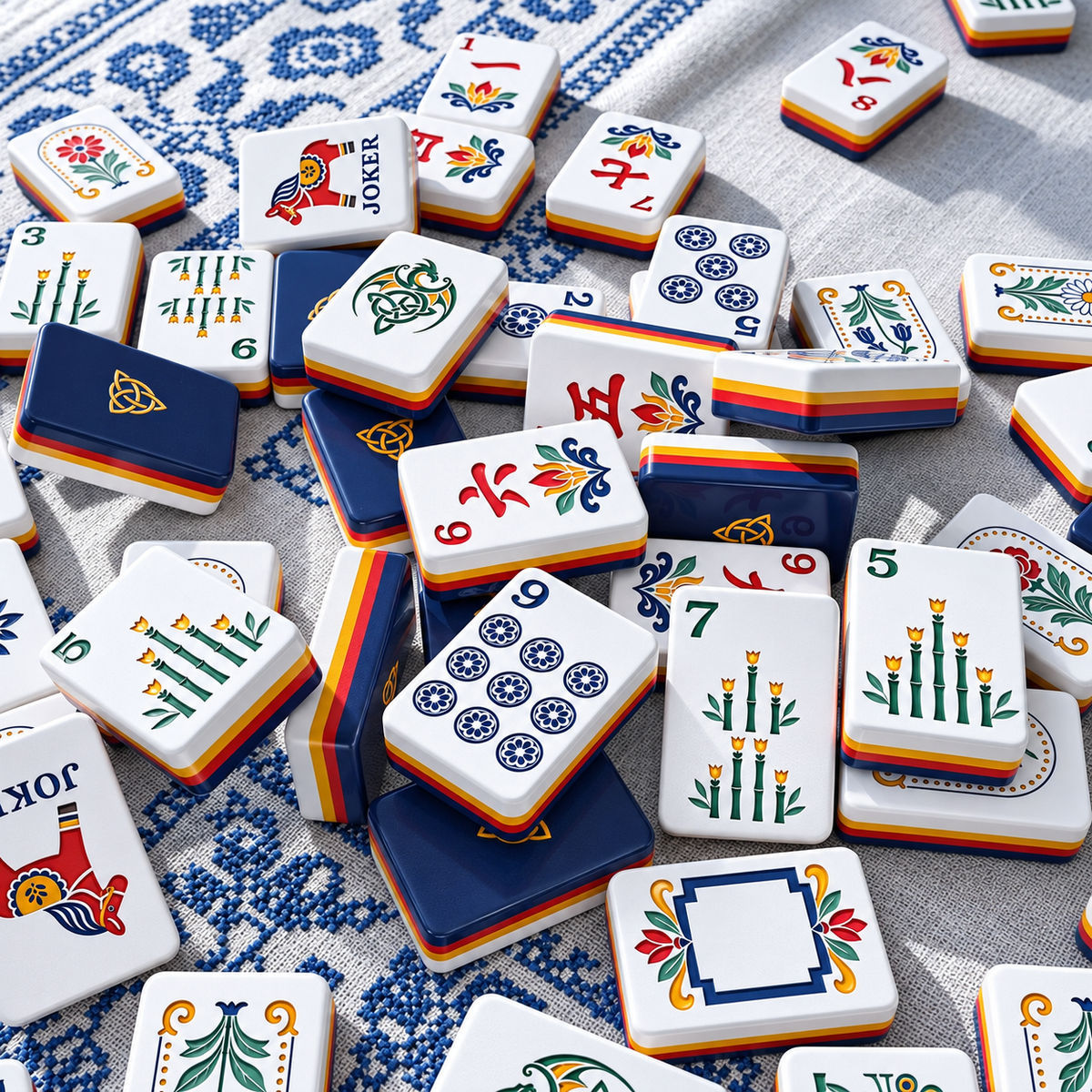
West Palm Beach's mahjong scene centers on community facilities: check the Palm Beach County Library system, local YMCAs, synagogues (especially those with active adult programs), and country clubs for weekly games and seasonal tournaments. The National Mah Jongg League publishes official tournament schedules; contact their office or visit their website for West Palm Beach–area events. Most tournaments run fall through spring. American mahjong dominates the region. Bring the current year's NMJL card (issued each spring), a 160-tile set with quality tiles and clear markings, a mat for stable play, and racks to hold tiles upright—these prevent dropped tiles and speed up reading hands. Most players discover games through word-of-mouth or by visiting community centers with bulletin boards. Mahstead ships sets and accessories across the US, so you can arrive tournament-ready.
West Palm Beach's mahjong community gathers in predictable places. Libraries, synagogues, and recreation centers post regular game schedules on bulletin boards and websites. Start by calling the Palm Beach County Library system's adult programming desk—staff can direct you to established groups. Synagogues often host Thursday or Sunday afternoon sessions. Country clubs sometimes run members-only tournaments or open play nights. Ask if newcomers are welcome and whether they provide sets or you bring your own.
Where do most West Palm Beach mahjong players meet?
The largest regular games happen at community centers and synagogues that dedicate space to older adults or general recreation. Libraries sometimes host tournaments in spring and fall. Country clubs cater to members; call ahead to confirm non-member access. Facebook groups and Meetup boards occasionally list local games, though word-of-mouth remains the most reliable way to find a table. Ask players you meet—the community is friendly and actively recruits new players.
🀄 Shop best-selling mahjong sets →

What's the tournament schedule like in West Palm Beach?
The National Mah Jongg League runs official tournaments September through May. West Palm Beach hosts regional and open sectional tournaments, typically on Saturdays or Sundays. Check the NMJL website for dates and venues. Many community centers also host casual "game days" year-round, usually weekly. Some synagogues run drop-in sessions Thursday afternoons without formal tournament structure. Call ahead to confirm the current season's schedule—times shift slightly each year.
Do I need to be a member to play in West Palm Beach tournaments?
Most NMJL tournaments are open to the public; you pay an entry fee per table. Community center games usually charge a small hourly or per-session fee. Synagogue games may require membership or a guest pass (often free for first-timers). Country club tournaments restrict play to members. Ask explicitly when you call: "Are newcomers welcome?" and "What is the cost?" Membership in the NMJL is optional for casual play but required to rank in official tournaments.
What gear do West Palm Beach players bring to tournaments?
Serious players arrive with a 160-tile acrylic set (durable under the stress of frequent play), a mat with a non-slip surface for stability, racks with pushers to organize and display tiles clearly, the current NMJL card in a protective sleeve, pen and score sheet, and a bag to carry everything. Tiles must be legible from across the table—avoid worn or faded sets. A quality mat prevents tiles from sliding during play and shows respect for the game. Racks keep your hand organized and hidden from other players. Mahstead's best-selling sets and engraved designs suit tournament play; our mats and racks with pushers are built for durability and speed.

How do I prepare before my first tournament?
Learn how to play American mahjong thoroughly. Study the Charleston—the tile-passing ritual before every hand. Memorize how jokers work: they substitute for any tile in a pung, kong, quint, or sextet but never appear alone or in a pair. Practice reading the NMJL card until you can spot hands in under 30 seconds. Understand American mahjong scoring so you know what wins and what doesn't. Host or join a weekly home game first; most West Palm Beach clubs welcome visitors for practice. Arrive 15 minutes early to buy the current card if you don't have one, socialize, and calm your nerves.
Beginner's pre-tournament checklist
[x] Download and study the current NMJL card (issued spring 2026)
[x] Play at least 10 home games with an experienced player
[x] Memorize the Charleston sequence and timing
[x] Understand joker rules—they're not wildcards for any tile
[x] Practice reading hands in under 30 seconds
[x] Score three hands correctly with the card beside you
[x] Bring a 160-tile acrylic set with clear, legible markings
[x] Use a non-slip mat and racks to organize your tiles
[x] Arrive early, introduce yourself, ask about house rules
[x] Bring a pen and notepad for scoring notes
🎁 See our most-loved mahjong sets & accessories →
Gear comparison: what West Palm Beach tournament players choose
Gear Type | Use | Why It Matters | Upgrade Path |
160-tile acrylic set | Core game | Tiles survive thousands of draws; clear markings prevent errors under time pressure | Engraved designs personalize play; harder tiles last longer |
Non-slip mat | Table control | Prevents tiles sliding during the draw; speeds up play; shows professionalism | Larger mats (30"×30") accommodate four players comfortably |
Racks with pushers | Hand organization | Tiles stay hidden from opponents; pushers let you draw quickly without fumbling | Lightweight acrylic racks ship easily to tournaments |
NMJL card in sleeve | Hand reference | Current-year card is law; sleeve protects from spills and wear over a 6-month season | Laminated cards resist tears during frantic play |
Carryall bag | Transport | Protects set and mat during travel; signals you're a serious player | Hard cases guard expensive sets on airplanes |
✨ Find your Mahstead set — free US shipping →
Common mistakes newcomers make in West Palm Beach tournaments
Never assume jokers substitute for any tile—in American mahjong, jokers only fill gaps in pungs, kongs, quints, and sextets. Never discard a tile face-down or without announcing it clearly. Never pick up a discarded tile unless you can immediately call and play a hand. Don't memorize last year's NMJL card; hands change every spring, and old cards cause endless disputes. Never touch another player's racks or tiles. Don't arrive without cash or a way to pay entry fees. Avoid loud side conversations during active hands. Don't expect the rules to match Chinese or Hong Kong mahjong—American mahjong has its own structure, and mixing variants halts the game. Ask the host about local customs before play begins.
What to check before you buy
Set durability. Acrylic tiles outlast bamboo and bone in tournament wear. Check that markings are screen-printed or engraved—inked or labeled sets fade after heavy use.
Mat size. A 25"×25" mat fits smaller tables; 30"×30" is standard for four adults and allows comfortable tile placement. Measure your play space beforehand.
Rack weight. Lightweight racks travel better; heavier ones resist tipping if a tile is drawn hard. Tournament play favors stability.
Bag compartments. Sets and mats compress; look for padded dividers to prevent tile rattle during transit. A bag with a shoulder strap leaves your hands free.
Card sleeve clarity. Thick plastic sleeves (not thin ones) let you read the card without removing it. Matte finishes reduce glare under tournament lighting.
Connecting with the West Palm Beach mahjong community
Attend a drop-in game at a community center. Introduce yourself, ask players how long they've been playing, and offer to buy coffee. Most West Palm Beach mahjong players are generous with newcomers and enjoy mentoring. Join a practice group before registering for a tournament; weekly home games cost less than entry fees and let you learn at your pace. Ask whether the group plays strictly to NMJL rules or allows house variations. Some tables follow strict timing; others are social and slow. Find a fit that feels comfortable. Once you've played a season, consider joining the NMJL as a member to track your ranking and compete in sanctioned events. West Palm Beach's mahjong scene is stable and welcoming—many players have been at the same table for decades.

FAQ
Is the National Mah Jongg League card the same every year?
No. The NMJL issues a new card every spring with completely different hands. You must use the current year's card in any official tournament. Old cards are invalid and cause disputes.
Can I play mahjong in West Palm Beach without joining a tournament?
Yes. Weekly community games, synagogue sessions, and home groups welcome casual players. Tournaments are optional. Many people play socially for decades without competing officially.
What's the cost of entering a West Palm Beach tournament?
NMJL sanctioned tournaments typically charge an entry fee per table (fees vary by venue and season). Community center drop-in games cost less—usually a small hourly or per-session fee. Call ahead for exact amounts.
Do I need my own set to play in West Palm Beach?
Preferred, but not always required. Some clubs provide sets; many expect you to bring your own after your first visit. A quality 160-tile set gives you an edge in readability and speed.
How long is a typical mahjong game in West Palm Beach?
A single hand takes 10–20 minutes. Most sessions run 2–4 hours and include 6–12 hands. Tournaments usually schedule three tables (one hand per table) over a day.
What's the age range in West Palm Beach mahjong groups?
Most players are 50 and older, though younger players are welcome. Community centers and synagogues cater to retirees, but competitive tournaments attract a broader age range.


View More
View More
View More
