
Mahjong Tournaments in Tucson: Where to Play & How to Prepare
Last updated: Nov 23, 2026
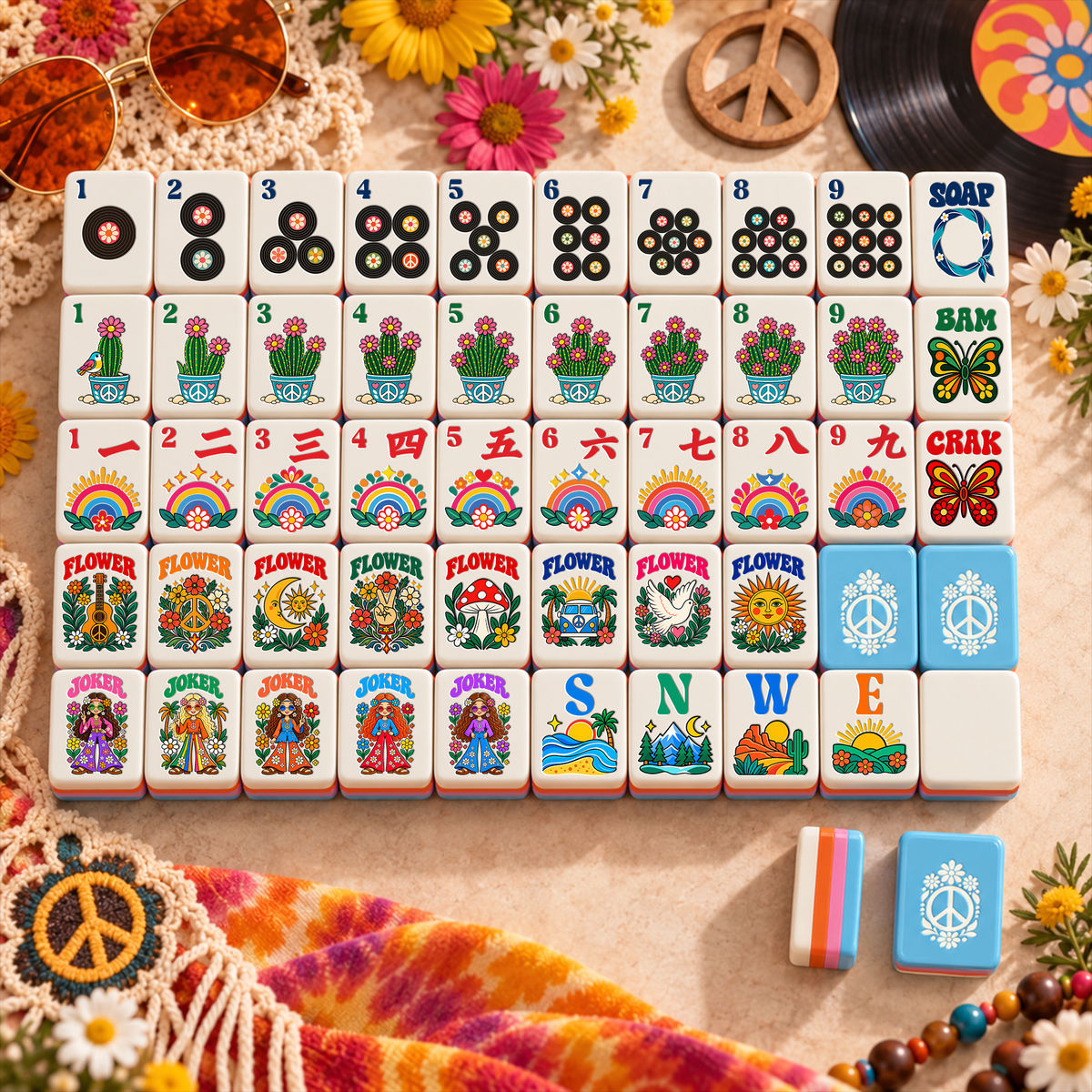
Tucson mahjong tournaments are hosted year-round through community centers, senior centers, synagogues, and private clubs—check your local library bulletin boards, Meetup.com, and county recreation departments to find groups. Most tournaments follow American mahjong rules using the National Mah Jongg League's current-year card, run over a single day or weekend, and accept players of all levels. Entry fees vary; tournaments typically last 4–6 hours with multiple rounds. Bring a set you know well, a working tile rack with pushers, a mat for practice beforehand, and familiarity with how to play American mahjong. We recommend starting with our best-selling mahjong sets so you're comfortable with your tiles before tournament day.
Tucson mahjong tournaments range from friendly neighborhood rounds at community centers to more structured weekend events. The city's active senior population and consistent year-round weather make Tucson ideal for regular play. Whether you're a returning player or new to tournaments, understanding what to expect—and how to prepare—takes the stress out of your first competition.
Where do Tucson mahjong tournaments happen?
Check your city and county recreation departments first; they host tournaments and list club schedules. Libraries often post flyers or maintain bulletin boards with game group contact info. Synagogues, country clubs, and senior centers frequently sponsor games. Search Meetup.com for "mahjong Tucson" to find regular casual groups that may feed into tournaments. Ask at local game shops or call ahead to confirm dates—tournament schedules shift seasonally.

What format should I expect at a tournament?
American mahjong tournaments in Tucson follow National Mah Jongg League rules. You'll sit four players per table, draw tiles from a 152-tile set, pass tiles in the Charleston before each hand, and play from the current year's card. Most events run 4–6 hours with 3–6 rounds, typically two hours per round including setup and scoring. Winning is often luck-based on the card that year; experienced players win by knowing the card deeply and spotting hands faster. Tournaments may separate players by skill level (beginner, intermediate, advanced) or run everyone together. Confirm the format when you register.
How do I practice before my first tournament?
Start by understanding the current National Mah Jongg League card—every tournament hand must come from that year's card. Play weekly with a consistent group at home so you feel confident with tile handling and pace. Practice the Charleston, the tile-passing ritual that opens every hand; it's fast and unfamiliar to new players. Use a quality mat to organize your tiles during practice—it builds speed and accuracy. Get comfortable with how jokers work in exposed sets; tournaments see many joker-filled hands. Play at least six weeks before your first tournament so tile recognition becomes automatic.
What equipment do I need to bring?
Bring your own tile set—most tournaments allow any 160-tile American mahjong set, but confirm with the host. A personal rack with pushers speeds up your play and reduces errors; many seasoned players bring one. A scorecard or pen, the current year's National Mah Jongg League card (often provided, but bring your own copy), and a small notebook to track hands that go down. Wear comfortable clothes and bring water. If traveling more than an hour, a padded mahjong bag or case protects your set from damage. Tournament hosts sometimes supply tables and mats; confirm beforehand.

What mistakes slow down new tournament players?
New players often fumble the Charleston—practice passing tiles smoothly so the round starts on time. Don't assume you know every hand on the card; slow down and verify before calling. Holding jokers in single-tile or pair positions is illegal in American mahjong; always use them only in exposed sets. Calling hands incorrectly (mixing up suit names, miscounting tiles) frustrates your table; double-check before you meld. Arriving late throws off table assignments. Bring a pen that works—scorekeeping delays happen when no one can write clearly. Most importantly, memorize scoring rules before you play; disputes over point calculation are common and preventable.
Tournament Readiness Checklist
Item | Why it matters | Before you go |
Personal tile set | You know its weight, tile spacing, and feel | Test it in ≥2 practice games |
Rack with pushers | Speeds sorting and signals your experience | Practice organizing tiles quickly |
Current-year card | Hands must come only from this card | Bring a backup copy, highlight your weak sections |
You won't slow tables down | Play six games minimum | |
Scoring basics | Disputes cost time; you'll lose respect | Study scoring examples |
Comfortable clothes | You sit 4–6 hours; fatigue = mistakes | Avoid tight sleeves or restrictive waistbands |
🀄 Shop best-selling mahjong sets →
What should I expect on tournament day?
Arrive 15–20 minutes early. Check in, pay your entry fee, and ask which table you're assigned to. Most tournaments pair you with three other players of similar skill; you'll rotate tables each round. Before the first hand, everyone agrees on house rules (penalties for slow play, whether jokers are wild, how ties score). The host or volunteer usually calls the Charleston and explains any local variations. Play moves fast; you'll see 10–15 hands in two hours. Between rounds, score is posted; you won't necessarily know your ranking until the end. Chat during breaks but stay off your phone at the table. Most tournaments end with a short awards ceremony and snacks. Even if you place last, you'll have four new people to play with and real hands to learn from.
How to choose a tournament that fits you
First-time players: look for beginner-focused or "friendly" tournaments explicitly welcoming new players. Ask the organizer if tables are separate by level. Mid-level players: join open tournaments where you'll see stronger hands and meet regulars. Competitive players: ask if there's a more advanced bracket or weekend league. Check dates now—Tucson tournaments cluster in fall and spring when snowbirds visit; summer play thins out. Ask if the tournament uses the current year's card or a past card (always current for sanctioned events). Confirm the cost, round count, and whether lunch is included; some tournaments run six hours with a midday break. Start with one tournament to see if you enjoy the pace and crowd, then pick a regular event to join.
🎁 See our most-loved mahjong sets & accessories →
What to check before you register
Card year: Always current National Mah Jongg League card (updated each spring).
Skill brackets: Separate beginner and advanced tables, or mixed play?
Set rules: Do you bring your own, or does the host supply?
Scoring system: Does highest score win, or does it vary by hand?
Cancellation policy: What if you need to withdraw after signing up?
Table rotations: Do you stay with one group or move each round?
Break timing: Confirm lunch arrangements if the tournament runs past noon.
Tournaments are where mahjong becomes social and competitive at once. You'll see hands you've never encountered, meet players who've been playing for decades, and discover your real ranking among peers. Start with a practice set you know—our best-selling collection includes tournament-grade tiles and racks designed for speed and clarity. Return to beginner mahjong basics if you feel rusty before signing up. Most importantly, go early to a low-pressure tournament to get your feet wet. Tucson's community is welcoming, and the game rewards preparation.
✨ Find your Mahstead set — free US shipping →

FAQ
Do Tucson tournaments use American or Chinese mahjong rules?
Tucson tournaments use American mahjong rules with the National Mah Jongg League card—no chows, exposable pungs and kongs only, jokers in sets only. Chinese and riichi variants have different tile counts and hand structure and rarely appear in public tournaments here.
Can I use tiles older than one year at a tournament?
Yes, any 160-tile American set works—the tiles themselves never change. What changes annually is the National Mah Jongg League card listing legal hands. Bring an up-to-date card; your tiles are fine.
What happens if I call a hand incorrectly?
If your hand doesn't match the card, you lose that round and pay penalties to other players (usually double the normal payout). Double-check before you meld. Tournament hosts explain penalties upfront.
Are there online Tucson mahjong tournaments I can join?
Most Tucson tournaments are in-person. Search Meetup.com and local community center websites for virtual games in your state; they're less common than physical events but do exist.
How much does a Tucson mahjong tournament cost?
Entry fees range widely—ask the host directly. Some community-center events charge $5–10; private clubs or multi-round weekend tournaments may cost more. Winning players often win back their entry fee or more.
Can I bring a friend who's never played before?
Yes, many tournaments welcome complete beginners. Tell the organizer when you register so you're paired at a beginner-friendly table. Your friend should learn how to play and play at least one practice game first.


View More
View More
View More
