
Mahjong Tournaments in Texas: Where to Play and How to Prepare
Last updated: Nov 23, 2026
Mahjong tournaments across Texas run year-round through the National Mah Jongg League (NMJL), regional directors, and local clubs. Most tournaments follow strict American mahjong rules using the current year's official card, play four players per table, and run weekend or weekday sessions. Entry fees and prize structures vary widely by venue and format. To find tournaments, contact community centers, libraries, synagogues, and country clubs in your area—they often host games or know active leagues. Many tournaments require you to bring your own set or borrow one on-site. Preparation means mastering the Charleston, learning to read the card fluently, and practicing with regulation equipment so you're comfortable under tournament pressure.
Most tournaments across Texas operate through the NMJL structure or independent clubs that follow NMJL standards. Players compete in one-day or multi-day events, typically drawing 10 to 60 players per tournament depending on the venue and region. Winners are determined by cumulative scores across rounds, and some events offer ranked tiers so beginners play separately from advanced competitors. The best-selling sets used in tournaments must contain exactly 152 playing tiles and 8 jokers per game—understanding this standard equipment helps you train realistically.
🀄 Shop best-selling mahjong sets →
Where do Texas tournaments happen most often?
Most regular mahjong tournaments in Texas cluster in Dallas, Houston, San Antonio, and Austin through established community networks. Check your local library, community center, synagogue, country club, or senior center—they maintain game schedules and often host monthly or quarterly tournaments. Meetup boards and community Facebook groups also advertise upcoming events. Some venues require membership; others are open drop-in. Call ahead to confirm dates, entry fees, and whether you need your own set or if spares are provided.

What skill level do I need to enter a tournament?
Beginners can absolutely enter tournaments—many events offer separate beginner brackets so you compete only against players at your level. You'll need to understand the four-player format, the Charleston tile pass, and how to read the current year's National Mah Jongg League card fluently enough to spot your hands without long pauses. If you're new to the game, start with our mahjong for beginners guide to master the foundation before entering competition. Most tournaments allow you to bring a card reference, so you don't need to memorize every hand—just know the card layout and how to scan it quickly.
What's the difference between casual play and tournament rules?
Tournament play enforces strict timing, formal hand verification, and no corrections after a play is exposed. Casual home games let players laugh off mistakes and replay hands; tournaments don't. You must call "Mahjong" before your hand is checked; if it's invalid, you lose that round. The Charleston passes are timed, walls are set fairly, and disputes go to the director. Understanding how jokers work in tournament context is crucial—jokers substitute for any tile in a pung, kong, or quint but never in a pair or as a single tile. This strict rule separates amateurs from tournament players.
🎁 See our most-loved mahjong sets & accessories →
How do I prepare my game for tournament play?
Preparation Step | Why It Matters | How to Practice |
Master the Charleston | All tournament games start with a formal Charleston pass | Run 10+ full Charlestons with your practice group, timing each round to tournament speed |
Read the card without hesitation | Tournament directors wait; slow card reading costs time | Print the current NMJL card and scan it 50+ times until you spot common hands in under 3 seconds |
Play under time pressure | Tournaments impose 30–45 second turns | Set a timer for every practice hand; force yourself to decide and play, never undo |
Know scoring rules | Points determine winners; misscored hands create disputes | Study American mahjong scoring thoroughly and score 20 practice hands correctly |
Use regulation equipment | Tournament sets are consistent; unfamiliar tiles slow you down | Train with a standard 160-tile acrylic set so your tournament experience matches your practice |
Most serious tournament players practice at home with the same tile size, weight, and weight distribution they'll face in competition. Switching from one set to another mid-preparation often leads to fumbled draws and slow play. A few weeks before a tournament, play weekly games using only your tournament set.
What format do most Texas tournaments follow?
Most tournaments use the Round-Robin or Compass format. Round-Robin has you play against every opponent once (for four players, that's three rounds); your cumulative score determines ranking. Compass runs simultaneous tables rotating players through East, South, West, and North positions so all players face similar hands. Some tournaments mix formats or add playoffs for the top finishers. A typical one-day event runs 4–5 rounds over 4–6 hours. Multi-day tournaments spread rounds across Friday evening, Saturday, and Sunday morning. Nearly all follow the 2026 National Mah Jongg League card, so familiarize yourself with its structure before you arrive—you can't learn it on tournament day.
✨ Find your Mahstead set — free US shipping →
What equipment should I bring or expect to provide?
If the tournament provides sets, bring your card reference, note-taking materials, and perhaps a small tile rack if you prefer one—though most tournaments provide pushers and racks. If you're bringing your own set, verify beforehand that 160-tile acrylic or bamboo sets are acceptable (they are, universally). Pack your set in a padded bag to avoid tile damage during transport. Bring a pen, paper, and your National Mah Jongg League card. Dress comfortably; tournament rooms can be cool from air conditioning and games last several hours. Most venues provide beverages; bring snacks if you prefer your own. Many tournaments run Friday evening through Sunday, so plan for multi-day comfort if it's a regional event.
How do I find upcoming tournaments near me in Texas?
Start by asking at community centers, libraries, synagogues, and senior centers in your city—staff know if games run on-site or can direct you to local clubs. Many regions have a League director or club president who maintains a tournament calendar; ask other players if you know any. Facebook groups dedicated to mahjong in your city often post events weeks in advance. The National Mah Jongg League website lists some sanctioned events, though not all regional tournaments register there. Contact local clubs directly; don't assume a tournament isn't happening just because it's not advertised online. Word-of-mouth is still the most reliable way to learn about smaller, friendly tournaments in your area.
What to check before you buy or bring a set
Before committing to a tournament, confirm that your set is tournament-legal. American mahjong always uses exactly 152 tiles and 8 jokers—no blanks are added to the game. A 160-tile set contains spare tiles beyond the 152 required for play. Verify that your acrylic tiles are readable from across the table and don't stick to each other in humid conditions. If you're borrowing a set, check that all tiles are present and legible. Test the pushers and racks if provided to ensure they work smoothly—sticky racks slow down play and disrupt your rhythm. Arrive 20 minutes early to your first tournament to set up without stress and meet the director.
🀄 Shop best-selling mahjong sets →
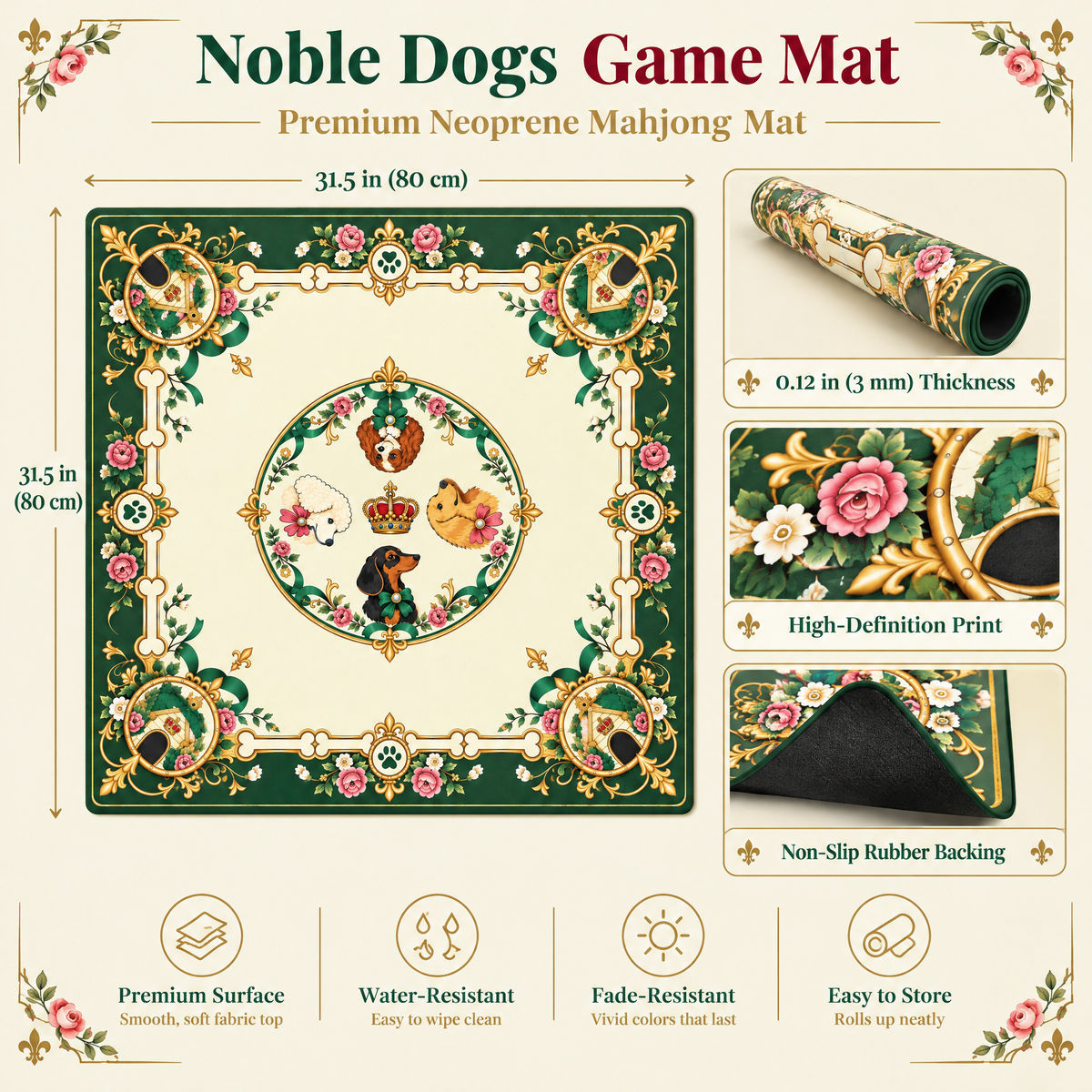
For deeper preparation, read our how to play American mahjong guide and explore mahjong mats that simulate tournament-grade play surfaces at home. Many tournament veterans recommend engraved sets with titles for morale and pride—they're just as legal and often become conversation pieces at events.

FAQ
Do I have to join a club before I can play in a Texas tournament?
No. Most tournaments welcome drop-in players. Some clubs require annual membership; others charge a per-tournament entry fee. Call your venue ahead to confirm entry requirements.
Can I use a 160-tile set in a tournament?
Yes. American mahjong tournaments always use exactly 152 tiles and 8 jokers per game; the extra tiles in a 160-tile set stay aside as spares. Your set is legal as long as it includes all 152 playing tiles.
What happens if I call Mahjong but my hand is wrong?
You lose that round. The tournament director verifies your hand before accepting it. If it doesn't match the card, you pay all opponents and play ends. No corrections are allowed once a hand is exposed.
Can beginners really compete against experienced players in the same tournament?
Many tournaments offer beginner and advanced brackets, so you compete within your level. Even in open tournaments, beginners often hold their own—the card is the great equalizer, and luck plays a role every hand.
How much does it cost to enter a typical Texas tournament?
Entry fees vary by venue and format. Contact your local tournament director or community center for current fees; most are modest enough to encourage participation.
What's the best way to prepare if I've only played at home?
Play weekly games with your tournament set, practice reading the card until you're fast, time yourself on every turn, and learn the formal Charleston. Train exactly as you'll play—that's the secret to staying calm under pressure.


View More
View More
View More
