
Where to Learn Chinese Mahjong: Rules, Variants & Resources
Last updated: Nov 23, 2026
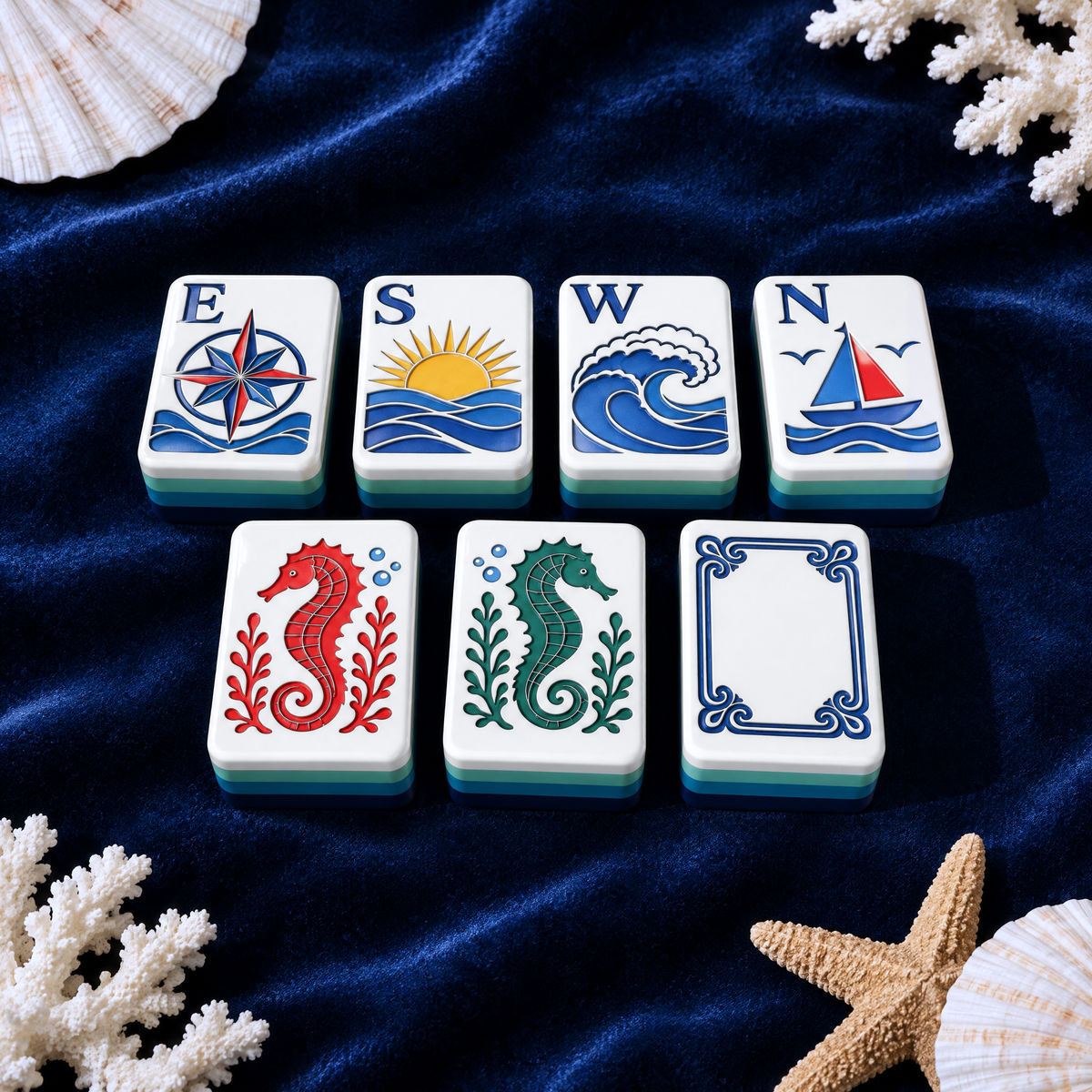
Chinese mahjong comes in three main regional styles: Cantonese (Hong Kong), Sichuan, and Taiwanese, each with different tile sets, hand patterns, and scoring systems. You can learn through community centers, libraries, cultural associations, online platforms like YouTube tutorials and dedicated mahjong apps, or private tutors in cities with large Chinese communities. Most learners spend 4–8 weeks mastering basic rules and hand recognition before playing seriously. Cantonese mahjong uses 144 tiles, eliminates flowers, and emphasizes melds; Taiwanese adds tiles and unique scoring; Sichuan uses simpler hand structures. Unlike American mahjong—which uses a fixed annual card and only exposes pungs or kongs—Chinese variants rely on memorizing hand types and allow sequences (chows) as exposed melds. A quality tile set and a laminated reference chart (often free online) are your only essential purchases; we carry durable acrylic sets if you want them engraved for personal use later.
Learning Chinese mahjong opens a deeper game than American mahjong: instead of following a single year's card, you memorize hand structures and develop strategic judgment. Whether you're starting from scratch or transitioning from American play, this guide maps the clearest path in your city and at home.
Which Chinese mahjong variant should you start with?
Cantonese (Hong Kong) mahjong is the entry point for most English-speaking learners—widest YouTube coverage, most tutors in Western cities, and simplest rule progression. Taiwanese mahjong uses more tiles and offers faster gameplay once you know Cantonese basics. Sichuan mahjong prioritizes speed and aggression; attempt it only after solid fundamentals. Start Cantonese, then branch out if your game group already plays a different style.
🀄 Shop best-selling mahjong sets →

Where can you find live Chinese mahjong classes or groups in your city?
Community centers, public libraries, and cultural associations (Chinese, Vietnamese, Filipino) often host free or low-cost drop-in games or lessons on weekday evenings or weekends. Search your city's parks-and-recreation website or library calendar for "mahjong club" or "Chinese games"; call ahead to confirm they teach newcomers and which variant they play. Senior centers frequently welcome younger players. Meetup.com and local Facebook groups list casual game nights. If your city lacks formal programs, ask at dim sum restaurants or Asian grocery stores for word-of-mouth connections; regulars often know where games meet. Start by observing a session without playing to understand pace and house rules before joining.
Can you learn Chinese mahjong online?
YouTube channels dedicated to Cantonese mahjong (search "Hong Kong mahjong tutorial") offer free, step-by-step rulesets and hand-recognition drills; many are taught in English or with English subtitles. Mahjong apps (both paid and free) let you practice tile recognition and basic hand completion against AI opponents on your phone—useful for commute study. Online multiplayer platforms allow live games, though they assume you already know rules. Combine video lessons with app practice for 2–3 weeks before attempting a live table; the tactile speed of physical play feels different from screens. Online learning suits people with no local groups, irregular schedules, or who want to preview rules before investing in a set and attending live games.
What are the core differences between Chinese and American mahjong rules?
Rule Element | American | Chinese (Cantonese) | Why It Matters |
Tile count | 152 | 144 | Chinese hands are tighter; American uses more jokers |
Flowers | 8 tiles (drawn, bonus) | 0 tiles | American trades Flowers for extra Jokers; Chinese uses pure number/honor structure |
Sequences (chows) | Forbidden; no exposed calls | Allowed; must be exposed | Chinese strategy involves sequence combos; American relies only on pungs/kongs |
Pair rules | Joker pairs forbidden; only honor/number pairs | Joker pairs allowed; honor pairs value varies | Chinese scoring rewards honor pairs; American penalizes joker pairs |
Hand source | National Mah Jongg League card (annual) | Memorized hand types (80–120+ per variant) | American = structured reference; Chinese = pattern recognition |
Discard safety | Limited ("safe" discards per card) | Full memory (which tiles played, what hands remain) | American reduces guessing; Chinese rewards table memory |
Joker usage | 8 jokers in play (fixed); substitute only in melds | 0–8 jokers per house rules; vary by region | American standardizes; Chinese adapts locally |
Chinese mahjong demands memorization and rapid inference; American mahjong favors methodical card reading and risk management.
🎁 See our most-loved mahjong sets & accessories →

What equipment do you actually need to start learning?
A physical tile set is essential: handling tiles at speed builds muscle memory that apps cannot replicate. Standard Chinese sets cost modest amounts and come with a rack and dice. A laminated hand-reference chart (available free online in PDF or from tutors) accelerates learning—bookmark it on your phone. No costly custom equipment required. Once you're playing regularly and want a set that lasts, quality acrylic sets with durable racks reduce wear and are easy to clean between games. Many groups supply their own sets, so ask before buying; borrow or rent first if possible.
How long does it take to play your first full game?
Expect 3–6 weeks of casual weekly learning (2–3 hours) to grasp Cantonese hand recognition and basic strategy. Your first full 4-player game will feel slow—veteran players sit through 60–90 minutes of play; your table may take 2–3 hours initially. Speed comes with repetition and pattern recognition. Most learners play competently after 8–12 weeks of regular play. Don't expect to win immediately; focus on legal hand completion and discarding safely. Mistakes are normal and are how you learn house rules and table etiquette.
What to check before you buy a set
Tile clarity: Can you read numbers and suit symbols at arm's length without squinting?
Rack durability: Does the rack hold 13 tiles without sagging or tiles tipping forward?
Dice weight: Do included dice feel balanced, or do they favor one side?
Spare tiles: Does the set include replacement tiles in case one cracks?
Storage: Does it come with a bag suitable for transport between game venues?
✨ Find your Mahstead set — free US shipping →
How does learning Chinese mahjong compare to American?
American mahjong is a fixed-card game: you follow the National Mah Jongg League card released each spring, which eliminates memory burden and appeals to players who want rule certainty. Chinese mahjong is skill-and-memory intensive; there is no official card. American games take 45–60 minutes once all players know the card; Chinese games depend on hand difficulty and player speed. If you prefer structure and quick learning, American suits you. If you enjoy pattern recognition, strategic depth, and cultural immersion, Chinese rewards that effort. Many players enjoy both: the tactical difference keeps the game fresh.

FAQ
Is Cantonese mahjong harder than American mahjong?
Both are hard, but differently. Cantonese requires memorizing 80+ hand types and reading opponent discards; American requires mastering one annual card and probability. Most American players find Cantonese takes 2–4 weeks longer to play confidently, but the strategic ceiling is higher once learned.
Can I use an American mahjong set to learn Chinese mahjong?
No. American sets have 160 tiles (including flowers and extra jokers); Cantonese uses 144 tiles with no flowers. The tile structure and hand patterns don't align. Buy or borrow a Chinese set; they're inexpensive and essential to learn correctly.
What's the easiest Chinese mahjong variant for English speakers?
Cantonese (Hong Kong) mahjong. Most English-language tutorials, apps, and online communities focus on Cantonese rules. After 2–3 months of Cantonese play, transitioning to Taiwanese or Sichuan is relatively straightforward since the core tile and meld logic remains the same.
Are there free Chinese mahjong apps that actually teach the rules?
Yes. Search app stores for "Hong Kong mahjong" or "Cantonese mahjong"—several free apps include tutorials and AI practice. Start with a tutorial app, then move to multiplayer apps once you recognize hands consistently. Combine app practice with one live lesson to confirm you understand at the table.
How do I find a mahjong tutor in my area?
Call or visit local community centers, libraries, and cultural associations in person and ask directly. Post on neighborhood Meetup groups or Facebook community pages. If your city has a sizeable Chinese diaspora, ask at dim sum restaurants or community bulletin boards. Many tutors teach informally through word-of-mouth; one connection usually leads to others.
Do I need to learn Cantonese language to play Cantonese mahjong?
No. Mahjong terminology is minimal and translatable; English speakers play Cantonese mahjong fluently. Knowing a few Cantonese hand names (e.g., "pung" for a triplet) is useful but not essential—English equivalents work at most tables.


View More
View More
View More
