
Are Expensive Mahjong Tiles Worth It? A Buyer's Guide
Last updated: Nov 23, 2026
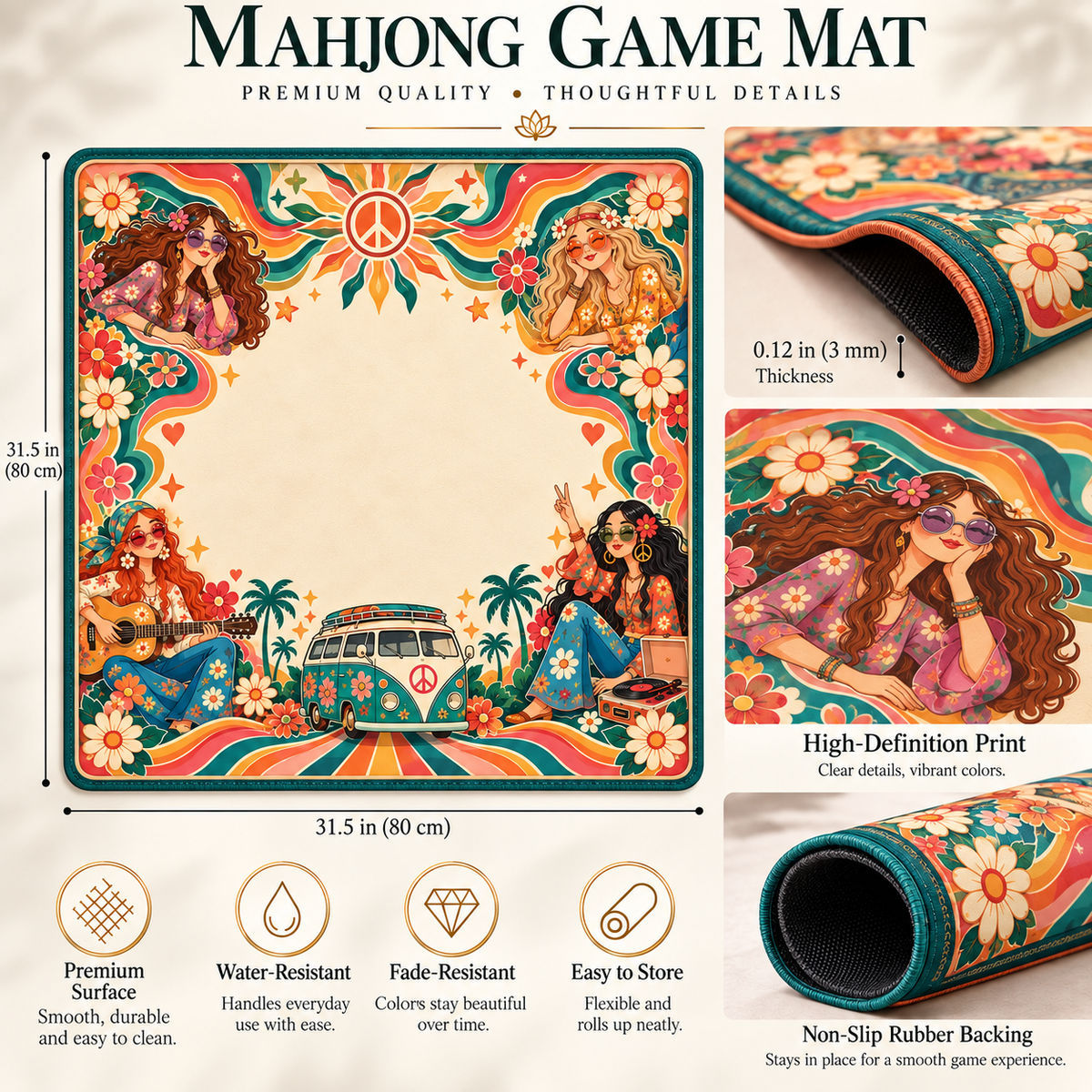
American mahjong tiles range widely in price depending on material (acrylic, bone, bamboo), engraving method, and whether the set includes custom designs. Acrylic tiles are durable, affordable and standard for most home players; bone or bamboo cost significantly more but feel premium in hand and age beautifully. Engraving depth matters: deeper cuts stay legible after years of shuffling; shallow or printed details fade. Our engraved American mahjong sets use precision engraving so symbols remain crisp through hundreds of games. Check whether the set includes all 152 tiles plus 8 jokers, a mat, racks with pushers, and a travel bag—bundled sets often deliver better value. Buy from sellers who stock American-standard 160-tile configurations (152 playing tiles plus spares) so replacement tiles are available if needed. 🀄 Shop best-selling mahjong sets →
What makes one mahjong tile set cost twice as much as another?
Price differences stem from material, engraving method, tile thickness, and finish quality. Acrylic tiles cost less and suit casual weekly games. Bone or bamboo command higher prices because they're hand-processed, more fragile to manufacture, and carry aesthetic prestige. Engraving also varies: laser engraving creates permanent, sharp marks; shallow relief or paint-on designs fade. A mid-range acrylic set with precision engraving outlasts a budget set with printed symbols. Tile thickness (usually 8–10 mm) affects durability and shuffle feel; thicker tiles cost more to produce but resist chipping. Custom designs or personalized engravings add labour and setup costs. If you host weekly games, durability matters more than prestige—invest in deeper engraving and quality finish rather than exotic materials alone.

Which tile material lasts longest in a home game?
Acrylic dominates American home mahjong because it resists humidity, temperature swings, and shuffling wear. Bone yellows over decades and can develop hairline cracks if stored dry; bamboo splinters if edges aren't sealed. Acrylic remains stable: faces don't fade, backs don't warp. Our best-selling mahjong sets use food-grade acrylic with precision engraving, tested through hundreds of games. Thickness matters—tiles under 8 mm chip more easily. Finish quality (smooth vs. textured) also affects longevity; a matte finish resists fingerprints and glare but catches shuffles gently, while glossy tiles slide faster (some players prefer the speed). For a set played twice weekly over five years, acrylic with deep engraving outperforms budget bone or bamboo by a factor of three in observable wear. Store your set in a cool, dry place away from direct sun to preserve engraving clarity.
🎁 See our most-loved mahjong sets & accessories →
Should I pay extra for custom engraving or personalization?
Custom engraving adds 10–20% to the cost but creates a lasting keepsake and deters tile mix-ups during neighborhood games. Engraved names, club logos, or family crests stay legible for decades if the engraving is deep and sharp. Shallow personalization (0.5 mm relief) fades within two years; precision engraving (1–2 mm) survives shuffling and humidity. If you're buying a set for a tournament group or a multigenerational family tradition, personalization justifies the premium. For a casual Thursday-night game that rotates hosts, a standard set costs less and works just as well. Consider also that engraved sets resale poorly—most buyers prefer unadorned tiles they can claim as their own. Our custom engraving service uses deep-cut laser work so your design won't blur. If you're gifting a set, verify the recipient actually plays and will use it weekly; otherwise, a generic set is more practical.
How do you know if a tile set is made to American mahjong standards?
American mahjong requires exactly 152 playing tiles plus 8 jokers—144-tile or 166-tile sets don't fit the game. Verify the tile list: three suits (Bams, Craks, Dots) × 1–9 × four copies each (108 tiles), plus 16 winds (four each: North, East, West, South), 12 dragons (four each: Red, Green, White), 8 flowers, and 8 jokers. A 160-tile set includes 152 playing tiles and spare tiles (extra jokers or blanks) for replacement; these spares never go into play. Check that jokers are plain (no suit printed on them) because the National Mah Jongg League rules ban jokers in single-tile melds. Winds and dragons should be clearly labeled so new players don't confuse them. If the listing doesn't specify tile count or suit names, email the seller before buying. Our engraved American mahjong sets follow strict American standards, and every set includes a rule guide so your group plays consistently.
What extras should you buy along with an expensive tile set?
A high-quality tile set demands matching accessories to protect your investment. A mahjong mat with raised edges keeps tiles from sliding during the Charleston and shuffling. Racks with pushers let players organize and reveal tiles smoothly, reducing accidental exposure. A padded travel bag or case prevents chips and cracks during transport—critical if your group rotates hosts. Dice (two, sometimes three) are essential for choosing East and determining the break. A tile rack with poor fit or pushers that stick will frustrate users and reduce the value of premium tiles. Many sellers bundle sets with mats, racks, and bags at a modest discount compared to buying separately; these bundles often make financial sense and ensure all components fit well together. If your set came without a mat, one is nearly essential for maintaining tile alignment during active play.
What to Check Before You Buy
Tile count: Verify 152 playing tiles (not 144 or 166) plus 8 jokers and any spares listed separately.
Engraving depth: Look for photos or descriptions of engraving relief (1–2 mm is typical for precision; under 0.5 mm fades quickly).
Acrylic thickness: 8–10 mm resists chipping; lighter tiles often show edge wear within two years.
Suit labels: Confirm Bams, Craks, Dots, winds (N/E/W/S), and dragons (Red/Green/White) are present and clearly marked.
Joker design: Plain jokers are standard; printed jokers may confuse beginners.
Shipping and returns: Check whether the seller packs sets in protective padding and accepts returns if tiles arrive damaged.
Spare tile availability: Ask if the seller stocks replacement tiles for future repairs—this matters for expensive sets.

Do premium bundles (set + mat + racks + bag) offer real savings?
Bundled sets typically cost 15–25% less than buying components separately, making them economical for new groups. However, the savings only matter if you need all components. A weekly game hosted at the same house might skip the travel bag; a tournament group won't use a beginner's mat. Compare the bundled price against buying your preferred tile set alone and adding only essential accessories later. Our best-selling mahjong sets often pair high-quality tiles with durable mats and racks matched to the tile size and thickness, so the bundle is engineered for compatibility. If you're starting a new group, a bundle saves money upfront and guarantees everything fits. If you're upgrading an existing setup (replacing worn tiles, for example), buying tiles alone is usually cheaper.
Tile Type | Best For | Durability (years) | Custom Engraving | Cost Basis |
Budget acrylic | Casual play, learners | 3–5 | No | Entry level |
Standard acrylic | Home groups, weekly play | 7–10+ | Yes (optional) | Mid-range |
Bone (unsealed) | Collectors, low-humidity storage | 5–8 | Difficult | Premium |
Engraved acrylic premium | Tournament, gifts, long-term use | 10+ | Yes (included) | Mid-to-high |
✨ Find your Mahstead set — free US shipping →
Are branded or designer mahjong sets genuinely better than unbranded?
Brand reputation often reflects consistency in engraving sharpness, thickness tolerance, and finish uniformity—factors that affect gameplay feel rather than game legality. An unbranded set can be excellent; a branded set can disappoint if it cuts corners on engraving or packaging. Look for brand sellers who publish their tile specifications (thickness, material, engraving depth, Bam/Crak/Dot examples) and offer returns. Small-batch makers often deliver superior custom work because quality control is tighter. Large-scale manufacturers sometimes skimp on engraving precision to hit low price points, making their tiles fade faster. Avoid sets with vague descriptions like "classic" or "premium" without specifics. A reputable seller will show close-up photos of engraved symbols, tile edges, and jokers. Our engraved American mahjong sets are made in small runs with verified American standards and precision engraving—we back them with detailed photos so you know exactly what you're ordering.
Should you buy an expensive set if you're a beginner?
Beginners benefit more from a mid-range standard-acrylic set than from expensive bone or high-design artisan tiles. Learning the game requires reading tile faces clearly, which any acrylic set with decent engraving provides. Expensive tiles add pressure to play carefully, which can inhibit learning. A beginner group also rotates players—some may drop out—so sunk cost in premium materials feels wasteful. Buy a solid standard acrylic set with clear engraving and matching racks and mat; upgrade to premium tiles only after six months of weekly play if the group remains stable. High-quality racks and a good mat matter more for beginner comfort than expensive tiles do. Beginners also need a strategy guide and access to the current National Mah Jongg League card, neither of which correlates with tile cost. Once your group is established, you'll know whether deeper engraving, a custom design, or a particular aesthetic is worth the extra expense for your specific community.
How do replacements and repairs work for expensive tile sets?
Reputable sellers stock replacement tiles so worn or lost tiles don't require buying an entire new set. Before purchasing, ask the seller whether individual tiles are available for purchase and at what cost. Some sellers bundle replacement jokers and blanks with every set; others charge for replacements later. Tile thickness and finish must match the original set, which becomes difficult if the manufacturer stops producing that model. Our sets include spare tiles in the box for this reason. Chip repairs are permanent—tiles can't be re-engraved—so handle expensive sets with padded racks and storage. A travel bag protects tiles during transport. If a tile becomes lost or severely damaged, replacing it from stock costs significantly less than a new set but still stings financially. For expensive bone or bamboo sets, damage is irreversible. This argues for buying acrylic if you play actively; bone and bamboo suit display and occasional ceremonial play more than weekly home games.
🎁 See our most-loved mahjong sets & accessories →

FAQ
What's the difference between a 152-tile set and a 160-tile set?
A 160-tile set contains 152 playable tiles (exactly what American mahjong requires) plus 8 spare tiles (extra jokers or blanks) kept outside play. Spares replace lost or damaged tiles later. American games always use exactly 152 tiles; the spares are never added to the game. Buy only 160-tile sets that meet American standards.
Can I use engraved tiles if I play both American and Hong Kong mahjong?
American and Hong Kong mahjong use incompatible tile sets (American has 152 tiles; Hong Kong uses 144 tiles and no jokers). Engraving doesn't change that. Buy a separate American set for American games and a Hong Kong set for Hong Kong games. Engraving on an American set is permanent and won't confuse gameplay within the American rules you play.
How long does precision engraving stay clear during regular play?
Deep laser engraving (1–2 mm relief) resists fading through 500+ games over five years of active weekly play. Shallow or printed symbols fade within two years. Check product descriptions for engraving depth; Mahstead uses precision laser engraving that maintains clarity indefinitely with normal care.
Is buying a set online risky if I can't see tiles in person?
Yes—tiles can arrive damaged or with shallow engraving. Buy from sellers who publish close-up photos of the engraved Bam bird, Crak symbol, and Dot dots, plus edge quality and finish. Confirm they accept returns if tiles are damaged or misrepresented. Mahstead ships sets with protective padding and photographs every angle of the tiles before packaging.
Should I store an expensive mahjong set in its case year-round?
Yes, if the case is dry and temperature-stable. Humidity warps bone tiles and can dull acrylic engraving over years. A padded travel case or a sealed plastic bin in a cool closet works well. Avoid attics, basements, and windowsills. Acrylic is most resistant to storage damage; bone and bamboo are fragile long-term.
Can I mix an expensive tile set with cheap racks or a thin mat?
You can, but poor racks reduce the value of premium tiles. Cheap pushers stick or slip, ruining the shuffle feel. A thin mat allows tiles to slide during the Charleston. Invest in matching racks and a quality mat proportional to your tile cost. A mid-range tile set with premium racks and mat plays better than premium tiles with poor accessories.


View More
View More
View More
