
Mahjong Tournaments in St. Louis: Where to Play & How to Compete
Last updated: Nov 23, 2026
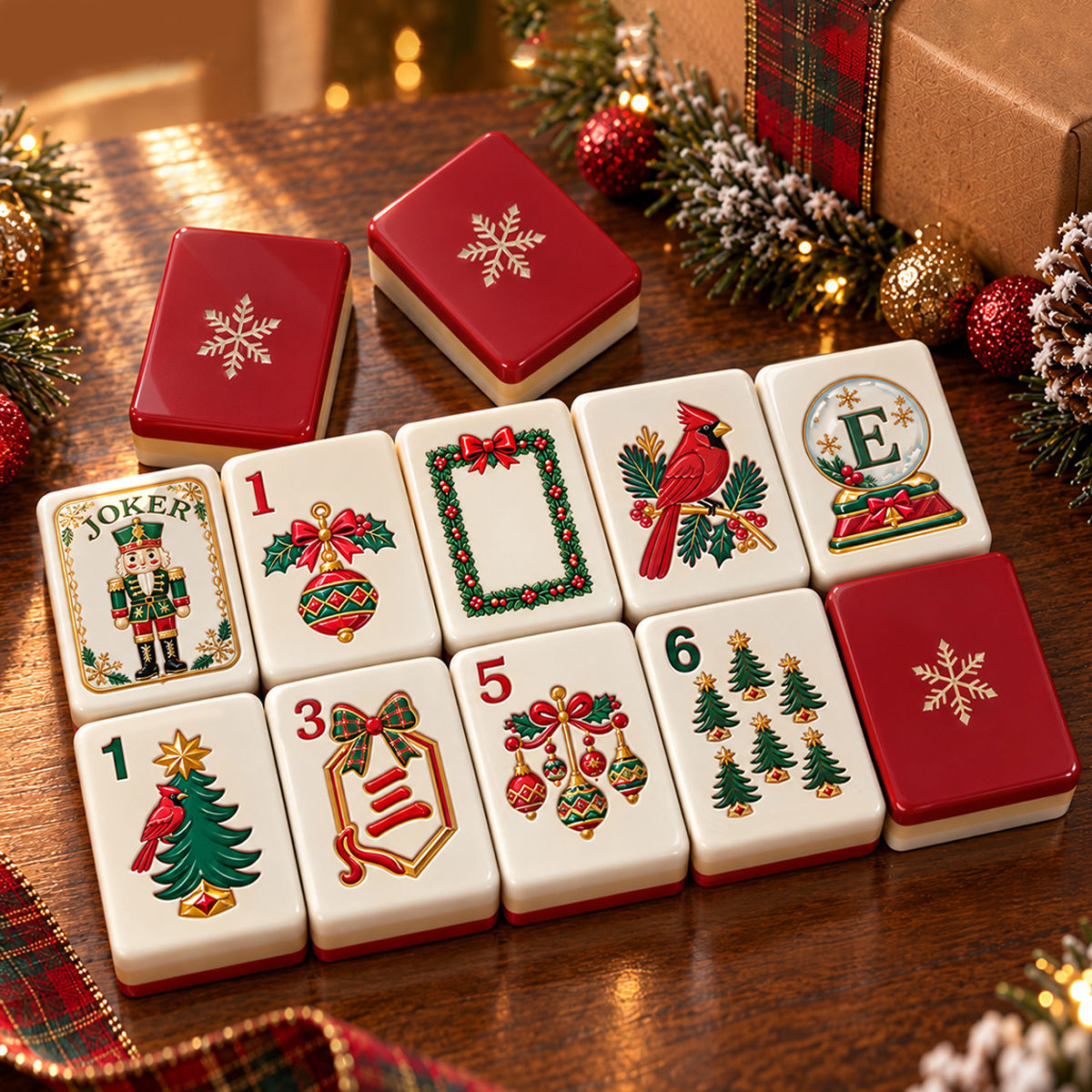
St. Louis players can find mahjong tournaments through community centers, libraries, synagogues, and country clubs—contact your local recreation department or search meetup boards for current schedules. The National Mah Jongg League sanctions tournaments held throughout the year; tournaments typically run 4–8 rounds over a full day. American mahjong tournaments always use the current year's league card, 152 playing tiles plus 8 jokers, and strict hand-verification rules. Beginners can start at casual weekly games, which usually meet evenings or weekends and require only the basic rules and a working set.
Where do St. Louis mahjong tournaments happen?
St. Louis community centers, public libraries, and local synagogues regularly host tournament events and weekly game nights. Many games are advertised on Meetup or Nextdoor; calling your city's parks-and-recreation office is the fastest way to get current schedules. Country clubs and senior centers also run tournaments, often with lower-pressure beginner sections. Check bulletin boards at community hubs or ask at a casual game—established players know upcoming events weeks in advance and welcome new faces.

What should a first-time tournament player expect?
Tournament days usually begin with a short rules briefing and hand-drawing assignments. You'll play 4–8 rounds (each lasting 15–30 minutes) with different opponents, rotating seats. Between rounds you'll have a 10-minute break. The scoring is cumulative across all rounds; final rankings post at the end of the day. Expect a mix of skill levels, friendly banter, and strict table rules—jokers must stay in hand or be declared, hand verification is mandatory, and the current year's league card is law. Bring water, a pen, and patience with tile shuffling.
What's the difference between casual play and tournament rules?
Casual weekly games often skip joker penalties, allow house rules, and may use older league cards or no card at all. Tournaments require the current-year card only, enforce strict hand verification before any payout, impose joker placement rules, and penalize illegal plays immediately. Scoring follows the league's exact point values—no negotiation. The table talk is looser in casual games; tournaments demand you call "mahj" or "pung" clearly before exposing tiles. Most players find tournaments more intense but fairer, since everyone follows identical rules and the game is truly neutral.
How do you prepare for your first St. Louis tournament?
Study how to play American mahjong and learn to read the current year's league card—this is non-negotiable. Play at least 6–8 casual weekly games so you're comfortable with pace, shuffling, and calling hands. Memorize the Charleston ritual (the tile-passing sequence before play starts) and practice it until it's automatic. Bring a pen to note scores and a small notebook to jot winning hands you see—you'll start spotting patterns. Arrive 15 minutes early, watch a round if possible, and ask a referee one rules question before you sit down.
Preparation Checkpoint | What to Do | Why It Matters |
Learn the rules | Study American mahjong basics and the current year's league card | Tournaments move fast; confusion slows the table and frustrates others |
Play weekly first | Attend 6–8 casual games before entering a tournament | You'll learn pace, hand recognition, and table etiquette without pressure |
Know the Charleston | Practice the pre-game tile exchange until it's automatic | A clumsy Charleston wastes time and signals you're unprepared |
Bring supplies | Pen, small notepad, water, and your own set if allowed | Organizers rarely provide extras; you'll want to track hands and stay hydrated |
Arrive early | Show up 15 minutes before your first round | You'll see how tables run, ask questions, and find your seat stress-free |
🀄 Shop best-selling mahjong sets →

What equipment do you need to bring or expect at a tournament?
Most St. Louis tournaments provide a standard 160-tile set (152 playing tiles plus spares), a mat, and racks at each table. You can bring your own set if tournament rules permit—check the event listing beforehand. A personal set should have clear, consistent tile markings and durable acrylic or bone tiles so pung calls are unmistakable. We recommend sets from our best-selling collection if you're buying one; engraved sets with clear suit symbols help newer players recognize hands faster. Bring a small pen for note-taking and wear comfortable clothes—tournament rooms can run cool, and you'll be sitting for 4+ hours.
What to check before you buy a mahjong set for tournaments
If you're buying your first set, verify that all 152 playing tiles are clearly marked (dots, bams, and craks must be instantly recognizable under fluorescent light). Acrylic tiles are louder and more visible than bone; both are tournament-legal. Check that your set includes at least 8 jokers—a 160-tile set includes spares, which is standard. Look for consistent sizing; tiles that vary slightly in thickness will snag on racks. If you'll be traveling to tournaments, consider a set with a padded bag; our travel bags and cases fit a full set with room for a mat and racks.
🎁 See our most-loved mahjong sets & accessories →
How do you score and win in a St. Louis tournament?
Tournament scoring follows the National Mah Jongg League card exactly: each winning hand is worth a base point value (2–5 points typically), multiplied by the number of rounds you play. Your score is cumulative; the player with the highest total after all rounds wins. Tied hands within a round split points. If you go without mahj (a blank), you score zero for that round. Scoring sheets are posted on the wall or announced after each round. The top three finishers usually receive recognition; some tournaments offer small prizes based on entry fees. The league card is the final authority on which hands are valid—no hand you "see" counts unless it matches exactly.
How do you find and join a St. Louis mahjong club for regular play?
Search Meetup for "mahjong St. Louis" or check your city or county parks-and-recreation website for ongoing game schedules. Many clubs meet weekly at community centers or synagogues on Tuesday or Thursday evenings; some add weekend games. Attend one session as a guest—most clubs allow this free or for a nominal fee. Bring a friend if you're nervous; the table will explain house rules, introduce you to the group, and guide you through your first game. Ask for a club contact if you'd like to join the text chain or email list. Established St. Louis players are generally welcoming and patient with newcomers who show respect for the game.
✨ Find your Mahstead set — free US shipping →

FAQ
Do I need to know how to play before I attend my first St. Louis tournament?
Yes. Study how to play American mahjong, the current year's league card, and the Charleston. Attend 6–8 casual games first. Tournaments move quickly; arriving unprepared frustrates your table and ruins your experience.
What is the National Mah Jongg League and why does it matter?
The League issues the official league card every spring; it lists all legal winning hands for that year. American mahjong tournaments use only the current year's card. You must carry a copy or have one at your table; referees enforce this strictly.
Can I bring my own mahjong set to a St. Louis tournament?
Most tournaments allow it, but check the event rules beforehand. Your set must have all 152 playing tiles, 8 jokers, and clear markings. Verify with the organizer that acrylic or bone tiles are acceptable; some tournaments prefer one over the other.
How much does it cost to enter a St. Louis mahjong tournament?
Entry fees vary by event and organizer; check the specific tournament listing for amounts. Most are modest and go toward venue rental and prizes. Contact your local community center or parks department for fee schedules.
What if I make a mistake calling a hand at a tournament?
A referee will catch it during hand verification—this happens before you take any points. If your hand doesn't match the card, you score zero for that round and play continues. It's not a penalty, just part of the game. Always call "mahj" clearly and wait for the ref to check before exposing tiles.
Are there beginner-only tournaments in St. Louis?
Some events have a beginner section or a low-score division. Ask your community center or the parks department; they'll know which tournaments welcome first-timers. Otherwise, join a weekly casual game for 8–12 weeks, then enter an open tournament where you'll be grouped with players at your level.


View More
View More
View More
