
Mahjong Tournaments in Richmond: Where to Play & Get Ready
Last updated: Nov 23, 2026
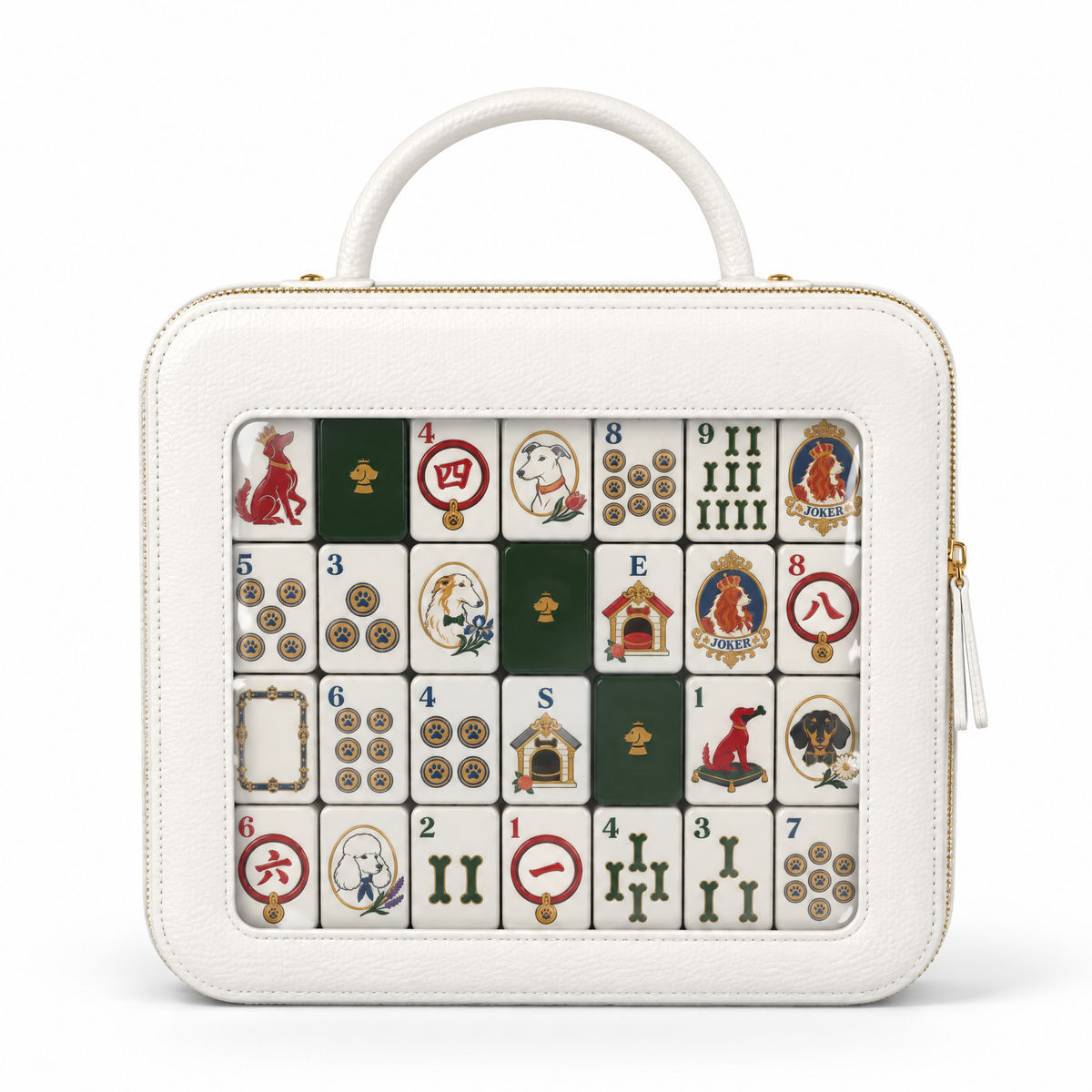
Richmond hosts mahjong tournaments and weekly games through community centers, synagogues, libraries, and country clubs—search your local venues' event calendars or check community meetup boards for American mahjong groups. Most tournaments follow National Mah Jongg League (NMJL) rules and happen seasonally (spring and fall are peak). Cost typically ranges from an entry fee (usually modest) plus refreshment fees per session. Players need a current-year NMJL card, a 152-tile American set, pushers, and a mat; our best-selling sets combine durable acrylic tiles and built-in racks for tournament play. Before entering a tournament, verify the format (8-player or team round-robin), tile count, joker rules (always 8 in American mahjong), and whether you supply your own set or use theirs. 🀄 Shop best-selling mahjong sets →
How do I find mahjong tournaments near Richmond?
Most tournaments are advertised through community centers, libraries, synagogues, and country clubs in your area—call ahead or check their events page online. Meetup boards and Facebook groups dedicated to Richmond mahjong also post tournament dates and casual game sessions. Check whether events are year-round or seasonal; many clusters around spring and fall when energy is highest.

What format do Richmond tournaments typically use?
American mahjong tournaments in Virginia usually follow National Mah Jongg League rules: four-player tables, 152 tiles plus 8 jokers, one hand per player drawn from the current-year NMJL card, and scoring based on tile combinations and winds. Some venues run round-robin (each player sits at every direction multiple times), while others use head-to-head team brackets. Confirm the exact setup when you register—it changes by venue and season.
What's the difference between casual and tournament play?
Casual games are relaxed, no clock pressure, often house rules mixed in. Tournaments are timed (usually 15–20 minutes per hand), strictly NMJL rules, formal scoring recorded, and prizes awarded to top finishers. Tournament play rewards speed, memory of the card, joker discipline, and quick calls—casual play lets you chat and learn. If you're new, start casual; once comfortable with the basics, tournaments sharpen your tile sense and strategy.
What equipment do I need to bring or buy?
A tournament-ready player should have: a current-year National Mah Jongg League card, a 152-tile American mahjong set with pushers and rack, a personal mat (if the venue doesn't provide one), and a small bag for transport. Many venues supply mats and tiles, but bringing your own racks, pushers, and a familiar set boosts comfort and speed. Our engraved sets with titles are popular with serious players because they're compact, fast to shuffle, and hold their grip through dozens of games.
Gear | Why it matters | Venue supplies? | Personal pick? |
NMJL card | Legal hand reference—required | Never | Get current year |
Mahjong set (152 tiles) | Playing surface—affects speed & accuracy | Sometimes (verify first) | Yes, own helps consistency |
Racks & pushers | Organize tiles, prevent accidental shows | Rarely | Yes, faster play |
Mat or table cover | Protects tiles, defines play space | Sometimes | Nice-to-have; comparison guide |
Carry bag or case | Transport set safely, professional look | Never | Yes, if traveling |
🎁 See our most-loved mahjong sets & accessories →

What common mistakes do new tournament players make?
Wrong tile count: Bringing a 144-tile or Chinese set instead of 152-tile American. Check your set's tile count before the tournament.
Losing or misplacing the NMJL card: The card is your only legal reference for hands—write your name on it and keep it in your bag at all times.
Joker discipline: Forgetting that American mahjong allows only 8 jokers total and they can never form a pair or single tile. Miscounting jokers costs games.
Slow shuffles and tile placement: Tournament play is timed. Practice quick, clean shuffles and neat tile stacking so you don't lose minutes to setup.
Not knowing your racks: If you use personal pushers or a rack for the first time at a tournament, practice at home. Fumbling with gear eats clock time.
Calling or showing non-legal hands: Before declaring, cross-check your hand against the current card. A premature call wastes your turn and damages credibility.
Step-by-step: What to do before your first tournament
Confirm the date, location, and start time with the venue—call or email directly.
Buy or borrow a current-year NMJL card and keep it with you always.
Verify your set is 152-tile American mahjong—count the tiles or check the box.
Test your racks and pushers at home with a friend; get comfortable with the rhythm.
Arrive 15 minutes early to scope the table, meet other players, and ask quick rule questions.
Ask the tournament director about format, wind order, and scoring rules before sitting down.
Play slowly and call clearly on your first hand—speed comes with repetition.
Keep your card visible and score sheet handy so you can check hands in real-time.
Is American mahjong the only format played in tournaments?
In Richmond venues, American mahjong dominates because it's the most common format in the US and uses the standardized NMJL card. Some clubs may offer Chinese or Riichi mahjong side games, but official tournaments typically follow American rules. If you're interested in other formats, ask the venue director—they may run specialty nights or point you to groups that play them.
Once you've found a tournament and confirmed the rules, invest time in learning how to play American mahjong and how to read the NMJL card. These fundamentals will set you apart. If you're starting from scratch, our mahjong for beginners guide covers the basics—tile names, hand structures, and the Charleston—so you walk in confident.
For gear, many tournament veterans prefer compact acrylic sets that shuffle fast and stack tight. Our travel bags and cases keep your tiles and card safe between sessions, and our mahjong racks with pushers are built for tournament speed—no wobbles, clean lines, one-hand rack management.
✨ Find your Mahstead set — free US shipping →
What to check before you buy gear for tournaments
Tile count: Always confirm 152-tile American mahjong, not 144 or Chinese variants.
Acrylic vs. resin: Tournament players often prefer acrylic for durability and quieter shuffles; check what your venue uses and match it if possible.
Rack fit: Some racks fit standard-size pushers; measure or ask before buying.
Bag interior: If you're traveling, ensure your bag fits your set, pushers, mat, and card without crushing tiles.
NMJL card year: Tournaments use only the current year's card; buy a fresh one each spring.
#

FAQ
Do I have to buy my own mahjong set for tournaments?
No—most venues provide sets for tournament play. Call ahead to confirm. If you prefer your own, bring it and ask the director if you can use it; many welcome familiar sets.
What's the cost of entering a Richmond mahjong tournament?
Entry fees vary by venue and format. Expect a modest registration fee plus optional refreshment or donation fees per hand or session. Contact your local venue directly for exact amounts.
Can I play tournaments if I've never played mahjong before?
Most venues have beginner-friendly or practice sessions before competitive tournaments. Start there to learn the NMJL card and hand recognition, then move to tournaments once you've played 5–10 casual games.
What happens if I make a mistake or call the wrong hand?
Tournament rules vary by venue. Typically, a mis-call forfeits your turn or hand; the director settles disputes. Ask the director for the penalty policy before playing.
Is the NMJL card the same every year?
No—the National Mah Jongg League issues a new card each spring with updated hand patterns and scoring. You must use the current year's card in any official tournament; old cards are not valid.
How fast do I need to shuffle tiles for tournaments?
There's no minimum speed, but most tournament hands are timed 15–20 minutes from draw to call. Practice shuffles beforehand so you're not the slowest player at the table—it keeps the game flowing and builds your confidence.


View More
View More
View More
