
Chinese Mahjong vs American Mahjong: Key Rules & Setup Differences
Last updated: Nov 23, 2026
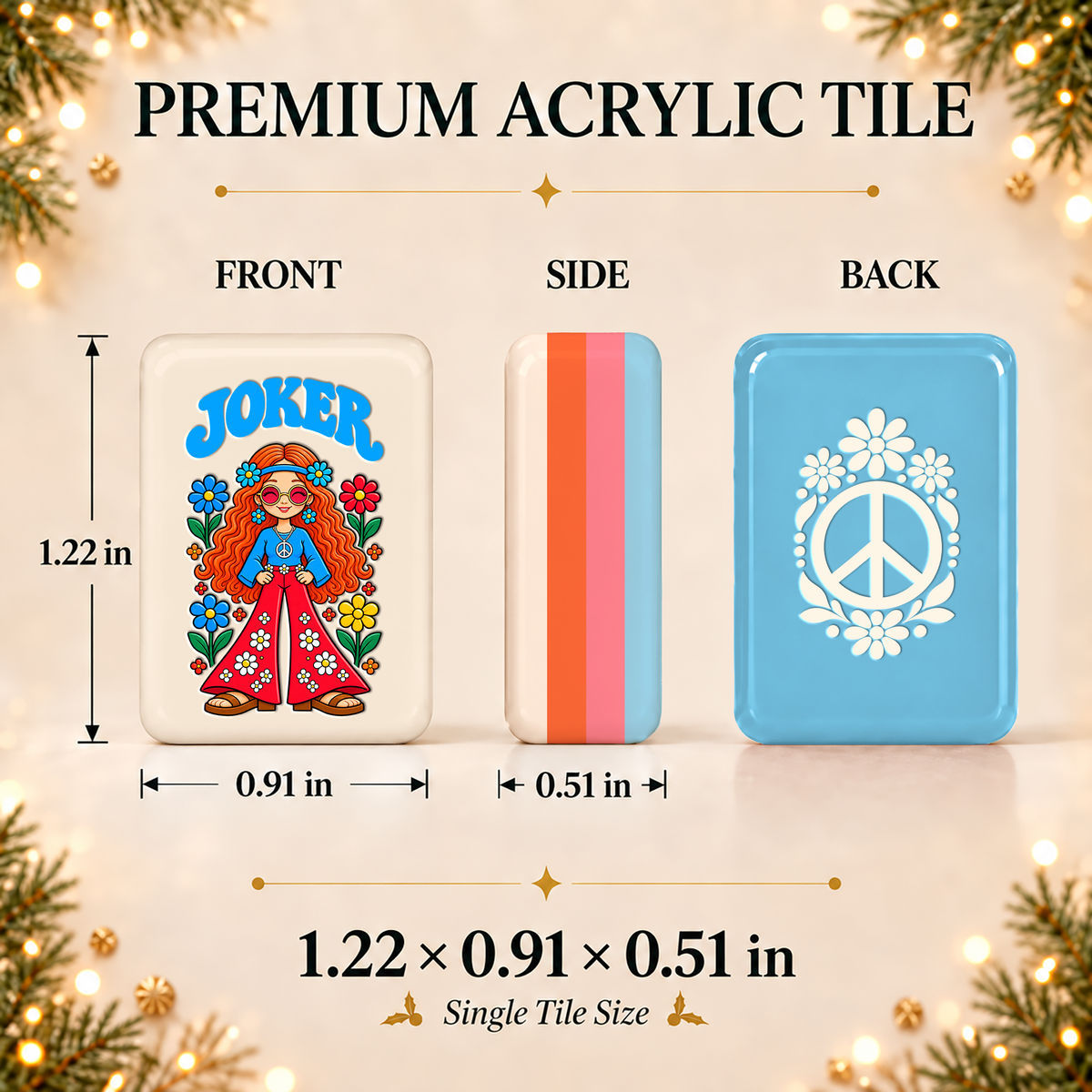
Chinese mahjong (including Cantonese and Taiwanese variants) uses 144 tiles with chows (sequences like 1-2-3), pungs (three identical), and kongs (four identical), all drawable and callable. American mahjong uses 152 tiles plus 8 jokers, requires hands only from the current National Mah Jongg League card, forbids chows entirely, and allows exposure of pungs, kongs, quints, and sextets only—jokers never count as a single tile or pair. Chinese games score based on melds and winning patterns; American scoring follows a published card released each spring. Setup differs too: Chinese uses a wall of 144 tiles; American requires a full 160-tile set (152 playing tiles plus spares) and a Charleston tile-passing ritual before play begins. Choosing depends on your group's preference: Chinese suits experienced players seeking strategic depth; American suits players who enjoy fixed patterns and joker flexibility. We've hosted both and find American easier for mixed-skill groups.
What tiles does each game actually use?
Chinese mahjong starts with 144 tiles: three suits (Bamboo, Character, Dot) numbered 1–9 with four copies each (108 tiles), plus 16 winds (four each: North, East, South, West), 12 dragons (four each of Red, Green, White), and 8 flowers (four pairs). American mahjong uses 152 playing tiles: the same three suits (Bam, Crak, Dot) 1–9 with four copies each, 16 winds, 12 dragons, 8 flowers—plus 8 jokers that substitute for any tile. A standard American set (sold as 160 tiles) includes those 152 playing tiles plus spare tiles. Chinese sets contain exactly 144 tiles; no jokers exist in traditional Chinese mahjong.

Can you play chows in both games?
No—this is the biggest rule difference. In Chinese mahjong, a chow is a sequence of three consecutive numbers in one suit (like 3-4-5 Bamboo); you can draw, call, and expose chows freely. American mahjong has no chows. You may only expose pungs (three identical tiles), kongs (four identical), quints (five), and sextets (six). This forces American play toward visible combinations and limits hidden hands, making it more transparent and faster for casual players.
How do winning hands differ between variants?
Chinese mahjong hands are built from combinations you draw and call; winning requires completing a pung or chow set and meeting a pattern (like "all one suit" or "all terminals and honors"). Scoring varies by variant—Cantonese, Taiwanese, and Riichi each have distinct point systems. American mahjong hands come only from the current year's National Mah Jongg League card, published each spring. You cannot win on a hand not on that card. This removes ambiguity but requires every player to have or memorize the card, making the game more structured and less improvisational.
What's the Charleston and why does American need it?
The Charleston is the tile-passing ritual before American play begins. Each player draws 13 tiles, then passes three tiles to their right neighbor (three rounds total per pass direction: right, left, across). This randomizes starting hands fairly and adds a social element. Chinese mahjong has no Charleston—play begins after drawing 13 tiles. American's Charleston slows setup but ensures a fresh game each time and prevents strategic pre-game conversations from skewing tile distribution.

How do scoring and points work in each?
Chinese mahjong scoring depends on the variant. Cantonese and Taiwanese scoring use point multipliers, melds, and patterns; Riichi mahjong uses a han-fu system (fans and base points). Each has unique bonus calculations for self-drawn wins, honors, and runs. American mahjong scoring is simpler: the National Mah Jongg League card lists point values for each hand (typically 30–60 points for standard hands, higher for rare patterns). All players follow the same card; no debate. Chinese games reward player skill and variant knowledge; American rewards card knowledge and tile reading.
Aspect | Chinese Mahjong | American Mahjong |
Tile count | 144 (no jokers) | 152 + 8 jokers |
Chows allowed | Yes, drawable & callable | No—forbidden |
Exposeable melds | Chows, pungs, kongs | Pungs, kongs, quints, sextets |
Hand source | Player-built from patterns | Current year's League card only |
Pre-game ritual | None | Charleston (tile-passing) |
Scoring basis | Variant-specific melds & patterns | Published card point values |
Skill emphasis | Strategic building & reading | Card memory & pattern recognition |
Best for | Experienced, variant-fluent groups | Mixed skill, rule-consistent play |
🀄 Shop best-selling mahjong sets →
Which variant should your group choose?
If your group loves long-term strategy, reads the game deeply, and doesn't mind learning variant rules, Chinese mahjong (especially Cantonese or Taiwanese) rewards that investment. Games last longer; winning requires both luck and deep tile reading. If your group includes casual players, new learners, or people who play once a month, American mahjong is cleaner—the League card eliminates hand disputes, jokers forgive drawing mistakes, and everyone follows the same rules regardless of background. We've found that mixed-age groups and workgroups lean American; long-time players often maintain both.
What to check before you buy
Decide your variant first. Chinese sets are 144 tiles; American require 160-tile sets (152 playing tiles plus spares). Verify tile size and material. Acrylic sets suit humid climates and travel; bone-and-bamboo sets suit climate-controlled homes. Check the hand card. If playing American, confirm you have the current year's National Mah Jongg League card (updated each spring). Count your players. Four is standard; two or three require modified rules. Choose a mat and racks if hosting weekly. A mahjong mat protects tiles and speeds setup; racks with pushers prevent hand collapse and hand-reading delays.
Our best-selling collection includes American sets with engraved tiles, durable acrylic construction, and free US shipping—ideal if you're starting or upgrading. For travel between weekly games, browse our bags and cases to keep tiles safe and mats organized.
🎁 See our most-loved mahjong sets & accessories →
The practical path forward
Host a pilot game with your group. If everyone has mahjong experience and speaks the same Chinese variant fluently, Chinese mahjong works. If players vary in skill, age, or language, or if no one has a League card yet, American is lower friction. Once you decide, invest in a full 160-tile set (if American), a mat, and racks if you're playing weekly. Document the hand card and rules; consistency matters more than rule perfection in casual play. Most groups that try both stick with one; fewer play both regularly because remembering two rule sets takes mental load our Thursday night crew reserves for reading tiles, not parsing chow definitions.
✨ Find your Mahstead set — free US shipping →

FAQ
Can I use a Chinese 144-tile set to play American mahjong?
No. American requires 160 tiles (152 playing tiles plus spares) and 8 jokers. Chinese sets lack jokers and have 36 fewer tiles, so you cannot complete a full American game.
Do I need to memorize the National Mah Jongg League card to play American?
Every player should have a copy (printed or on phone). You do not need to memorize it, but consulting it to verify winning hands is part of the game; disputes are rare when the card is accessible.
Which game is faster to teach a beginner?
American mahjong is faster because the card removes hand ambiguity and jokers replace missing tiles. Chinese variants require learning melds, patterns, and scoring—a 2–3 hour learning curve vs. 30–60 minutes for American basics.
Can I play Chinese mahjong with jokers?
Traditional Chinese mahjong does not use jokers. Some modern casual groups add jokers as wild cards, but this departs from standard rules and may confuse players familiar with the original game.
Which game is more popular worldwide?
Chinese mahjong (Cantonese, Taiwanese, Riichi) is played by billions in Asia. American mahjong is regional—popular in North America, particularly among diaspora Chinese communities and non-Asian clubs.
What's the main reason American groups prefer their variant?
The published annual card removes hand disputes, jokers reduce bad-luck draws, and fixed rules suit multi-generational and multi-background play—clarity and inclusion over deep strategy.


View More
View More
View More
