
Mahjong Tournaments in Portland: A Player's Guide
Last updated: Nov 23, 2026
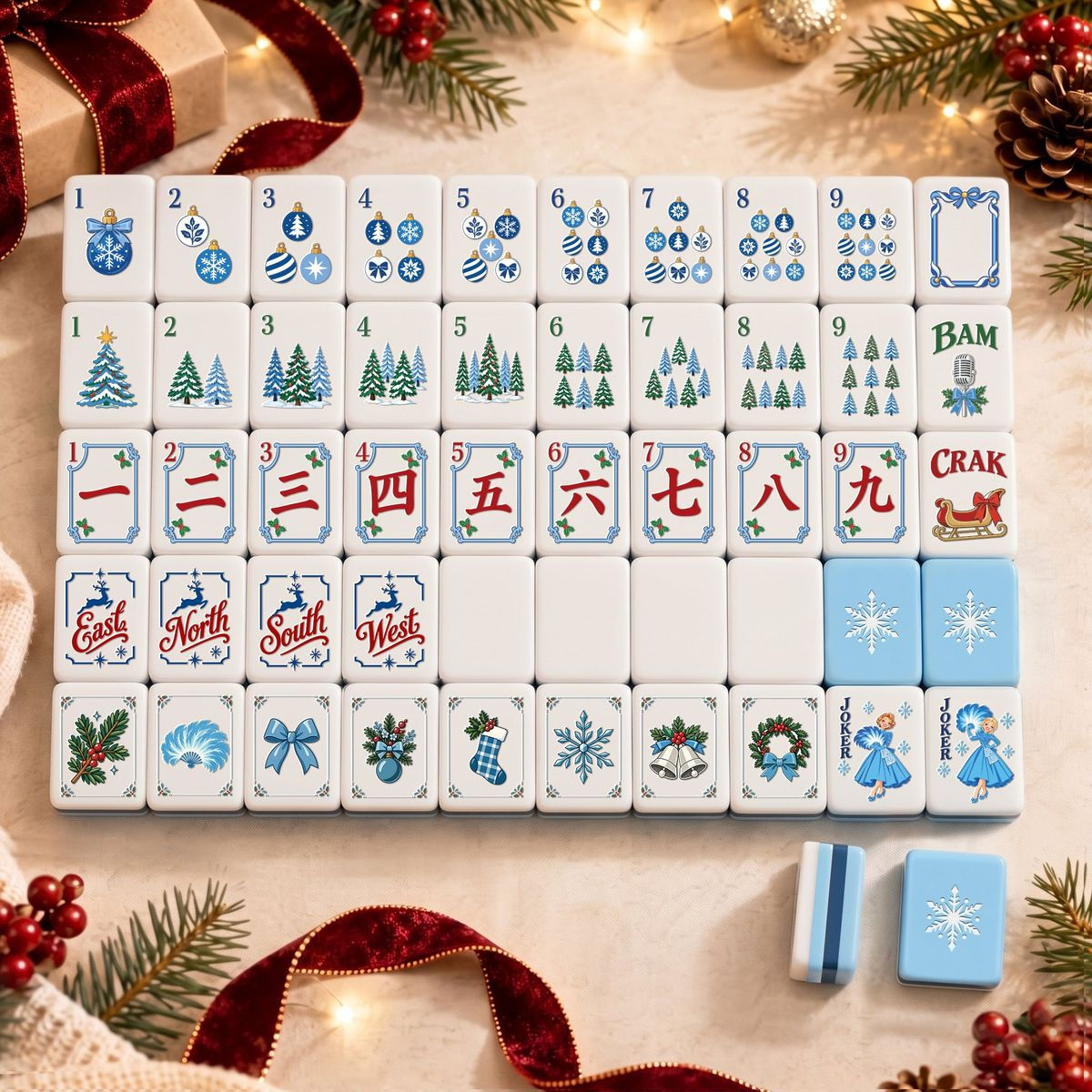
Portland tournaments are hosted year-round at public libraries, community centers, and private clubs scattered across the metro area. Most follow American mahjong rules using the current National Mah Jongg League card. Tournaments typically run four to eight rounds in a single day, cost between moderate entry fees (check with each host), and include both beginner and advanced brackets. You'll play with your own set or a provided one; many serious players bring engraved American mahjong sets and a proper mat for faster, cleaner play. To find tournaments, call community centers and libraries directly—they often post schedules online or maintain bulletin boards—or ask at local game shops and synagogues where mahjong groups meet. Never assume a tournament runs all year; always confirm dates before traveling. 🀄 Shop best-selling mahjong sets →
How do I find a mahjong tournament near Portland?
Start with the Metro area's public library system: most branch libraries host monthly tournaments or maintain club-contact lists. Call the main branch to ask which locations run games and get specific dates. Community recreation departments (Parks & Recreation) also sponsor tournaments; check their seasonal activity guides online. Synagogues, country clubs, and senior centers often host private or semi-public events—ask at the front desk or check their events calendar. Finally, search online community boards and meetup sites for "mahjong Portland" or "American mahjong Oregon" to find player groups that announce tournaments. Expect to find at least one event per month across the metro area.

What rules do Portland tournaments use?
Nearly all Portland tournaments follow American mahjong rules using the current year's National Mah Jongg League card, which changes every spring. This means you'll play with 152 tiles, draw from a live or dead wall, expose pungs/kongs/quints only (never chows), and build hands only from the card. Some tournaments may run a side game of Chinese or Riichi mahjong on certain tables, but American rules dominate. Before you enter, ask the host which variant they're playing and whether the current card is available at registration—most hosts provide it or expect players to bring one. Never assume a tournament card from last year will work; understand how to read the mahjong card so you can verify your hand on site.
Do I need my own mahjong set to play in a tournament?
No—most Portland tournaments provide sets, but serious players bring their own for speed, comfort, and confidence. Tournament sets are often mixed batches with worn tiles, mismatched backs, or uneven shuffling. If you own a quality American mahjong set, you have a small but real edge: consistent tile weight, quick recognition, and smoother plays that let you focus on strategy instead of mechanics. Bring your set in a durable mahjong bag or case so tiles don't spill en route. Many players also pack a portable mahjong mat to define their playing space and protect the tournament table—hosts appreciate it. Arriving with organized gear signals you're prepared and lets you settle in faster than players scrambling with loose tiles.
What should I expect in my first tournament?
A typical Portland tournament runs four to eight rounds, each 1.5 to 2 hours, with 15–30 minutes between rounds for scoring and seating. You'll sit at a table with three other players (sometimes a scorekeeper) and play one or more full games per round. Setup includes the Charleston (the pre-game tile-passing ritual)—if you're new, ask the other players to walk you through it; experienced players expect to help. Scoring uses the National League system; the host will post scores after each round. You won't be rushed—tournament play is deliberate, not fast—but keep moving to stay on schedule. Bring water, snacks, and a pen. Wear comfortable clothes and bring layers; community center spaces vary in temperature. Most tournaments charge a modest entry fee to cover site rental and prize distribution (if any); ask about payment methods when you register.
How do I prepare for a tournament if I'm still learning?
Play weekly with a consistent group for at least two to three months before entering a tournament. Focus on learning American mahjong fundamentals—tile recognition, the Charleston, calling, and hand-building mechanics—until they become automatic. Memorize the current year's card layout and spend 10 minutes daily drilling hand patterns so you can spot them fast under pressure. Practice how jokers work and when you can use them; joker mistakes cost rounds. Join a beginner bracket if the tournament offers one; you'll play other new players and gain experience without intimidation. Most hosts welcome beginners and expect slower play from newer tables. Attend the tournament an hour early if you can, watch a round or two at a nearby table, and ask officials to clarify any rule questions before play starts. Bring a portable mat and quality racks with pushers to practice at home in tournament-like conditions.

What gear makes the biggest difference in tournament play?
Gear | Why it matters | Best for | Tournament advantage |
Mahjong set | Worn tournament sets slow play and hurt confidence | Serious players | Faster tile recognition and morale |
Mat | Defines space, protects table, steadies tiles | All brackets | Fewer fumbles, faster discards, professional look |
Racks with pushers | Keeps hand upright and organized | Experienced players | Cleaner calls, fewer accidental exposure errors |
Bag or case | Protects tiles in transit, keeps setup organized | Frequent tourney players | Arrives intact and ready faster |
Card reference | Speeds hand verification when claiming | All brackets | Fewer scoring disputes, faster rounds |
The biggest payoff comes from a decent set and a mat. Many Portland players arrive with just their tiles in a bag and spend five minutes organizing at the table—you'll start with a mental advantage if you're already set up when the round begins.
🎁 See our most-loved mahjong sets & accessories →
Common tournament mistakes to avoid
Drawing out of turn. Wait for the official draw signal and always pull from the live or dead wall in strict order. New players often peek at tiles or grab early; stay patient and let the pace set by the fast player (East) first.
Calling too early or too late. When another player discards, you have a few seconds to call pung, kong, or quint if it completes your hand. If you hesitate, you lose the call—but calling prematurely (before a tile is properly discarded) voids your claim. Watch experienced tables to learn the rhythm.
Forgetting to flip the card before drawing. At the start of each round, the dead wall is sealed; the first tile drawn is checked by the scorekeeper. If you draw before the card is revealed, you risk a restart or penalty. The host will clarify this; listen carefully.
Using jokers incorrectly. Jokers can only substitute for a tile in an exposed pung, kong, quint, or sextet—never in the pair or as a single tile. Using one in the wrong spot disqualifies your hand. Practice understanding joker rules before you arrive.
Forgetting the current card. Hands must match the current National League card issued that spring. If you spot a hand on the card from three years ago, it's not valid. Always bring the current card or use the host's copy to verify before claiming.
What to check before you buy or bring a set to Portland tournaments
Tile count: Confirm your set has exactly 152 playing tiles plus spares. A 160-tile American mahjong set includes extras for replacements—never add spares to play.
Tile condition: Check that suits (Bam, Crak, Dot) are legible, winds are distinct, and dragons have clear colors (Red, Green, White). Worn tiles slow you down in tournaments.
Joker count: Your set should have 8 jokers. Count them before the tournament; hosts sometimes ask for a quick visual check.
Bag durability: If you're traveling to a tournament, use a reinforced mahjong travel bag to prevent tiles from shifting and mixing. A loose bag damages both the tiles and your tournament reputation.
Mat fit: If you're bringing a mat, measure the tournament table beforehand or choose a mat that folds to standard size (many are 27–28 inches square). An oversized mat crowds other players.
✨ Find your Mahstead set — free US shipping →
Getting serious: next steps after your first tournament
Most Portland players who win or place well stick with their home group and enter the same tournament circuit monthly. After two or three tournaments, you'll recognize regulars, improve your card speed, and decide whether you want to play more competitively. Some players invest in customized or engraved sets that reflect their style—it's a sign you're staying for the long run. Consider asking a regular at your home group to mentor you on strategy and table dynamics between tournaments. Finally, if you love the game, ask the host whether they need scorekeepers or volunteers—it deepens your understanding of scoring and connects you to the organizing community. Portland's mahjong scene is welcoming; players remember who shows up, plays fairly, and stays engaged.

FAQ
Can I play Chinese mahjong in Portland tournaments instead of American mahjong?
Most Portland tournaments run American mahjong exclusively. Chinese and Riichi games happen in private home groups, not organized tournaments. Ask the host if they know of any side Chinese games; a few experienced players might gather informally after the main event.
Do I need to know how to do the Charleston before my first tournament?
Yes. The Charleston is the pre-game tile-passing ritual in American mahjong, and every tournament includes it. Ask your home group to teach you before you compete; it takes 5 minutes to learn and 10 games to feel smooth. Learn how the Charleston works online first so you're not surprised.
What happens if I can't afford the tournament entry fee or if I lose badly?
Entry fees vary by host but are usually modest and cover the venue and scoring. Losing badly is normal—even experienced players have rough rounds. Focus on playing fairly and learning; most Portland tournaments reward improvement and sportsmanship, not just winning.
Can I bring a friend who has never played mahjong to watch?
Yes, most tournaments allow spectators. Watching two to three rounds teaches a newcomer the pace and strategy fast. Tell your friend to sit quietly behind a player and ask questions between rounds.
Should I memorize the entire mahjong card before my first tournament?
No. Instead, learn the layout and categories so you can scan quickly when you need to verify a hand. Experienced players rely on recognizing patterns (like "dots 1–5 and all honors") rather than memorizing every specific hand. Bring the card to reference during play.


View More
View More
View More
