
Mahjong Tournaments in Phoenix: How to Play & Find Games
Last updated: Nov 23, 2026
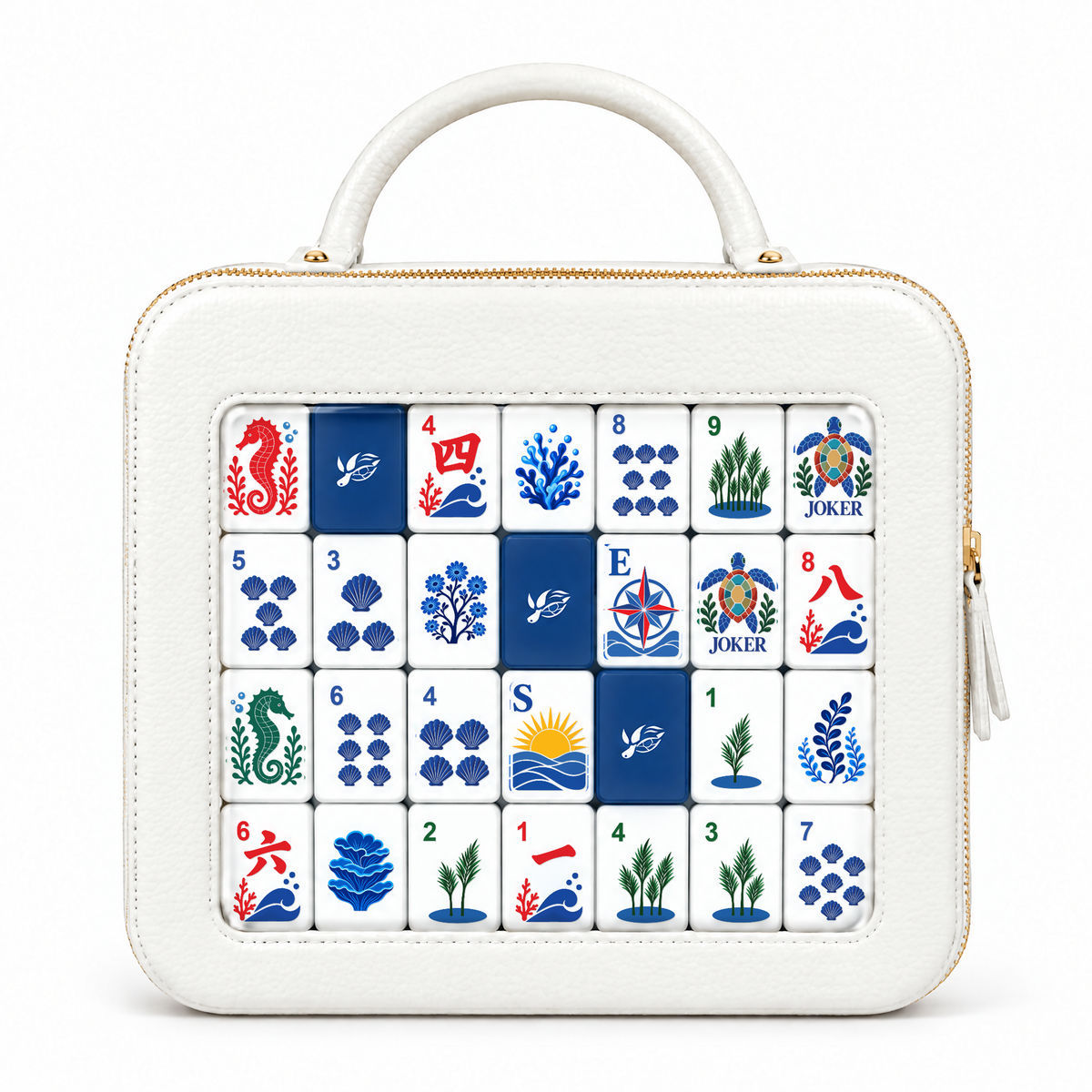
Phoenix hosts American mahjong tournaments through community centers, libraries, synagogues, and country clubs—check local meetup boards and library event calendars for dates and entry details. The National Mah Jongg League sanctions official tournaments; most follow American mahjong rules using the current year's card with exactly 152 tiles. A typical tournament costs between entry fee and prize pool amounts (ask organizers directly). Games last 2–4 hours depending on round count. You'll need an American mahjong set, a mat or table cover, and knowledge of how to play American mahjong and how to read the mahjong card. Most tournaments provide tiles; bring a notebook, pencil, and calculator for scoring. Phoenix players compete year-round; spring and fall see the most events.
Where do Phoenix mahjong tournaments actually happen?
Phoenix mahjong tournaments are hosted at community recreation centers, public libraries, Jewish community centers, country clubs, and senior centers. Search your city's parks and recreation website for seasonal mahjong programs and tournament postings. Libraries often post flyers or have bulletin boards listing local game groups. Ask at synagogues in the greater Phoenix area—many maintain active mahjong circles that host competitions. Check Meetup.com and Facebook community groups for announcements of upcoming events, player meetups, and tournament sign-ups. Call ahead to confirm dates, entry fees, and whether beginners are welcome; many tournaments have a separate division for newer players.

What's the difference between casual play and tournament format?
Casual play at home uses any year's mahjong card and focuses on learning; tournament play uses only the current National Mah Jongg League card, is strictly timed, and enforces all rules. In tournaments, each round typically lasts 30–45 minutes with all players at your table playing the same hand simultaneously. You score points only when you complete a hand exactly as shown on the card for that round; mistakes cost you and stay on the table permanently. Casual games allow "do-overs" and slower pace. Tournaments use official score sheets, require players to display their final hands for verification, and often rotate table assignments after each round to ensure fair play. Winners are determined by total points across all rounds, not individual hands.
What gear do you actually need before your first tournament?
Most Phoenix tournaments provide a tile set and mat if you're playing at an official venue; verify with the host beforehand. If you're bringing your own best-selling mahjong sets, confirm it has exactly 152 tiles plus 8 jokers (standard American sets sold by Mahstead are 160-tile sets—152 playing tiles plus spares). Bring a mahjong mat or table cover for grip and visibility. Racks with pushers are optional but help organize your hand quickly under tournament time pressure; many experienced players swear by them. Pack a pencil, small notebook for practice notes, and a calculator for scoring tallies. Wear comfortable clothes—tournaments can run 2–4 hours. A travel bag or case is useful if you're driving your own set. Bring water and a light snack. Never bring your phone to the table unless rules explicitly permit it.
Feature | Casual Home Game | Tournament Play |
Card used | Any year's NMJL card allowed | Current year's card only |
Tile count | 152 tiles (official); some use fewer | Exactly 152 tiles + 8 jokers |
Time per round | 60–90 minutes, flexible | 30–45 minutes, strict |
Hand verification | Casual, errors forgiven | Official check required; errors costly |
Scoring | Cumulative or one-hand winner | All rounds tallied; highest total wins |
Table rotation | Same players stay | Players rotate for fairness |
Joker rules | Flexible interpretation | Strict NMJL interpretation |
Winner declared | By house rule | By official scoring sheet |
How do tournament scoring and hands actually work?
In American mahjong tournaments, you score only when you complete a hand that matches exactly one hand pattern on the current year's card. The card shows hundreds of valid hand combinations; each lists a point value (typically 25–70 points) and which tiles form it (e.g., a specific sequence of pungs and pairs). You cannot modify a hand—no chows (sequences like 1-2-3), no mixed tile types beyond what's written. When you complete your hand, you call "mahjong," display it for verification, and note your score. Other players at your table score zero for that round unless they also have valid hands (rare). After four or more rounds, the player with the highest total score wins. Ties are broken by house rule; ask the tournament director beforehand. Penalties apply for infractions: false calls, mismatched hands, or late claims. Learn how to read the mahjong card before entering a tournament—this is non-negotiable.
🀄 Shop best-selling mahjong sets →

What mistakes do Phoenix tournament players make most often?
The most common mistake is calling mahjong with a hand that doesn't match the card—this results in a penalty or forced pass for that round. Players forget that jokers cannot appear in a single tile or a pair; they can only replace tiles in melds of three or more (pungs, kongs, quints, sextets). Another trap: misreading the card. Hands have sections (numbered, honor-heavy, flower-based, etc.); beginners mix up which section they're building toward. The Charleston—the pre-game tile-pass ritual—confuses newcomers; ask for a walk-through before your first game. Players also fail to organize their racks logically, costing precious seconds under the clock. Forgetting to claim a discard immediately (before the next player draws) means you lose that tile permanently. Always verify the tile count in a borrowed set before sitting down—a missing or extra tile voids the game. Finally, many players don't understand how jokers work in tournament play; study this before competing.
How do you find beginner-friendly Phoenix tournaments?
Start by contacting your city's Parks & Recreation department directly; they often host beginner tournaments or can direct you to clubs that do. Libraries in Phoenix frequently run mahjong nights with separate "first-time player" tables. Jewish Community Centers and synagogues typically welcome all levels and often have instructional tournaments in spring or fall. Post on local Facebook groups or Meetup asking for beginner-level games and tournament recommendations. Many Phoenix players host informal "practice tournaments" at homes or small venues before the official season; attending one first eases the transition to competitive play. Call the organizer and say you're new—most communities reserve one table for learners where scoring is explained and play moves slower. Bring our mahjong-for-beginners guide printed or on your phone to reference between rounds. Don't worry about money—beginner tournaments often have low or no entry fees. Your goal first time is to complete a full game without confusion, not to win.
🎁 See our most-loved mahjong sets & accessories →
What to check before you enter a Phoenix tournament
Confirm the tile set count: Ask if it's 152 tiles (standard American) or another variant; don't assume.
Verify the card year: All players must use the current year's National Mah Jongg League card. Bring a copy.
Ask about entry fees and prizes: Confirm the amount and whether it's cash, store credit, or trophy-only.
Check the round count: How many rounds are you playing? (Usually 4–6 for casual tournaments; official NMJL events vary.)
Understand the scoring: Ask the tournament director to walk you through one complete example before you play.
Know the format: Is this American mahjong, or another variant (Chinese, Hong Kong, Riichi)? Most Phoenix tournaments are American.
Arrive 15 minutes early: This gives you time to meet your table and ask final questions without rushing.
Bring your own mat if you have one: Many venues don't provide mats; playing on bare tile is risky for accuracy.
What variant of mahjong do Phoenix tournaments play?
Nearly all Phoenix tournaments follow American mahjong rules as set by the National Mah Jongg League. This uses 152 tiles, the current year's hand card, and allows no chows (sequences)—only pungs (three identical), kongs (four identical), quints (five), and sextets (six). Jokers can substitute for any tile in a meld but never as a single tile or pair. A few Phoenix clubs or senior centers may host Chinese or Hong Kong mahjong variants; these use a different tile set (usually 144 tiles with no card), allow melded sequences, and follow different scoring rules. Ask the tournament host directly which version they play. If they say "American," confirm they use the current year's National Mah Jongg League card. If they mention "Chinese mahjong" or show you a rule sheet instead of a card, that's a different game entirely. As a Mahstead player hosting weekly games in Texas, we strongly recommend learning American mahjong first—it's the easiest to pick up, the most widely played in Phoenix, and the most fun for mixed-skill tables.
✨ Find your Mahstead set — free US shipping →

FAQ
Do I need my own mahjong set to play in a Phoenix tournament?
No. Most Phoenix tournaments provide a set. Call ahead to confirm. If you own a set, verify it has exactly 152 tiles before bringing it; Mahstead's 160-tile sets include 152 playing tiles plus spares.
What if I've never played American mahjong before—can I enter a beginner tournament?
Yes. Most Phoenix organizations host beginner divisions or tables. Contact the host in advance and ask for a slower-paced round. Spend a week learning how to play American mahjong and practicing hand recognition first.
How much does it cost to enter a Phoenix mahjong tournament?
Entry fees vary by organizer and event. Contact your local Parks & Recreation, library, or community center directly for specific amounts. Beginner tournaments often have lower or no entry fees.
Can I use jokers however I want in a tournament?
No. Jokers can only replace tiles in melds of three or more (never as a single tile or pair). Learn how jokers work before entering any tournament.
What if I call mahjong with a hand that's not on the card?
You incur a penalty (usually forced pass for that round) or disqualification, depending on house rules. Always verify your hand against the card before calling.
Are there Phoenix tournaments for players who already know Chinese or Hong Kong mahjong?
Most Phoenix tournaments are American mahjong only. Some senior centers or ethnic clubs may host Chinese variants; call ahead. The rules and tiles differ significantly.
How long does a typical Phoenix tournament last?
Most run 2–4 hours depending on round count. Plan for 30–45 minutes per round plus breaks between rounds and setup time.


View More
View More
View More
