
Common Mistakes in Japanese Mahjong: Rules & Fixes
Last updated: Nov 23, 2026
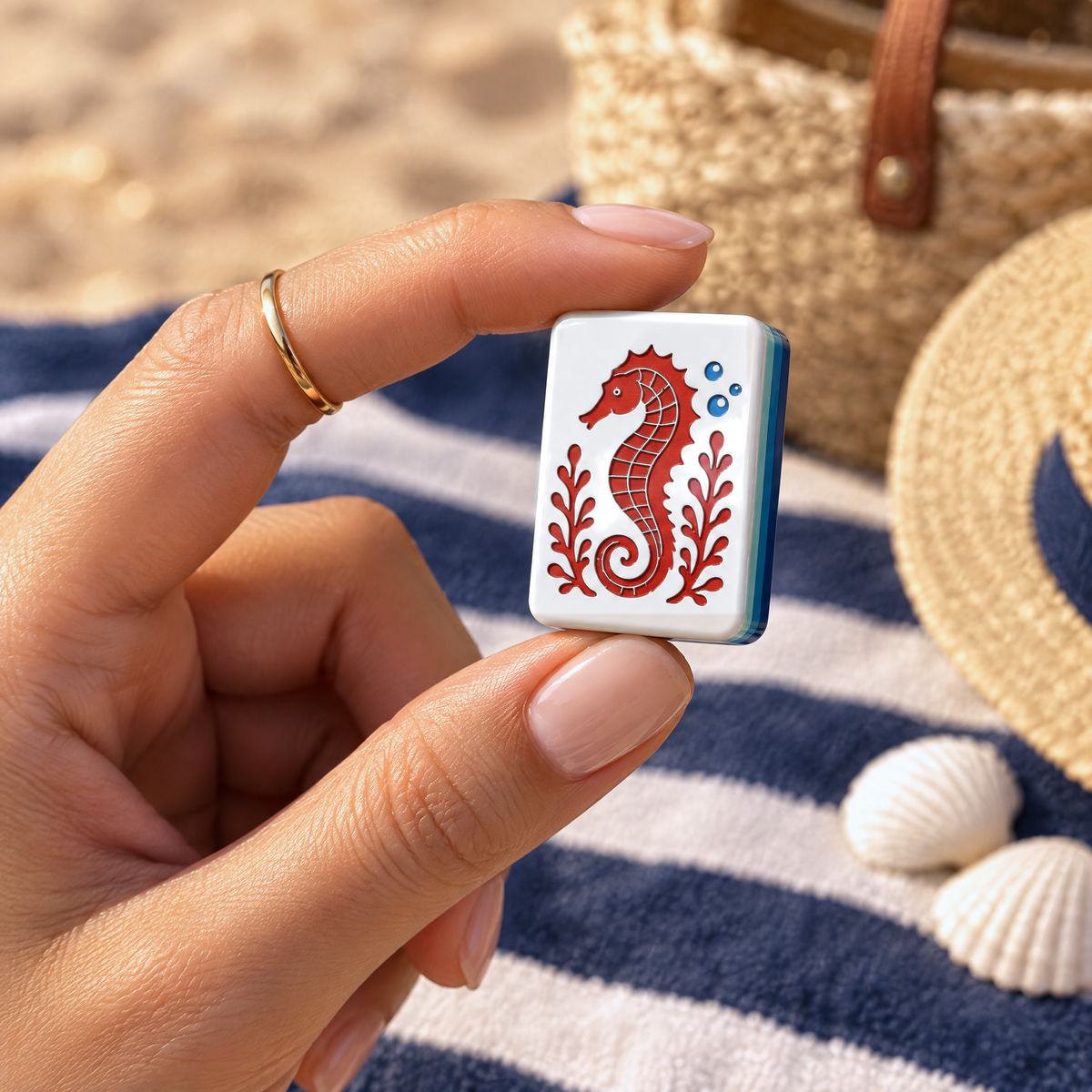
Japanese mahjong (Riichi, or "East" mahjong) uses 136 tiles—four copies each of 34 unique tiles (four suits: Bamboo, Characters, Dots, Honors)—and plays very differently from American mahjong. The three biggest mistakes: miscalling a closed hand (not declaring when you're one tile away from winning, called "tempai"), discarding too eagerly without reading the hand flow, and misunderstanding tile limits (each player may have only four identical tiles in hand and on the table combined—more than that violates the 4-tile rule). Unlike American mahjong's exposed melds, Japanese mahjong allows chows (sequences like 3-4-5), pungs (triplets), and kongs (quads) to be called or hidden. The win requires tsumo (self-draw) or ron (claiming a discard). We built our best-selling mahjong collection to help both American and Japanese players; if you're learning Riichi, choose a set with clear, durable tiles and a mat that keeps tiles visible during play. --- 🀄 Shop best-selling mahjong sets →
Why do players call hands too early in Riichi?
Calling a winning hand prematurely (declaring "Riichi" before you're actually in tempai) is the most common error. In Japanese mahjong, you can declare Riichi only when you're one tile away from a winning hand—your hand must be closed (no exposed melds), and you must have exactly one winning draw remaining. Many new players call Riichi on a hand that's still two or more tiles away, thinking it protects their position. This wastes your declaration fee (1,000 points) and telegraphs your strategy to opponents, who will immediately discard safely. The fix: count your remaining outs carefully before declaring. If your hand has multiple possible winning tiles, you are not in tempai—wait. A true tempai hand has one or two specific tiles that complete it; if you're hunting for any of four tiles, you're not ready.

How does the 4-tile rule trap newcomers?
Each tile-type can appear maximum four times in play—if you hold three Bamboo 5s and an opponent has already discarded or held one, you cannot draw the fourth. American mahjong players find this jarring because American sets enforce this automatically (four copies of each tile exist). In Japanese mahjong, beginners often chase a tile they've already seen in someone's discard or on the table, wasting turns. The trap deepens if you miscount: you assume a tile is still "live" when it's dead. Before each hand, scan the table and discard pile for tiles you're pursuing. If you've seen all four copies of a tile, cross it off mentally. This is especially critical for Honors (winds, dragons); there are only four of each, and they vanish quickly. A dedicated mahjong mat with tile racks keeps your hand organized and visible, so you never lose track of what's out.
What's the biggest discard sequencing mistake?
Discarding middle-value tiles (4, 5, 6) first signals safety; throwing the same suit from all three sections (low, mid, high) makes your hand transparent and vulnerable to opponents calling your discards. New players discard randomly, hoping to thin their hand quickly. Experienced Riichi players read your discards like a book: if you dump three 5s early (5 Bamboo, 5 Characters, 5 Dots), opponents know you're not building a 5-heavy hand. They'll discard other 5s without fear, and you've lost information control. The correct sequence: build a mental map of what your opponents are chasing before discarding. If two players have shown interest in 3s (by accepting chow calls involving 3), throw your 3s last, not first. Discard "dead" tiles—tiles matching opponent discards or tiles that appear orphaned—before live tiles. This keeps your true intent hidden longer and increases your winning odds.
Why do players misread concealed kongs in scoring?
A concealed kong (four identical tiles drawn from the wall, not called) scores differently from an exposed kong; miscounting points leads to score disputes and confusion about hand value. In American mahjong, all melds expose and score uniformly. In Japanese mahjong, the type of meld changes the fan (multiplier) count. A concealed kong is worth more fan than an exposed kong because it's hidden information. Many learners forget to declare their kongs correctly when they're drawing extra tiles from the "dead wall" (a reserve used for kong draws), or they add the wrong fan bonus in scoring. Always announce "kong" or "pung" before drawing your extra tile (for kongs) and place the meld properly so other players see it. If you mess up the timing, your meld may be invalid. Keep a small reference card of meld types and their fan values until you memorize them. Acrylic tiles on a quality mat make kong placement crisp and unambiguous.

How does hand-locking trap beginners?
"Hand locking" (becoming committed to one winning pattern when multiple paths exist) causes players to discard defensively and miss quicker wins. You've drawn eight tiles that work toward a 3-pung + 1-chow pattern, but those same tiles could form 2-kongs + sequence differently. Tunnel vision here is fatal: you discard for the first pattern, opponents read it, and suddenly your safest discard tiles are also the ones blocking your second path. The fix is flexibility: at each turn, ask "What are my current winning tiles?" If three or more tiles can end the hand, keep your discards ambiguous. If only one tile wins, you're locked—now safety matters. A table with clear mahjong racks and pushers lets you physically rearrange tiles without moving them, so you can test patterns quickly before committing to a discard.
Why is calling honor tiles so risky?
Honor tiles (winds and dragons) are limited and highly visible; calling a chow or pung with honors flags your strategy immediately, and the value often doesn't justify the telegraphing. In Japanese mahjong, you can call a chow using an honor (if it's at the start: e.g., East-South-West as a 1-2-3 sequence), but opponents will instantly know you're building toward a hand with honors. Unlike number suit chows, which blend into the flow, an honor call is a blinking sign. Beginners call honor melds thinking the meld itself is high-value; they forget that high-value hands are valuable, not high-value tiles alone. Before calling, ask: "Does this meld accelerate my win, or does it just show my hand?" Many hands win faster by refusing honor calls and staying concealed longer. If you must call, do it late in the hand when information is less useful to opponents. A mat that tracks discards visibly helps you see which players are chasing honors—if nobody's discarded a specific wind in five turns, calling it is much safer.
When to Declare Riichi vs. Play Closed (Comparison)
Scenario | Play Closed | Declare Riichi | Best Choice | Why |
One specific tile wins; three others discard that tile | Close | Riichi | Riichi | Risk is low; speed wins. |
Two or three tiles can win; one player leads | Close | Riichi | Close | Riichi locks you; closed hand stays flexible if leaders change. |
You've discarded recklessly; hand is exposed | Close | Riichi | Close | You're already transparent; Riichi fees hurt. |
Four turns left; all winning tiles are "live" | Close | Riichi | Riichi | Pressure opponents; force them to defend. |
Final round; you're trailing in score | Close | Riichi | Riichi | Riichi's extra points narrow gaps. |
🎁 See our most-loved mahjong sets & accessories →
What to Check Before You Buy a Set for Japanese Mahjong
Japanese mahjong sets often use slightly smaller tiles (around 28–30 mm) than American 160-tile sets, because 136 tiles must fit comfortably. Check tile size before ordering—if you're playing Riichi with friends who own standard sets, mismatches feel awkward on shared mats. Acrylic tiles are more durable than bamboo for frequent play and shuffle cleanly without chipping. Verify the tile face is large enough to read quickly; in fast Riichi games, small kanji or numbers slow you down and invite mistakes. If you're splitting sets between American and Japanese games, buy one dedicated set for each variant rather than swapping—mixing rules mid-session breeds errors. A mahjong mat keeps tiles flat and aligned, reducing accidental knocks that scramble your hand and create disputes.
✨ Find your Mahstead set — free US shipping →

FAQ
Can I declare Riichi if my hand has one exposed meld?
No. Riichi requires a fully closed hand—zero exposed melds. If you've called a chow or pung, you cannot declare Riichi, even if only one tile wins.
What happens if I discard a tile that matches a player's winning hand?
That player wins by ron (claiming your discard), and you pay the full hand value to them. This is why reading discards is critical—if someone discards three 7s, they likely aren't building a 7-heavy hand.
Is a concealed kong really worth more points than an exposed one?
Yes. Concealed kongs add extra fan (multiplier) in scoring because you drew all four tiles without revealing. Exposed kongs, which players saw you call, are valued lower.
How many jokers does a Japanese mahjong set have?
Japanese mahjong sets typically have no jokers—the game uses only the 136 base tiles. Jokers are an American mahjong innovation. Some modern house rules add optional jokers, but standard Riichi play does not.
What's the difference between *tsumo* and *ron*?
Tsumo means you drew your winning tile yourself from the wall; ron means you claimed someone else's discard. Tsumo pays slightly differently (all players contribute) and is considered the "cleanest" win.
Can I play Japanese mahjong with an American 160-tile set?
Not directly—you'd need to remove 24 tiles to have exactly 136, and American tiles include jokers and flowers that don't exist in Riichi. Use a dedicated Japanese set to avoid confusion.


View More
View More
View More
