
Mahjong Tournaments in Philadelphia: A Player's Guide
Last updated: Nov 23, 2026
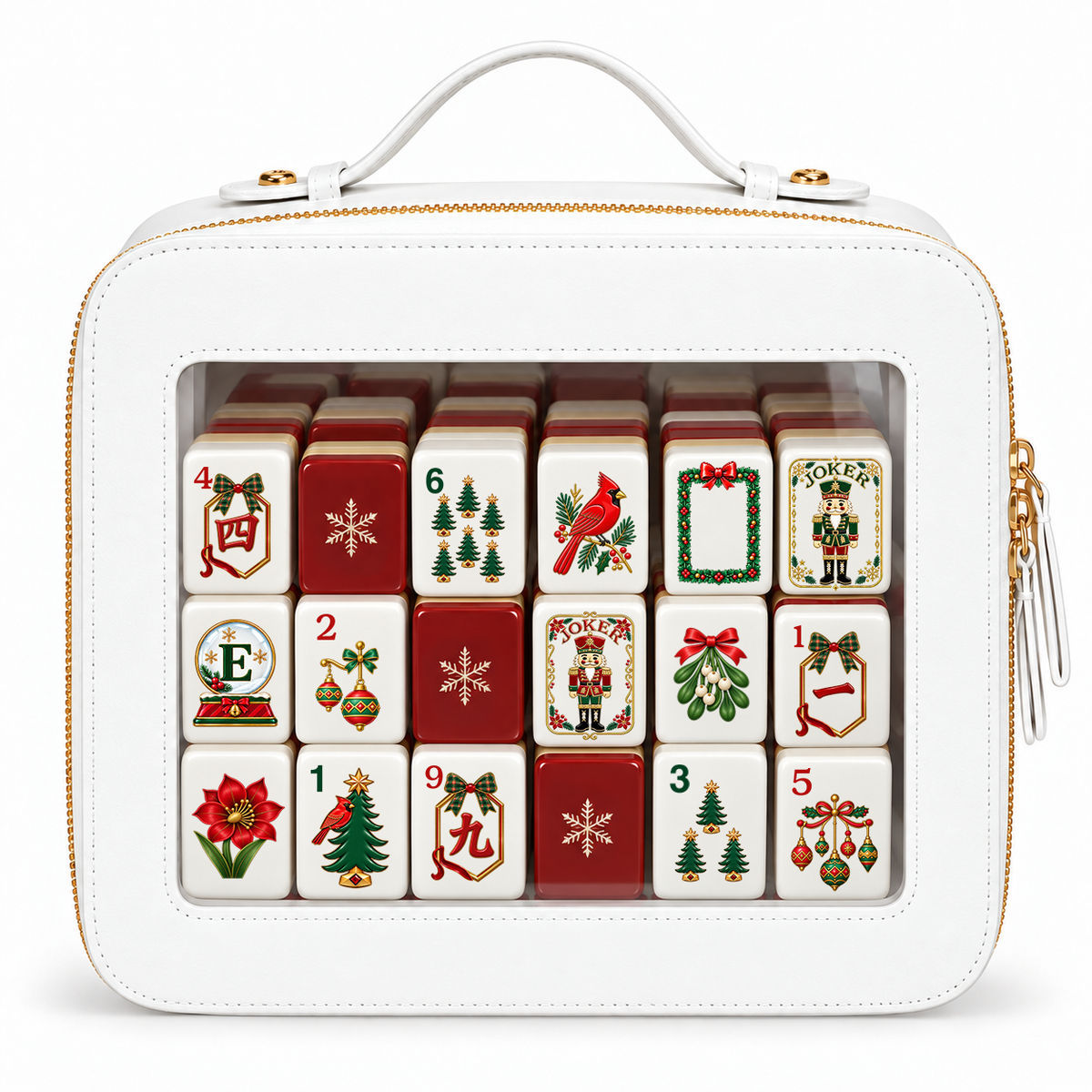
Philadelphia hosts mahjong tournaments and regular game nights through community centers, libraries, synagogues, and country clubs—most run American mahjong with the National Mah Jongg League card. Tournaments typically occur monthly or seasonally; check local community center bulletin boards, library event pages, and online Meetup groups for current schedules. Most welcome beginners through advanced players; entry involves basic fees and familiarity with how to play American mahjong. You'll need a standard 152-tile American mahjong set and personal racks or pushers. Competitive play follows strict NMJL rules, with scoring based on the current year's card. Preparation means drilling hand recognition, understanding how jokers work, and building comfort with speed—most tournament rounds run 15 minutes per hand with penalties for slow play.
Philadelphia's mahjong tournament scene centers on casual competitive leagues and monthly championships at established community venues. Most tournaments use American rules and the current National Mah Jongg League card issued each spring. Games run year-round, though spring and fall see the busiest schedules. Entry fees typically cover table rental and organizing; winners earn small prizes, bragging rights, or advancement to city-level playoffs. The real draw is the community—players range from retirees who've played forty years to newcomers in their first season. No prior tournament experience is required, though knowing mahjong for beginners essentials will save you embarrassment.
Where Do Philadelphia Mahjong Tournaments Happen?
Community centers, public libraries, and membership-based clubs host the majority of regular mahjong. Check your local recreation department website for spring and fall league sign-ups; Philadelphia's Parks and Recreation often sponsors divisions by skill level. Libraries in Center City and the suburbs frequently host weeknight or weekend games open to all ages. Synagogues and Jewish community centers have long-standing mahjong programs with both casual and competitive brackets. Country clubs and senior centers in surrounding townships (Bucks, Delaware, Chester counties) run their own tournaments and inter-club matches. Start by calling ahead to confirm current schedules, entry fees, and whether you need to bring your own set or rent tiles on-site.
🀄 Shop best-selling mahjong sets →

What's the Typical Tournament Format?
Most Philadelphia tournaments follow a round-robin or bracket structure across two to four hours. Each round lasts 15 minutes per hand, with a referee calling hand draws and score settlement. Players rotate tables after each round so you face different opponents. Scoring uses the National Mah Jongg League card's point values; winners of a hand earn points; losers pay. Final standings tally total points or net payment balances. Some venues run single-elimination playoffs for top finishers. Beginner and intermediate divisions often play the same format but may offer gentler rule enforcement or longer hand time limits. Advanced players typically expect faster pace and stricter penalty calls. Always arrive ten minutes early to confirm your division, meet table mates, and verify which card version is in use.
How Do You Prepare for Your First Tournament?
Drill hand recognition on the current year's card until spotting patterns becomes automatic—you'll see hundreds of hands and need instant visual recall. Practice how to read the mahjong card in low-light conditions, since some venues use poor overhead lighting. Build speed by timing yourself discarding, picking tiles, and claiming hands in 10-second windows. Understand the Charleston explained inside out; botched tile exchanges before the game starts trigger penalties. Review American mahjong scoring so you can verify payouts instantly. Know the rules for dead walls, joker legality, and exposing melds before you sit down. Play at least ten casual games with experienced players who will call out your mistakes live—that feedback is worth more than reading rules alone.
Prep Task | Why It Matters | Timeline |
Hand drills on current card | Instant pattern recognition under pressure | 2–4 weeks before |
Charleston practice | Avoid costly tile-exchange errors | 10 days before |
Speed drills (discard, claim, settle) | Fit within 15-minute hand limit | 2 weeks before |
Casual games with experienced players | Real-world feedback and confidence | 1 week before |
Rules review (jokers, dead wall, scoring) | No confusion mid-game | 3 days before |
Venue scouting (light, table height, noise) | Adapt to unfamiliar conditions | Day before |
What Equipment Should You Bring?
Bring your own full 160-tile American mahjong set (152 playing tiles plus spares) to ensure you have familiar tiles and no missing pieces. Most venues assume you own tiles; rentals are rare and often incomplete. Carry mahjong racks with pushers that feel natural to you—tournament tiles move fast and a poor rack slows your game. Pack a travel bag that protects acrylic tiles during transport and fits in a car trunk; chipped or cracked tiles disqualify you mid-tournament. Bring a pen and notepad for unofficial scoring or hand notes if allowed. Wear reading glasses in a secure case if you use them; tournament rooms are crowded and glasses get knocked or lost. Some players use a mahjong mat at home but tournaments usually provide table surfaces, so ask ahead. A watch or phone timer helps you stay aware of the 15-minute round window, though referees keep official time.
🎁 See our most-loved mahjong sets & accessories →

What Common Tournament Mistakes Should You Avoid?
Misreading the card under pressure. Tournament light is often dim and players blur together. Bring anti-glare reading glasses and practice card-reading in low light for two weeks beforehand.
Slow discards and melds. Hesitation signals weakness and burns precious seconds. Pre-scan your hand during other players' turns so you know your discard and claim before your action comes.
Violating joker rules. American mahjong forbids jokers in pairs or single-tile melds—only in pungs, kongs, quints, and sextets. Know this cold; confusing this rule costs penalties.
Fumbling the Charleston. Three passes happen fast; count passes aloud and confirm with neighbors before the game starts. A wrong pass forfeits the round.
Settling scores incorrectly. Refer to the card's point values every time. Disputes halt the table; trust the card and scorekeeper, not your memory.
Playing unfamiliar tiles. Borrow a friend's set beforehand or buy your own best-selling collection weeks in advance so you're comfortable with weight, texture, and readability.
Ignoring venue rules. Some tournaments ban phones at tables, forbid coaching, or require silent play. Ask the organizer for a rule sheet the day you sign up.
How Do You Find Tournaments Near You Right Now?
Start with your city recreation department's website—most publish spring and fall league schedules three to six weeks in advance. Call the main office and ask for the "mahjong coordinator" or "senior programs director." Many libraries list weekly or monthly game nights in their events calendar; ask the reference desk for mahjong contact information. Check online Meetup groups and Facebook community boards by searching "[Your neighborhood] mahjong" or "Philadelphia mahjong league." Synagogue websites often list mahjong days and skill levels. Visit local country clubs' events pages; some allow non-members to play in tournaments for a guest fee. Call ahead every time—schedules change seasonally, venues consolidate games, and organizers appreciate advance notice of new players.
✨ Find your Mahstead set — free US shipping →
What to Check Before You Buy Your Tournament Set
Tile clarity. Tournament rooms are bright; ensure every tile number and suit is legible from arm's length. Test readability before checkout.
Acrylic durability. Tournament play means aggressive shuffling and frequent tile collisions. Acrylic withstands impact better than bamboo or wood.
Rack comfort. Hold sample racks at a friend's home or game night. Tournaments allow one hour to adjust; bring the racks you practiced with.
Bag protection. Your set travels in a car, hand-carried to venues, and stored at home. A padded travel bag prevents cracks and loses over a season.
Spare jokers and blanks. A 160-tile set includes spares; confirm you have at least two extra jokers in case one cracks mid-tournament. One broken tile mid-game disqualifies you.
Set completeness. Count before your first tournament: 36 Bams, 36 Craks, 36 Dots, 16 winds, 12 dragons, 8 flowers, 8 jokers. Missing tiles force forfeiture.

FAQ
Do Philadelphia tournaments require membership in a club or league?
Most community center and library tournaments accept walk-ins; no prior membership needed. Some private clubs require annual or guest fees. Call the venue ahead to confirm open-entry events.
Can I play in a tournament if I've only played American mahjong twice?
Yes. Most venues run beginner and intermediate divisions. Expect to lose money but gain experience. Bring your own complete set and arrive early for a quick rules refresher with the referee.
What's the typical entry fee for a Philadelphia mahjong tournament?
Entry fees vary by venue and tournament type; ask the organizer directly since fees change seasonally. Some charge a flat table rental; others collect points or cash payouts from winners.
Should I buy an expensive engraved mahjong set or a basic one for tournaments?
Buy whichever set you'll practice with most. Tournaments judge sets only on completeness and readability—no bonus for engravings. Pick durable acrylic tiles and a secure travel bag that protects them; those matter more than aesthetic design.
Can I use a mahjong mat at a tournament, or do venues provide tables?
Tournaments usually provide tables and surfaces. A mat is useful at home for practice. Ask the venue in advance if table surfaces are reliable; if not, bring a portable mat as backup.
What happens if I break a tile during a tournament round?
Report the break to the referee immediately. If a spare tile of the same design exists in your set, use it. If not, the round forfeits and you sit out. Bring backup jokers and blanks to avoid this.
Do I need to know advanced scoring to compete, or can I rely on referees?
Referees settle disputes and keep official score. Learn American mahjong scoring basics before your first event so you understand payouts and recognize scoring errors on the spot.
How often do Philadelphia tournaments happen in winter versus summer?
Most tournaments cluster in spring (March–May) and fall (September–November). Summer is slower; winter varies by venue. Check your venue's calendar January and August for the next season's schedule.


View More
View More
View More
