
Cute Mahjong Bags: Style & Protection for Your Game
Last updated: Nov 23, 2026
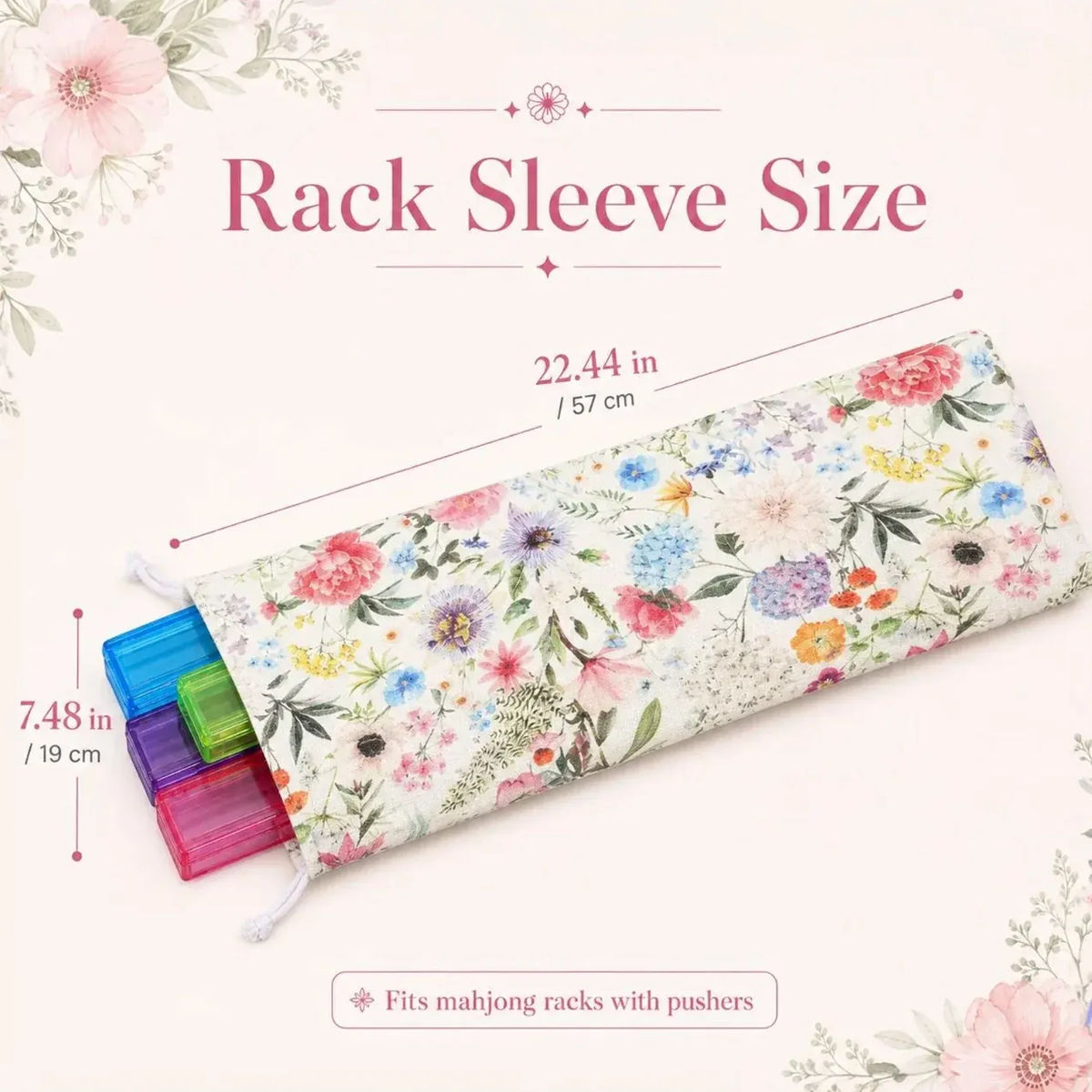
A cute mahjong bag is a carrier built to hold a full 160-tile American mahjong set, typically with compartments or padding to protect tiles, pushers, and dice. Styles range from minimal woven or canvas to playful prints with mahjong-themed graphics or witty text. Sizes vary; most fit a standard acrylic set plus a mat or scorepad, and many include handles or a shoulder strap for portability. A mahjong bag isn't decorative—it's your weekly game's insurance policy. When choosing, check interior dimensions (most hold a set and one mat), material durability (canvas, polyester, or leather backing wear differently), and whether you need pockets for dice, cards, or a scorepad. Avoid bags with rigid frames if you travel with a thick competition mat; soft-sided carriers flex better. Mahstead offers travel bags and cases designed specifically for full 160-tile sets, with sizing details to match your gear. 🀄 Shop best-selling mahjong sets →
What makes a mahjong bag "cute" vs. practical?
"Cute" is subjective, but in the mahjong world it usually means playful graphics, witty text, or a design that signals you play mahjong without shouting it. A teal and gold abstract pattern reads as elegant; a tile-print or "Mahjong Mom" embroidered design reads as fun. Practical bags prioritize zippered pockets, reinforced seams, and water-resistant material over aesthetics. The best cute bags do both: they hold your set safely and make you smile at the Thursday night table. A well-made canvas or cotton-blend bag with internal padding combines durability with character, while a sleek leather or vegan-leather option feels modern and travels well. Look for bags with a dedicated base panel (doesn't shift when you lift it), a top handle and optional strap, and enough depth to fit a full set without overstuffing.

How do you know if a bag will fit your mahjong set?
Before ordering, measure your set's footprint—most 160-tile acrylic sets are roughly 11 × 7 inches when stacked, and including racks or pushers can add 1–2 inches to the depth. Check the bag's interior dimensions on the product page (length × width × depth in inches). A bag labeled 12 × 8 × 6 inches will comfortably hold a standard set plus racks and dice; anything smaller risks forcing tiles or cracking acrylic. If you also want to carry a thick competition mat (typically ¼ to ½ inch), add that thickness to your bag's depth requirement. Some bags have flexible sides that compress, so they'll squeeze slightly tighter sets; rigid carriers won't. A good rule: order a bag with at least 1 inch of extra depth. Mahstead's travel-bag collection lists interior dimensions for every piece—use those numbers to cross-check your set's size before purchasing.
🎁 See our most-loved mahjong sets & accessories →
Should you pair a cute bag with a mat or case?
It depends on your travel habits. A bag alone holds tiles, racks, and dice; if you're going two blocks to a friend's house, that's enough. But if you play weekly in different homes or want a complete portable setup, add a mahjong mat and a small case for your National Mah Jongg League card and scorepads. A thin travel mat (rubber-backed, 24 × 24 inches) packs flat in most bags; a standard felt mat (30 × 30 inches or larger) fits only in larger carriers or goes in a separate slim case. The combo—cute bag + compact mat + small card/dice pouch—turns your set into a true portable game kit. Some players keep one bag for hosting at home (just tiles and racks) and another for travel (tiles, mat, everything). This keeps your bag weight reasonable and lets you customize each setup. If you're shopping for a single cute bag and you already own a mat, confirm the bag's depth before assuming both fit together.
Cute bag designs: which style fits your game?
Design Type | Who It's For | Mood at the Table | Durability Notes |
Minimalist solid (neutral tones, teal, blush) | Players who want understated elegance; hosting at upscale homes | Professional, timeless | Canvas or cotton ages beautifully; shows dust easily. |
Mahjong-themed prints (tile graphics, floral, Asian-inspired) | Traditional game lovers; long-time players | Signals expertise; celebrates heritage | Complex prints can fade; check if dyed or printed fabric. |
Witty text ("Mahjong Happens," puns, player nicknames) | Casual groups; humor-loving crews | Playful, ice-breaker ready | Embroidered text lasts longer than screen-printed. |
Colorblock or geometric (modern, bold combos) | Younger players; hosting in contemporary spaces | Trendy, Instagram-friendly | Solid-colored panels resist fading; seams on color joins need reinforcement. |
Leather or vegan-leather (sleek, professional finish) | Serious players; travel by plane or car often | High-end, durable, portable | Requires occasional conditioning; hot cars can warp hardware. |
Each style serves a different table vibe. A minimalist bag works anywhere; a mahjong-graphic bag is a conversation starter; wit-text bags break tension on tense rounds. Your best pick matches both your game's energy and where you play most often.
✨ Find your Mahstead set — free US shipping →
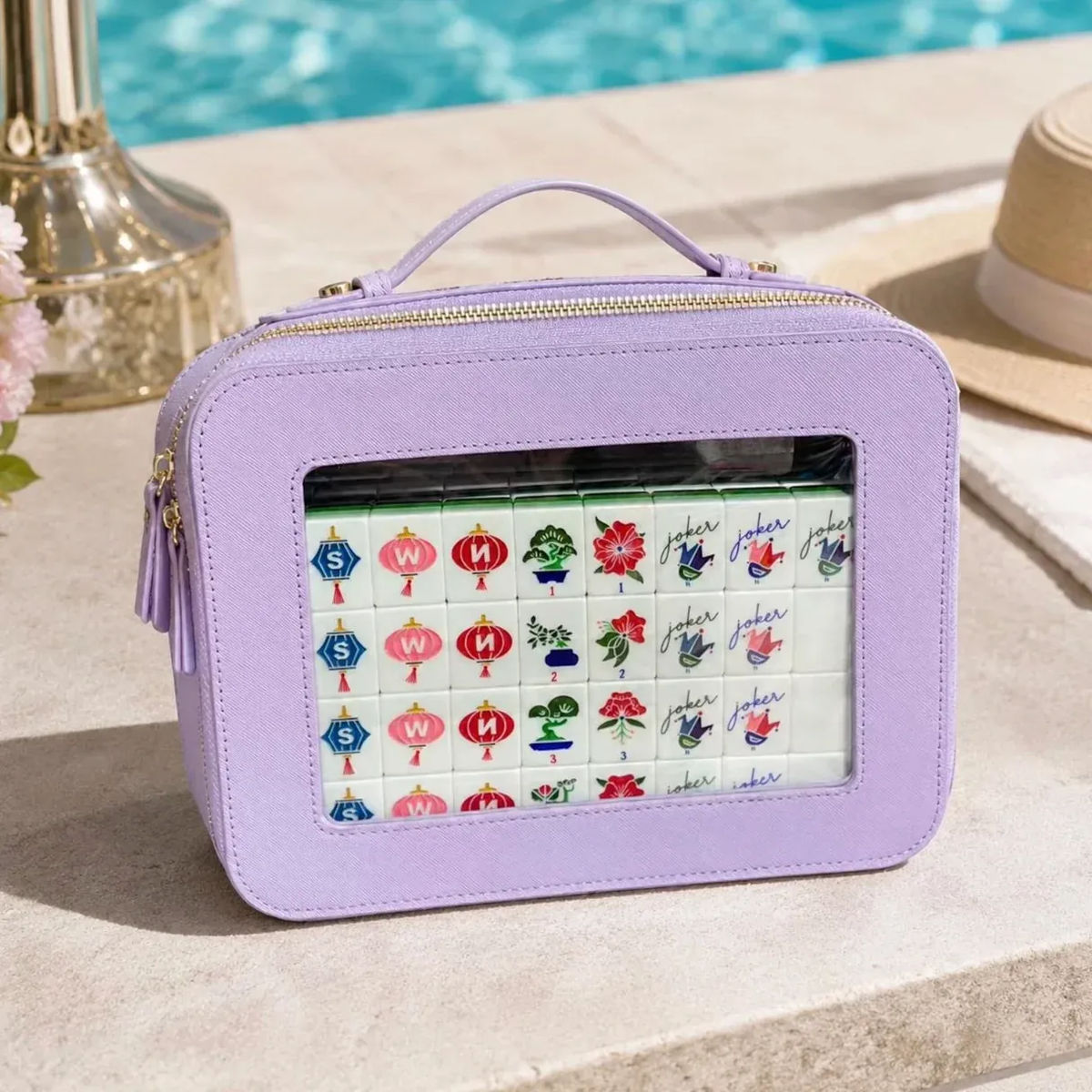
What's the difference between a cute bag and a protective case?
Bags prioritize portability and style; cases prioritize maximum protection and storage. A cute bag usually has soft sides, a single or double compartment, and handle(s) for easy carry—perfect for regular transport between homes. A protective case is typically hard-sided or heavily padded, often with multiple sections for tiles, racks, dice, and cards, sometimes with a lock. Cases are heavier and bulkier, better for long-term storage or frequent plane travel. If you host weekly and want to grab-and-go, a cute soft-sided bag is your move. If you transport a set monthly and want zero risk of damage, a case is worth the extra weight. Many serious players own both: a cute bag for weekly games and a protective case for road trips or storage. For a best-selling set you've invested in, a case feels like insurance; for casual neighborhood play, a cute bag is all you need.
What to check before you buy a cute mahjong bag
Interior dimensions match your set's footprint. Measure your acrylic set (including racks) and compare to the bag's listed interior length, width, and depth.
Material fits your climate. Canvas breathes in humid regions; polyester resists moisture; leather needs maintenance.
Seams are reinforced at stress points (handles, zipper edges, base corners). Look at product photos or customer images—loose stitching shows immediately.
Pockets and compartments match your needs. Do you need a slot for your card? A dice pocket? A small zippered section for scorepads?
Handle comfort for your hand size. Narrow handles dig during a long walk; wide straps distribute weight better for frequent carriers.
Zipper quality (metal or reinforced plastic, smooth operation in photos). Cheap zippers jam after months of use.
Color and print durability. Darker solids hide wear; light colors show dirt and fading faster.
Order from a seller who lists these details clearly—Mahstead includes interior dimensions, material breakdown, and handle type for every travel bag on the product page.
Cute bags as gifts—will the recipient actually use it?
A cute mahjong bag is an excellent gift for a player who already owns a set but doesn't have a dedicated carrier. Pair it with a best-selling acrylic set and you've given someone a complete portable game kit. For a new player, skip the bag for now—they may not yet know their preferred hosting location or travel frequency. For a seasoned player, a quality bag often beats a new set; it solves a real daily problem. If the recipient hosts regularly, add a mahjong mat in a complementary color. If they travel by car or plane, a protective case is more thoughtful than a cute bag. The key: gift a bag only if you know they transport their set regularly. Otherwise, you're gifting a closet item.

FAQ
Can a cute mahjong bag protect tiles as well as a hard case?
Soft-sided bags with padding offer moderate protection for typical home-to-home travel. Hard cases protect better during shipping or plane travel. For weekly neighborhood games, a padded cute bag is sufficient; for road trips, upgrade to a case.
How often should I replace a mahjong bag?
A well-made canvas or cotton-blend bag lasts 3–5 years with weekly use. Leather and vegan-leather last longer but need occasional care. Seams and zippers typically fail first; if those hold, the bag holds.
Should the bag match my mahjong set's color?
Not required, but coordinating colors (like a teal set with a teal-and-white bag) looks intentional at the table. Neutral bags (black, gray, cream) pair with any set. Personal preference rules—choose what makes you happy when you grab it Thursday night.
Can I fit a scorepad and card in a small cute bag?
Most cute bags have a zippered outer pocket or small interior slot for a card and one scorepad. A thick stack of scorepads (10+) won't fit; keep extras at home or in a separate pouch.
What's the best material for a cute mahjong bag if I play outdoors?
Polyester with water-resistant backing or vegan-leather resists moisture and sun exposure better than canvas. Canvas will fade and absorb water over months of outdoor play. If you play under a pergola or tent, regular canvas is fine; if tiles sit in the bag for hours in direct sun, choose synthetic or water-treated fabric.
Do I need a bag if I host all my games at home?
Not essential, but worth owning. A bag keeps your set dust-free in storage, protects tiles if you ever visit another player, and makes setup feel intentional. Think of it as part of your host kit, not just a travel item.


View More
View More
View More
