
Mahjong Tournaments in Ohio: Where to Play & How to Compete
Last updated: Nov 23, 2026
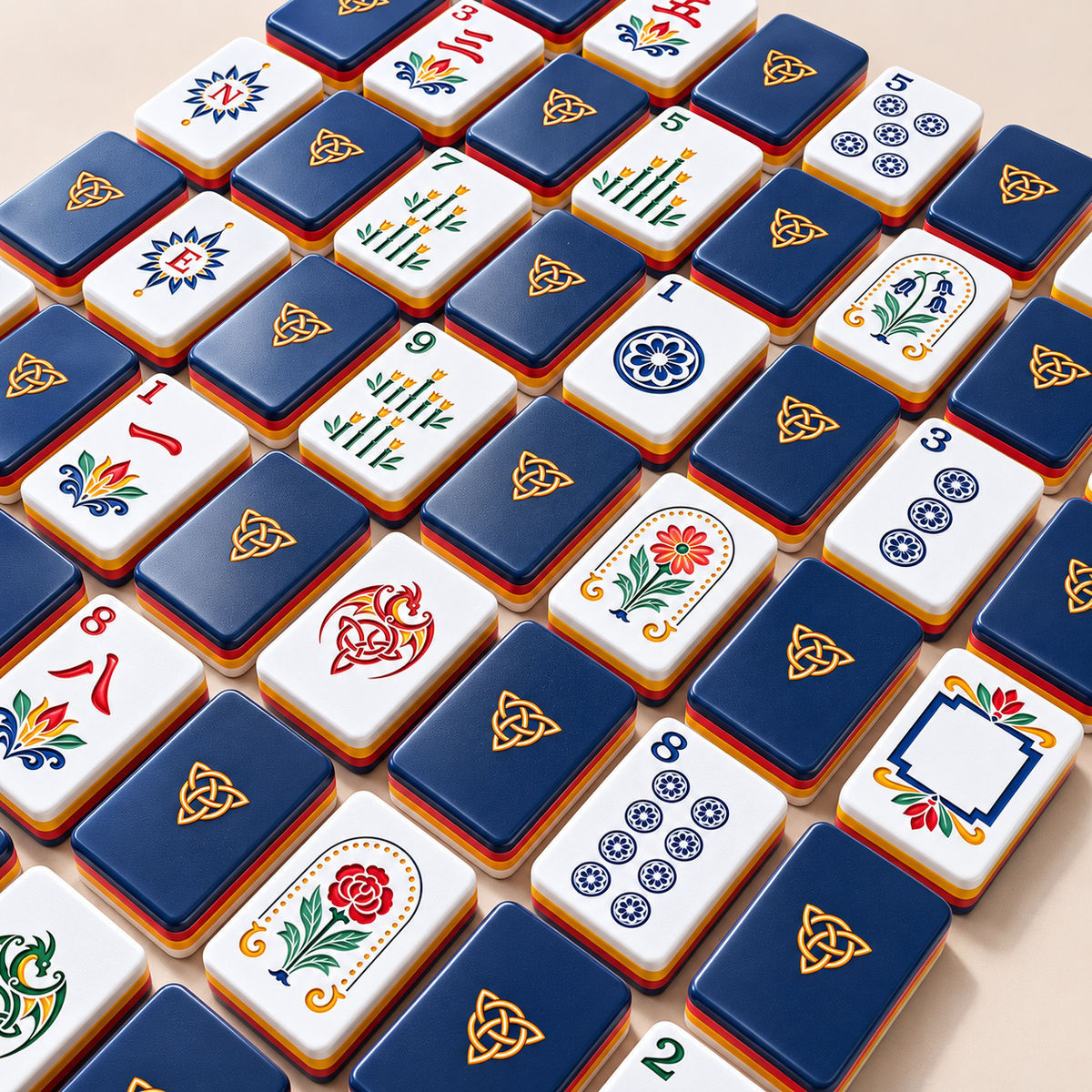
Ohio mahjong tournaments range from weekly club games to formal sanctioned events held in community centers, libraries, and synagogues across Columbus, Cleveland, Cincinnati, and suburbs. Most tournaments follow American mahjong rules and use the current year's National Mah Jongg League card. Events typically run three to four rounds over an afternoon or evening, with entry fees varying by organizer and prize structure. To find tournaments, search community center bulletin boards, library event listings, synagogue social programs, and Meetup boards under "mahjong" + your city. Beginners and experienced players often compete in separate divisions. You'll need a reliable 160-tile set with clear acrylic tiles and a comfortable mat—Mahstead's best-selling mahjong sets are tournament-grade and ship free across the US. Before entering, confirm the date, hand restrictions (if any), and whether they supply tiles or you bring your own.
Where do Ohio mahjong tournaments happen?
Ohio tournaments are hosted by community centers, senior centers, libraries, synagogues, country clubs, and independent mahjong clubs. Columbus, Cleveland, Cincinnati, and Dayton have the most active scenes. Check your city's community center website for "mahjong" or "games" under programs; libraries often post flyers or maintain event calendars; synagogues frequently host weekend tournaments; and Meetup (meetup.com) lets you filter by "mahjong" + location and radius. Call ahead—some tournaments require pre-registration or membership; others accept walk-ins. Beginners often find welcoming tournaments at community centers and libraries.
🀄 Shop best-selling mahjong sets →

What should I expect at an Ohio tournament?
Tournaments typically run 3–5 rounds of American mahjong, each lasting 45–90 minutes depending on the organizer and player skill level. Four players sit at one table; winners advance or accrue points. You'll hear calls in English ("pung," "kong," "mahjong"), follow the current year's National Mah Jongg League card, and execute the Charleston (tile-passing ritual) before each round. Organizers announce hands allowed, scoring rules, and whether jokers and blanks are live. Most events welcome players of all levels, though some separate beginners from experienced competitors. Bring a pen, small notebook, and a snack. The atmosphere is social but focused—people play to win or improve, not just chat. You will not be expected to know every hand; the card is your reference and is always legal to use.
How do I register for a tournament?
Registration methods vary. Some tournaments require advance sign-up via email or a form on the host organization's website; others let you register on the day of the event. Ask these questions when you find a tournament: Are spaces limited? Is pre-registration required or strongly encouraged? What is the entry fee (if any)? Do they supply tiles or must you bring your own? What is the age or membership requirement? Can beginners join? Most community-hosted tournaments accept new players and explain the rules at the table. If you're nervous, call the organizer beforehand—mahjong hosts are almost always patient and welcoming to newcomers.
What tiles and gear do I need to bring?
Always bring your own reliable set. A tournament-quality set has crisp, legible acrylic tiles, no faded or chipped faces, and a smooth shuffling surface so all players see the same tile clearly. A comfortable mat keeps tiles organized and speeds play—especially important in tournaments where rounds are timed. Mahjong mats come in various sizes and designs; choose one based on your table's dimensions and whether you want a felt or rubber backing. Bring the current year's National Mah Jongg League card (printed or digital photo), a pen, and a small pad to track scores. If your set is old, faded, or missing tiles, investing in a best-selling set before a tournament removes doubt and gives you confidence.

How do Ohio tournament rules differ from casual play?
Most Ohio tournaments use standard American mahjong rules—four players, 152 tiles, eight jokers, hands from the current NMJL card. Rule differences arise only among specific clubs or organizers. Before entering, confirm: Are all hands on the card legal, or is there a restricted list? Are jokers live in all positions or restricted? Is the Charleston mandatory or optional? Can you call "false mahjong" and penalize the table? Some tournaments ban certain hands for beginners; others do not. Read the tournament flyer or call the organizer. Rules are almost always explained at the start of the first round. This transparency prevents confusion and keeps the game fair.
Aspect | Casual Home Game | Ohio Tournament | What Changes |
Players | 4 (or adapted for 2–3) | 4 only | Strict four-player format |
Tiles | 152 + 8 jokers | 152 + 8 jokers | No variation |
Hand source | Current NMJL card | Current NMJL card | Must use exact year's card |
Timing | Play until done | 45–90 min per round | Rounds are timed; faster pace |
Scoring | Any agreed system | Tournament-defined system | Organizer specifies; no negotiation |
Joker rules | Vary by group | Organizer-defined | Clarified at start; no disputes |
Beginner support | High (your friends) | Moderate (strangers) | Slower rounds if declared beginner |
How should I prepare for my first tournament?
Start by understanding how to play American mahjong and how to read the mahjong card. Play at least five casual games with your home group—not to master strategy, but to move smoothly, recognize hands, and stay calm under mild pressure. Print or screenshot the current year's NMJL card and keep it visible. Practice the Charleston so you don't fumble during the game. Attend a tournament as a spectator first if possible—watching a round teaches you the pace and culture. When you enter, arrive 15 minutes early, introduce yourself as a beginner, sit where the organizer places you, and ask clarifying questions before the first round starts. Most tables will slow down slightly for a new player without complaint.
🎁 See our most-loved mahjong sets & accessories →
What should I check before I buy a tournament set?
Before buying a mahjong set for tournament play, confirm these details:
Tile clarity: Can you read every face from across the table without squinting? Acrylic tiles with printed or carved faces are standard.
Completeness: Does the set have 152 tiles (three suits × 1–9 × 4) plus winds, dragons, flowers, and eight jokers? Spare tiles beyond 152 are acceptable but should not be added to play.
Condition: Are all edges smooth? No cracks, missing tiles, or discolored faces? A chipped tile can disrupt shuffling or be mistaken for another tile—serious in a tournament.
Weight and feel: Do tiles slide smoothly when shuffled? Heavy bamboo or bone tiles are durable; lightweight plastic sets may shuffle unevenly or be harder to hold for newcomers.
Storage: Does the set include a sturdy bag or case? Tournament players appreciate quality storage to protect the set in transit.
Engraved American mahjong sets are customizable with names or team logos if your club or group will be playing together multiple times—a nice touch for cohesion and pride. All Mahstead sets ship free across the US and arrive ready to play.
✨ Find your Mahstead set — free US shipping →

FAQ
Do I need to be an expert to enter an Ohio mahjong tournament?
No. Most tournaments have beginner and advanced divisions or welcome all levels to the same event. Tell the organizer you are new; they will guide you and may slow the pace slightly. Playing five casual games beforehand builds confidence.
What is the entry fee for Ohio tournaments?
Fees vary by organizer and event. Community centers often charge $5–15 per person; some clubs ask for a small donation or membership. Contact the host directly for exact pricing, as it changes based on prize structure and venue costs.
Can I bring my own tiles to a tournament, or must I use the host's?
Most tournaments let you use your own tiles if they are in good condition and meet American mahjong standards (152 tiles, eight jokers, clear acrylic or plastic faces). Always confirm this with the organizer beforehand—some tournaments supply tiles to ensure consistency.
How long does a typical Ohio tournament last?
Plan for 3–5 hours. Most events run 3–4 rounds at 45–90 minutes each, plus a break or lunch halfway through. Registration and rules explanation add 15–30 minutes at the start.
What does the Charleston do in a tournament?
The Charleston is the tile-passing ritual that gives all players a fair, random start hand before each round. The Charleston explained covers the three passes and timing in detail—knowing it beforehand removes surprise and speeds up round starts.
Do Ohio tournaments use the same joker rules as casual play?
Almost always yes—eight jokers, live in all positions, and never used as a single tile or pair. However, some organizers restrict where jokers can be used (e.g., no jokers in the pair). The organizer will announce this at the start; if unclear, ask the organizer or another player at your table.
What if I call mahjong but my hand doesn't match the card?
You have committed a "false mahjong." The penalty depends on the tournament's rules—typically a scoring penalty or sitting out the rest of the round. This is rare if you carefully check your hand against the card before calling. Always double-check before you speak.
Are there tournaments year-round in Ohio, or only during certain seasons?
Most Ohio clubs and community centers host tournaments year-round, with higher activity fall through spring and lighter schedules in summer. Check Meetup, your local library, or community center website for the current schedule—it changes quarterly.


View More
View More
View More
