
Mahjong Tournaments in New York: Where to Play & How to Join
Last updated: Nov 23, 2026
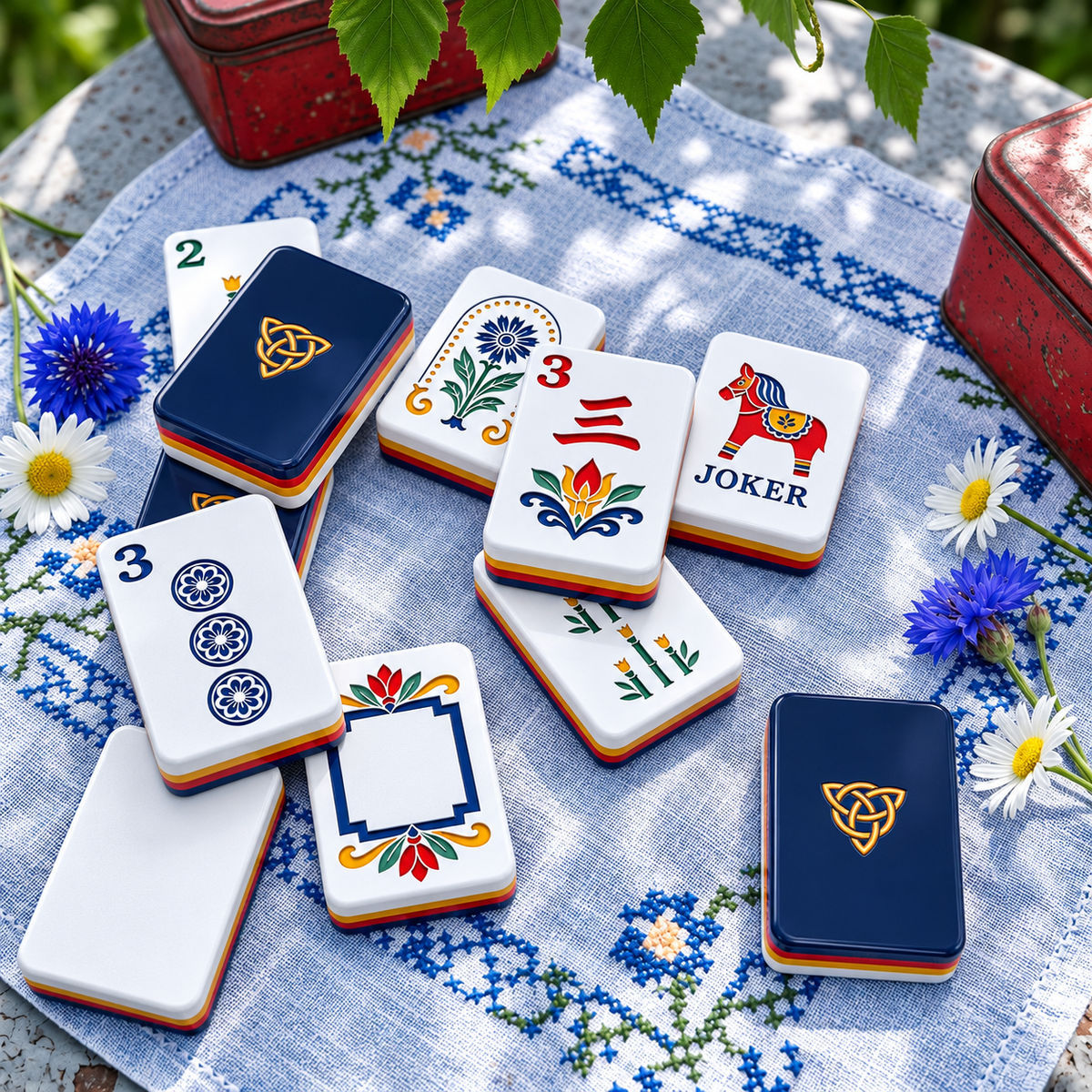
Mahjong tournaments in New York run year-round through the National Mah Jongg League (NMJL), regional competitions, and informal weekly clubs held in community centers, synagogues, libraries, and country clubs across Manhattan, Brooklyn, Queens, and Long Island. Most tournaments follow American mahjong rules using the current year's NMJL card; entry fees and formats vary from beginner-friendly round-robin events to competitive point-based playoffs. The NMJL website lists sanctioned tournaments with schedules and registration details. Casual clubs typically meet weekly with lower or no fees. To find your nearest option, search "[your neighborhood] + mahjong club" on community boards, call local senior centers and Jewish Community Centers, or ask at neighborhood libraries—many post tournament flyers or maintain referral lists. You'll need a complete American mahjong set (152 tiles plus 8 jokers), a personal rack, and familiarity with the current year's hand card before joining competitive play.
Where do New York mahjong tournaments actually happen?
Sanctioned NMJL tournaments occur at dedicated mahjong parlors, senior centers, community recreation facilities, and country clubs throughout the tri-state area. Most post schedules on the NMJL website; check the tournament calendar filtered by New York and your preferred month. Brooklyn, Queens, and Manhattan each have clusters of regular hosts—your local library or community board's bulletin board will often display announcements. Competitive events charge entry fees that cover prizes and facility costs; casual neighborhood leagues often run free or with nominal weekly dues. Start by phoning your nearest public library reference desk or community center activities coordinator; they maintain current venue and contact lists most players aren't aware of.

How do tournament rules differ from casual home play?
Tournament play enforces strict NMJL rules: exactly 152 tiles per game (never adding blanks or extra jokers), the current year's hand card only (cards expire each spring), Charleston passing before the first deal, and a standardized scoring system where all four players confirm and record points. At home, many players mix old and new cards or relax Charleston rules; tournaments don't allow this. Joker use, pung/kong exposure timing, and winning hand validation are scrutinized by officials. If you've only played casually, you'll want to drill the rules before entering a competitive bracket—especially understanding how jokers work and reading the card quickly under table pressure. Many tournaments offer beginner divisions with slightly slower play and more patient scoring review, which is ideal if you're new to the rules.
What skill levels compete, and which should I enter?
Tournaments typically tier players as beginner, intermediate, and advanced, though some run open brackets where all levels mix. Beginner divisions usually include players learning their first or second season; intermediate covers regular home players with solid card-reading and pace; advanced attracts players who compete frequently and know strategy nuances. A beginner division doesn't mean you'll lose—many groups rotate winners fairly—but it does create a comfortable learning environment with slower play and less pressure. Register honestly about your experience; tournament coordinators respect that, and moving up a level mid-season is always possible. If you've played weekly at home for a year or more, intermediate is usually right; if you're completely new, start beginner and enjoy the social atmosphere.

What gear do you need before showing up?
You need a complete American mahjong set (152 tiles plus 8 jokers), a personal rack with a pusher, and ideally your own tiles so you're comfortable with the weight and balance during fast dealing. Some tournaments provide house sets, but bringing your own tiles means you'll play at your best pace and confidence level. A small bag or case keeps your set safe in transit and is appreciated by tournament coordinators—nobody wants loose tiles rolling across the floor. You'll also want a notebook or scorecard to track points across rounds if you're playing multiple games. Wear comfortable clothes and shoes; mahjong tournaments can run four to six hours or longer if you're competing in multiple brackets.
🀄 Shop best-selling mahjong sets →
How do you prepare mentally and strategically?
Commit to memorizing this year's hand card before your first tournament; that's non-negotiable. Spend a few weeks reviewing it section by section during casual home play so reading it under pressure becomes automatic. Learn the Charleston passing patterns inside out—tournaments move faster and you'll have less time to think. Understand how jokers work in exposed pungs and kongs versus concealed hands; this separates confident tournament players from anxious ones. Play at least ten casual games with friends or a local club before entering; you'll catch your own mistakes and build table rhythm. Most importantly, accept that tournament mahjong is partly luck—the tiles you draw, the Charleston hands you receive, the exposure strategy other players use. Strategy matters, but so does humility. Veterans say the best preparation is showing up to play and watching experienced competitors work the card and manage the pace.
Preparation Step | What It Includes | Why It Matters |
Memorize card sections | Pung/kong combos, quints, sextets, special patterns | Fast reading under table pressure; no delays |
Drill Charleston passing | Hand trades, position awareness, passing etiquette | Smooth game flow; respects table time limits |
Learn joker rules in exposed sets | Jokers illegal in pairs or singles; legal in 3+ tile melds | Avoid penalty calls or exposing illegal hands |
Play 10+ casual rounds | Real tile flow, deal speed, scoring clarity | Confidence and rhythm before competing |
Test your personal set | Weight, tile feel, rack fit, noise level | Comfort during 4–6 hour tournaments |
What should you check before buying your tournament set?
Before purchasing a complete mahjong set, verify that it includes exactly 152 playing tiles plus 8 jokers—never fewer. Check that all four winds (North, East, West, South) are present in four copies each, and that the dragon tiles include Red (paired with Craks), Green (with Bams), and White/Soap (with Dots and as zero). Confirm the suits are labeled clearly (Bam, Crak, Dot) and match your learning materials so you're not confused at the table. If buying an engraved or custom set, make sure the laser work doesn't obscure the characters or suit symbols—readability under bright fluorescent tournament lighting matters. Test the tile weight and thickness if possible; heavier tiles feel more premium and are less prone to sliding during fast play. Ask the retailer whether the rack and pusher are included and whether they're designed for quick, smooth handling—tournament players appreciate racks that don't squeak or jam. If you're buying as a gift for a tournament player, engraved sets with a personal title or year are memorable and functional.
🎁 See our most-loved mahjong sets & accessories →
Most New York mahjong tournaments are social events first, competitive events second—the goal is players rotating through rounds, enjoying the game, and building community. Winning matters, but the tradition is stronger. Once you join a league or tournament, you'll discover a network of weekly games, invitations to private homes, and friendships that last decades. The barrier to entry is low: find a venue, learn the rules, bring your set, and show up. By month two you'll know regulars by name, and by month six you might be the one recommending your club to newcomers. Start with a beginner bracket, play five or six rounds to find your comfort zone, and let the rhythm of the tiles and the voices around the table pull you deeper. That's how New Yorkers stay connected to mahjong across seasons and years.
✨ Find your Mahstead set — free US shipping →

FAQ
Do I have to join the National Mah Jongg League to play in tournaments?
No. NMJL membership (ask them for current rates) unlocks sanctioned tournament scoring and national rankings, but many casual leagues and local tournaments run without it. Most beginners skip membership their first year and play in house tournaments or neighborhood clubs, then decide later if they want official points. Ask your tournament host what they require before registering.
What's the difference between American and Chinese mahjong in New York tournaments?
New York tournaments are almost exclusively American mahjong—152 tiles, the NMJL hand card, and no chows (sequences). Chinese mahjong uses 144 tiles, different melds, and regional variants. American is the standard in the tri-state area; Chinese is rarer outside specialty communities. If you're new, assume American unless a host explicitly states otherwise.
Can I play if I've never held a mahjong tile before?
Absolutely. Beginner tournament divisions exist specifically for players learning the game. We recommend understanding the basics first—spend a few weeks playing casually with friends or a local club—then enter a beginner bracket. You'll make mistakes, laugh, and learn faster at the table than anywhere else. Most players were beginners once; the community is patient with newcomers.
How long does a tournament game take?
A single game runs 20–40 minutes depending on pace and player experience. Most tournaments play four games per round, and competitive events run 2–4 rounds, so plan 4–6 hours if you're playing a full bracket. Casual club nights typically run 2–3 games and last 2–3 hours. Bring water, snacks, and comfortable shoes.
How much does it cost to enter a New York tournament?
Entry fees vary by host and event tier. Casual neighborhood clubs often charge nothing or a small weekly membership (ask your host); beginner-division tournaments typically charge a modest per-game or per-round fee that covers facility rental and sometimes prize pools or refreshments. Competitive open brackets may cost more. Check the tournament posting or contact the host directly for exact fees before registering.
What tiles should I avoid buying for tournament play?
Avoid sets with unclear or worn-down tile markings—under tournament lighting you need to read tiles instantly. Skip sets with missing tiles or fewer than 152 playing tiles (plus 8 jokers). Don't buy vintage bakelite sets unless they're completely intact; missing dragons, winds, or craks create game delays. If buying secondhand, count and verify all tiles before your first tournament. Mahstead sets ship complete and verified, so that risk is eliminated.


View More
View More
View More
