
Mahjong Tournaments in New Jersey: Where to Play & How to Join
Last updated: Nov 23, 2026
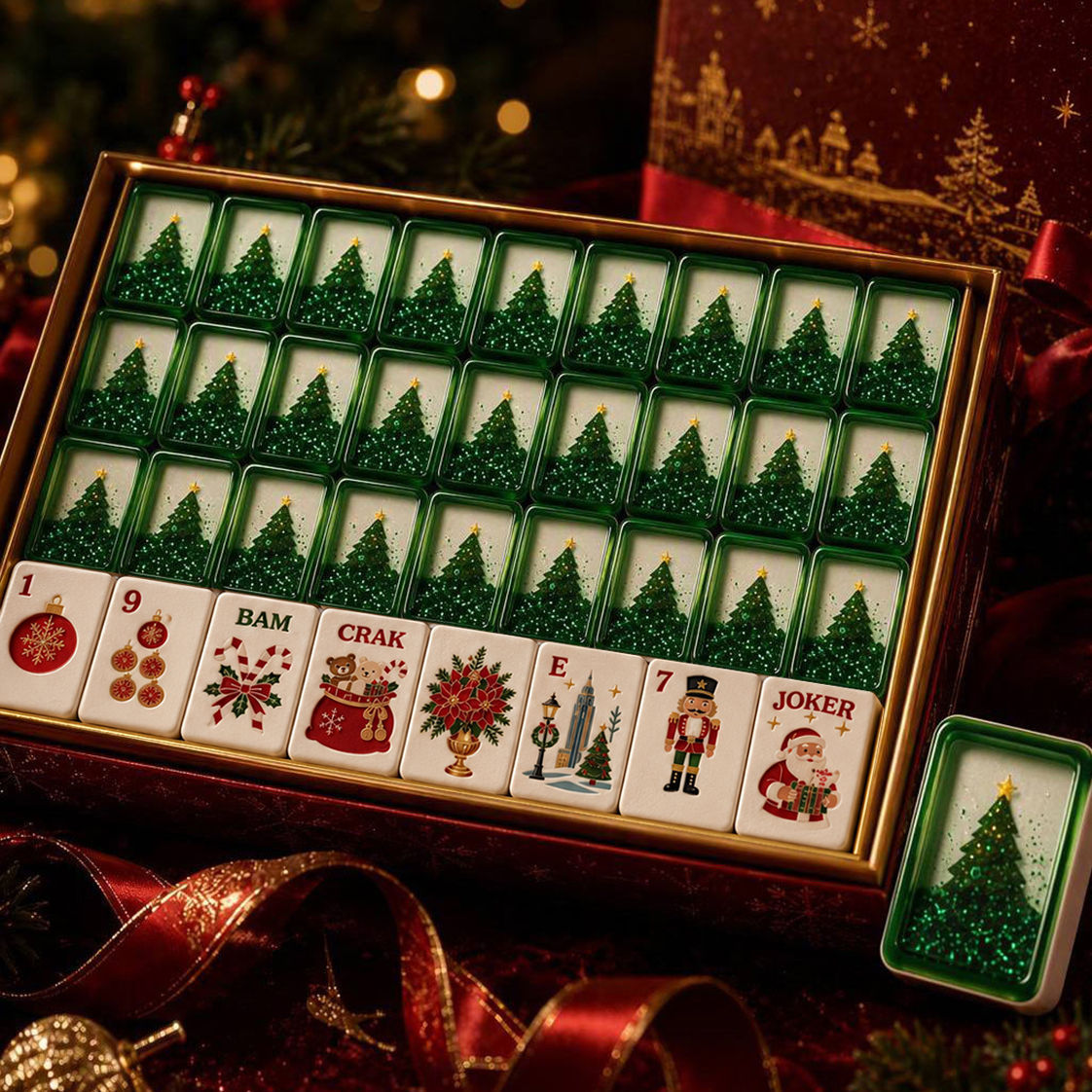
American mahjong tournaments in New Jersey run year-round through organized leagues, senior centers, and synagogue programs in areas like North Jersey, central counties, and the Shore. Most welcome beginners and advanced players in separate brackets. Tournaments typically cost between entry fees and membership; check community recreation departments, libraries, Jewish community centers, and Meetup boards for current schedules. You'll need a solid understanding of the current National Mah Jongg League card, the Charleston tile-passing ritual, and hand recognition. Bring your own set unless the organizer provides one; confirm this before registering. Tournaments run four to eight rounds over a few hours, scoring by points per hand. New players often stumble on joker rules or Charleston timing—we cover both in detail below. Start by locating a club that suits your skill level and schedule, then practice hands from the current year's card using our best-selling mahjong sets so you arrive confident.
Where do New Jersey mahjong tournaments actually happen, and how do I find the one closest to me?
Tournaments run through three main pathways: senior centers (often free or low-cost drop-ins), synagogues and Jewish community organizations (spring and fall leagues, typically in North Jersey and central counties), and recreation department programs. Visit your town or county parks & recreation website, call the senior center directly, and ask the director if they host mahjong or can refer you to a nearby group. Check synagogue event calendars—many run weekly games and seasonal tournaments. Search Meetup.com for "[Your County] mahjong" to find active clubs and their meeting schedules. Libraries sometimes post flyers or maintain lists of game groups. Call ahead: venues move, schedules change, and some tournaments accept walk-ins while others require advance registration.
What happens on tournament day, and what should I bring?
Tournament play follows the National Mah Jongg League standard: four players, 16 rounds or fewer, scoring by points per winning hand. Arrive 15 minutes early with your set, a pen, and your current League card (or ask if the organizer provides a shared wall of cards). Bring a notepad to track scores. Most tournaments provide a table and seating; some ask you to contribute a mat. Confirm whether you supply your own set or the organizer loans one. Wear layers—mahjong rooms run cool, and you'll sit for two to four hours. Bring water and snacks (ask what's allowed). Some venues charge a small session fee at the door; others are membership-only or free for residents. Arrive in the right mental space: tournament play moves faster than casual games, hands reset quickly between rounds, and you won't have time to chat between turns.

How do I get tournament-ready if I'm new to American mahjong?
Start with our mahjong for beginners guide to lock in tile names, the Charleston sequence, and the basic rule that you can only expose pungs, kongs, and quints—never chows. Spend two weeks drilling the current year's National Mah Jongg League card: learn how to read it, recognize hand patterns by their symbols, and spot when a hand is possible or impossible given your tiles. Practice the tile-passing Charleston so it feels automatic. Join a casual weekly game at a library or community center (not a tournament) and play five or ten rounds to build speed and confidence. Watch other players during your first tournament round—you'll spot tricks and timings you missed in practice. Use an engraved American mahjong set or our best-selling collection for practice so you know your tiles inside out before game day.
What are the most common tournament mistakes, and how do I avoid them?
Mistake: Misusing jokers. Jokers are wild tiles used to fill blanks in exposed pungs, kongs, or longer melds—never in a single tile or pair, and never hidden in a concealed pung. At your first tournament, watch how experienced players lay out their melds and ask the dealer if you're unsure. Read our guide on how jokers work before you play. Mistake: Botching the Charleston. The three-round tile pass before play starts sets your hand's fate; passing too slowly, passing to the wrong player, or keeping tiles by accident throws off the entire table. Practice the Charleston rhythm with a casual group first. Mistake: Playing a hand that isn't on the card. Always verify your winning hand exists on the current year's League card in exact form—same suit, same pips, same symbols. A hand off by one tile costs you the round and counts as a false win at some venues. Mistake: Forgetting to slow down. Tournament tables move briskly. If you miss your turn or play out of order, the dealer will catch it, but it breaks rhythm. Stay alert, keep your hand compact, and call or play cleanly.
Mistake | Why It Costs You | How to Prevent It |
Wrong joker placement | False win penalty; table restart | Practice concealed vs. exposed melds; ask the dealer before play |
Charleston hesitation or error | Tiles out of sequence; game delay | Run the three-round pass with a casual group five times first |
Hand not on the card | Disqualified win; you score zero | Check the card three times; compare suit, numbers, and symbols |
Playing out of turn | Dealer corrects; you lose that turn | Watch the discard pile; count players; play only on your turn |
Mixing up wind or dragon tiles | Meld errors; false claims | Label your tiles mentally; ask the dealer the first time you're unsure |
What should I expect from beginner-friendly vs. competitive tournaments?
Beginner-friendly tournaments (usually at community centers or synagogues) seat you with other new players, move a touch slower, and tolerate questions from the dealer between rounds. Organizers often run a brief rules refresher before play starts. Competitive tournaments (typically at established clubs or league playoffs) assume you know the card cold, play at faster pace, and allow minimal table talk. Beginners sometimes land in competitive brackets by mistake—confirm the tournament level when you register. Many venues run both brackets on the same day; choose the one that matches your experience. Your first tournament should be beginner-friendly and no more than eight rounds so you don't burn out. Second and third tournaments can be longer or more competitive as your speed and confidence grow. Attend two casual weekly games before your first tournament; this cuts anxiety by 80% and teaches you table rhythm.

What gear and accessories actually help me perform better in a tournament?
A high-quality set you know inside-out is non-negotiable. Tournament tables often use standard-sized tiles and bamboo racks; if you own racks with pushers, some venues accept them (ask ahead). A mat creates faster play because tiles stay put and don't scatter when tiles are discarded. Bring a slim travel bag so your set doesn't shift during the car ride. Carry a small mahjong rack if you prefer it to hand-holding—it steadies your hand, lets you see your tiles clearly, and speeds up your turns. A pen and scorepad (ask the organizer to provide or bring your own). Some players bring a small timer (optional; the dealer usually calls time). Don't bring your phone to the table, even on silent. Do bring water in a spill-proof container. Leave the lucky charms at home—they don't affect the tiles, but they do distract your focus.
🀄 Shop best-selling mahjong sets →
How do I register and pay, and what if I can't make the tournament?
Contact the organizer (synagogue office, senior center front desk, or club president) and ask for the date, time, location, entry fee structure, and cancellation policy. Some tournaments are free (municipality-run senior programs), while others charge a one-time entry or session fee. Ask if you need to register ahead or can walk in. Get the organizer's phone number or email so you can cancel with notice if plans change—most venues have a cancellation deadline. Confirm whether you bring your own set or the organizer provides one. Ask for a scorecard copy so you can review your hands and learn afterward. If the closest tournament is far away, ask the organizer if they know other groups meeting closer to you. Most organizers are happy to connect newcomers with sister clubs in neighboring towns.
What if I finish in the middle of the pack or score low?
You're in good company. Tournament play is tighter than casual games because everyone is sharp and fast. Low scores at your first tournament are normal and don't reflect skill—they reflect unfamiliarity with the pace and pressure. Attend a second tournament within two weeks so the rhythm sticks. Review your scorecard after the game and ask the dealer or a strong player why you missed certain hands. Most tournament players score similarly over time because the hand order is the same for everyone; a low score one round often bounces back. Focus on clean play and speed, not on winning; points will follow as your pattern recognition improves. Play at least ten casual rounds before your second tournament so you build confidence between competitive events.
✨ Find your Mahstead set — free US shipping →
What to Check Before You Register
[ ] Tournament level (beginner, intermediate, or open)
[ ] Date, time, and exact venue address
[ ] Whether you bring your own set or organizer loans one
[ ] Entry fee or membership requirement
[ ] Number of rounds and time limit
[ ] Cancellation deadline and refund policy
[ ] Whether mats, racks, or accessories are welcome or required
[ ] Organizer's phone number for questions on game day
[ ] Parking and accessibility (wheelchair access, etc.)
[ ] Current year's National Mah Jongg League card (ask if organizer provides or if you must bring your own)
If you're also brushing up on the rules before your first tournament, our guide on how to read the mahjong card walks through hand patterns, symbols, and card navigation step-by-step. And if you're still new to the Charleston or joker placement, review those guides first so you don't waste mental energy on basics during play.
🎁 See our most-loved mahjong sets & accessories →

FAQ
Can I play in a New Jersey tournament if I've only played Chinese mahjong?
American mahjong is a different game—no chows (sequences), different tile count and symbols, and hands only from the yearly League card. You'll need to learn American rules and practice the card before joining a tournament. Start with our beginner guide and attend casual games for two to three weeks.
Do I have to be a member of a club to play in tournaments?
Most community center and synagogue tournaments welcome non-members for a session fee or small entry cost. Established private clubs sometimes require membership. Call the organizer ahead to ask; they'll tell you your options.
What's the typical entry fee for a tournament in New Jersey?
Costs vary by venue and level. Community center games are often free or under $10 per session. League tournaments and club events typically charge a flat entry per tournament or require membership. Contact the organizer for exact pricing.
Can I attend a tournament if I've only watched mahjong, never played?
No. Tournaments move too fast and assume you know the tiles, Charleston, and current card. Play 10–15 casual games first, then join a beginner tournament. You'll have a much better experience.
What happens if I make a mistake during a tournament game—can the dealer fix it?
The dealer catches and corrects rule violations (wrong tile order, out-of-turn play, false claims) immediately. If you misread your hand or discarded a tile you meant to keep, it's usually too late. Stay focused and double-check before you play or call.
Can I bring my phone or take photos during a tournament?
Phones at the table are not allowed. Photography of hands or the card during play is typically forbidden to protect the League's copyright and keep the table focused. Leave your phone in your bag.
How do I find a beginner-friendly tournament vs. a competitive one?
Ask the organizer directly: "Is this suited for someone who has played casual games but never a tournament?" They'll tell you the skill level and whether they seat beginners separately. Beginner tournaments are slower-paced and more forgiving.
What's the best way to practice before my first tournament?
Play casual weekly games at a library or community center for 2–3 weeks. Drill the current year's League card daily (10 minutes on hand patterns). Practice the Charleston with your home group until it's automatic. Then register for a beginner tournament.


View More
View More
View More
