
Thanksgiving Mahjong Party: Cocktails & Hosting Tips
Last updated: Nov 23, 2026
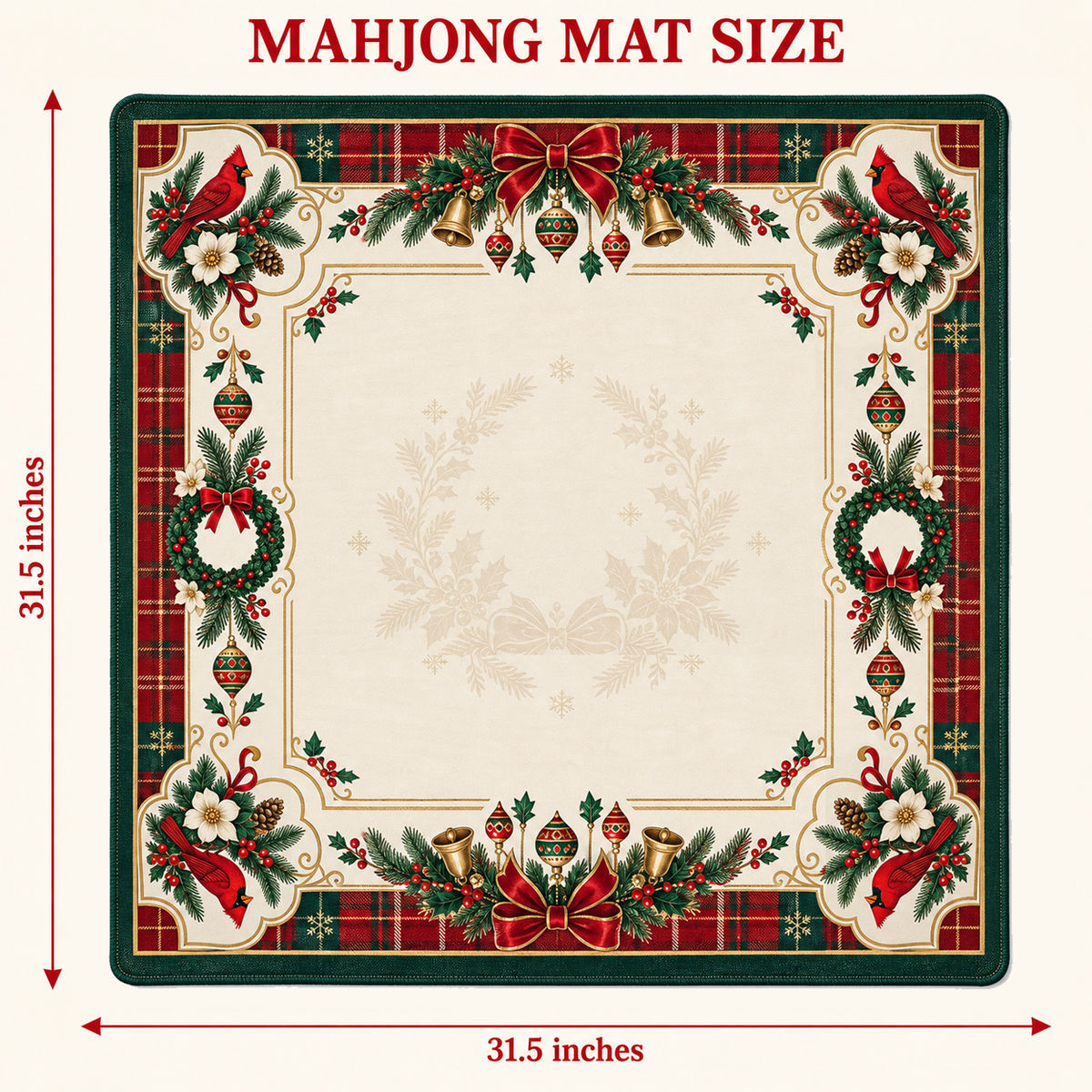
Thanksgiving mahjong parties work best when you pair light, seasonal cocktails with an unhurried game pace. Serve drinks that don't sticky-up hands—avoid sugar-rim glasses and deep reds—and set up a dedicated hand-washing station near the table. Drinks to consider: a simple whiskey apple cider, a cranberry-orange spritz, or a non-alcoholic spiced tea. The game itself plays the same—four players, one hand per person drawn from the current year's National Mah Jongg League card—but you'll want a quiet, well-lit table with a quality mahjong mat to protect your tiles and keep the game moving. Allow 2–3 hours for four rounds, plus breaks. Mahstead players typically host on Friday after Thanksgiving, when the pace feels less rushed and there's room for laughter between hands. 🀄 Shop best-selling mahjong sets →
Why Thanksgiving is prime mahjong season
Thanksgiving gathers family and friends for hours—exactly the window mahjong thrives in. Unlike fast card games, mahjong rewards deep focus and storytelling between hands. A cocktail party with mahjong as the center, rather than the background, means guests commit to the table instead of drifting between conversations. The ritual of the Charleston—the tile-passing exchange before each hand—becomes part of the gathering rhythm, and players naturally form bonds by the third or fourth round. Thanksgiving food is also heavy; a mahjong table gives post-meal guests something active to do that doesn't demand more eating.
What cocktails work best with a four-hour mahjong session?
You want drinks that hydrate, don't stain tiles, and don't cloud judgment after two rounds. Avoid Manhattans, negronis, and anything with dark liqueurs—if someone sets a glass down and forgets it, a spill ruins tiles and fabric. Light, spirit-forward drinks fare better: a bourbon and sparkling apple cider (served in a tall glass to minimize tipping), a dry white wine spritz with fresh cranberry, or a gin-and-tonic with a ginger beer variation. For non-drinkers, offer unsweetened iced tea with lemon, sparkling water with pomegranate juice, or mulled spiced cider in a handled mug (handles reduce hand-reaching and tile-bumping). Provide a small water glass at each seat, refilled quietly between rounds. The key: drinks should feel celebratory without requiring players to leave the table or wipe their hands repeatedly.
Drink Type | Alcohol | Stain Risk | Hydration | Best For |
Bourbon & apple cider | Yes | Low | Moderate | Seasonal feel |
Gin fizz (ginger beer) | Yes | Very low | High | Long sessions |
Cranberry-orange spritz | Yes | Moderate | Moderate | Festive theme |
Mulled cider (handled mug) | Optional | Low | High | Non-drinkers + comfort |
Sparkling water & fruit juice | No | Very low | Very high | Drivers, preference |
How do you set up the physical table to keep play smooth and drinks safe?
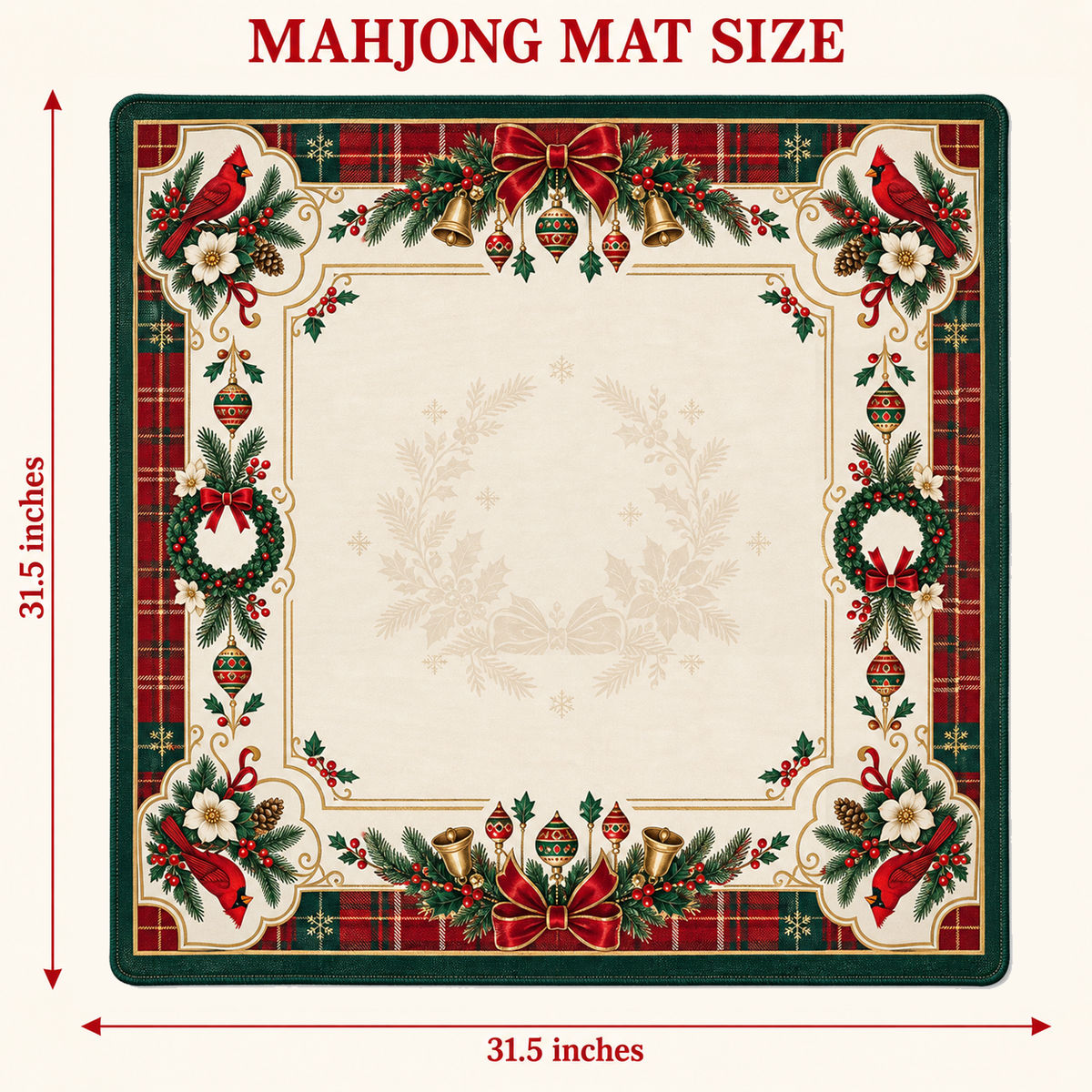
A dedicated mahjong surface is the first move. Invest in a mahjong mat that defines the playing area, protects tiles from spills, and makes cleanup instant. Position it on a sturdy dining or card table—height matters; players should sit with their elbows at roughly 90 degrees to avoid hunching. Place drink glasses behind the mat, not on it, so reaching for a hand doesn't mean knocking over a cocktail. Use small side tables (even TV trays work) to hold snacks, scorecards, and pencils. A lazy Susan or serving tray in the table's center keeps nuts, cheese, and fruit accessible without reaching across the game. Before play, hand out small napkins or coasters—this signals where glasses belong. Ensure overhead lighting is bright but not harsh; a desk lamp angled down works if ceiling lights are dim. Keep paper towels and a small damp cloth folded nearby for quick hand-wiping without leaving the table.
🎁 See our most-loved mahjong sets & accessories →
What gear do you actually need to host four players comfortably?
A 160-tile acrylic American mahjong set is the foundation—acrylic tiles won't absorb spills or stain easily. Four racks with pushers keep tiles upright and organized so no one has to hold them in their hands all round; this alone cuts hand fatigue and tile-dropping by half. A mahjong mat protects the table and defines the play zone. A current-year National Mah Jongg League card (available online or from many mahjong groups) is non-negotiable; you cannot play American mahjong without it. Have printed scorecards and a pencil at each seat—many groups keep score by hand to avoid phone screens. If you host regularly, a bag or case means setup and cleanup become two-minute tasks, which keeps the spirit of hosting light. For first-timers, a reference guide like a printed hand-reading chart eliminates hesitation when someone declares a win.

How long should you plan for, and how do you handle players at different skill levels?
Four rounds of American mahjong, played at a relaxed pace with a fresh Charleston before each, takes roughly 2.5 to 3 hours—ideal for post-Thanksgiving when energy is moderate. Each individual hand lasts 15–30 minutes depending on player speed and tiles drawn. Beginners slow things down, but frame this as part of the party: more conversation, more laughs, more ties between rounds. If you have a mix of experience levels, pair a beginner with an experienced player as their left-hand neighbor (that's the position with the most influence over the game), and quietly let the experienced player call out options early on ("You could pick from the discard, or draw from the wall"). After hand one, beginners catch the rhythm. Announce breaks every two rounds—step outside, refresh drinks, reset tile walls. If someone's tired after round two, pivot to a light conversation round or switch to a two-hand demo game that teaches faster than watching.
What should you check before you buy a set for hosting?
Before purchase:
Confirm the set is 160-tile acrylic (152 playing tiles, spares for durability).
Verify it includes eight jokers (essential for American mahjong).
Check that the tiles are engraved, not just printed—print wears off after repeated use.
Read the care note: acrylic can be wiped clean but shouldn't be soaked.
Before your first party:
Test the racks: do pushers slide smoothly? Can you see all your tiles comfortably?
Run a practice hand so you're fluent on the current year's card layout.
Seat-test the table setup: is it high enough? Does the mat lay flat?
Confirm your mat is washable and dries quickly.
Have extra napkins and coasters on hand—they disappear faster than you'd expect.
Common hosting mistakes to avoid:
Serving drinks that require two hands (a full martini glass, a wide bowl-style cocktail).
Placing the mat on a wobbly table; tiles will slide mid-hand.
Starting without a scorecard system; arguing about points afterward sours the mood.
Forgetting to keep the current-year card visible—players will reference it dozens of times.
Seating players too close; elbows bump, tension rises, tiles fall.
✨ Find your Mahstead set — free US shipping →
A one-minute hosting checklist for Thanksgiving mahjong day
Table: sturdy, well-lit, clutter-free. Mat centered.
Tiles: 160-tile set, racks with pushers, jokers counted. Current-year card printed or visible.
Drinks: positioned behind the mat, small water glass at each seat, non-alcoholic option ready.
Seats: four chairs, 18–24 inches apart, all at the same height.
Paper: scorecards, pencils, napkins, a small damp cloth folded nearby.
Food: snacks on a side surface or lazy Susan, not the mat.
Breaks: plan two after rounds two and four.
Backup: know one simple hand to teach if someone gets stuck.
You're ready to host.

FAQ
Can I host Thanksgiving mahjong if no one at my table has played before?
Yes, and many groups do. Dedicate the first hand to learning; reference the current-year card constantly, celebrate each small win, and keep commentary light. By hand two, the rhythm clicks. Serve food between hands, not during, so people aren't juggling a plate and tiles.
Do I need to serve alcohol to make it a "cocktail" party?
No. Mahjong and mocktails are equally festive. A mulled cider or sparkling cranberry-orange juice feels celebratory, hydrates better than cocktails, and removes the barrier for non-drinkers. Thanksgiving mahjong is about the gathering, not the booze.
What's the best mat to use if I don't have a dedicated mahjong table?
A 36–48 inch fabric mahjong mat protects a dining table and lays flat on any surface. It defines the play zone, dampens tile noise, and wipes clean in seconds. Avoid vinyl tablecloths; they're slippery and tiles won't stay steady.
How many people can I seat for Thanksgiving mahjong?
American mahjong is strictly a four-player game. If you have more than four guests, rotate players between rounds or set up two tables. This lets everyone participate and avoids the awkwardness of spectators.
Should I teach the rules beforehand or during the game?
During is better. Send a friendly note two weeks ahead: "We're playing American mahjong—no experience needed, we'll teach as we go. Wear comfy clothes and bring a sense of humor." On the day, spend five minutes on the basics (draw, discard, call a pung or kong, win by completing a hand from the card), then learn by doing. The card is your reference; checking it constantly is normal.
What's the most common hosting mistake people make?
Serving sticky food or dark drinks close to the tiles. Grease and stains accumulate fast. Also, seating people too close; when elbows bump, concentration breaks and tension rises. Space, clean hands, and hydration (water, not just cocktails) keep the vibe light for hours.


View More
View More
View More
