
Mahjong Tournaments in Minneapolis: A Player's Guide
Last updated: Nov 23, 2026
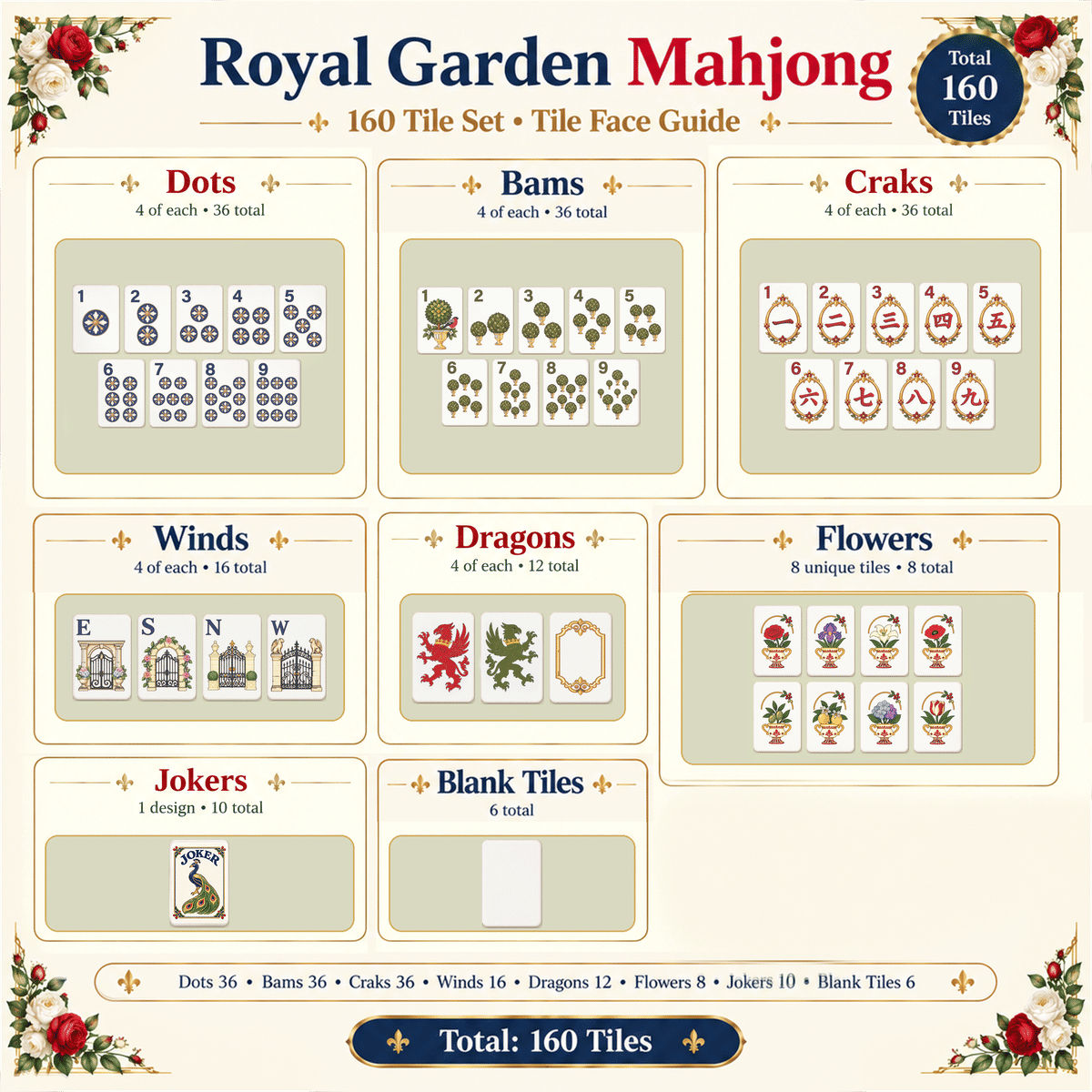
Mahjong tournaments in Minneapolis run year-round through community centers, libraries, synagogues, and private clubs—mostly hosting American mahjong with four-player games following National Mah Jongg League rules. Tournaments typically happen on weekends or weekday evenings; entry is often free or a small donation. Most events welcome beginners alongside experienced players in separate brackets or skill tiers. Check community center bulletin boards, library event calendars, Meetup.com, and Facebook groups searching "Minneapolis mahjong" or "Twin Cities mahjong" to find current schedules. A 160-tile best-selling mahjong set and a mahjong mat help you practice before entering, and understanding American mahjong rules is essential for tournament play. 🀄 Shop best-selling mahjong sets →
Where Do Minneapolis Players Actually Meet?
Community centers are your best starting point for regular, low-pressure games. Hennepin County libraries often post mahjong club schedules in their event listings—call ahead or check their websites. Synagogues and Jewish community centers frequently host tournaments in spring and fall; many are open to all faiths and skill levels. Country clubs and private clubs sometimes run invitation-only or public events; ask at your local club or search online bulletin boards. Meetup.com groups dedicated to Twin Cities mahjong can connect you to weekly informal games and tournament announcements within days.

What's the Difference Between Club Play and Tournament Play?
Club play is casual—no stakes, flexible rules, forgiving of beginner mistakes, and social. Tournaments follow strict National Mah Jongg League rules: you play only hands on the current year's card, declare your hand before drawing the final tile, and pay attention to wind rotations and scoring. Club games often run 45 minutes to an hour per round; tournaments may run 4–6 rounds over 3–5 hours. Most Minneapolis tournaments post rules on their flyers or websites. If you've played casually, attending a club game first helps you learn the rhythm before tournament pressure.
How Do I Prepare for My First Tournament?
Learn how to read the current National Mah Jongg League card—this is non-negotiable; tournaments will not teach you. Practice the Charleston tile-passing ritual until it feels natural; fumbling here slows everyone down. Understand how jokers work—many beginners misuse them and create conflicts. Play 5–10 club games before entering a tournament; you'll feel confident in hand recognition and pace. Bring a set you know well (quality matters—worn or mismatched tiles cause misdeals and delays). A mahjong mat organizes your hand so others can't peek during play, and racks with pushers speed up your game. Eat a light snack beforehand; tournaments are mentally taxing over several hours.
What Equipment Should I Bring or Expect?
Most tournaments provide tiles and mats, but clarify when you register. A personal set and mat guarantee you're comfortable—your own tiles have a consistent feel and your mat protects your hand. Bring a pen and paper to track scores (tournaments score hands, not round-by-round chips). Wear layers; community center play rooms vary in temperature. A small travel bag or case keeps your set safe if you drive between venues. Some players bring a lucky charm or bracelet—purely superstition, but it helps with focus. Arrive 15 minutes early; organizers seat players just before the first round, and being rushed throws off your mental game.

What Mistakes Do Newcomers Make—And How to Avoid Them?
The Preparation Slip-Ups
Mistake | Why It Costs You | How to Prevent |
Skipping the card study | You won't recognize valid hands; you'll miss winning combos | Print the current card, play 10 practice hands solo |
Not knowing Charleston rules | You'll hold the wrong tiles after the pass; others get annoyed | Watch a video, practice the pass 5 times before game day |
Using jokers in singles or pairs | Invalid hand declaration; penalty or hand void | Reread: jokers only in pung/kong/quint/sextet combos |
Bringing old sets or damaged tiles | Misdeals, slow play, tilt | Test your set at a club game first |
At the Table
Declaring too fast before checking your tiles—always count and verify before calling "mahjong." Exposing your hand during play (talking about what you've drawn, leaving it undefended on the mat). Arguing about scoring in real time instead of noting the discrepancy and asking the director afterward. Not watching the discard pile; you miss seeing what others need, and you can't track dead hands. Playing on tilt after a loss—take a water break, reset your mind before round two.
🎁 See our most-loved mahjong sets & accessories →
How to Find Upcoming Tournaments This Season
Start with Hennepin County's Parks & Recreation department—their website lists mahjong classes and tournaments by location and date. Call or visit community centers in your neighborhood; many post flyers or have staff who know the local circuit. Check libraries in Edina, St. Louis Park, and Minneapolis proper; they host or link to mahjong events. Search Facebook for "Minneapolis mahjong tournament," "Twin Cities mahjong club," or "Minnesota American mahjong"—group admins post schedules weeks in advance. Meetup.com groups in the Minneapolis metro often have an "events" tab where organizers list competitions. Ask friends who play; word-of-mouth is how most locals hear about smaller, recurring tournaments. Many clubs email a seasonal schedule to returning players, so sign up for their mailing list after your first visit.
The Minneapolis scene is welcoming to newcomers, especially if you show up prepared and respectful of the rules. Most experienced players remember their first tournament and are patient with honest mistakes. The real edge comes from practicing at home with quality tiles and a mat before you compete.
What to Check Before You Buy a Set
If you're investing in your own tiles for tournament play, buy a 160-tile American set (never a 144-tile export set or non-American variant—tournaments use 152 tiles, always). Acrylic tiles are durable and sound crisp when stacked, unlike bamboo or plastic that wear or feel hollow. Check that the set includes a mat and score cards; incomplete sets waste your money. Verify that engraved tiles are laser-marked deeply enough to read under fluorescent tournament lighting—shallow etchings fade visually during long play. Look for a set that comes in a protective bag or case; sets traveling to tournaments need it. Browse our best-selling acrylic sets—each is built for durability and clarity, with free US shipping so you can practice immediately.
Getting Started: A Beginner's Checklist
[ ] Read Mahjong for Beginners to grasp core concepts
[ ] Study the current National Mah Jongg League card for 30 minutes daily for 2 weeks
[ ] Join a casual club game to practice before any tournament
[ ] Learn the Charleston and practice it 5 times with friends
[ ] Understand how American mahjong scoring works
[ ] Get a 160-tile set and mat; test them at a club game
[ ] Search community boards for your first tournament; register online or by phone
[ ] Arrive 15 minutes early with your set, water, and printed card reference
[ ] Play your first round slow and steady; focus on accuracy, not speed
✨ Find your Mahstead set — free US shipping →

FAQ
Do I have to be an expert to play in a Minneapolis tournament?
No. Most tournaments have beginner and intermediate brackets, or mix skill levels in casual divisions. Call the organizer before registering and ask which tier fits you—honesty keeps the game fun for everyone.
What if I don't own a set yet?
Tournaments usually provide tiles and mats. Confirm when you register. Many newcomers borrow sets from friends their first time; buying your own after two or three tournaments makes sense when you know you'll keep playing.
Can I use a Chinese or Hong Kong mahjong set at an American tournament?
No. American tournaments use only American sets (152 tiles: Bams, Craks, Dots, winds, dragons, flowers, jokers). Chinese sets have a different tile count and suit system; they're incompatible.
How much does it cost to enter a Minneapolis tournament?
Entry fees vary by venue and event—most community center tournaments are free to $10, while larger or charity events may cost more. Call ahead to confirm the current fee for the tournament you're interested in.
What time do tournaments start, and how long do they run?
Most start at 9 or 10 a.m. or 6 p.m. on weekdays, running 3–5 hours depending on the number of rounds. Check the event listing for exact times; arriving late may result in a bye (skipped round) or removal from the bracket.
Is the National Mah Jongg League card the only one used in tournaments?
Yes, in American mahjong tournaments. The League issues a new card every spring, and tournaments use only that year's card for hand validation. Bring a printed copy or have it memorized.
Can beginners join a regular club game, or is that for experienced players only?
Club games welcome beginners. Expect a slower pace and more patient players than tournaments—this is where most people learn before competing.


View More
View More
View More
