
Do You Need a Mahjong Rack Bag? Complete Buying Guide
Last updated: Nov 23, 2026
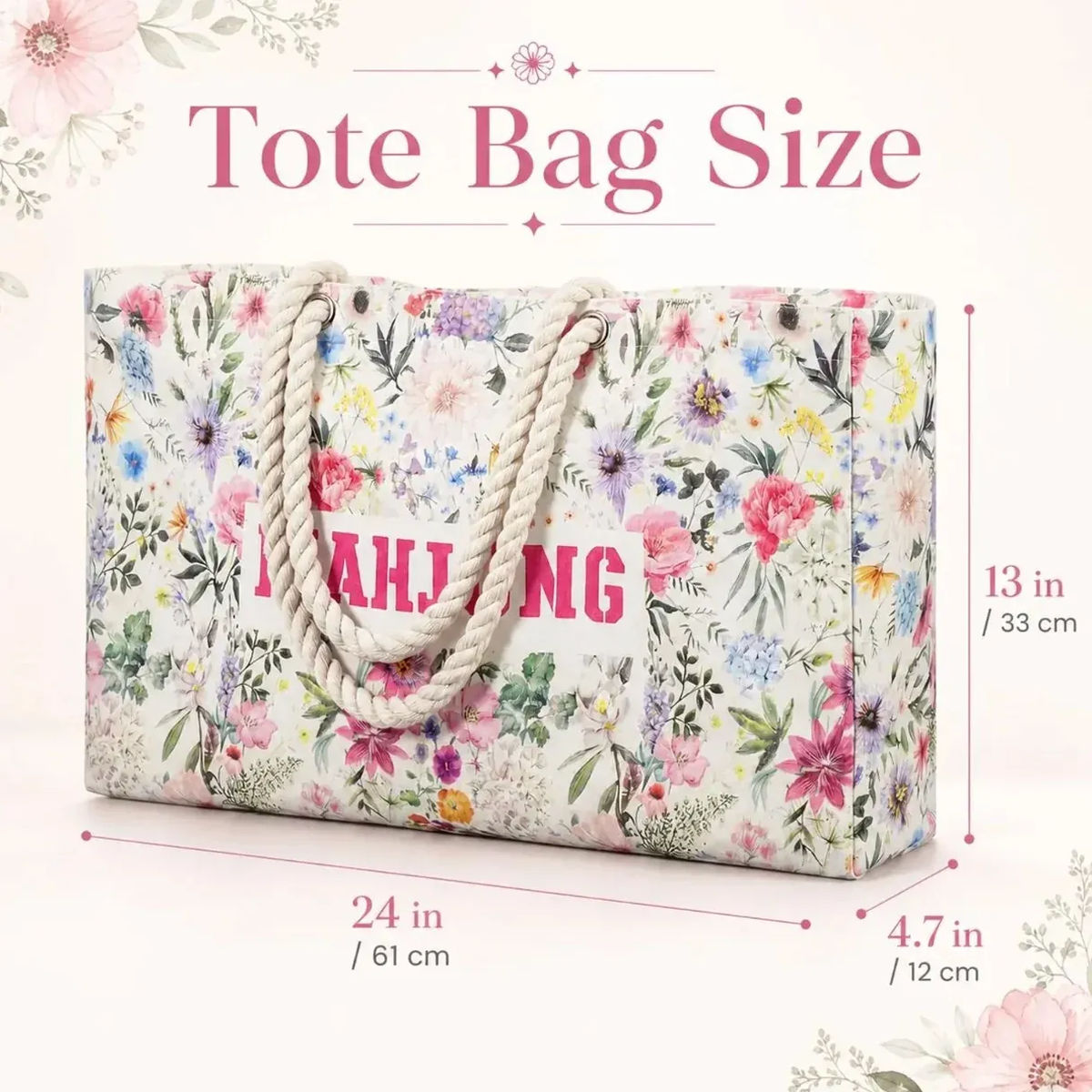
A mahjong rack bag is a padded or rigid carrying case designed to hold one or more tile racks with pushers and, depending on size, your tiles or the full set. Players who host weekly games at different locations or attend tournaments need one to prevent damage—tile racks can crack, pushers bend, and loose tiles scatter in a regular tote. Bags come in soft-sided (lighter, flexible) and hard-shell styles, with interior compartments for organization. Mahstead designs rack bags that fit standard American mahjong racks and pushers; whether you need one hinges on how portable your game is. If you play at the same table every week, a dust cover might suffice. If you're packing up weekly or traveling between venues, a dedicated bag pays for itself in tile longevity.
Do You Actually Need One?
A rack bag becomes essential the moment you move your set more than once a month. If you host the same game weekly in one home and your racks live in a closet untouched, a soft dust cover often does the job. But if you're the person who rotates hosting, travels to tournaments, or plays in rotating venues, your racks endure repeated flex, pressure, and bumps. We've seen tile racks crack from being tossed into a car trunk and pushers bend so badly they jam tiles mid-game. A purpose-built bag absorbs shock and holds racks rigid during transport, which a grocery tote cannot do.
🀄 Shop best-selling mahjong sets →

What Should a Good Rack Bag Protect?
A standard American mahjong set includes tile racks with pushers that are the most fragile component—more fragile than acrylic tiles. Racks have thin walls and hinged pushers that break under pressure. A quality bag cradles racks in padded compartments, keeping them from shifting during transport. Many bags also hold dice, spare jokers, and the National Mah Jongg League card. Some players store their entire set—all 160 tiles—in a bag with interior tile trays; others use a bag just for racks and carry tiles in a mat case or separate container. The best bags have reinforced seams and handles rated for weight, since four loaded racks can feel heavy after a ten-minute walk.
Consider what you're moving weekly: just racks and pushers, or the full set plus accessories? If you travel with your mat and a best-selling set, you might want separate bags for racks and tiles to distribute weight and avoid crushing delicate pushers under a pile of tiles.
Soft Bags vs. Hard Cases: Which Fits Your Life?
Bag Type | Best For | Portability | Durability | Storage |
Soft-sided padded | Weekly local games, casual hosts | Rolls or folds; fits in car door pockets | Resists minor bumps; moderate compression | Takes up little closet space |
Hard-shell or structured | Frequent travel, tournaments, serious players | Rigid; stacks in vehicles | Protects against major impacts and crushing weight | Bulkier; needs dedicated shelf |
Hybrid (fabric + rigid frame) | Balance of protection and portability | Moderate; frame adds stability | High; handles rough handling | Medium footprint |
Soft bags suit players who drive their set to the same three friends' homes. Hard cases work if you fly to tournaments or store your set in a shared closet where other items might stack on top. Hybrid bags—canvas exterior with internal rigid dividers—offer middle ground: they pack flat when empty and expand to hold racks snugly when full. Test how you actually move your set: if it's going in a padded car seat every Friday, a soft bag works fine. If it's going into a garage corner where your kids' bikes might tip into it, a hard case earns its space.
How to Match Bag Size to Your Setup
The number of racks you own dictates the minimum bag size. Most players have one set of four racks—one per player. Some have two or three sets for teaching or running a tournament. A single-set bag holds four racks and pushers compactly; bags labeled for two sets are roomier, often with tile trays and an accessory pocket.
Measure your racks before buying: a standard American mahjong rack is roughly 14–15 inches long and 3–4 inches deep when closed. A bag labeled "fits one standard set of racks" should hold that size without forcing racks in at odd angles—compression damages hinges over time. If you're buying a travel-bag collection piece, verify the interior dimensions or, when in doubt, ask what racks it's designed for. Some bags fit only Chinese racks (narrower) or Hong Kong racks (different shape); American racks are wider and sit higher when standing. Don't assume "mahjong bag" means it fits your American racks.
🎁 See our most-loved mahjong sets & accessories →
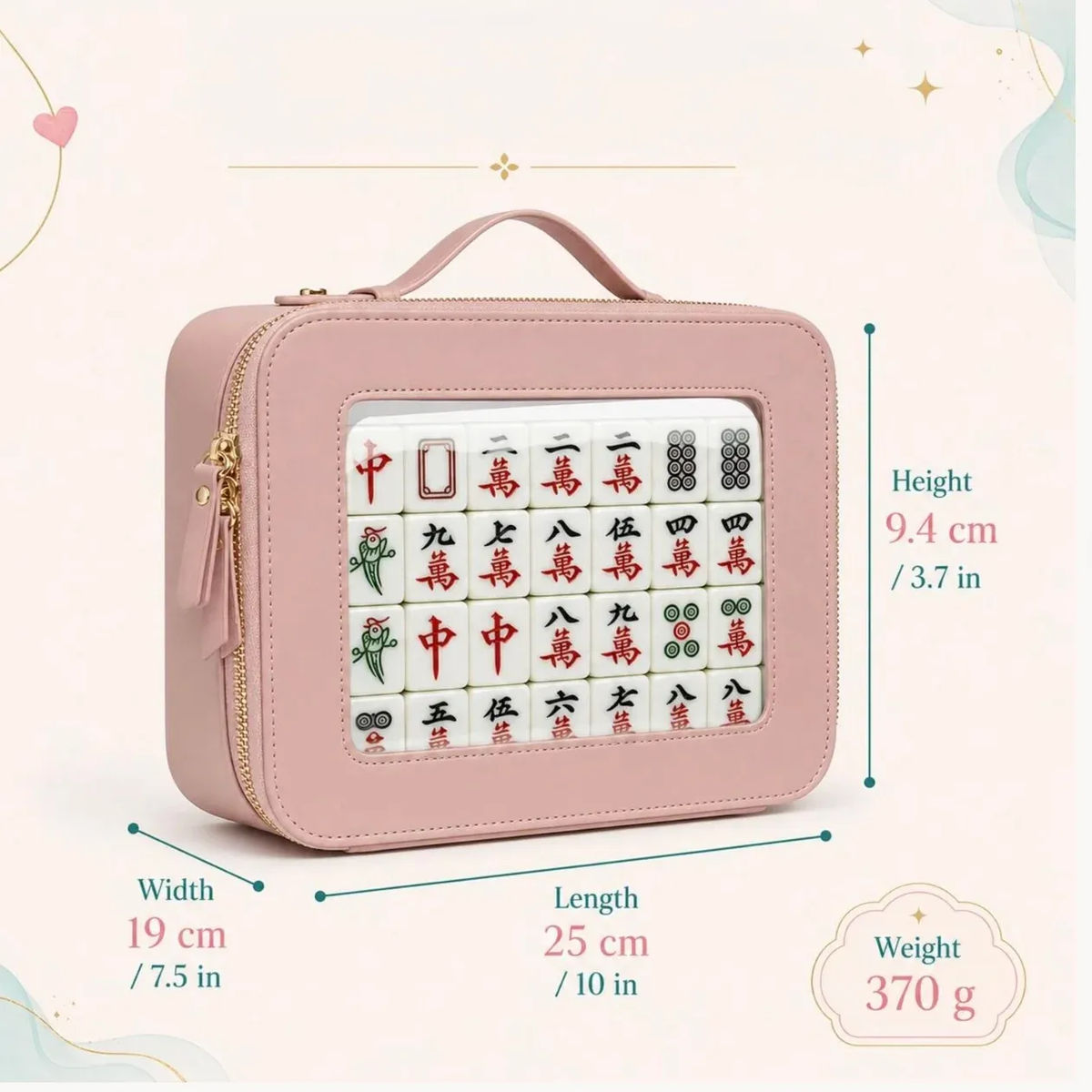
What Features Save You Time and Frustration?
A good rack bag includes pockets for dice, jokers, and your mahjong card. Handles matter more than you'd think—narrow straps dig into your hand after ten minutes; padded, wide handles distribute weight and won't leave grooves in your fingers. Interior labels or color-coded compartments help if you host multiple games and need to keep players' racks separate. Some players appreciate ventilation slots to prevent mold if the bag sits in a humid garage. Corner or edge reinforcement prevents wear at stress points where the handle attaches.
A zippered exterior pocket holds your mahjong mat or a small accessory pouch. If you teach or host tournaments, look for a bag roomy enough to hold rule cards or scorepads. The best bags have a name tag or embroidered space for personalization, so no one else mistakes your set for theirs at a tournament. We've learned the hard way: two identical bags left at a community center, and the mix-up took weeks to untangle.
When a Rack Bag Isn't Enough
Some players need multiple pieces. If you're rotating hosts, you might use a rack bag for racks, a mahjong mat case for your playing surface, and a separate tile container for the full set. This sounds like overkill, but it's not: a mat case keeps your mat flat and mold-free; a tile bag keeps tiles from spilling; a rack bag keeps pushers from breaking. Splitting your set this way also lets different players pick up different components, which speeds hosting transitions.
If you fly to tournaments or store your set in unpredictable conditions (attic, shared closet, a friend's garage), consider a hard case that locks or latches. Soft bags can become homes for insects in warm climates or soak up humidity in basements. A sealed case keeps your mahjong set clean and protected from dust and moisture for months.
✨ Find your Mahstead set — free US shipping →
What to Check Before You Buy
Before ordering a rack bag, verify these:
Interior dimensions: Does the bag fit your racks without forcing them closed?
Material: Is the exterior water-resistant? Are seams reinforced?
Compartments: Does it have pockets for dice, cards, and spare jokers?
Handle weight rating: Is it rated to hold four full racks (roughly 8–12 pounds)?
Closure style: Does it zip, latch, or use a drawstring? (Zippers are most secure in transit.)
Care instructions: Is it machine-washable or spot-clean only?
Fit for American racks: Verify the bag is designed for standard American racks, not Chinese or Hong Kong variants.
If you're unsure, reach out before purchasing: a few moments confirming dimensions now prevents a return later. The travel-bag collection at Mahstead includes bags designed specifically for American racks and pushers, with interior layouts tested by hosting players.
FAQ
What's the difference between a mahjong bag and a regular tote?
A mahjong bag has padded compartments that cradle racks and prevent pushers from bending. Regular totes offer no padding; racks shift and press against hard walls, cracking hinges and twisting pushers out of alignment over months of transport.
Can I store tiles in a rack bag?
Some bags have tile trays or deep compartments large enough for a full 160-tile set. Others are racks-only. Check the product description or interior dimensions before assuming. Storing heavy tiles atop delicate racks can crush pushers, so use compartments or separate containers.
How often should I replace a rack bag?
A well-made bag lasts 5–10 years with weekly use if handles are reinforced and zippers are quality. Soft bags may show wear sooner; hard cases often outlast the racks inside them. Replace it if zippers stick, seams split, or padding flattens—a failing bag won't protect your set.
Do I need a different bag for Chinese or Hong Kong mahjong racks?
Yes. Chinese racks are narrower and sit lower; Hong Kong racks have a different profile altogether. American racks are wider and taller. A bag designed for one type may leave too much space or not enough for another. Verify your rack type and bag compatibility before ordering.
Can a rack bag also hold a mahjong mat?
Some larger bags have a flat exterior pocket or internal shelf for a rolled mat. Most rack-specific bags do not; carry your mat in a separate case or mat bag to keep it flat and free of creases. Mats rolled inside a rack bag may get compressed or wrinkled.
Is a rack bag waterproof?
Most are water-resistant (treated exterior fabric) but not waterproof (fully sealed seams). For true waterproofing in humid or rainy climates, look for hard-shell cases with sealed latches. A water-resistant soft bag protects against spills and light rain; heavy rain or submersion will seep in.


View More
View More
View More
