
Mahjong Tournaments in Michigan: A Player's Guide
Last updated: Nov 23, 2026
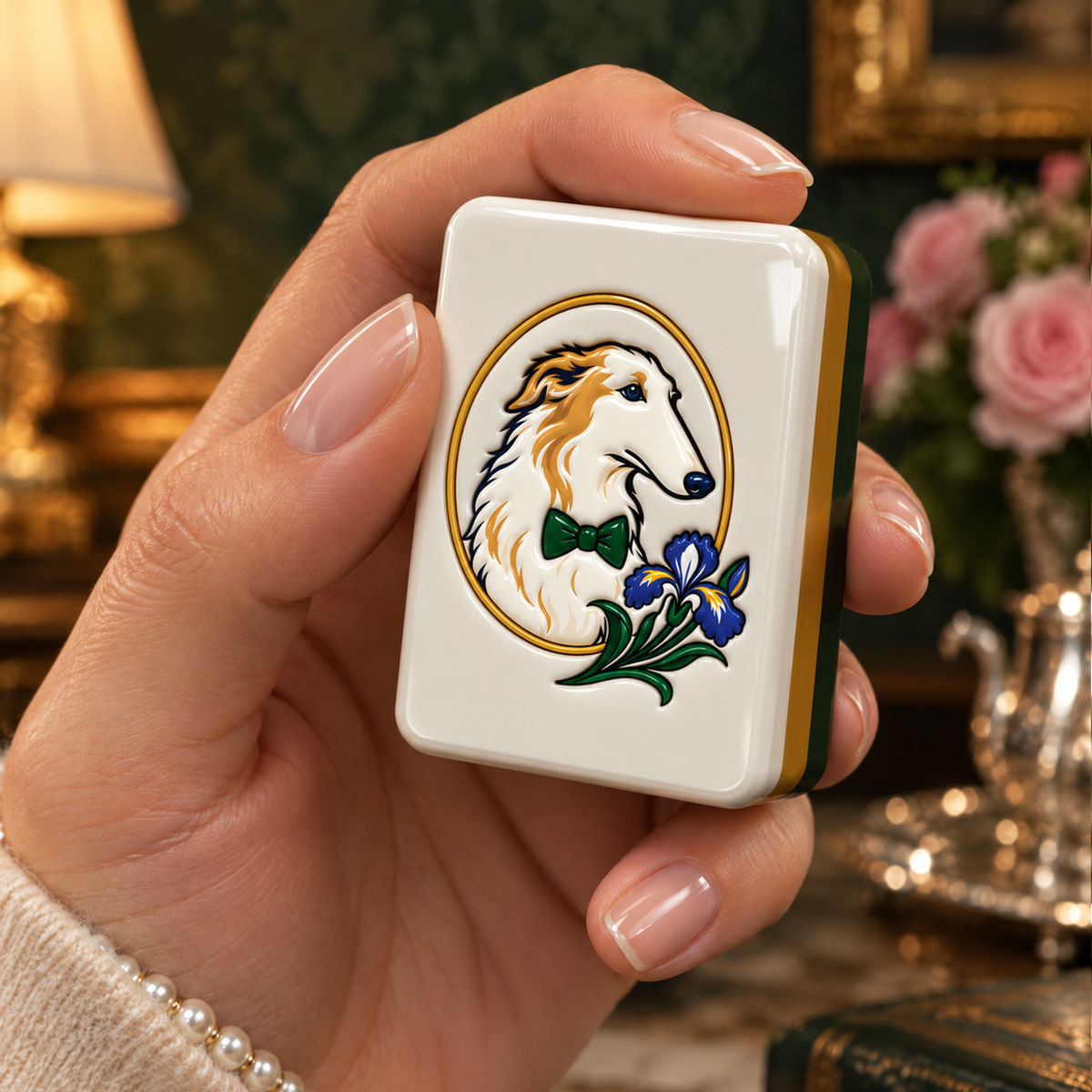
Michigan tournaments range from informal weekly league play at community centers and libraries to sanctioned events affiliated with regional mahjong organizations. Most follow American mahjong rules with the current year's National Mah Jongg League card. Tournaments typically run four to eight hours, involve tables of four players rotating through rounds, and charge entry fees that vary by organizer and prize structure. American mahjong is the dominant variant in Michigan. To find tournaments, check community centers, libraries, synagogues, country clubs, and Meetup boards in Detroit, Grand Rapids, Ann Arbor, and Lansing—these hubs host regular open games and formal competitions. Before entering, verify the house rules (scoring method, whether Charleston varies, joker house rules), bring a current mahjong set with tiles you trust, and familiarize yourself with how to play American mahjong.
🀄 Shop best-selling mahjong sets →
How do I find mahjong tournaments near me in Michigan?
Michigan tournaments live in three main places: public community hubs, private member clubs, and online meetup groups. Libraries and community centers in metro areas (Detroit, Flint, Grand Rapids, Ann Arbor, Lansing) often host open mahjong nights or weekly leagues; call ahead or check their program calendars. Country clubs and synagogues frequently organize tournaments for members or the broader community. Meetup.com and Facebook groups dedicated to Michigan mahjong players post upcoming events with dates, locations, and entry details. Ask established players at open games—word of mouth remains the fastest way to learn about sanctioned or semi-formal tournaments. Many organizers announce events only a few weeks ahead, so join local groups early to stay informed and build relationships.

What's the difference between casual play and sanctioned tournaments?
Casual play happens at open game nights with no entry fee, no formal scoring record, and house rules that vary by location; players rotate out, drop in, or sit for a few rounds without commitment. Sanctioned tournaments enforce a fixed set of American mahjong rules (often National Mah Jongg League standard), charge entry fees, use a master scorecard for all tables, rotate players on a timed schedule, and award prizes or rankings based on aggregate scores over multiple rounds. Casual games are forgiving of slower play, rule clarification, and beginner questions; tournaments expect faster tile recognition, rule fluency, and competitive focus. Most Michigan tournaments sit between these poles: semi-formal league play with consistent players, standard rules, and modest prizes. Choose casual games to learn; enter tournaments once you're confident reading the card, discarding quickly, and recognizing common hands.
What equipment do I need to bring to a Michigan mahjong tournament?
Bring a complete, clean American mahjong set with 152 tiles in good condition—tiles must be visible from across the table, not cracked or faded. Most tournaments provide a shared set for the table, but some ask players to contribute their own or allow you to swap in if your set plays better for you. Carry your set in a protective case or bag to prevent damage and make transport easy. Bring the current year's National Mah Jongg League card (issued each spring); don't rely on the house to provide extras if tables run out. A notepad or scoresheet (provided by tournament organizers) tracks points; bring a pen. Comfortable clothes and low-glare glasses help during four- to eight-hour events. A mahjong mat or table cover is optional but invaluable if you host warm-up games at home before competition.
🎁 See our most-loved mahjong sets & accessories →
How do tournament scoring and hand validation work?
American tournament scoring assigns point values to winning hands based on the National Mah Jongg League card; hands vary by difficulty (simpler hands = fewer points, complex hands = more). A player declares "Mahjong!" when they've matched a hand exactly, shows it to the table, and the scorekeeper records the win and points. Errors cost the winning player points or the hand; declaring an invalid hand in some house rules forfeits your winnings or adds a penalty. Before you play in a tournament, ask the organizer for their specific scoring sheet and any house variations (some tournaments double or triple points for certain hands, others adjust payout structures). Most Michigan tournaments use a simple rotation: each player's total points are added across all rounds, and final rankings determine prize payouts. Scoring rules vary more than strategy—learn the house rules at registration, ask the scorekeeper to walk through one hand, and watch the first round to see how disputes are handled.

What hands and strategies win Michigan tournaments?
Tournament wins come from recognizing fast, frequently-called hands early in the game—"common" hands that most players complete in the first ten to fifteen discards. Study the current year's National Mah Jongg League card, paying close attention to patterns that repeat: pairs of dragons or winds, simple pung-based hands, and quint or sextet patterns with jokers. Speed matters: if you identify a winning hand early, you call it before opponents do. Discard strategy is critical—throw high-value tiles (flowers, terminals, winds that few hands require) safely before discarding middle tiles competitors might need. Watch opponents' discards: if Player 1 never discards 5 Craks, they may need it; avoid throwing it. Conversely, if Player 2 discards lots of Green Dragons, you know Green is risky for you. Don't hoard jokers obsessively; use them to complete high-point hands, not low-point ones. Play looser early, tighter late: in early rounds, pursue multiple hand options; in final rounds with a strong lead, play defensive. Most winning players don't hunt one specific hand; they stay flexible and adapt to the draw.
Strategy Element | What to Do | Why It Wins |
Hand recognition speed | Study card 5 min/week, drill common patterns | Spot your hand before opponents spot theirs |
Discard safety | Throw high-value tiles first, watch what others throw | Avoid feeding opponents tiles they're chasing |
Hand flexibility | Pursue 2–3 hand options simultaneously | Always have a backup if your main hand stalls |
Joker deployment | Save jokers for high-point hands, not low ones | Maximize points per joker used |
Late-game defense | Play cautious when ahead, avoid risky discards | Preserve your lead; don't gift opponents comebacks |
Position awareness | Note the dealer's position, wind rotation | Know when you're east and can declare earlier |
What are common beginner mistakes in Michigan tournament play?
Beginners slow down the game by hunting the card every time they pick a tile instead of memorizing common patterns before play begins. They also discard jokers carelessly (jokers are gold—never discard one unless you've given up on all hands). Another mistake: declaring a hand that's almost correct but missing one tile or using a joker where the hand rules forbid it (jokers cannot fill a single tile or a pair in American mahjong). Players also forget the current year's card changes annually; showing up with last year's card costs games. Failing to listen to house rules about Charleston variations (Michigan games often allow a fourth pass or house-specific joker rules) leads to disputes. New players also panic when a hand doesn't arrive and then freeze—in American mahjong, winning hands don't require long runs; simpler pung-based hands often complete faster. One more: never announce "Mahjong" until you've verified your hand matches the card exactly; premature calls cost penalties. Watch at least one full round before sitting, ask the scorekeeper for rule clarification before your first game, and read how jokers work on the car ride.
✨ Find your Mahstead set — free US shipping →
How to prepare for your first Michigan tournament
Start by visiting an open game night at a local community center or library to watch and learn. Bring your questions and a pen; note house rules and ask why players make certain discards. Play at least four casual games before entering a tournament so your tile recognition becomes automatic and you stop consulting the card for every decision. Memorize the current year's National Mah Jongg League card—don't just memorize it; drill common patterns with a partner or a free app. Practice the Charleston: passing tiles left, right, and across on the pre-game rotation so you're comfortable and don't slow down the table. Test your set at home with friends: tiles should be easy to read, feel good in your hand, and not stick or split. If you use a set you're uncertain about, rent or borrow one from a club or neighbor before the tournament. Get a good night's sleep before competing; focus during the game, not fatigue, wins tournaments.
What to check before you buy tournament-ready gear
Tiles must be crisp and legible at arm's length, even under overhead fluorescent lights—dull or worn tiles cost you speed. Acrylic tiles are durable and consistent; bamboo and bone tiles can feel beautiful but chip more easily in travel. A mahjong bag or case protects your set from damage during transport and keeps you organized. Racks with pushers are optional but speed up hand organization and reduce tile-handling mistakes—many serious players bring personal racks to tournaments. Check that your set includes the current year's card or has a holder for it. A mat isn't essential for tournaments (tables are provided) but invaluable for home practice. For tournament play, prioritize a clear, durable best-selling set with a protective case over flashy tiles; consistency and reliability beat novelty.

FAQ
Do I need to join a club to play in Michigan tournaments?
No. Most Michigan tournaments welcome walk-ins; call the venue ahead to confirm entry fees and whether you need a guest pass or membership. Open game nights rarely require membership.
What's the entry fee for Michigan mahjong tournaments?
Fees vary by organizer and tournament format—ask the hosting venue or organizer directly. Casual league play is often free or minimal; formal tournaments may charge modest fees offset by prize pools.
Can I play in a tournament if I only know how to play American mahjong, not Chinese or Riichi?
Yes. American mahjong is the standard in Michigan; tournaments rarely mix variants in a single event. Confirm the tournament uses American rules when you register.
What do I do if I disagree with the scorekeeper's decision on my hand?
Ask the scorekeeper or tournament director to re-examine your hand and the card together. Most organizers have a simple dispute resolution process; stay calm and ask the rule in question to be explained.
Are there beginner-level tournaments in Michigan, or only advanced play?
Both. Many league nights and community center tournaments welcome all skill levels; players are often divided by experience. Ask organizers whether a tournament is beginner-friendly before entering.


View More
View More
View More
