
Mahjong Racks Dimensions: Width, Height & Tile Spacing Guide
Last updated: Nov 23, 2026
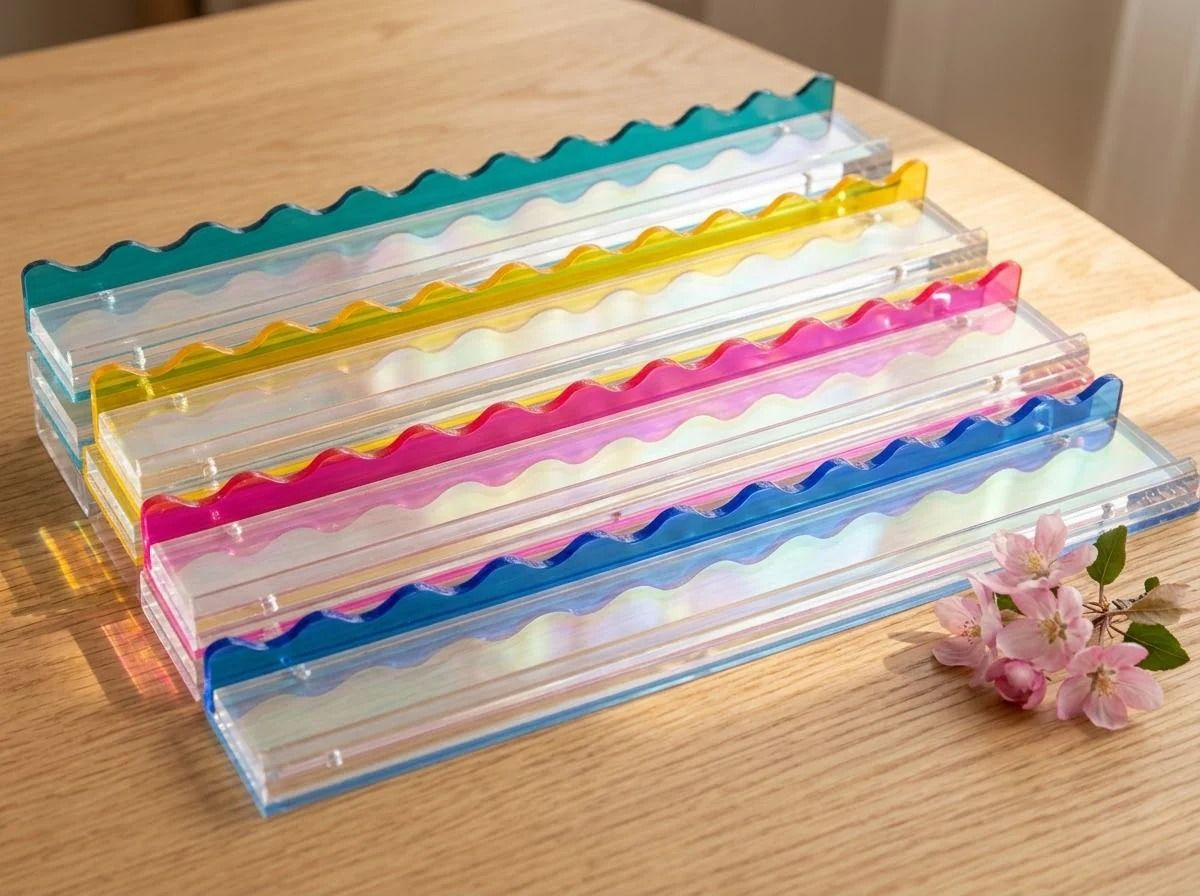
American mahjong racks typically span 18–24 inches wide and 2–3 inches tall, with tile spacing designed to hold fourteen tiles at a playable angle. Standard racks accommodate tiles 1–1.5 inches across; wider racks suit larger acrylic tile sets, while compact racks work for travel or smaller hands. Most racks include pushers (wooden or plastic bars) to organize and advance tiles as you draw. Rack depth is usually 3–4 inches to allow tiles to lean back enough to read numbers without opponents seeing them. When choosing a rack, verify your tile size first—oversized sets need wider spacing—and consider whether you want fixed compartments or adjustable designs. Mahstead racks with pushers are pre-sized for standard American tiles and ship flat, arriving ready to assemble or use immediately.
Why Does Rack Width Matter So Much?
Rack width determines how many tiles fit comfortably and how well you can read them during play. A 20-inch rack fits approximately fourteen tiles (the standard hand size in American mahjong) with about 1.25 inches per tile slot, leaving enough space to tilt each tile without crowding. If tiles are too tightly spaced, they jam; if too loose, your hand becomes unstable and tiles fall or rotate. Wider players with larger hands often prefer 22–24 inch racks so they can splay their hand and read multiple tiles at once without leaning forward. Narrower racks (18–20 inches) work well for solo home play or travel but can feel cramped at a four-player table where you're sitting closer. Test a rack with your own set before committing to ensure tiles don't overlap or slide.

How Tall Should a Rack Be?
Height controls the angle at which tiles lean and how much opponents can see. Standard racks stand 2–3 inches high; this creates a tilt angle of about 30–45 degrees, allowing you to read tile faces while keeping the back edge low. A rack taller than 3 inches may cause tiles to tip forward, especially if you bump the table. Too short (under 2 inches) and tiles flatten; you'll struggle to read them quickly during fast play. If you're playing at a low coffee table, a 2-inch rack usually works. At a formal dining table or mahjong-specific table, a 2.5–3 inch rack feels more balanced. Height also affects how the pusher (the trailing bar that advances tiles) engages; pushers typically add 0.5 inches of grip height to the base rack.
What Is the Spacing Between Tile Slots?
Each tile slot must be just wide enough for your tiles without cramping them. Most American tile sets use acrylic tiles roughly 1 to 1.25 inches square. A well-designed rack allocates 1.3–1.5 inches per tile to allow for the width of the tile plus clearance for easy drawing and sliding. If spacing is uniform (fixed slots), your tiles stay aligned but less flexible if your set is slightly oversized. Adjustable or open-framework racks let you manually position tiles but require more care to keep them neat. When buying racks online, always check the tile compatibility note—many specify the tile dimensions they're designed for, so comparing your set's tile size to the rack's stated tolerance prevents frustration on game day.
How Deep Should a Rack Be Front to Back?
Depth affects both readability and tile security during play. A rack 3–4 inches deep (front edge to back edge) gives tiles enough room to lean comfortably without sliding out the back when you grab them. Shallow racks (under 3 inches) cause tiles to tilt too steeply or slip; deeper racks (over 4 inches) waste space and can intrude on your playing area. The sweet spot is 3.5 inches, which balances stability with compact footprint. If your playing surface is tight—say, a small round table for four—a slimmer 3-inch rack helps you and opponents move more freely. Tournament-grade racks often run 4 inches deep because they prioritize longevity and professional handling; they're heavier and more stable but take up more table real estate.

Comparing Rack Styles: Which Fits Your Game?
Different rack designs suit different play styles and table setups. Below is a breakdown based on real hosting scenarios:
Rack Style | Typical Width | Best For | Key Trade-Off |
Standard fixed-slot rack | 20–22 inches | Home weekly games, casual players | Less flexible if tile sizes vary |
Compact travel rack | 18–20 inches | Solo play, smaller tables, portability | Tighter spacing, less room to splay hand |
Open-framework or adjustable rack | 20–24 inches | Players with large hands, mixed tile sizes | Requires manual tile positioning, can look messy |
Tournament/professional rack | 22–24 inches | Formal games, larger sets, replay viewing | Bulkier to transport, higher cost |
When hosting weekly games, we typically use 20–22 inch racks because they fit most body sizes and work on standard dining tables without crowding. If you're building a gift set or introducing beginners to the game, a compact 18-inch rack lowers setup friction and feels less intimidating. Experienced players often request adjustable racks because they want to customize tile spacing as they age or switch between different tile brands.
🀄 Shop best-selling mahjong sets →
How Does Rack Design Affect Game Speed?
Pusher bars and tile arrangement directly impact draw time and play rhythm. A rack with smooth pusher wheels or bearings lets you advance tiles with one finger; rigid or sticky pushers slow you down and create awkward hand positions. Compartmented racks keep tiles separated by suit or number, which helps beginners sort faster but can slow experienced players who prefer to read a full hand at a glance. Open racks with just a back stop force you to manage spacing yourself but give you total control. When we host games with newer players, we prefer compartmented racks because they reduce meld errors and speed up learning. Once players are confident, many switch to open racks for speed and flexibility.
The pusher itself should be heavy enough to stay put when you rest your hand but light enough to slide smoothly. Most wooden pushers offer better feedback than plastic; you feel the tile positions clearly. If a pusher is too light, it drifts during play and tiles bunch. Too heavy, and your hand tires pushing it. Test the pusher action before buying; a single smooth stroke should advance four to six tiles without jerking.
What to Check Before You Buy
Tile size match: Measure your tiles (most American sets are 1–1.25 inches square) and verify the rack's stated tile width. Many racks specify "fits standard American mahjong tiles"—confirm that matches your set.
Width for your hand: If you have large hands, a 20-inch rack may feel cramped at four-player tables. Test sitting at a table with a friend's rack before buying.
Pusher smoothness: Slide the pusher ten times. It should glide without sticking or wobbling. Check that it doesn't lift tiles accidentally.
Stability on your table: Ensure the rack feet don't slip on your table surface. Non-slip pads help on glossy surfaces.
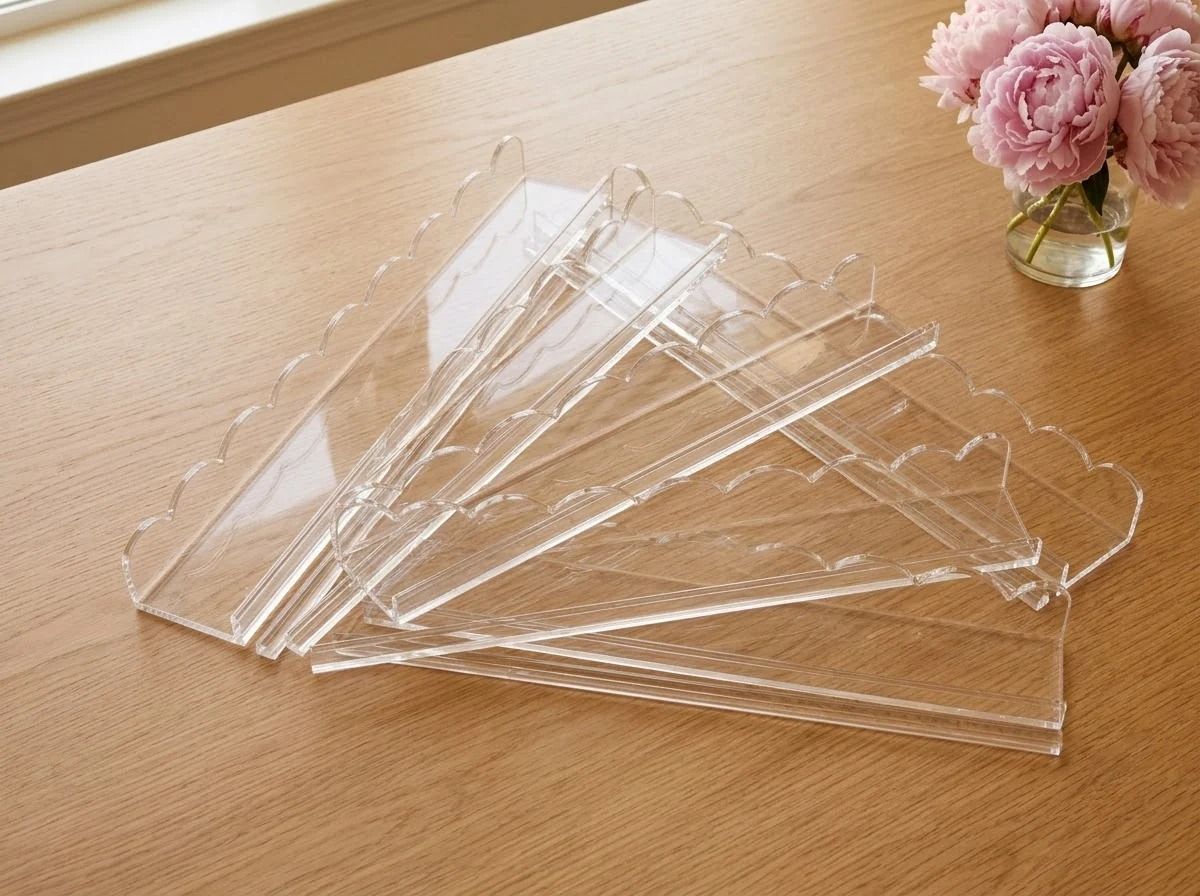
Assembly or ready-to-use: Some racks arrive flat and require light assembly (typically sliding components together). Check if tools are included and estimated time.
Compatibility with your mat: If you use a mahjong mat, ensure the rack doesn't slide off corners. A mat with raised edges or a designated rack groove works best.
🎁 See our most-loved mahjong sets & accessories →
Hosting Tip: Sizing Racks for a Mixed Group
When we host games with both experienced and new players, we set out different rack sizes. Beginners often prefer 20-inch compartmented racks with clear suit dividers; experienced players request 22–24 inch open racks for speed. Keep one 18-inch compact rack as a spare—it's invaluable when someone's hand feels crowded or when a partner has arthritis and needs less reach. Labeling racks with tape (e.g., "18" Compact," "22" Open") prevents confusion and lets players pick their preference upfront. This small touch makes hosting feel professional and shows you respect their play style.
✨ Find your Mahstead set — free US shipping →
FAQ
Can I use a mahjong rack with any tile set?
Not all racks fit all tiles. Oversized tiles or bamboo sets may not fit standard American racks. Always measure your tiles (width and height) and compare to the rack's stated tile dimensions before purchase.
What's the difference between a rack with a pusher and one without?
Pushers let you advance tiles as you draw, keeping your hand neat and organized. Racks without pushers require manual tile positioning, which is slower but gives you more flexibility on spacing and tile arrangement.
Is a wider rack always better?
No. A wider rack suits large hands and tournament play, but on a small table it crowds opponents. A 20-inch rack is the comfortable middle ground for most four-player games; test your specific table before buying wider.
How do I keep tiles from sliding out of a shallow rack?
Ensure the rack back edge is high enough (2.5–3 inches) and the base tilts tiles slightly toward you. If tiles still slide, the rack depth may be too shallow; look for 3.5+ inch racks, or use a non-slip mat underneath the rack.
Do I need a rack for solo practice or learning?
Not mandatory, but helpful. A compact 18–20 inch rack lets you read your tiles clearly and practice hand speed without laying tiles flat on a table, which trains bad habits.


View More
View More
View More
