
Mahjong Accessories Materials Compared: Acrylic vs. Tile, Mat, Rack
Last updated: Nov 23, 2026
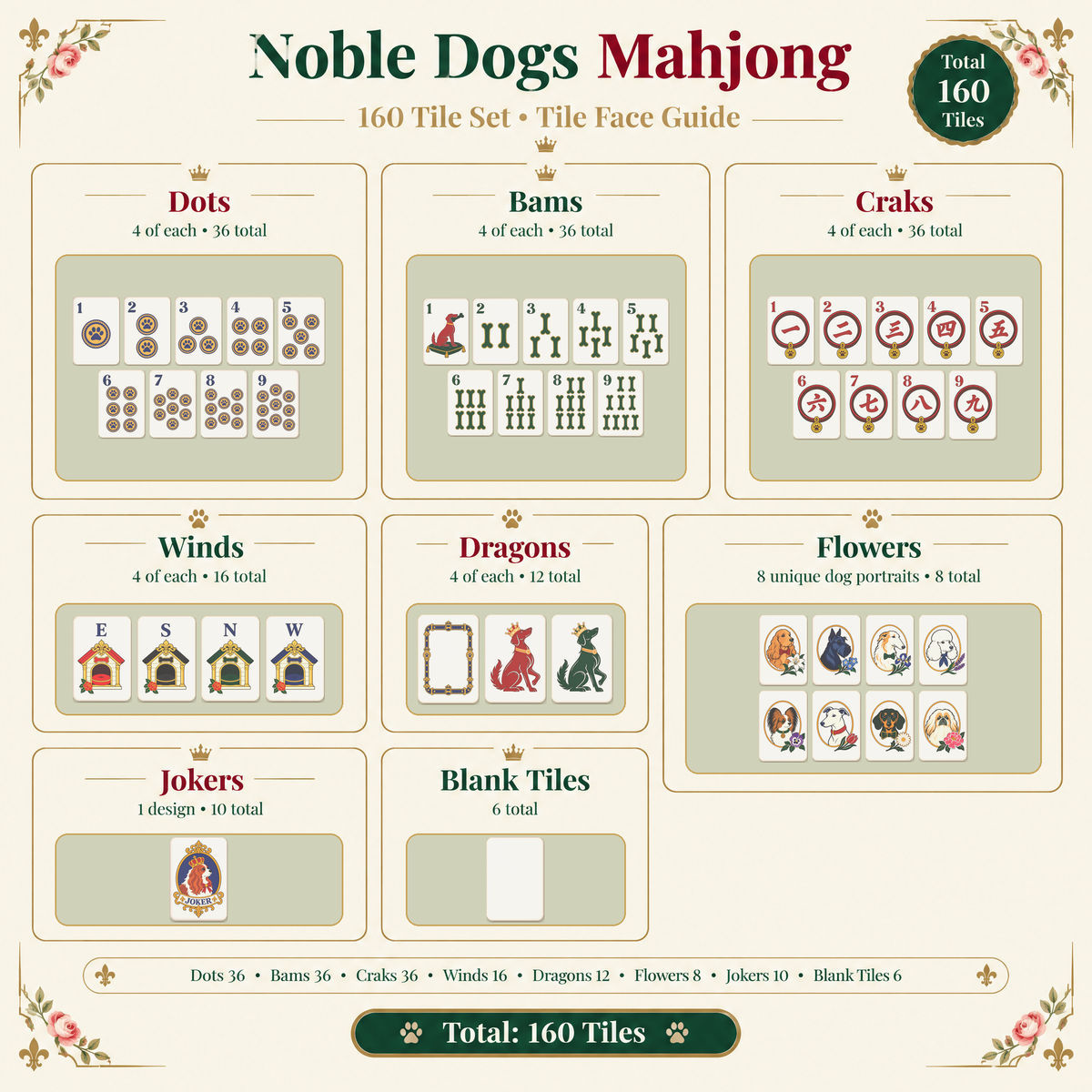
Most American mahjong players today use acrylic tiles—lightweight, durable, and affordable compared to bone or bamboo. Acrylic sets last years of weekly games, resist moisture and chips better than composite materials, and ship safely across the US without the customs hassle of imported goods. A typical acrylic set runs under what you'd pay for hand-carved bone, and Mahstead engraves designs directly onto acrylic rather than gluing labels, so art doesn't peel. What truly varies is the entire ecosystem: whether you pair tiles with a felt mat, a pushable rack system, or a travel bag. Understanding material trade-offs—cost versus longevity, portability versus table comfort—helps you avoid buyer's remorse. We'll walk you through each choice so your next purchase fits your group's style and budget.
What materials do mahjong tiles actually come in?
Acrylic, bone, bamboo, and wood-composite tiles each have different play feels, costs, and lifespans. Acrylic is injection-molded plastic—durable, lightweight, and reproducible; bone and bamboo are traditional, hand-carved in Asia, pricier, and more delicate. Wood composite sits between: cheaper than bone but less durable than acrylic. Most American clubs use acrylic or composite because they're affordable and survive humid basements and sunny patios. Bone and bamboo appeal to collectors and players who prioritize heritage feel over practicality. For a group that plays weekly, acrylic tiles outlast composite by 2–3 years before faces crack or print fades.
Our best-selling mahjong sets are acrylic, engraved rather than printed, so the design is permanent. That matters: a printed label on a composite tile peels after 50 shuffles; engraved acrylic stays crisp for a decade.

Why does tile thickness matter for shuffle and handling?
Thick tiles—roughly 0.3 inches or more—feel substantial, shuffle cleanly, and stack without bending. Thin tiles under 0.2 inches flex during shuffles, jam in racks, and feel flimsy after months of play. Heavier tiles are easier to push with a rack pusher because they don't get knocked around by the pusher itself. If you're buying mahjong racks with pushers, thicker tiles are essential—a flimsy tile will slide under the pusher rather than move with it, slowing play and annoying your group. Acrylic tiles are typically 0.28–0.32 inches thick; bone runs thinner, around 0.22 inches. A simple test: hold a tile flat and apply gentle downward pressure. If it bends noticeably, it's too thin for serious weekly play.
Acrylic versus composite: long-term cost per year of play
Material | Typical cost per set | Expected lifespan | Cost per year | Best for |
Acrylic | Mid-range | 8–10 years | Low | Weekly players, clubs |
Bone/bamboo | High | 5–7 years | High | Collectors, occasional players |
Wood composite | Low | 3–5 years | Moderate | Casual groups, gifts |
When you divide total cost by years of use, acrylic emerges cheapest for committed players. A group that meets every week will replace composite sets twice before retiring a single acrylic set. Bone is romantic but expensive upfront and doesn't last longer than acrylic with regular shuffling. Composite tiles are entry-level; they're fine for learning but frustrate experienced players because the faces wear visibly after a season.
🀄 Shop best-selling mahjong sets →
How do mat materials change the game feel and durability?
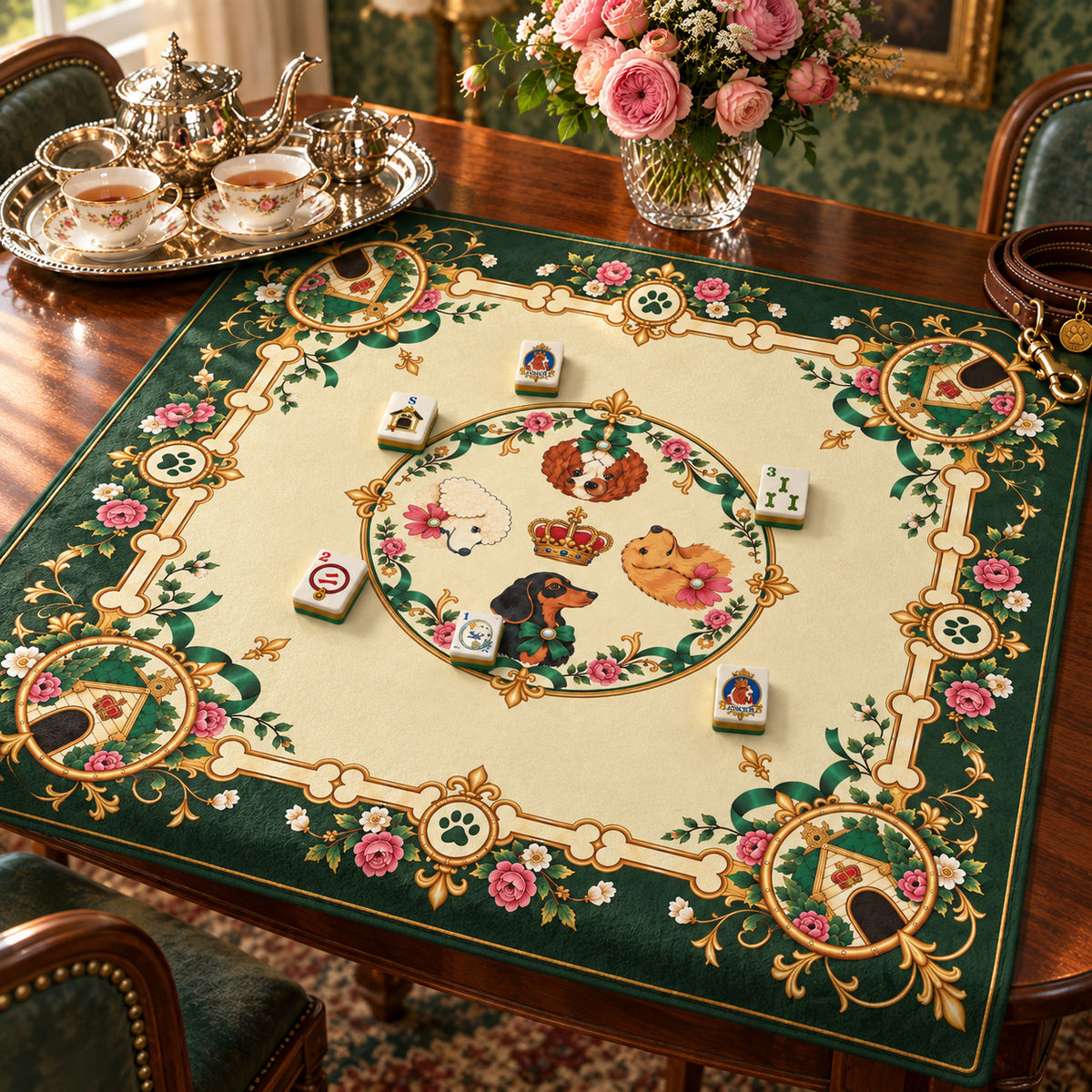
Felt mats (velvet-top) muffle tile noise, protect table finishes, and feel professional; neoprene or rubber mats are sturdier and easier to clean but can scratch wood tables. A felt mat is reversible, folds for travel, and costs less than a permanent felt pad; it's ideal for players who rotate between homes or want to roll up after play. Neoprene mats stay in place on hard surfaces and resist spills—good if your game room is a kitchen table. Thicker mats (around 0.5 inches) dampen shuffles better than thin ones and feel less "dead" under your hands.
For groups hosting at different locations each week, a mahjong mat you can fold and store is practical; for a dedicated game room, a permanent or heavier mat is worth it. Consider whether your table is sticky or slippery—slippery wood needs a textured mat or rubber feet to prevent the mat from sliding during play.
What's the real difference between racks with and without pushers?
Racks hold and conceal your tiles; pushers are small levers that slide individual tiles forward when you ready them to play. Without pushers, you manage tiles by hand, which works fine for casual play but slows a serious game and risks accidentally exposing a hidden tile. Pushers let you reveal exactly one tile at a time while the rest stay hidden—crucial for fair, tournament-style play.
Pushers work best with thicker, heavier tiles; they're a poor match for thin composite tiles. Mahjong racks with pushers are slightly more expensive but save time and eliminate disputes over who saw what. For a group playing for fun at home, hand management is fine; for weekly league play or money games, pushers are nearly mandatory. Consider whether your tiles are thick enough (over 0.25 inches) before buying pushers—a thin tile will slip or jam.
🎁 See our most-loved mahjong sets & accessories →
Travel bags and cases: material choice versus portability
Nylon bags are lightweight, water-resistant, and cheap; leather or canvas bags are heavier but look professional and last longer. Hard cases protect acrylic sets during airplane travel but are bulky and expensive. Soft nylon bags work for car-to-car games; hard cases suit players who fly to tournaments or ship sets as gifts.
Weight matters: a full acrylic set weighs several pounds. A fabric mahjong bag or case keeps that manageable for weekly car trips. Compartments matter too—separate slots for tiles, mats, racks, and score pads prevent everything from jumbling. If you're hosting games in a single location, you don't need a bag; if you're the one bringing the set each week, a good bag avoids damage and keeps the table setup faster.
✨ Find your Mahstead set — free US shipping →
What to check before you buy
Tile thickness: Measure or ask—anything under 0.22 inches will frustrate you after a season.
Set material and durability claims: Acrylic outlasts composite. Engraved tiles (not printed labels) won't peel.
Mat surface and grip: Test by hand if possible; felt sounds quiet, neoprene grips better on smooth tables.
Rack compatibility: If you're considering pushers, confirm your tiles are thick enough to work with them.
Storage and travel: Do you need a bag? Measure your table space and car boot before ordering.
Spare tiles: Sets come with spares (jokers and blanks); confirm you have replacements if a tile cracks.

FAQ
Are acrylic tiles safe to play with if they contain BPA or other chemicals?
Reputable acrylic mahjong tiles are food-safe plastic, not toys, and contact your skin only during shuffling—minimal risk. Mahstead sets are solid acrylic, not hollow, and don't leach chemicals during normal play. If you have sensitivity concerns, verify the material specification before ordering.
Can I use a plastic mat on a wood dining table, or will it damage the finish?
Plastic mats won't damage wood, but rough neoprene can scratch if the table is very fine. Use a felt mat or place a cloth underneath the neoprene if you're concerned. Most dining tables survive mats without issue—it's finer antique wood where caution helps.
Why is my bone set cheaper than a Mahstead acrylic set if bone is supposed to be luxury?
Not all bone sets are handcrafted; many are press-molded and import cheaply from overseas. Lower price often means lower quality: thinner tiles, painted faces that chip, and no durability warranty. Mahstead acrylic is engraved and tested for weekly play; cheaper bone may look nice unpacked but fails after a season.
Do I need a pusher rack if I already have a regular rack?
Only if you play league-style, money games, or want to avoid disputes about exposure. Casual home play works fine with hand management and a regular rack. Pushers slow down fastest players but protect fairness and keep games friendly.
What's the best mat for a wobbly or uneven table?
A thick, textured neoprene mat (0.5 inches or more) grips better and dampens movement. If the table itself is unstable, fix the table first—a mat won't compensate. For slightly tilted surfaces, a rubber-backed felt mat or neoprene keeps mats from sliding.
Can I wash or clean acrylic tiles, or will water damage them?
Acrylic is water-resistant and easy to clean with a damp cloth. Engraved designs won't fade from water like printed labels can. Dry tiles promptly to avoid moisture pooling in the case. Do not soak or submerge; quick wipe-downs are ideal.
If I buy a 160-tile acrylic set, what are the spare tiles for?
A 160-tile set contains 152 playing tiles (the legal quantity for American mahjong) plus spares—extra jokers and blanks. Spares replace lost or cracked tiles without disrupting play. You never add spares to the table; they stay in the box.


View More
View More
View More
