
Mahjong Tournaments in Little Rock: Find Games & Join the Community
Last updated: Nov 23, 2026
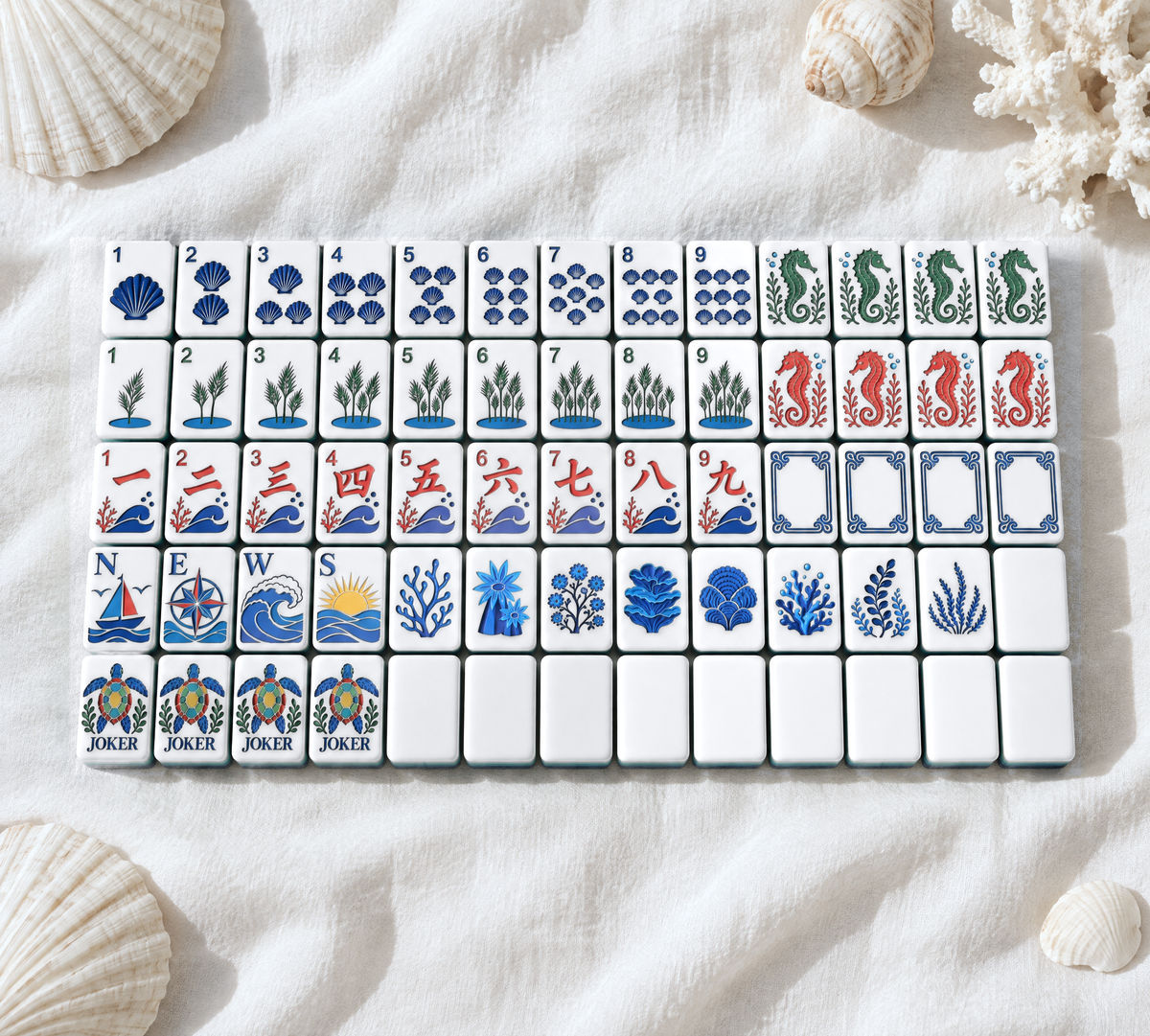
Little Rock players gather at community centers, libraries, country clubs, and synagogues for both formal tournaments and friendly weeklies. Most tournaments run during fall and spring, with formats ranging from one-day events (4–6 hours) to round-robin series over several weeks. Entry typically includes a small per-table fee (ask organizers directly—amounts vary). Casual games happen year-round on weeknights and weekends. To find events, check bulletin boards at libraries and community centers, ask at local synagogues or country clubs, or search Meetup for "mahjong Little Rock." You'll play with the current-year National Mah Jongg League card and a standard 160-tile acrylic set. The best move: call or visit venues in person—organizers are welcoming and can explain house rules, skill levels, and what you'll need to bring.
Where do Little Rock players actually meet for tournaments?
The main tournament venues in Little Rock are community recreation centers, public libraries with meeting rooms, synagogue halls, and country clubs with game rooms. Most host monthly or seasonal tournaments; a few run weekly ladder-style competitions. Start by calling your local library's community events line or visiting the Parks and Recreation department website—staff can direct you to active mahjong groups. Synagogues often welcome non-members to tournaments. Country clubs sometimes open game events to associate members or guests for a day fee. 🀄 Shop best-selling mahjong sets →
How does a typical Little Rock tournament work?
Tournaments in Little Rock follow American mahjong rules and the official National Mah Jongg League card (updated each spring). A typical event runs 4–6 hours, with 2–4 rounds of play. You sit at a table with three other players; rounds last 60–75 minutes. Scoring follows the league card—points for completed hands, bonuses for certain patterns, penalties for errors. Most tournaments use a scoring sheet or app to track cumulative points across rounds. Winners are ranked by final point total. Bring your own set or rent one (ask ahead). ✨ Find your Mahstead set — free US shipping →
Tournament Type | Typical Duration | Skill Level | Best For |
One-day satellite | 4–6 hours, 2–4 rounds | Beginner to advanced | Quick Friday night or Saturday outing |
Weekend series | Fri–Sun, multiple rounds | Mixed | Players wanting more table time |
Weekday ladder | Weekly or bi-weekly | Beginner friendly | Consistent practice & community |
Casual weekly | 2–3 hours, one round | All levels | Learning & social play |

What should a beginner bring to their first Little Rock tournament?
Before attending, confirm you have: the current-year National Mah Jongg League card (organizers usually have spares or sell them), a set of 160 acrylic tiles (yours or a rental), a notebook and pen for scoring, and a small chair cushion if you have back sensitivity—tables are hard on the tailbone. Wear layers; game rooms can be cold. Bring water. Don't bring phone music or strong perfume; the table gets tense, and players focus hard. Arrive 15–20 minutes early to meet the tournament director, ask about house rules, and get your seating assignment. Read the beginner's guide to American mahjong before you go—you don't need to be an expert, but knowing the basic hand shapes and how the Charleston works keeps you from holding up the table.
Are there beginner-only tournaments or casual games in Little Rock?
Yes. Many community centers and libraries host beginner nights (usually weekday evenings) where new players learn in a low-pressure setting. These often pair you with experienced players for teaching rounds. Some groups run "open play" nights where anyone drops in, plays one round, and leaves—no commitment. The advantage: slower pace, patient table-mates, and time to practice without entry fees. To find these, ask librarians, check Meetup for "Little Rock mahjong," or call synagogue office managers. They often have a phone tree or email list. Join early in the season (September–October) when groups recruit new players.
What makes a strong home setup if you host tournaments locally?
If you host or want to play weekly at home, invest in a quality mat and racks with pushers—they keep tiles organized and reduce fumbling that slows the game. A mahjong mat defines the play surface and protects your table; racks with pushers let you organize your hand cleanly. A travel bag or case protects your set between games and makes transport to tournaments hassle-free—acrylic tiles survive minor bumps, but organized storage extends their life. If you're hosting multiple tables, a laminated scoresheet or tablet app cuts down on pen errors. Dim overhead lights; use a table lamp. Silence phones. These small moves signal to guests that you respect the game.
🎁 See our most-loved mahjong sets & accessories →

What's the typical tournament entry and payout structure?
Tournament fees vary. Call the host to ask—amounts depend on venue rental, prize pool size, and whether organizers volunteer. Some charge per table (four players split a flat fee); others charge per player. Prize pools are usually split among top finishers; some tournaments also award separate categories (highest rookie, best hand, most points). A few tournaments are free or donation-based, especially beginner weeklies run by volunteers. Never assume; ask when you call. A tournament director should be transparent about what your entry covers and how winnings are distributed.
How do you prepare rules-wise so you don't embarrass yourself?
The main rules to know before you sit down: (1) American mahjong uses only the current-year official card—memorize a few common hand shapes. (2) You call hands aloud before drawing; if you're wrong, you're out. (3) Jokers cannot appear in a pair or single tile—only in exposed groups of 3+. (4) Exposing a pung (three identical tiles) or kong (four identical) is allowed and normal; keeping everything hidden is called a "concealed hand" and scores higher. (5) The Charleston is a tile-swap ritual before play—always participate; it randomizes luck. Read how to read the mahjong card to understand the hand layout. Watch one round as a spectator if you can; ask questions freely. No one expects perfection; make a mistake, own it, and move on.
✨ Find your Mahstead set — free US shipping →
What to check before you buy or join
Venue website or phone: Confirm dates, times, entry fee, and whether you need to register. Ask if they rent sets or require you to bring your own.
Current National Mah Jongg League card: Buy a paper copy or download. Don't guess at hand combinations.
Your own set (or borrow one): A 160-tile acrylic set is the standard. Test it at home first so tiles feel familiar.
House rules: Each group has variations (doubling, bonus scoring, house penalties). Ask before round one.
Skill-level fit: New player, intermediate, or advanced? Join groups that match your level to avoid frustration.
Accessibility: Ask about parking, stairs, noise level, bathroom access, and whether you can take breaks.

FAQ
Do I need to own a mahjong set to play in Little Rock tournaments?
No. Most tournaments allow you to rent a set from the host or bring a friend's set. Confirm in advance—some venues have limited rentals. Owning one gives you practice time at home and ensures you have a familiar set at the table.
Can I play if I'm a total beginner?
Yes. Many Little Rock groups run beginner nights and casual weeklies. Start with a low-pressure weekly game, practice the basic rules, and move to tournaments once you're comfortable. Expect to lose money or points your first few times—that's normal and part of learning.
How often are tournaments held in Little Rock?
This varies by venue. Call ahead or check the library community board—most host 1–4 tournaments per season (fall and spring). Casual weeklies often run year-round. The best way to stay updated is to join a local group's email list or Meetup.
What's the age range at Little Rock tournaments?
Players span from 30s to 80s+, with most in the 50–70 range. Younger players are growing in number. All skill levels and backgrounds are welcome. The game attracts career professionals, retirees, and everyone in between.
Can I play online with Little Rock players, or is it only in-person?
Most tournaments are in-person. Some groups have experimented with Zoom casual games during winter, but official tournaments require players at the same table for fairness and enforcement. In-person play is where the real community lives—and where the banter happens.


View More
View More
View More
