
Mahjong Tournaments in Raleigh: Where to Play & How to Prepare
Last updated: Nov 23, 2026
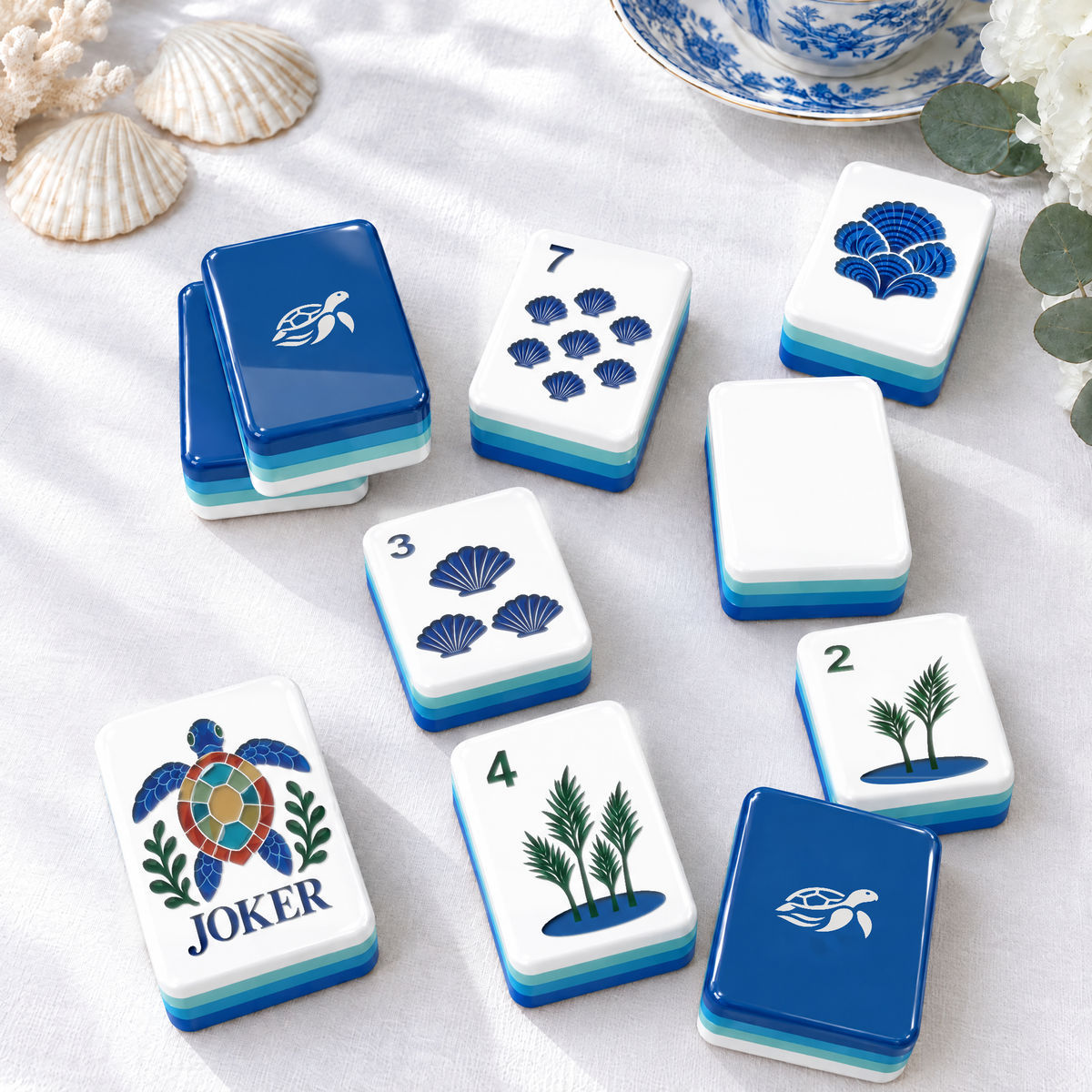
Mahjong tournaments in the Raleigh area are typically organized through local community centers, public libraries, synagogues, and university continuing education programs—there's no single dedicated tournament venue. Most run spring through fall as one-day or weekend events using the current National Mah Jongg League card (reissued each spring). Entry fees vary by organizer and tournament size, but expect a social, skill-progressive format rather than high-stakes play. To find them: call your county library reference desk, check community center activity calendars online, ask at local synagogues with active Sisterhood groups, or search Meetup.com for "mahjong Raleigh." Before entering, learn American mahjong fundamentals—especially hand recognition, the Charleston, and joker rules—and practice with a quality 160-tile acrylic set to build speed and tile familiarity. 🀄 Shop best-selling mahjong sets →
How do I find mahjong tournaments near Raleigh?
Start by calling your local library branch or visiting its events page; many host mahjong tournaments or can refer you to organizers. Synagogues and Jewish community centers often run seasonal tournaments, especially in spring. Community centers in Raleigh, Cary, and Durham post activities on their websites—search "mahjong" in their program guides. Check Meetup.com for active mahjong game groups; tournament organizers often announce events there. Finally, ask at the checkout counter of any local game shop or bookstore—word-of-mouth remains how most Raleigh tournaments fill their rosters.

What format do Raleigh-area tournaments typically use?
Most tournaments near Raleigh follow a Swiss-system or round-robin structure, running 4–6 games per day with breaks for lunch. You're paired by skill level or prior score rather than ranked. Each game uses the current National Mah Jongg League card—updated every spring—and standard American mahjong rules: 152 tiles, 8 jokers, four players, hand-calling only from the official card. Scoring is done by points per win, with cumulative totals determining prizes or rankings. Most are single-day events (Friday evening + Saturday), though some run consecutive weekends in spring or fall.
What do I need to know before entering a tournament?
You must own or bring a quality 152-tile American mahjong set (never Chinese or Hong Kong variants—the tiles and rules are different). Learn the National Mah Jongg League card format—hand recognition is essential for speed. Practice the Charleston (tile-passing ritual before each game) until it's automatic; fumbling it signals inexperience. Know that in American mahjong, jokers cannot be used as single tiles or pairs, pungs must be identical (never sequences), and you call hands only when they match the card exactly. Tournament etiquette: arrive on time, keep tiles organized on a mat or rack with pushers for smooth play, and follow the organizer's rules on table talk and tile placement. Bring water, a notepad for tracking scores, and a relaxed attitude—tournaments are social, not cutthroat.
🎁 See our most-loved mahjong sets & accessories →

How do I get match-ready in the weeks before a tournament?
Training Focus | What It Is | Time per Week | Why It Matters |
Hand Recognition | Drill the card; call hands aloud without hesitation | 90 minutes | Speed = fewer missed hands; confidence grows |
Charleston Drills | Pass 108 tiles in under 60 seconds, all three passes | 30 minutes | Tournaments move fast; smooth exchanges show experience |
Gameplay Simulation | Play at least two complete games with experienced players | 240 minutes | Real-table pressure reveals gaps; scoring becomes automatic |
Tile Familiarity | Handle and sort your set daily; develop muscle memory | 20 minutes | Worn hands fatigue; practiced hands flow |
Rules Edge Cases | Study joker placement, kong rules, and dead wall draws | 45 minutes | One rules question can derail a game; clarity prevents disputes |
Practice minimum: 6 weeks before entry, play one full game weekly with a reliable acrylic set on a regulation mat. Use a timer for the Charleston. Track which hands trip you up and drill those sections of the card.
What's the skill level at typical Raleigh tournaments?
Most Raleigh-area tournaments welcome beginners alongside 10+ year veterans, typically organized into brackets (Novice, Intermediate, Advanced). Beginner brackets are friendly; players help newer folks understand card notation and don't punish hesitation. Intermediate often hosts the bulk of regulars who play weekly and know the card cold. Advanced is for tournament repeaters and league-affiliated players. Don't be intimidated: tournament directors expect mixed experience and pair rounds accordingly. If it's your first event, mention that when you register—most organizers will place you in a learning-focused table for at least the first round. The social payoff often exceeds the competitive one; you'll meet your city's mahjong community, get invited to weekly games, and find trading partners for set upgrades.
✨ Find your Mahstead set — free US shipping →
What should I check before signing up?
Tournament logistics:
Date, time, and whether it's one day or multiple days (affects scheduling conflict).
Entry fee and whether it includes lunch or snacks.
Registration deadline and whether spots fill fast (popular spring tournaments do).
Skill-level bracketing or open format (affects pressure and pairings).
Does the organizer provide tiles/sets, or do you bring your own? (Always bring yours if you can—your comfort counts.)
Personal readiness:
Can you name the four winds, three dragons, and eight flowers without hesitation?
Have you played at least 10 complete games with peers in the past month?
Do you have a 152-tile American set in clean condition (no stuck tiles, full joker count)?
Can you execute a Charleston in under 90 seconds?
Do you own a mat or compact rack to keep your tiles visible and organized during play?
If you answered "no" to any of the readiness checks, spend two more weeks drilling before you enter. Tournaments run year-round—no harm waiting until you're solid.
What you'll need:
A 160-tile acrylic American mahjong set in good condition.
A mahjong mat or rack with pushers for clean, visible tile organization.
Current year's National Mah Jongg League card (often provided by the tournament; bring your own copy just in case).
Comfortable shoes and water—tournaments are longer than you expect.

FAQ
Do I have to be an official NMJL member to play in a Raleigh tournament?
No. The National Mah Jongg League card is freely available; membership is optional and mainly useful for tournament sanctioning. Most Raleigh tournaments are casual and don't require it. Ask the organizer when you register.
Can I use a Chinese or Hong Kong mahjong set in a Raleigh tournament?
No. American mahjong tournaments require a 152-tile American set (three suits, winds, dragons, flowers, jokers). Chinese and Hong Kong variants have different tiles and rules. Bring an American-standard set or ask the organizer to lend you one before the game.
How much does it cost to enter a tournament?
Entry fees vary by organizer—typically $15 to $40 per person for a one-day event. Some tournaments offer discounts for early registration or multiple rounds. Call the organizer directly for pricing.
What if I've only played casual games, never a tournament?
Start by attending one as an observer—many tournaments allow spectators. Watch the pace, see how organizers call games, and talk to players afterward. Then enter a beginner bracket when you're ready. Most tournament directors expect first-timers and pair you with patient, helpful players.
Should I practice with the same tiles I'll use in the tournament?
Yes. Practice with the exact set you'll bring—same weight, same click, same tile size. If your home set feels different (lighter, smoother, different dimensions), bring it to the tournament anyway; muscle memory transfers better than adapting to new tiles mid-game. Consider a durable acrylic set built for regular play if your current set feels worn or sticky.


View More
View More
View More
