
Mahjong Classes for Beginners in Dallas: Where to Start
Last updated: Nov 23, 2026
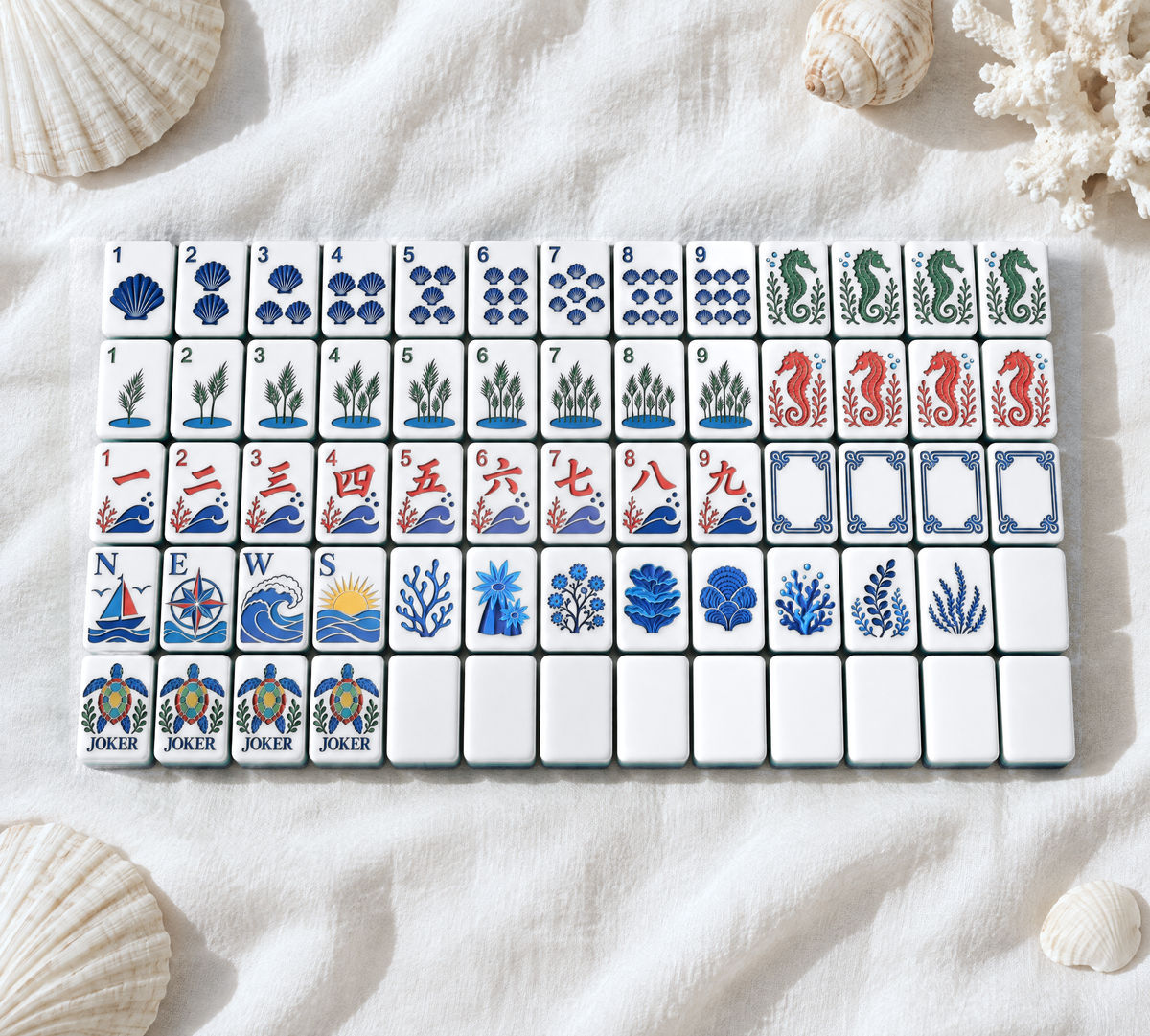
Dallas beginner mahjong classes are hosted at public community centers, libraries (especially in North Dallas and the Metroplex), synagogues with active game groups, and private country clubs. Most beginner sessions meet weekly for 2–3 hours and teach American mahjong—the standard 152-tile format played with the National Mah Jongg League card. Classes cost between modest drop-in fees and small session passes; ask at your library's front desk or search community board apps for "mahjong beginner circle" or "ladies mahjong group." Before your first class, you'll want a personal 160-tile acrylic set for practice at home—acrylic tiles are durable enough for weekly play without chipping. Avoid buying a set sight-unseen; bring a friend to class first to confirm the game's pace and style suit you, then invest in your own tiles.
Where Do Dallas Beginners Actually Find Classes?
Dallas hosts beginner mahjong in four main venues. Public libraries across the city—particularly branches in the Park Cities and near downtown—run open beginner circles, usually Wednesday or Thursday afternoons. Community recreation centers in neighborhoods like Plano, Richardson, and Irving offer registered sessions starting March through May each year. Synagogues with Hadassah or women's groups often welcome newcomers to their weekly Tuesday or Thursday games. Country clubs occasionally host drop-in beginner tables, though membership or a guest pass may be required. Start by calling your nearest library's program coordinator or checking the Parks and Recreation website for your city; ask specifically: "Do you host a beginner mahjong group, or can you recommend one nearby?" Most don't advertise online, so a direct call beats scrolling.

What Happens in Your First Class—and What Not to Panic About?
Your first class will cover tile names (Bams, Craks, Dots, Winds, Dragons, Flowers) and the ritual called the Charleston—a formal tile-passing exchange before any hand begins. The instructor will explain that American mahjong uses the current year's card from the National Mah Jongg League, which lists all valid winning hand patterns. You won't memorize it; you'll learn to read it, scanning for patterns your tiles can form. Expect 45 minutes of teaching, then 60–90 minutes of guided play at a table with three others. Most instructors allow questions mid-hand. Common beginner mistakes: calling a tile prematurely, discarding the wrong tile when you're learning, or moving tiles before the Charleston ends. Mistakes aren't failures—they're how you learn. Every player at the table was once in your seat.
Should You Buy a Set Before or After Your First Class?
Attend one class without your own set—borrow from the instructor or share with a neighbor. This tells you three things: whether you like the pace, whether the group culture fits you (competitive, social, teaching-focused), and whether you'll actually return next week. If yes on all three, buy a personal set for home practice. Beginners often overbuy—thinking they need decorator tiles or premium materials. You don't. An acrylic 160-tile American set from our best-selling mahjong sets collection is precise, durable, won't develop tile-warping over a season, and costs less than joining a club. Acrylic tiles are loud (tiles snap together crisply), which helps you hear when someone calls a pung or kong—a real advantage when learning. Avoid bamboo or bone sets as a first purchase; they require more maintenance and break more easily if you're still building muscle memory.
🀄 Shop best-selling mahjong sets →

What Equipment Beyond Tiles Makes Learning Easier?
Beyond a 160-tile set, three items level up your learning: a personal mahjong mat, racks with pushers, and a carrying bag. A mat—soft vinyl or felt, about 75 by 85 inches—creates a clean, organized surface where you can always see tiles clearly and control movement. Racks with pushers keep your hand orderly and prevent you from fumbling when calling a pung; instructors watch rack organization to help you understand hand structure. A padded bag makes your set feel professional and portable for the car ride to class. Choose a mat based on your table size and material preference—vinyl is easiest to clean after snacks. If you host games at home later, these items are non-negotiable for smooth, enjoyable play.
Item | Why Beginners Need It | When to Buy |
160-tile acrylic set | Durable, loud, precise, affordable | After 1st class (if staying) |
Mahjong mat | Organized sight lines, tile control | Before 2nd home practice session |
Racks with pushers | Hand clarity, reduces fumbling | Week 2–3 of classes |
Carrying bag | Protection, portability, confidence | Same time as mat |
How Long Until You're Ready for Casual Friendly Games?
Most beginners grip the core mechanics—tile names, pung vs. kong, reading a simple pattern—in three to four classes. Ready for casual friendly games usually takes six to eight weeks, meeting weekly. Ready to play faster, competitive tables takes four to six months of weekly play. The card remains your crutch forever; experienced players use it too. You'll never memorize all patterns—the League updates it yearly anyway. What you do build: speed at scanning, instinct about which tiles to keep and discard, and rhythm with the table's pace. Avoid jumping to advanced play too soon; playing with your skill level keeps games fun for everyone. After two months, ask your instructor, "Who would welcome me in a friendly home game?" Most will know someone looking for a fourth.
🎁 See our most-loved mahjong sets & accessories →
What to Check Before You Buy Your First Set
When shopping for your first 160-tile set, verify five things. Tile count: American mahjong always uses 152 playing tiles plus 8 jokers; a 160-tile set includes spares for practice. Material: Acrylic is best for beginners—no warping, loud snap, easy to clean. Texture: Tiles should have small raised dots or marks so you can feel numbers without looking. Case quality: Make sure the case seals securely; loose cases lead to tiles spilling en route to class. Joker clarity: Your set's jokers must be instantly distinguishable from numbered tiles—confusion here costs you the game. Read our guide to what's inside an American mahjong set for a detailed checklist. If your class uses specific tile colors or sizes, ask the instructor for their recommendation before ordering; you want to match the table's visual standard so you don't slow everyone down while learning tile positions.
✨ Find your Mahstead set — free US shipping →

FAQ
Can I learn mahjong from YouTube or an app instead of a class?
Apps teach hand patterns, but they can't teach table etiquette, tile-calling timing, or how to read a live opponent's discards—all crucial to real play. A live class costs less than most apps' premium tier and gives you four practice partners. Take a class first; apps supplement later.
Do Dallas beginner classes assume I've played before?
No. Beginner classes in Dallas assume zero knowledge and teach tile names, hand-reading, and game flow from scratch. If an instructor says "advanced beginner," it means you've played at least one full season (roughly 10 games).
How much does a beginner-friendly mahjong set cost versus what I'd spend on classes?
A 160-tile acrylic set from our best-selling collection is affordable—less than three beginner class sessions at most venues. Buying after your first class means you're investing in a hobby you've already tried and liked, not guessing blind.
What's the difference between American mahjong (what Dallas classes teach) and Chinese or Hong Kong mahjong?
American mahjong requires the official annual card; hands are rigid patterns. Chinese and Hong Kong mahjong allow flexible hand combos and sequences (chows). Dallas public classes teach American; ask your instructor upfront to confirm.
If I buy a set now but don't start classes until next month, will the tiles age?
Acrylic tiles don't age in a month or a year. Keep them sealed in the case away from direct sunlight and extreme heat. A set purchased today stays ready to play anytime—there's no rush, so buy when you've confirmed your class schedule.
Should I buy engraved or personalized tiles for a beginner set?
No. Engraved tiles are fun gifts for experienced players or hosts; beginners need neutral, clearly marked tiles so you're not distracted learning. Buy plain tiles first; after two years, consider a personalized engraved set for home if you want to host games.
Do I need a mat and racks right away, or can I start with just the tile set?
Start with just the set. Most class venues provide mats and racks shared at each table. After four to six weeks, buy your own mat and racks if you want to practice at home or host friends—they're non-essentials that speed learning and comfort, not musts.


View More
View More
View More
