
Mahjong Tournaments in Las Vegas: How to Find & Play
Last updated: Nov 23, 2026
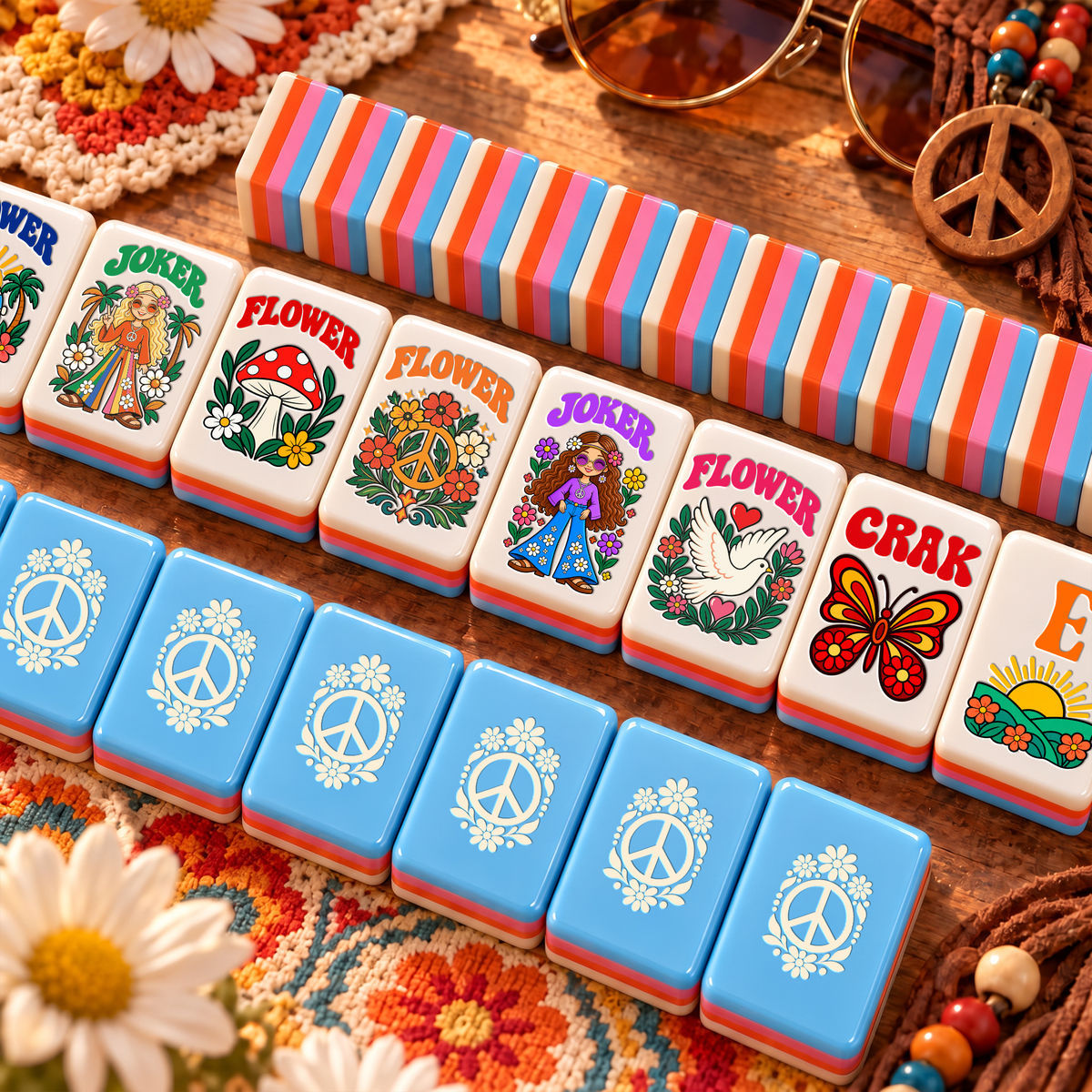
Mahjong tournaments in Las Vegas range from casual weekly meetups to organized league play, and the city's year-round climate and active retiree population make it a steady hub for American mahjong competition. Whether you're visiting for a few days or relocating, finding a tournament that matches your skill level and schedule takes a little research—but the community is welcoming and the game itself is the real reward.
Where do Las Vegas mahjong tournaments actually happen?
Las Vegas tournaments occur at senior living communities (the largest venues, often with multiple tables running simultaneously), public recreation centers run by the city Parks & Recreation Department, country clubs and golf communities with clubhouses, synagogues with active mahjong programs, and occasionally in the back rooms of casinos or bars. Ask at your hotel concierge, check the Parks & Recreation website for their spring and fall tournament calendars, visit local library community boards (many post flyers months in advance), and search "[your neighborhood name] mahjong" on community meetup platforms. Senior centers often have the most frequent tournaments because their members play multiple times weekly; these welcome all ages despite the name.

What's the difference between a casual game and a tournament format?
Casual play means four players, one night, relaxed stakes (penny points or tracking for bragging rights only). Tournaments formalize scoring, rotation, pairings, and winners; players typically rotate tables every round so no one sits out, and final standings rank by total points across all rounds. Tournament scoring follows the National Mah Jongg League card and standard American mahjong rules without house variants. Most Las Vegas tournaments run 8–16 rounds over a day or a series of evenings, with results posted online or on a bulletin board. The key difference: in casual play, you know your opponents; in tournaments, you play strangers and follow strict table etiquette—no phone checking, no coaching, no tile-swapping outside the Charleston. Casual games build skill; tournaments test it and build your rating if the host tracks one.
How do you prepare for your first Las Vegas tournament?
Pre-tournament checklist:
Bring your own 160-tile American mahjong set—most tournaments allow personal sets, and organizers always have spares if yours doesn't travel. If your set is new, practice with it at least twice so the tile weight and rack feel are familiar.
Study the current year's National Mah Jongg League card (updated every April). The card changes annually; an old one will cost you hands and confusion.
Refresh how to play American mahjong and especially understand how jokers work—American rules say jokers never substitute for a single tile or a pair, only for numbers or honors in a pung, kong, or longer combo.
Confirm the tournament's rules variant and whether they follow strict National Mah Jongg League scoring.
Arrive 15 minutes early so you can meet the director, confirm your name on the pairing sheet, and ask one clarifying question if the rules differ from League standard.
What to pack:
Your set and a mat to protect the tile surface during play.
A pen for score tracking (tournaments often provide, but bring a backup).
Water and a small snack (tournaments run 4–6 hours; organizers usually have coffee and cookies, but plan ahead).
Your National Mah Jongg League card or a printout of the current year's hands.
Comparing typical tournament setups:
Setup | Duration | Entry | Rounds | Best for |
Single-day event | 8 hrs, one sitting | Moderate | 8–12 | Visitors; casual players testing tournament play |
Weekly series | 2 hrs/week × 4–6 wks | Low per session | 4–6 | Regular locals; league-building |
Club championship | 1 day, weekend | None to low | 10–16 | Members only; high skill level |
Drop-in casual | 3–4 hrs, evening | Low | 1–2 | Beginners; no pressure |
🀄 Shop best-selling mahjong sets →
What rules do Las Vegas tournaments actually use?
Most Las Vegas tournaments follow strict National Mah Jongg League American mahjong rules: 152 tiles (the eight jokers never become part of the hand itself), four players, a Charleston before the first hand, and only hands from the current year's card. Pungs, kongs, quints, and sextets may be exposed; chows (sequences like 1-2-3) never exist in American mahjong. One significant variation you may encounter: some venues use house rules permitting jokers in pairs if the card includes a "pair joker" notation—always confirm this with the tournament director before play starts. Scoring follows League standards: 20 points for a tile from the wall, 40 for a discard, 60 for a live hand (one tile away from winning). Penalties for rule breaks (drawing out of turn, exposing tiles incorrectly) are enforced uniformly; the director has final say. Hong Kong or Riichi mahjong tournaments exist in Las Vegas but are rarer; if you see a tournament advertised, verify which variant before registering.

How does a Las Vegas tournament actually work from start to finish?
Hour 1: Check-in and setup
Arrive, sign the pairing sheet, pay entry fee if applicable.
Director announces rule clarifications and whether this is a charity event, rated tournament, or casual series.
Sit at an assigned table with three other players you've likely never met.
Hours 1–3: Play rounds
North player draws first tile (or dealer position rotates by rule).
Charleston happens (pass tiles left, then center, then right, then optional pass from partner).
Play proceeds: each player in turn draws, discards, or calls a pung/kong/quint.
First to complete a legal hand from the current year's card wins the round and keeps the score card.
Positions rotate (North becomes East, etc.) or players rotate to new tables.
Hour 3–5: Remaining rounds
Repeat. You'll play 8–12 different people over the day if you rotate tables, or the same three players if you stay at one table for all rounds.
Final hour: Scoring and results
Director tallies total points for each player across all rounds.
Winners are announced by rank (1st, 2nd, 3rd place).
Some tournaments award small prizes (gift certificates, trophy tokens, free entry to the next series); many award bragging rights and a printed results list.
🎁 See our most-loved mahjong sets & accessories →
What should you check before you sign up?
Rules and format — Email the tournament director or call the venue at least one week ahead. Ask: "Is this National Mah Jongg League American mahjong?", "Are jokers allowed in pairs?", "Can I use my own set?", and "What's the entry fee and what does it include?" Write the answers down so you have them on tournament day.
Your set's legality — A standard 160-tile American set is always accepted. If you own an older or non-standard set, check with the director in advance. Mahstead's engraved American mahjong sets and best-selling designs come with the full 152-tile roster and spare tiles, meeting every Las Vegas tournament requirement.
Skill-level match — Honest assessment: are you a beginner (fewer than 10 games played), intermediate (10–50 games, familiar with most hands), or advanced (50+ games, confident calling and scoring)? Ask the director if they segment tournaments by level. Beginners at an advanced table will lose points but gain experience; advanced players at a beginner table may find it slow but rewarding as a refresher. There's no shame in either—ask where you'd be welcomed and what the typical skill mix is.
Accessibility and timing — Confirm parking, entry accessibility, and start/end times. Some tournaments start at 8 a.m. (expect 2–3 hours of play); others at 6 p.m. (2 hours, then you're home by 8). Know the schedule so you don't arrive exhausted.
Scoring and rating — If this is an official National Mah Jongg League sanctioned tournament, you can earn a rating (tied to your NMJL player number). If it's a casual club event, no rating is tracked but friendships are built. Both are worthwhile; just know the difference.
✨ Find your Mahstead set — free US shipping →
Real mistakes first-time tournament players make (and how to avoid them)
Mistake 1: Using an old mahjong card or an incomplete set Old cards don't match the current year's hands, and you'll be calling illegal hands all day. Replace your card every April when the League issues the new one. Check your set count: a full American set is 152 tiles (152 tiles only—no blanks should be in active play). Mahstead's best-selling mahjong sets ship ready to play with all tiles counted and verified.
Mistake 2: Not practicing the Charleston at home The Charleston is the ritual three-pass tile exchange before the first hand. If you've never done it or haven't in months, you'll feel slow and flustered at the table. Grab a friend, do a five-minute Charleston run, and you're golden.
Mistake 3: Forgetting that jokers have strict rules in American mahjong Jokers can never be used for a single tile or a pair—only for a number or honor in a pung, kong, quint, or sextet. Many new players think jokers are wild cards like in poker; they're not. Review how jokers work in American mahjong before you play.
Mistake 4: Arriving without a mat Tiles on a hard table surface shift, crack, and slide; they're also loud and distracting. A mahjong mat protects your tiles, mutes noise, and shows respect for the game and your table-mates. Bring one, or ask the venue if they have spares.
Mistake 5: Keeping your hand too open or too hidden In tournaments, each player must be able to see everyone's exposed melds (pungs, kongs, quints). Keep your racks tidy and pitched slightly toward the center so others can verify your plays. If you hide your hand angle, you look shady and slow the game.
How to keep learning after your first tournament
Every tournament is a data point. After play, stay for 15 minutes and ask one player, "What hand were you working on when I beat you?" or "How would you have played that round differently?" Most players love talking about strategy and are happy to share. Join a weekly casual game between tournaments—consistency builds pattern recognition faster than one big event. Study how to read the mahjong card so you can spot two or three hands you're holding in under 10 seconds; this speeds your play and reduces errors. Track your own results in a notebook: date, venue, final rank, hands you won, hands you struggled with. After five tournaments, you'll see your weak spots and can drill them.

FAQ
Do I need a player number to enter a Las Vegas mahjong tournament?
A National Mah Jongg League player number is required only if the tournament is League-sanctioned and you want your rating tracked. Casual club and community tournaments do not require it. Ask the director before registering whether you need one; if so, apply online through the League website.
What happens if I don't know a hand on the mahjong card during a tournament?
Raise your hand, the tournament director will come to your table, and they'll verify the hand or declare it illegal. If you call an illegal hand, you forfeit the round and receive zero points. Always double-check your hand against the card before declaring a win; no penalty for asking the director to confirm before you win.
Can I use an online mahjong app to study before a Las Vegas tournament?
Online apps teach the general flow of play and tile recognition but often use non-League hands or house rules. They're helpful for fun and speed, but pair them with the official National Mah Jongg League card and a beginner's guide to American mahjong for tournament accuracy.
How much does a typical Las Vegas mahjong tournament cost?
Entry fees vary widely depending on the venue and format. Some charity tournaments and casual club play charge no entry fee; others charge a modest per-round or per-series fee. Contact the specific tournament or venue for their pricing, as costs change seasonally and by event type.
If I'm visiting Las Vegas for just one weekend, how do I find a tournament?
Call the city Parks & Recreation Department or visit their website for weekend event schedules; check senior centers in your hotel area for drop-in play or mini-tournaments; ask your hotel concierge or the front desk—many know local mahjong players and venues. Arrive Thursday or Friday to get on a pairing sheet for Saturday or Sunday play.
What's the age range of players in Las Vegas tournaments?
Las Vegas mahjong players span ages 40–85+, with concentrations in the 60+ range due to retiree populations. Many tournaments welcome all ages; younger players are common but fewer. Beginner and intermediate tables are often mixed-age and mixed-skill, which makes them lively and inclusive.


View More
View More
View More
