
Mahjong Lessons on Long Island: Where to Start & What You Need
Last updated: Nov 23, 2026
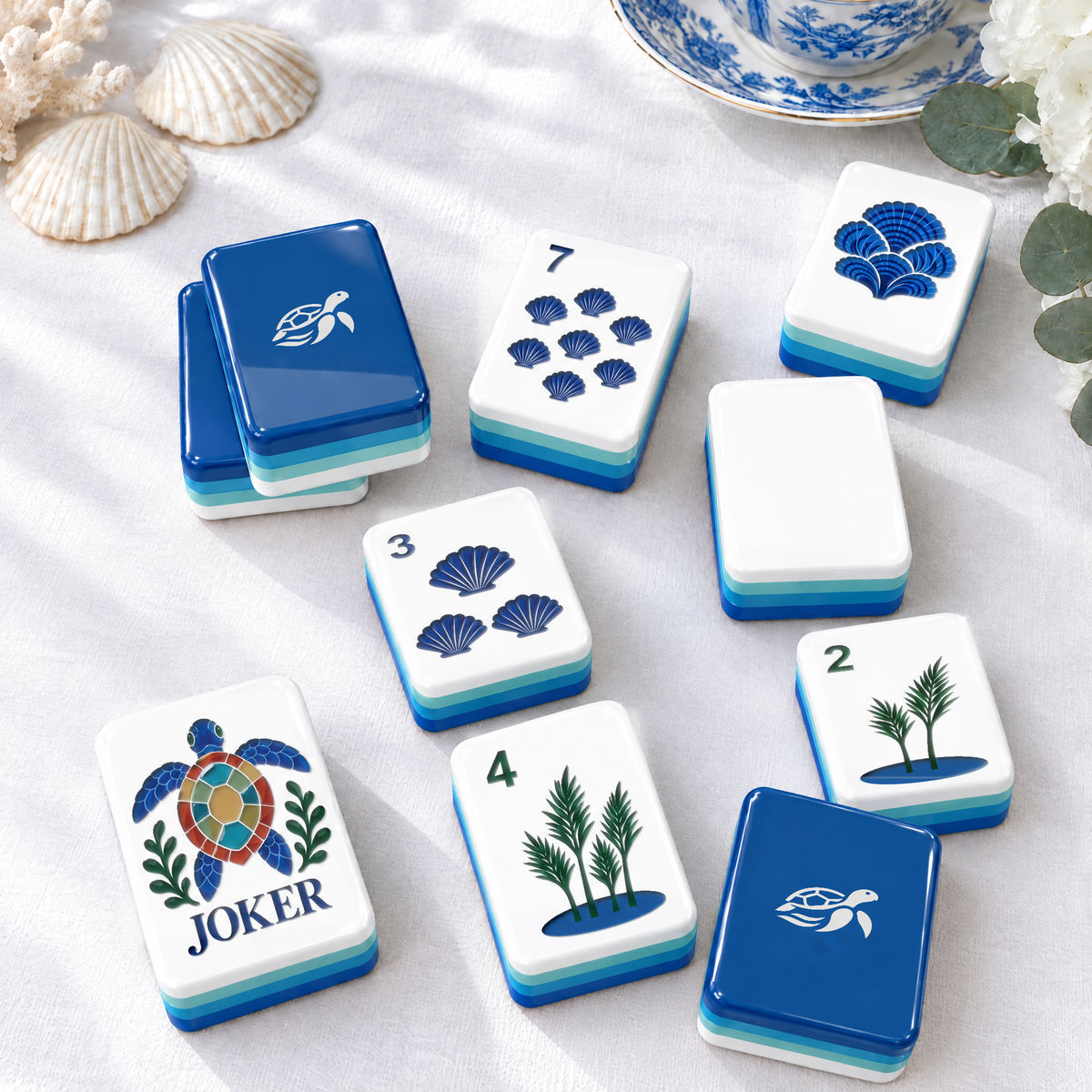
Long Island mahjong instruction happens at community centers, libraries, synagogues, and country clubs across Nassau and Suffolk counties—search your town's recreation department or library events calendar, or check Meetup for weekly game groups that welcome beginners. Most teachers offer one-on-one or small-group sessions (4–8 weeks, one to two hours per week) covering American mahjong fundamentals: tile recognition, the Charleston ritual, hand reading using the National Mah Jongg League card, and how to build and declare a winning hand. Beginners should expect to learn the 152-tile American set structure, the eight jokers, and why sequences (chows) don't exist in this variant. Your instructor will either provide a practice set or tell you which sets work best for learning. Cost varies by teacher and group size; ask local instructors directly for their rates. Avoid jumping into online tutorials alone—mahjong is a social game, and a live teacher catches common beginner mistakes immediately.
How do I find a mahjong teacher on Long Island?
Start with your local parks and recreation department website—most towns list weekly mahjong clubs and instruction schedules. Public libraries often host noon or evening games; call ahead and ask if the group takes newcomers. Synagogues and senior centers frequently run beginner lessons in fall and spring. Meetup and Facebook community groups (search "Long Island mahjong" or your specific town) connect players and often list instructors. Country clubs and golf clubs sometimes host private games; if you're a member, ask the activities director. Check venues within 10–15 minutes of home first—consistency beats convenience; you'll keep attending if the drive is short.
🀄 Shop best-selling mahjong sets →

What does a typical mahjong lesson cover for beginners?
Week one or two covers tile identification: the three suits (Bams, Craks, Dots numbered 1–9), the winds (North, East, West, South), dragons (Red, Green, White), flowers, and the eight jokers. Your teacher will have you sort a full set, then pick tiles blindly and name them—muscle memory matters. Week two or three introduces the Charleston: the three-part tile-exchange ritual that starts every game. Weeks three and four focus on how to read the mahjong card, which displays all legal winning hands for the current year. You'll learn why American mahjong has no sequences (chows), only pungs (three identical), kongs (four identical), quints (five), and sextets (six). A solid beginner teacher always plays slow practice hands with you, narrating as you go.
What's the difference between American and other mahjong variants?
American mahjong uses only hands printed on the annual National Mah Jongg League card—you cannot invent hands. Chinese and Hong Kong variants allow any four melds plus a pair and reward more complex scoring. Riichi mahjong (Japanese) uses a different hand system and tile set; sequences matter there, and winning happens instantly. Taiwanese mahjong includes betting and different suit values. For Long Island learners, American is the standard: 152 tiles, eight jokers (which can only sit in exposed melds, never in a pair or single), and all hands come from one card. Most Long Island clubs and teachers teach American exclusively. This guide to American mahjong rules explains the full system step-by-step.
🎁 See our most-loved mahjong sets & accessories →
How should I practice between lessons?
Ask your teacher to lend you a set or buy one yourself—our best-selling collection offers durable acrylic American sets with clear engraving that beginners love. Practice tile recognition for 10 minutes daily: shuffle the tiles, pick one at random, name it aloud. This builds speed and confidence. Set up a full hand from the card—grab your teacher's recommended hand, count your 13 tiles plus the draw, lay it out, and ask "what wins next?" After four to six weeks of lessons, organize a slow practice game with one or two other beginners; play one hand at a time, pause after each meld, and check the card together. Join a beginner's game night at your local venue once a month; playing live accelerates learning far more than solo practice. Keep a small notebook and jot down two or three hands you struggle with after each game—bring it to your next lesson for feedback.

What equipment do I need as a beginner?
A 160-tile acrylic American mahjong set is the standard. You need a mat to protect your table and mark the four player positions clearly—vital for reading tile placement. Racks with pushers are optional but help early learners organize their hand visually; pushers let you slide tiles toward the center when you expose a meld. Many Long Island clubs provide these items, so check with your teacher first. If you're buying, start with just a set and mat; racks are nice-to-have, not essential. Get a travel bag only if you'll carry your set to lessons or games away from home—early learners rarely need this until month three or four.
Item | Who Should Buy | Why It Matters | When to Get It |
Acrylic 160-tile set | Every learner | Durable, clear tiles, full American tile count | Before first lesson |
Nylon mat with markings | Learners playing at home | Protects table, marks player seats | Same time as set |
Racks with pushers | Visual organizers, small-hand players | Cleaner hand layout, easier tile management | After 4–6 weeks |
Travel bag | Frequent game-goers | Safe transport to lessons and clubs | Month 3+ |
✨ Find your Mahstead set — free US shipping →
What mistakes should I avoid as a beginner?
Don't memorize hands—learn to read the card and understand hand structure (concealed vs. exposed, which joker-enabled hands require exact tile counts). Many newcomers hold jokers as single tiles or in pairs; remember: jokers only belong in melds of 3+ tiles. Don't skip the Charleston—it's not just ritual, it's strategy, and rushing through it builds bad habits. Avoid playing faster than you can think; a good beginner game takes 45 minutes for two hands. Don't assume Long Island has only one dialect; a few venues play house rules (like different Charleston passes); always ask before sitting. Finally, don't quit after one tough night. Mahjong feels overwhelming for the first 4–6 weeks; this is normal. Your brain is learning 152 tile faces, hand patterns, and card reading simultaneously.
What to check before you buy
Tile clarity and size: Acrylic tiles should have sharp engraving; look at close-up photos to confirm text is crisp and legible. Tile count: American play requires exactly 152 tiles plus eight jokers; confirm the set you buy includes this count. Mat surface: Choose a mat with clear player position markings and felt backing to prevent sliding. Bag durability: If buying one, confirm it has padded compartments and fits your specific set size (160-tile sets vary slightly in case width). Set source: Buy from a vendor experienced with American mahjong rules—they'll include the current year's hand card or tell you where to find it (the National Mah Jongg League publishes one annually each spring).

FAQ
How long until I can play a full game?
Most learners play slow, supported games after 4–6 weeks of lessons and home practice. Full-speed games come around week 10–12. Play speed improves with tile recognition, so practice daily tile ID.
Should I start with a cheap set or invest in a quality one?
Buy mid-range acrylic from the start. Cheap plastic tiles warp, crack, and wear fast. A quality set lasts years and teaches you proper tile feel—investment now saves money long-term.
Can I learn online instead of in person?
Video tutorials teach tile names and card reading, but they won't catch your live mistakes (holding jokers wrong, misreading the card, illegal melds). Pair online videos with at least a few in-person lessons or games.
What's the best day and time to take lessons on Long Island?
Evenings (6–8 p.m.) suit most working learners; Saturdays and Sunday mornings suit retirees. Ask your teacher about their schedule; consistency matters more than time of day.
Do I need to buy the National Mah Jongg League card separately?
Ask your teacher first—many provide one or show you how to read it online. If buying a set online, confirm the vendor includes the current year's card or directs you where to find it.
What if my local library or center doesn't offer lessons?
Contact nearby towns within 15 minutes; check their recreation websites and call the front desk. Private instructors advertise on Meetup and Facebook; ask for recommendations from the group when you find one online.


View More
View More
View More
