
Mahjong Tournaments in Houston: Where to Play & How to Compete
Last updated: Nov 23, 2026
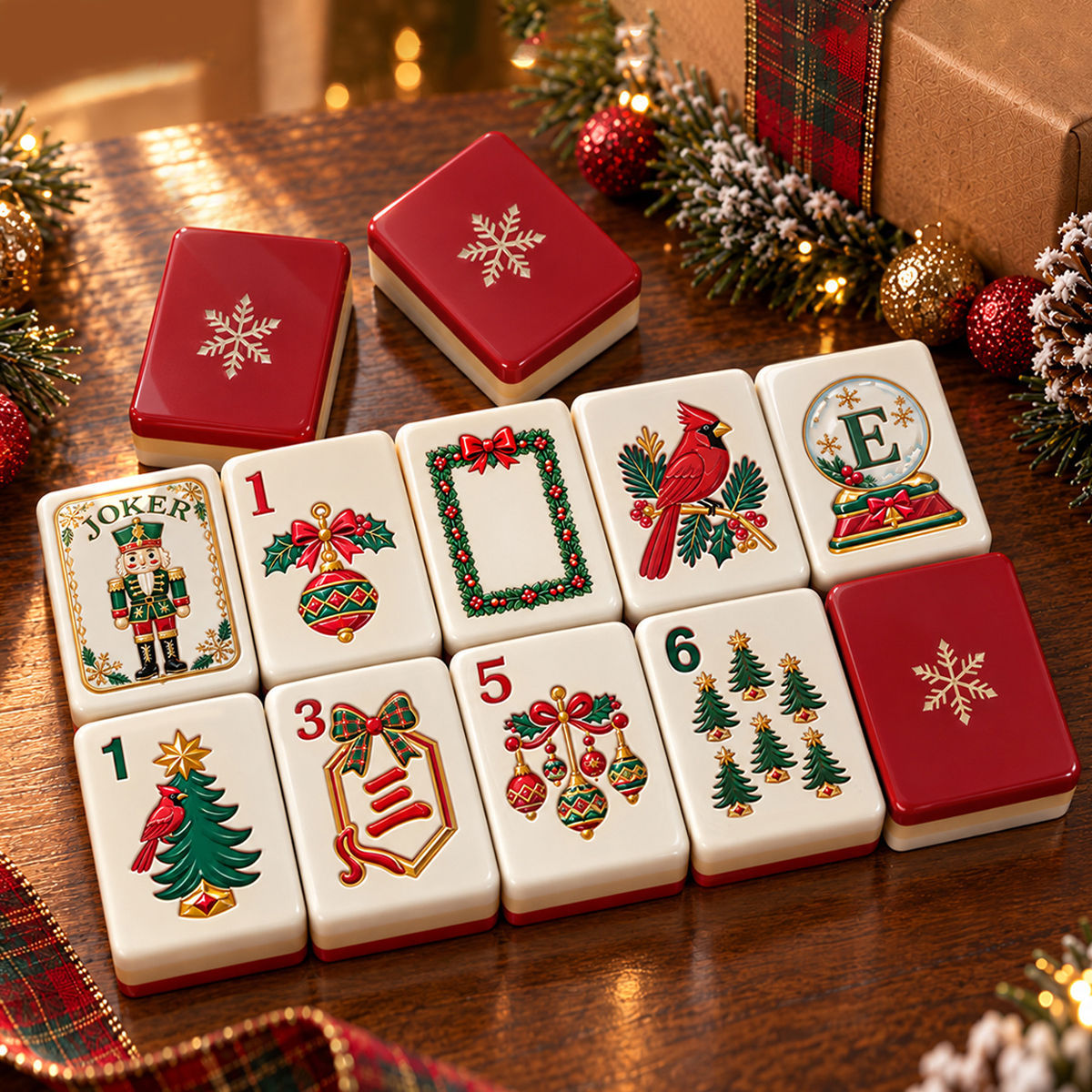
Houston's mahjong scene centers on American mahjong tournaments held at community centers, libraries, synagogues, and country clubs throughout the metro area. Look for sanctioned tournaments through the National Mah Jongg League website, which lists regional events and clubs. Most tournaments run year-round with spring and fall seasons drawing larger fields. Entry fees vary by venue and format, typically ranging from casual five-dollar game nights to structured tournament brackets with higher buy-ins. Tournaments follow standard NMJL rules using the current year's official card; players bring their own tiles or use house sets. Before competing, confirm the specific rules (American vs. other variants), the tile count (American uses 152 tiles plus 8 jokers), and whether jokers and your personal gear are permitted. Newcomers should attend a casual game night first to build confidence before entering a bracket tournament.
Where do Houston players actually find tournaments and game nights?
Houston mahjong tournaments and regular games live in three main channels: formal league events listed on the NMJL website, community venue schedules (check local libraries, community centers, and Jewish community centers for bulletin boards and event calendars), and meetup boards. Search Meetup.com for "mahjong Houston" or visit synagogue and country club bulletin boards—many host weekly games or quarterly tournaments. Public library systems sometimes post schedules in recreation departments. Call ahead to confirm dates, format, entry fees, and whether you can bring your own tiles, as house policies vary widely.
🀄 Shop best-selling mahjong sets →
What tournament formats will you encounter in Houston?
Houston tournaments typically offer two structures: round-robin events where every player meets others over multiple hands, and bracket-style play with elimination rounds. Round-robin tournaments suit beginners and intermediate players; scores accumulate and the highest total wins. Bracket play moves faster and appeals to experienced competitors, but one or two bad hands can eliminate you. Cash-game nights run casually—players join for an hour or three, pay a small entry fee, and settle scores at the end. Some venues host monthly championship tournaments with tiered entry and prize pools. Ask venue coordinators which format is running—that choice shapes how you should prepare your strategy.
What rules and equipment matter before you walk in?
American mahjong tournaments use the National Mah Jongg League's annual card (issued every spring), the current year only. All hands must come from that card. Play uses exactly 152 tiles plus 8 jokers; tiles include three suits (Bams, Craks, Dots numbered 1–9), winds (North, East, West, South), dragons (Red, Green, White), and flowers. You cannot use jokers in a single tile or as a pair; jokers substitute for any other tile in a set or run. The Charleston—a tile-passing ritual before the hand—is mandatory in American mahjong. Confirm whether the venue allows personal tiles; if you bring your own set, use one with clear, durable tiles like acrylic American mahjong sets that tournament players prefer. Some venues require house tiles only. Call ahead.
How should newcomers train before entering a tournament?
Start by learning the basics in a casual game night, not a tournament bracket. Attend at least 3–4 weekly games to understand pace, how to read the NMJL card, and how jokers work in American mahjong. Study the Charleston explained so you don't stumble during the tile exchange. Practice hand recognition—memorizing common patterns from the card—cuts hesitation. Play with the same group weekly if possible; you'll recognize opponents' styles and build confidence. Bring a notebook to jot down hands you see repeatedly. Set a personal goal (finish in the top half, not bust out) rather than aiming to win immediately. Most tournaments welcome beginners in a "novice" or "mixed" bracket; ask if one exists.

What gear and prep keeps you competitive and comfortable?
Wear layers; tournament rooms vary widely in temperature. Bring water and a light snack to stay sharp over four to six hours. A personal tile set with a quality mahjong mat and racks with pushers helps if the venue allows personal tiles—you'll work faster and feel in control. Confirm this in advance. A small bag or case keeps your tiles protected between sessions. Arrive 15 minutes early to find your table, verify the format, and ask clarifying questions. Bring cash for the entry fee and any side games. Keep your National Mah Jongg League card handy (many venues don't provide them). Pack a pen to score and note memorable hands. Silence your phone.
What's the typical tournament schedule and scoring process?
Most Houston tournaments run four to six sessions of 1.5 to 2 hours each across an afternoon or full day. Scoring uses the National Mah Jongg League system: each completed hand earns points based on the card's listed value for that pattern; incomplete hands score zero. Players rotate tables and opponents between sessions to ensure fairness. A tournament director tracks all scores and announces standings after each session. Final rankings depend on total points, ties broken by head-to-head results or a playoff hand. Cash tournaments may pay out top three to five finishers based on entry numbers. Ask the tournament coordinator for the exact scoring rules and payout structure when you register; they vary by venue.
Aspect | Casual Game Night | Seasonal Tournament | Monthly League |
Commitment | Drop in anytime | One day or weekend | Recurring weekly/monthly |
Entry Format | Cash game, settle at end | Bracket or round-robin | Season standings, playoffs |
Best For | Learning, confidence | Friendly competition | Serious players |
Time Required | 1–3 hours | 4–6 hours (full day) | 2 hours per session |
Typical Venue | Community center, home game | Library, synagogue, country club | League-affiliated club |
🎁 See our most-loved mahjong sets & accessories →

What to check before you buy or bring your own tiles
If you plan to use a personal set, confirm these details with the venue first: • Are personal tiles allowed? Some tournaments require house tiles. • Must tiles meet specific standards? Size, weight, or design rules vary. • Do you need your own mat and racks? Venues may or may not provide them. • Is a current-year NMJL card required? You must provide one if the venue doesn't. • What's the entry fee and payout format? Clarify before committing.
Many competitive players invest in engraved mahjong sets with custom designs and clear tile markings—these tiles move smoothly during play and stand up to repeated tournament handling. If you attend tournaments regularly, a quality personal set pays for itself in confidence and speed.
✨ Find your Mahstead set — free US shipping →
How serious is the Houston mahjong community?
Houston's mahjong scene mixes casual weekly games with serious competitive play. The community welcomes all skill levels and skews friendly—most players prefer good company over cutthroat competition. You'll find dedicated competitors who travel to spring and fall tournaments, but also neighbors playing for fun and social time. The city has enough players to sustain year-round games at multiple venues, which means opportunities exist whether you want relaxed evenings or championship brackets. Start casual, build friendships, and move into tournaments only when you're ready.
For deeper rules and beginner fundamentals, our guides cover American mahjong in detail—read before your first game so you walk in prepared.

FAQ
Can I use my own mahjong tiles at a Houston tournament?
Most venues allow personal tiles, but rules vary by location and tournament. Call ahead to confirm. If permitted, ensure your set meets venue standards for size and condition; many competitive players prefer acrylic sets for durability and clear markings.
What does the NMJL card have to do with tournaments?
The National Mah Jongg League publishes a new official card every spring listing all valid hands for that year. Tournaments use only the current-year card; every hand you win must match a listed pattern. You must know how to read the card or you cannot compete effectively.
Do I need to own a mahjong set to play in a Houston tournament?
No. Most tournament venues provide house tiles and mats. Bring cash for the entry fee. Having a personal set is optional but helpful if you play regularly, as you'll develop comfort with your tiles' weight and feel.
How much does a typical Houston mahjong tournament cost to enter?
Entry fees range widely. Casual game nights often run five to ten dollars per session. Structured tournaments typically charge fifteen to fifty dollars depending on the venue, format, and prize pool. Always ask the organizer before committing.
What's the best way to prepare for my first tournament?
Attend at least three to four casual game nights at the same venue first. Learn the Charleston, practice reading the card, and watch how experienced players approach hand selection. Most venues have a beginner or mixed bracket; start there, not in a competitive bracket.
Do Houston tournaments play American mahjong or other variants?
Most Houston tournaments and league play follow American mahjong rules using NMJL cards. Some casual games may include house rules or brief lessons on other variants, but competitive tournaments are exclusively American mahjong.


View More
View More
View More
