
Modern Mahjong Table: What to Buy for Your Weekly Game
Last updated: Nov 23, 2026
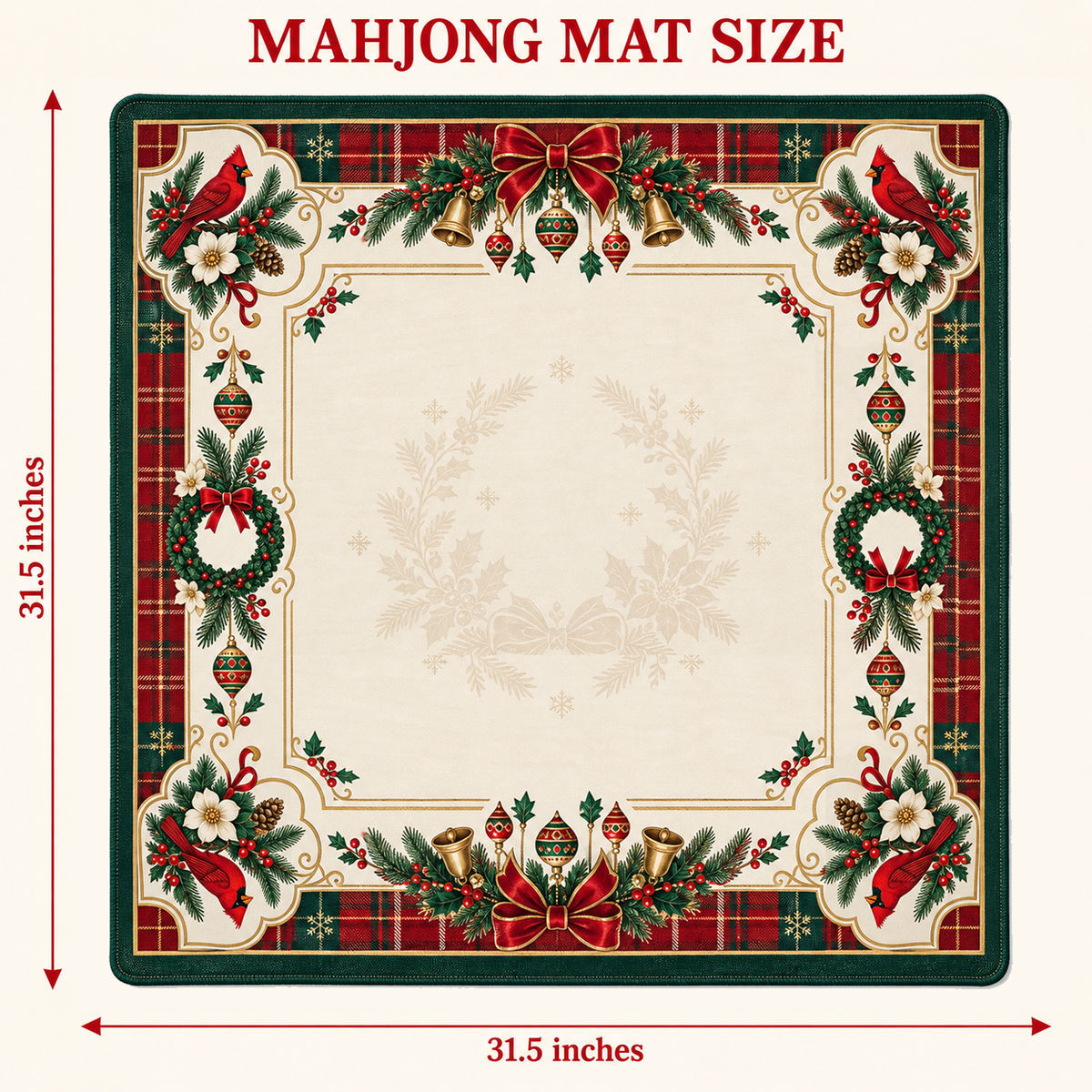
A modern mahjong table ranges from a compact portable mat rolled up and stored between games, to a padded table cover that sits ready year-round, to a built-in game table for the devoted. We host weekly games on a collection of acrylic American mahjong mats that protect the playing surface while keeping tiles visible and organized. Most home players choose a felt or velvet mat sized to fit a standard 36–48" table; these cost between basic utility and premium embroidered designs. What matters: does it hold 152 tiles with room to move, does the pile surface grip tiles so they don't slide, and will you actually pull it out weekly or let it gather dust? Cheap mats wrinkle and stain; quality ones last seasons. Skip table covers that slide around—the mat stays put, the tiles stay visible, and your game stays fun.
What size mat does your table actually need?
Measure your table first. Most home dining tables are 36" × 48" or 42" × 60". A mahjong mat should leave 2–3" of table edge visible on all sides so players can rest their hands and set down drinks. If your table is 42" wide, get a mat no larger than 36" × 54" to avoid overhang. Too small and your discard pile jams into the center wall; too large and tiles fall off the edge. A quality mat has reinforced stitching at corners where tiles pile up; cheap ones fray. Match the mat width to your table depth (the axis where players sit face-to-face), not length—tiles need breathing room on the long axis.
Felt, velvet, or rubber: which playing surface grips best?
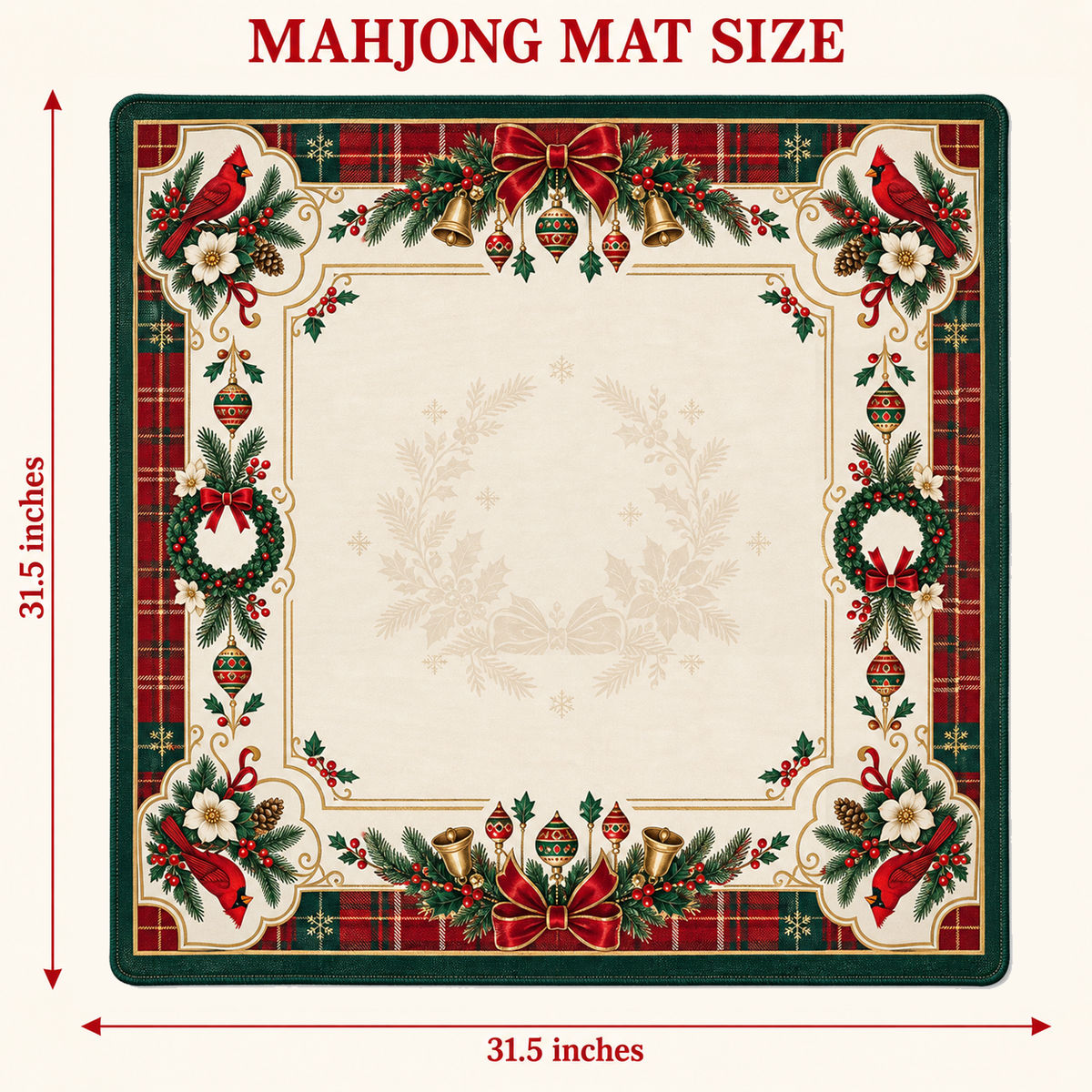
Felt is the American standard: soft, durable, slightly tacky so tiles don't slide when you flip them from your hand. Velvet is plusher and grabs tile edges more firmly, ideal if your tiles are smooth acrylic and you're tired of chasing them across the table. Rubber-backed mats stay flat and won't bunch up mid-game—crucial if you're moving the mat in and out of storage. Avoid cheap polyester or plastic surfaces; they attract dust, stain easily, and feel cheap under hand. The pile should be dense enough that a tile doesn't settle into the weave, but not so thick that you can't see the number clearly. Feel it in person if you can; the best surfaces have a slightly sticky feel without being gummy.
Built-in table vs. portable mat: Which fits your life?
Option | Who it's for | Setup time | Wear & tear | Real cost factor |
Portable mat | Casual weekly games, renters, limited storage | <2 min | High (rolled, bent) | Low upfront; replaces every 3–4 years |
Table cover | Players with a dedicated game table | <1 min | Medium (wrinkles, stains) | Medium; lasts 5+ years |
Built-in table | League players, serious enthusiasts | None | Low (permanent) | High upfront; single investment |
Travel roll mat | Players who take games to friends' homes | <1 min | Very high (packed, compressed) | Low; budget for frequent replacement |
We use a permanent mat on our main game table and keep a compact roll mat in a closet for when we play at someone else's house. The portable mat folds down to briefcase size and ships flat; we unroll it, set our best-selling mahjong sets on top, and start in under five minutes. The built-in table makes sense only if mahjong is your primary hobby—the cost is steep, and moving it later is a headache.
🀄 Shop best-selling mahjong sets →
How to choose between mat designs: function vs. aesthetics
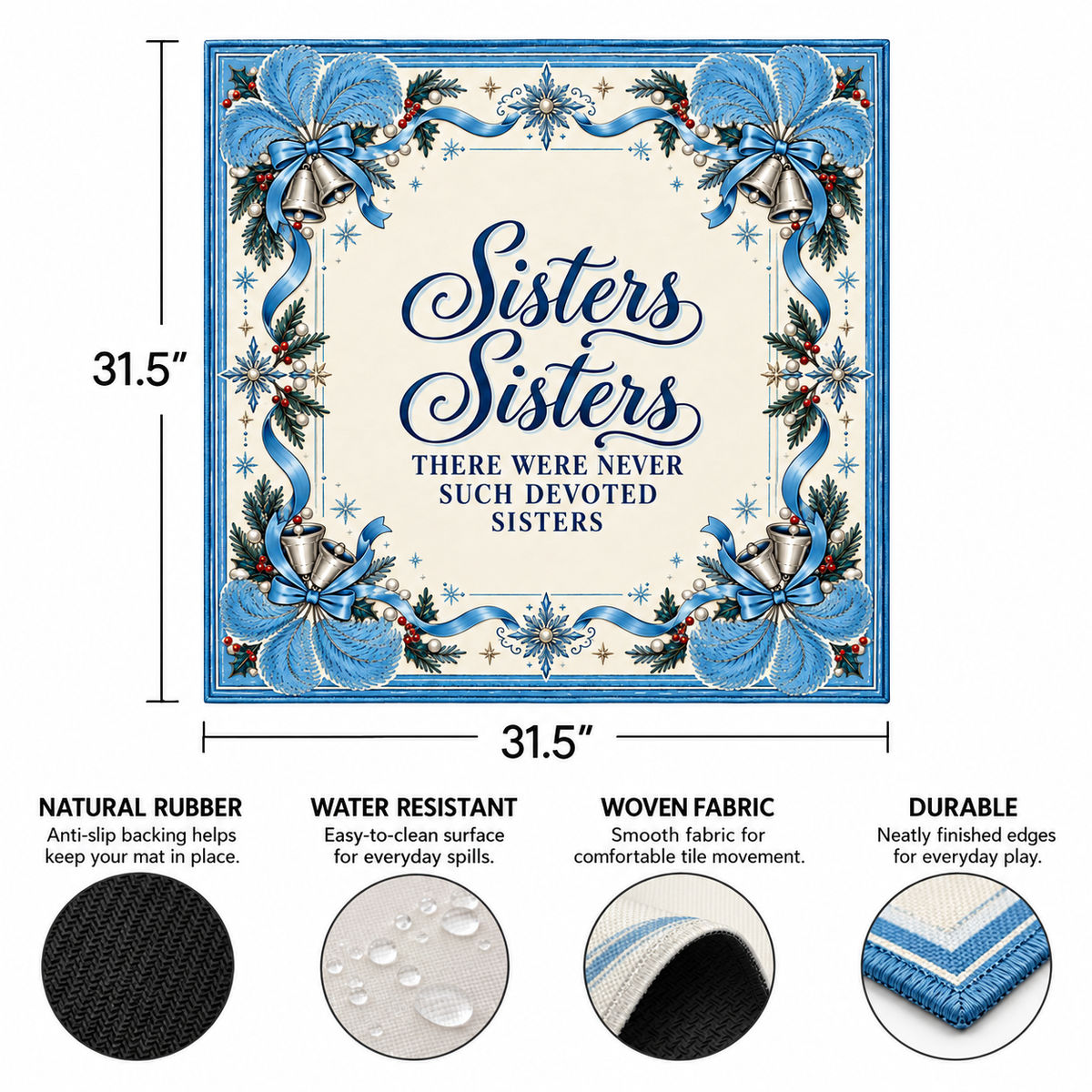
A basic solid-color mat costs less and works perfectly; it's neutral, easy to clean, and doesn't distract. Embroidered or printed designs (bamboo, Chinese characters, modern graphics) cost more but look sharp when guests arrive and make the ritual feel more intentional. If you're the kind of player who leaves the mat on the table between games, an attractive design matters—ugly mats get covered up or stored away, defeating their purpose. We've learned: an embroidered mat you love to show off gets used more often than a hidden one.
The best modern mahjong mats also include markers for the four player positions, a visible center line, and sometimes small pockets or divots for jokers and flowers. Some mat designs have a lip or raised border that keeps tiles from rolling onto the floor. If your players are beginners learning how to read the mahjong card, a mat with clear position labels (East, South, West, North) speeds up setup. For a league-level game, simpler is better—the mat should disappear; the tiles and the card should command all attention.
What to check before you order a mat
Measure your table width and depth in inches, then subtract 3–4 inches. That's your max mat size. A mat larger than your table is worthless; one too small forces tiles off the edge.
Ask about the backing material. Does it grip the table surface or slide? Rubber backing prevents shifting mid-game—essential if your table is smooth laminate. Felt backing is fine on textured wood.
Look for stitching quality at corners. Tiles pile up and pull hard on the edges; weak stitching fails fast. Reinforced corners outlast simple hems by years.
Check the pile thickness. Tiles should sit flat on the surface, not sink. Tiles that nestle into thick pile are hard to spot and slow down the draw.
Verify the color won't show dirt. Light colors stain from tile dust and pencil marks; dark colors hide spills better. We choose mid-tone grays for weekly play.
See if it rolls or folds for storage. Rolling is easier on the material; folding creases the pile and creates permanent wrinkles.
Get a mat you're excited to use every week. We've seen players stick with games for years once they invested in a mat they enjoyed unrolling. Visit our mat collection to see the designs and details in full.
🎁 See our most-loved mahjong sets & accessories →
The modern mahjong table: permanent installation vs. flexibility
A dedicated game table bolted to the floor used to be the luxury choice; today, serious players value flexibility. A high-quality portable mat on a sturdy dining table lets you play mahjong Monday and host dinner Thursday. The mat stays clean, your table stays scratch-free, and you reclaim the space. Built-in tables are beautiful but immobile—they demand a game room, a commitment, and floor space you can't repurpose.
For serious American mahjong players, the real upgrade isn't the table—it's the mat, the organized set with racks and pushers, and the tile quality. A modern setup is mat + acrylic set + racks + a protective travel bag if you move between homes. That's the 2026 way: portable, practical, and always ready.
✨ Find your Mahstead set — free US shipping →
FAQ
What size mat fits a 42" × 60" dining table?
Measure from edge to edge, then subtract 4". A 42" table needs a mat no wider than 38"; a 60" table needs a mat no longer than 56". This leaves room for players' hands, drinks, and score sheets at the edges without tiles sliding off.
Can I use a mat on an uneven or textured table?
Yes, if the mat has rubber backing. Rubber grips most surfaces and prevents shifting. Felt backing slides on glass or polished wood. Check the backing material before ordering.
How long does a good mahjong mat last?
5–7 years with weekly play, if stored flat and cleaned gently. Rolled mats crease and wear faster; folds create permanent wrinkles. Replace sooner if the pile matts down or the backing peels.
Do I need a mat if I already have a table cover?
No—they serve the same function. A mat is easier to store and move; a table cover stays in place. Choose one based on whether you want flexibility (mat) or permanence (cover).
What's the best surface for smooth acrylic tiles?
Velvet or rubber-backed mats grip acrylic better than felt. Felt works fine, but velvet prevents tiles from sliding when you flip them or draw quickly. Test both if possible.
Can I wash or spot-clean a mahjong mat?
Yes. Blot spills immediately with a damp cloth; don't soak or machine wash. Air dry flat. Avoid bleach or harsh solvents—they fade the pile and damage stitching.


View More
View More
View More
