
Mahjong Racks with Pushers Under 300: Buyer's Guide
Last updated: Nov 23, 2026
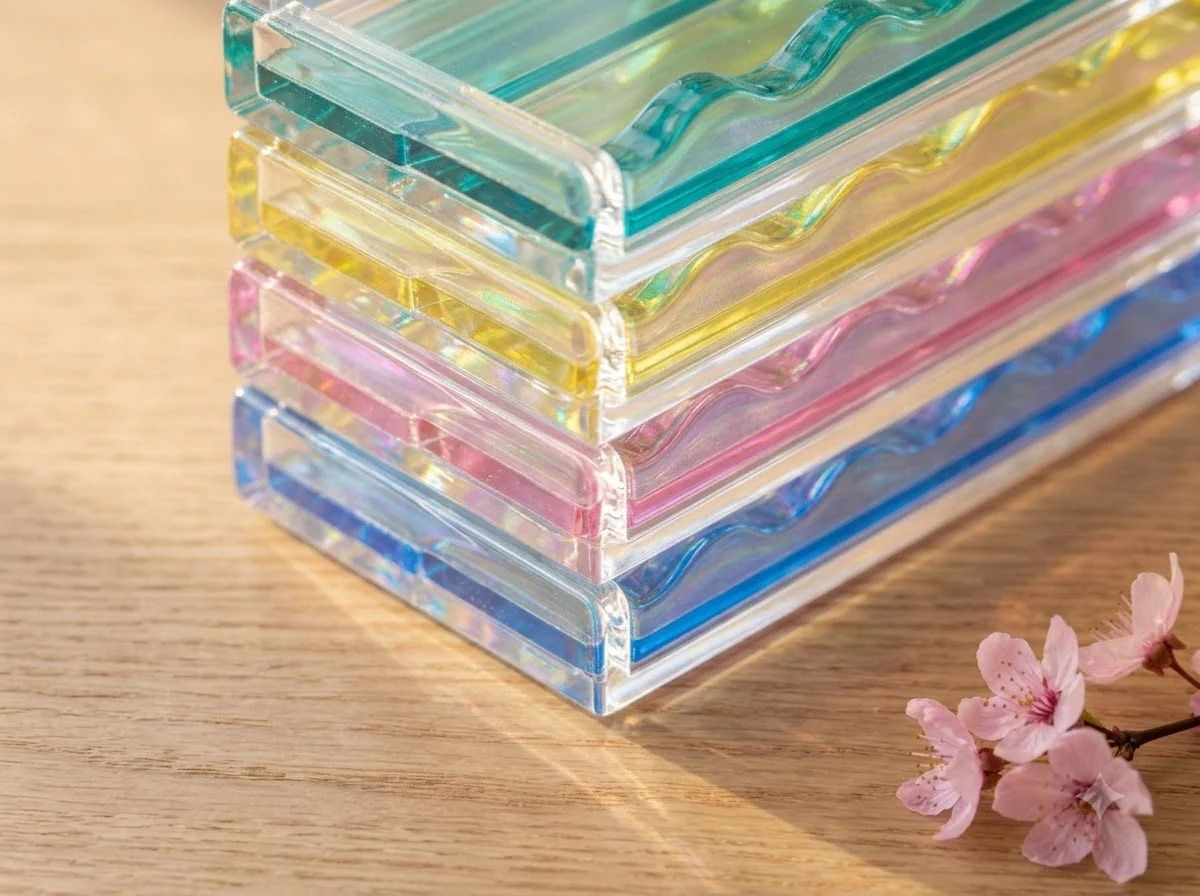
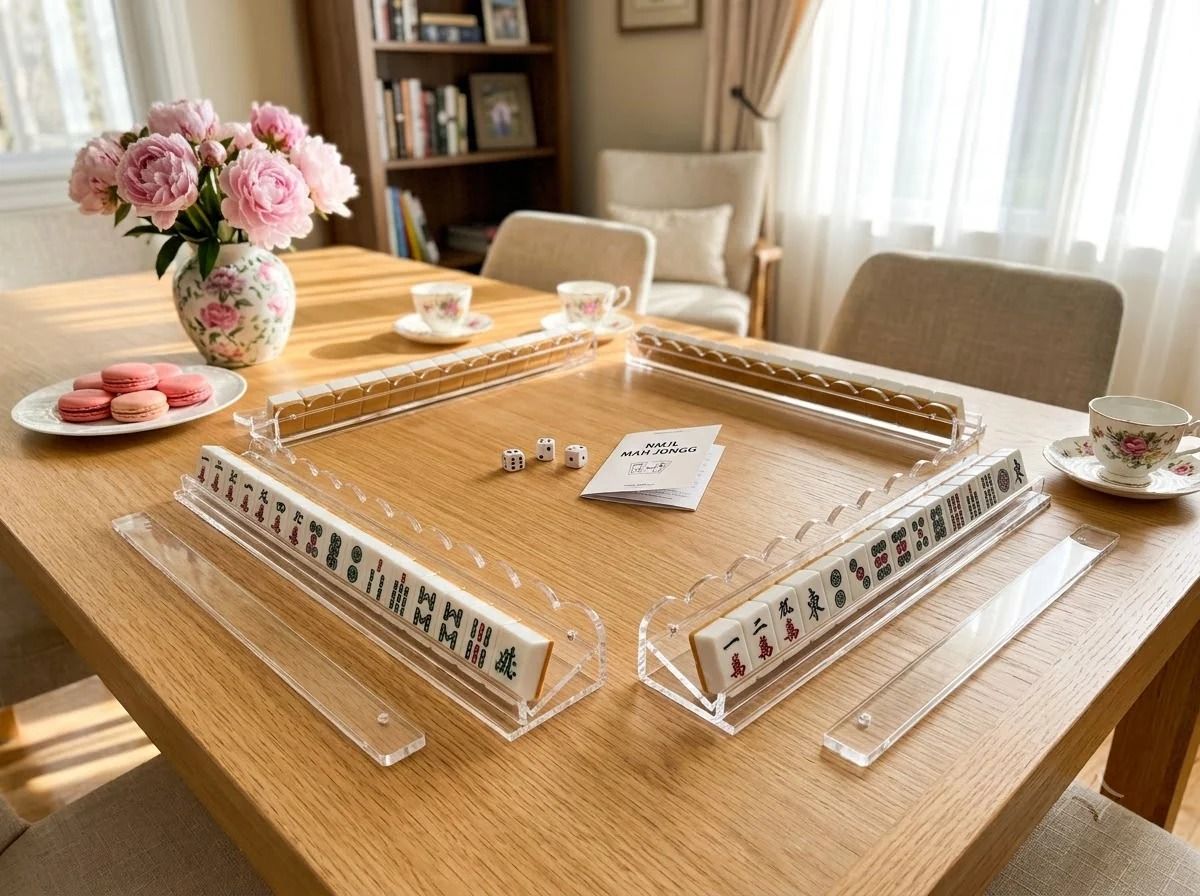
A mahjong rack with pushers is a two-part tool: the rack holds your 13–14 tiles upright so opponents can't see them, and pushers (two thin sticks per player) let you slide tiles into position without dropping them. American players use four racks—one per player—during a four-player game. Most racks sold in the US are acrylic or bamboo, measure 8–12 inches wide, and cost within a modest range depending on material and finish. Acrylic racks are lighter, easier to clean, and last decades; bamboo racks feel traditional and are quieter but require care to avoid warping. Pushers come included with most racks. The key decision: acrylic for durability and ease, or bamboo for aesthetic and quiet play. Check that pushers fit comfortably in your hand and that the rack slope helps tiles stay put without sliding off mid-game—a common frustration if the angle is too shallow.
Most of us bought our first mahjong racks years ago and still use them. A good rack sits stable, doesn't tip when you bump the table, and keeps tiles from spilling onto the mat. The pusher—that slim stick you use to nudge tiles left or right—saves you from constantly touching the rack with your fingers, which can trigger accidental exposures and slow down play. Let's walk through the choices so you pick one that fits your game night and your hands.
What material holds up best through weekly games?
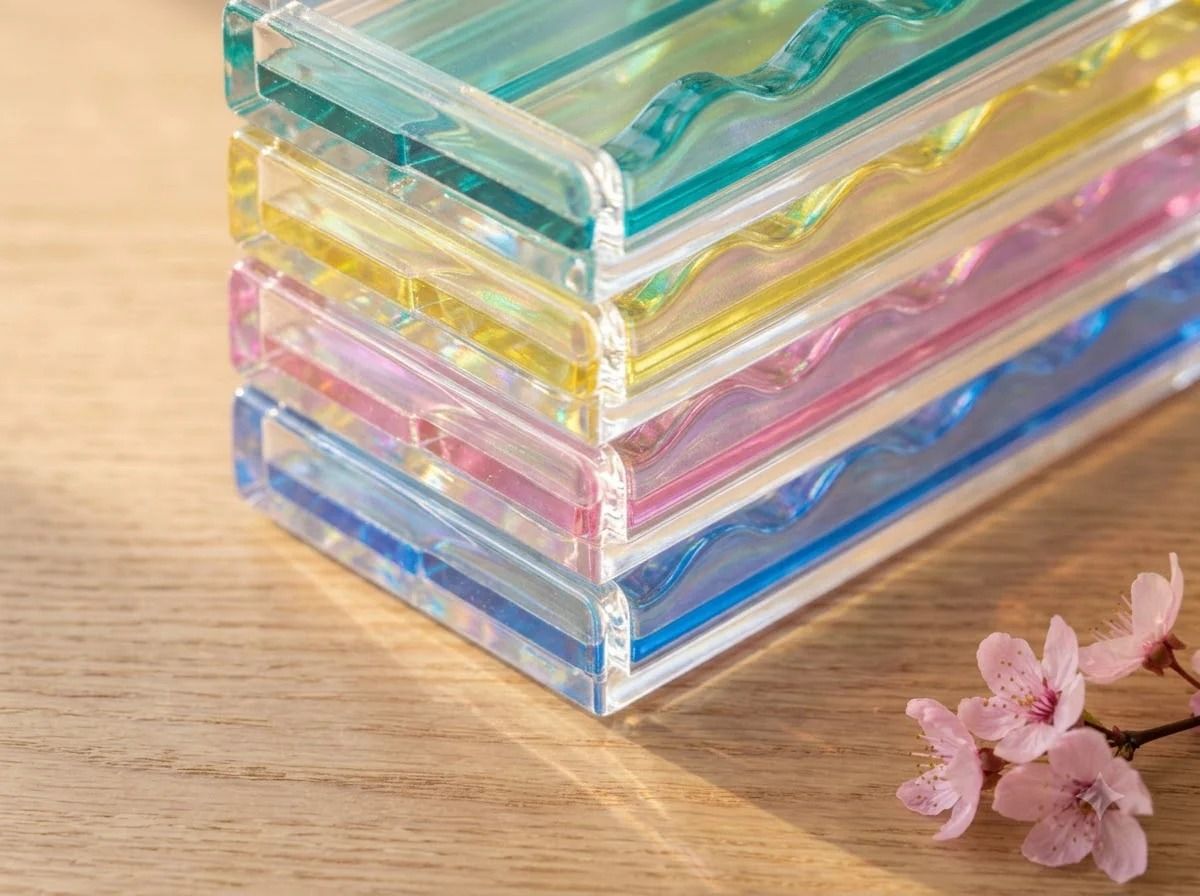
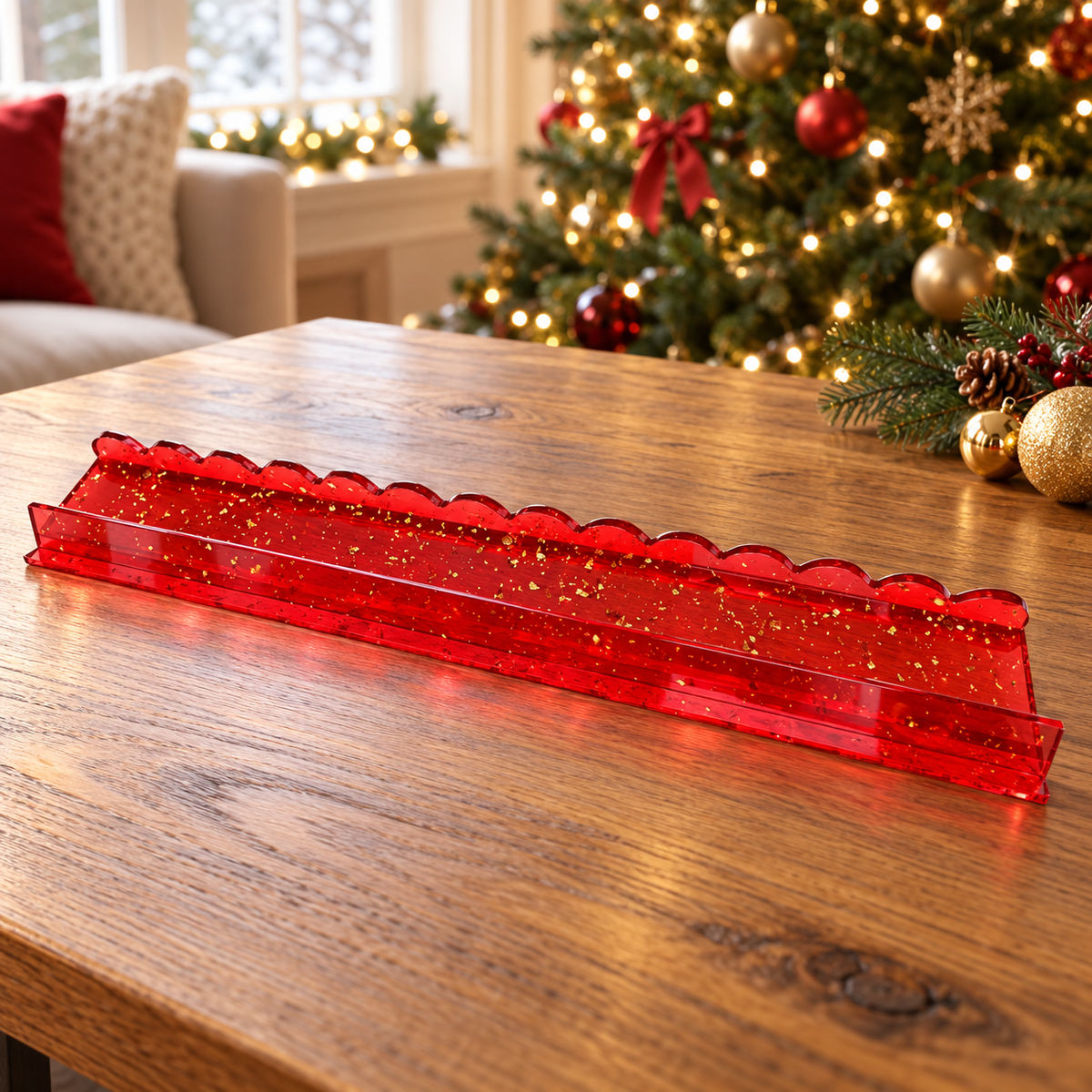
Acrylic racks are the workhorse of American mahjong. They're molded from solid or translucent plastic, lightweight enough to travel, and won't warp if you leave them by a sunny window or spill water on them. We've used acrylic racks in rotating home games for 10+ years—they still look new and have never cracked. Bamboo racks feel elegant and produce less noise when tiles slide, which some players prefer during serious or tournament play. Bamboo does require you to avoid prolonged moisture and heat; a damp basement or car trunk in summer can cause the wood to swell or split. For weekly casual games, acrylic wins on practicality. For a set you'll treasure and display, bamboo justifies the extra care.
Do all racks and pushers fit your hand size?
This matters more than people think. Pushers range from thin (roughly the thickness of a pencil) to chunky (half an inch wide). If your hands are small or you have arthritis, a thin pusher lets you grip it without strain and gives you finer control. Chunky pushers suit large hands and are less likely to slip during a clumsy reach. The rack itself should have a slope—usually 15 to 30 degrees—so tiles rest naturally and don't slide backward when you let go. Test the pusher grip by holding it in a pencil grasp; if your thumb and fingers meet comfortably with room to move the tile, it's a fit. If you have to stretch or pinch hard, skip that one. Many of us keep a spare pusher in our game bag in case one breaks or splits; they're inexpensive to replace individually.
How do acrylic and bamboo compare in a real game?
Aspect | Acrylic | Bamboo |
Weight | Light; easy to pack | Slightly heavier; feels solid |
Noise | Tiles slide with a soft clink | Quieter, muffled slide |
Durability | 20+ years with no warping | 10–15 years if stored dry |
Cleaning | Wipe with damp cloth; dishwasher-safe | Hand wash only; air dry |
Cost basis | Entry to mid-range | Mid to upper range |
Travel-friendly | Yes; won't break if dropped | Moderate; avoid extreme temps |
Aesthetic | Modern, clean | Traditional, warm |
Acrylic suits players who move their rack between different homes or want a "just works" tool. Bamboo appeals to collectors who value the tactile and visual experience. Neither is wrong—it's about how you play.
What makes a pusher break or wear out?
Pushers snap most often when you apply sideways pressure—leaning hard on the stick while twisting a tile, or dropping the rack with the pusher stuck underneath. Wood splits along the grain if exposed to sudden temperature changes (a hot car in summer, then an air-conditioned room). Acrylic pushers rarely break but can crack if bent repeatedly or stepped on. We recommend storing pushers flat in your rack or in a small bag, not loose at the bottom of a mahjong case where they can get pinched. If a pusher does break, buy a replacement pair; most retailers, including Mahstead, sell them separately. Keep one spare in your game bag—a two-minute swap saves your game night if a pusher splits mid-session.
🎁 See our most-loved mahjong sets & accessories →
Which rack setup is right for your game style?
Casual home game with friends? Acrylic racks are low-stress and travel well if someone hosts rotating weeks. Tournament or league play? Check whether your venue requires a specific material—many don't, but it's worth asking. Collector or display player? Bamboo with a fine finish photographs beautifully and stores nicely on a shelf. Family game nights? Acrylic is safer around kids because it won't splinter. Solo learner or practice player? Start with acrylic; you can always add bamboo later if you decide to play more seriously.
Most of us have both types by now—acrylic for travel or casual games, bamboo for the home table where we play weekly. The decision isn't expensive; it's about matching the tool to how and where you play. If you're buying mahjong racks with pushers for the first time, go acrylic. You'll know within a season if you want to add bamboo.
What to check before you order
Pusher grip: Make sure the diameter and length suit your hand. Ask the retailer if you can return it if the grip doesn't feel right.
Rack slope angle: Look for photos or a description showing how steep the tilt is. Too flat and tiles slide; too steep and they're hard to access.
Tile capacity: Standard racks hold 13–14 tiles (one player's hand). Confirm the rack width matches your tile set's design.
Material certification: If bamboo, ask whether it's treated to resist moisture or left natural. Natural is prettier but needs more care.
Included pushers: Verify that pusher pairs come with the rack. Some retailers sell racks and pushers separately.
Return window: Check the return policy in case the pusher or rack doesn't work for your game. Most retailers offer 30 days.
A rack is a small investment that shapes every game you play—the smoothness of the pusher, the stability of your hand, the confidence that your tiles won't topple. Spend a few minutes matching the material and grip to your needs, and you'll have a tool that just disappears into the game.
✨ Find your Mahstead set — free US shipping →
Pairing racks with the rest of your setup
Once you've chosen your racks and pushers, think about the mat and the set itself. A mahjong mat with a smooth surface helps racks stay put and makes pusher glide effortless. If you're also shopping for engraved mahjong sets or upgrading to a new 160-tile set, we recommend measuring your racks first—different tile sizes (standard, large print, or jumbo) pair best with racks sized to match. A travel bag or case keeps racks protected if you rotate between homes.
🀄 Shop best-selling mahjong sets →
FAQ
Can I use the same racks and pushers with different tile sets?
Yes, as long as the tile size is standard. Jumbo tiles may slide differently in a narrow rack, so test first. Pushers are universal—they work with any rack.
Do pushers ever wear down from use?
Rarely. A well-made pusher lasts as long as you own the rack. Breakage usually comes from a drop or a bend, not wear. Wood pushers can develop small splinters if stored damp; sand lightly if needed.
Is there a left-handed pusher?
No—pushers are symmetrical. Left-handed and right-handed players use the same stick. Grip it however feels natural for your hand.
Why do some racks have holes or slots in the back?
Those are for tile stops or joker holders. They're optional and don't affect play. Some players like them; others find them unnecessary.
What's the difference between a rack and a hand holder?
A traditional hand holder is a slot-based display with no pusher. A modern rack tilts and includes pushers. Racks are faster and safer for active play; holders are for display or learning.
Can I clean acrylic racks in the dishwasher?
Yes. Most acrylic racks are top-rack safe. Remove pushers first. Bamboo racks should always be hand-washed and air-dried.
Do I need one rack per player or can I share?
One per player. Sharing slows the game and creates confusion about whose tiles are whose. A four-player game needs four racks.


View More
View More
View More
