
Mahjong Tournaments in Greenwich: Where to Play & How to Join
Last updated: Nov 23, 2026
Greenwich hosts mahjong tournaments year-round through community centers, libraries, synagogues, and country clubs—check bulletin boards and meetup platforms for current schedules. Most tournaments follow American mahjong rules and run on the National Mah Jongg League card, with brackets ranging from beginner to advanced. Entry fees and prize structures vary by venue. Tournaments typically last 3–6 hours across multiple rounds. Many require you to bring your own set; if you don't own one, explore our best-selling mahjong sets beforehand—having reliable tiles and pushers reduces errors in high-pressure rounds. Contact your local venue directly for registration deadlines, entry costs, and whether beginners are welcome.
Where do Greenwich mahjong tournaments happen?
Greenwich tournaments cluster at three main venue types. Community centers post seasonal schedules on their websites and physical bulletin boards—call ahead to confirm. Libraries often host morning and afternoon sessions on weekends. Synagogues and Jewish community centers frequently organize monthly tournaments with strong player bases. Country clubs occasionally run private events for members. Search your town's website and library catalog, then phone to ask for current mahjong contact names and dates. Most venues accept walk-ins for casual play but require advance registration for tournament brackets.

What's the difference between casual play and tournament rules?
Casual games follow the National Mah Jongg League card but allow slower pace and table discussion. Tournaments enforce strict time limits—typically 10–15 minutes per hand—and prohibit coaching or tile-handling advice once play begins. Winning hands must be verified by an official before scoring. Penalty tiles apply if you call incorrectly or expose tiles out of turn. Learning how jokers work and reading the mahjong card correctly now prevents costly mistakes under pressure. Most tournaments allow one practice round before brackets begin.
How do I prepare my game for competitive play?
Start by mastering American mahjong rules and the current year's card—venues won't repeat instructions during play. Practice hand recognition: scan patterns quickly without slowing your table. Know the Charleston cold; hesitation costs time. Play weekly with different opponents to see varied strategies. Bring a quiet, reliable set—worn or mismatched tiles cause delays. Mahjong racks with pushers let you organize and display tiles cleanly, saving seconds per hand. Arrive 15 minutes early to collect rules, confirm your bracket, and settle nerves.
What equipment should I bring to a tournament?
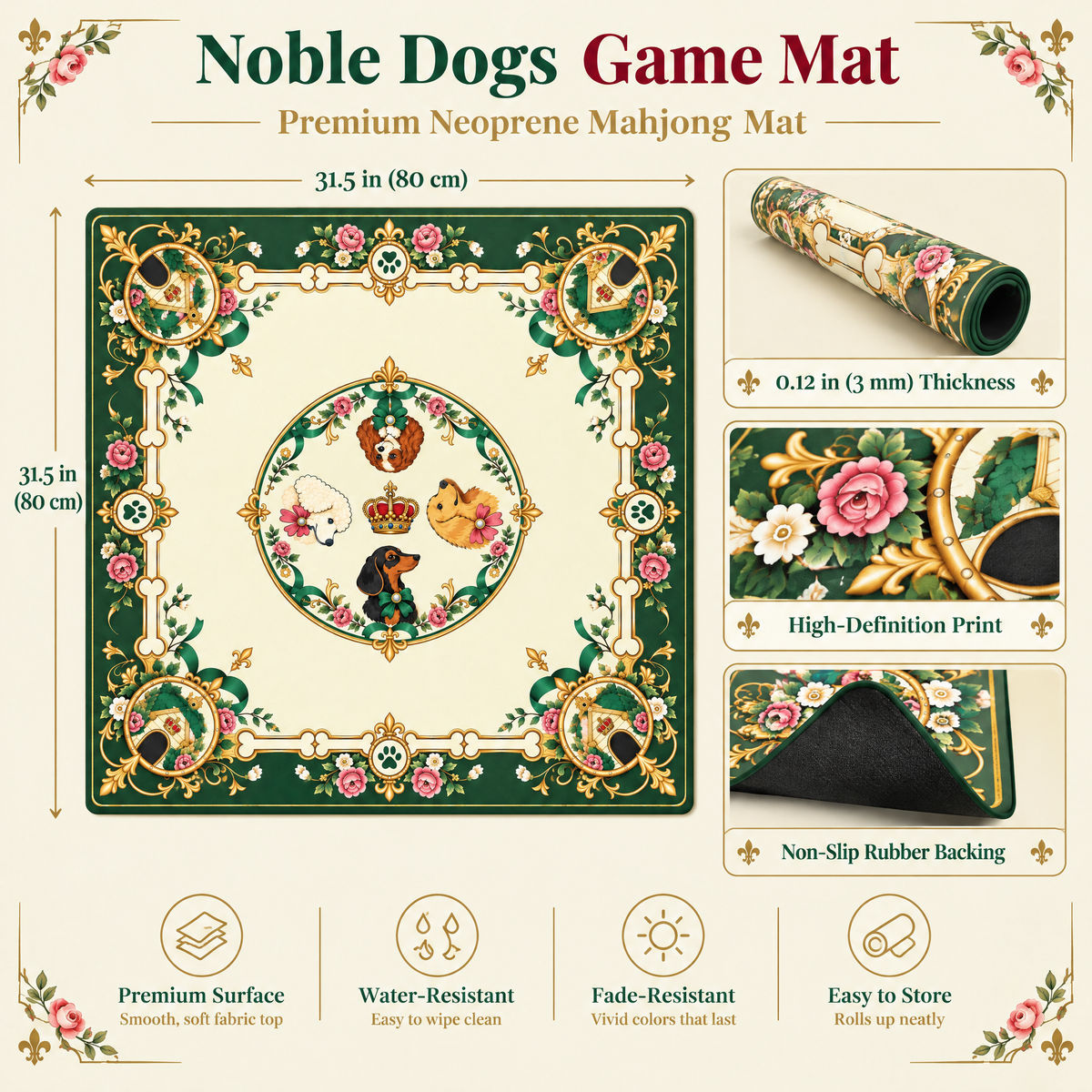
Most tournaments require you to bring your own set. Confirm whether the venue provides or prohibits personal sets when you register. Pack a 160-tile American mahjong set with all original tiles, four jokers, and all wind and dragon tiles intact. Bring dice, a score sheet, and a pen. Optional: a mahjong mat for consistent tile placement, racks with pushers to keep tiles upright, and a quiet bag to avoid distraction. Test your equipment at home before tournament day—missing or stuck tiles mid-hand force delays. Many players bring a water bottle and snack for energy during longer events.
How do I find and register for my first tournament?
Step | Action | Why It Matters |
1. Search online | "Mahjong club Greenwich" + town library/community center site | Finds current events & contact info |
2. Call ahead | Ask for tournament schedule, entry fee, skill level, deadline | Avoids registration miss & surprises |
3. Request rules sheet | Confirm house rules, time limits, penalty structure | Levels expectations |
4. Attend a casual night first | Play 1–2 games at the venue before competing | Builds confidence & shows venue culture |
5. Register early | Submit name, pay entry, confirm your bracket | Secures your spot & bracket assignment |
6. Arrive 15 min early | Collect brackets, rules, settle at assigned table | Reduces stress & prevents rule confusion |
🀄 Shop best-selling mahjong sets →

What are common tournament mistakes and how do I avoid them?
New tournament players often expose tiles too slowly, miss the correct hand call, or accidentally joker a single tile (illegal in American mahjong). Practice hand-reading at speed and keep your jokers for combinations only, never for a single spot. Another error: failing to verify the current year's National Mah Jongg League card—each spring the card changes, and old hands become invalid. Arrive knowing this year's card layout. Don't chat during hands or touch tiles on another player's rack. If unsure whether a hand is valid, call the tournament official immediately—judges exist to resolve disputes fairly. Finally, watch your clock; most tournaments dock or skip hands for slow play.
How does scoring work in Greenwich tournaments?
American mahjong tournaments use the National Mah Jongg League card for all hands. Points vary by hand pattern and complexity—simpler patterns score less, rare or intricate patterns score more. Each hand is worth a specific point value; you earn points by winning and lose points if you call incorrectly. Many Greenwich venues run round-robin formats where each player faces all opponents once, or ladder brackets where losers drop to a lower tier. Final rankings often award small prizes for top finishers or participation. Ask the venue for its scoring sheet before tournament day so you understand the point structure.
🎁 See our most-loved mahjong sets & accessories →
What if I'm a complete beginner—can I still enter?
Most Greenwich tournaments have beginner brackets or invite-only "newcomer nights" specifically designed for players under six months of experience. Call the venue and say you're new; they'll guide you to the right level. Never attempt an intermediate or advanced bracket first—the pace and strategy will overwhelm you. Beginner rounds allow slightly longer hand times and are more forgiving of minor rule lapses. Many venues pair new players with an experienced buddy for one practice hand before brackets start. Invest in a few casual games at the venue first, then commit to a beginner tournament. Start with our beginner guide to build confidence before competition day.
What to Check Before You Buy Your Tournament Set
If you don't already own a mahjong set, buy before your first tournament. Look for a 160-tile American set with clearly marked tiles and solid pushers—worn or chipped tiles slow play. Verify the set includes all required tiles: three suits (Bams, Craks, Dots) with numbers 1–9, four of each; 16 winds; 12 dragons; 8 flowers; and 8 jokers. Test the pushers to ensure they don't stick or crack under repeated use. A good set lasts years of weekly tournament play. Avoid incomplete sets or decorative tiles that prioritize appearance over durability—tournaments require function first. Ask the venue what tile size they expect (standard is 1.25" square); mixing tile sizes across tables looks unprofessional and confuses players swapping seats.
✨ Find your Mahstead set — free US shipping →

FAQ
Do I need to be a member of a club to enter a Greenwich mahjong tournament?
No. Most public tournaments accept day-of walk-ins or single-event registration. Private club events require membership or a member's sponsorship. Call the venue directly to confirm—many offer trial memberships or guest passes for your first visit. Check their website under "Mahjong" or "Games" for entry details.
What happens if I call a hand incorrectly in a tournament?
You typically lose your turn and forfeit that hand's points. Depending on house rules, repeated false calls may result in a penalty tile or disqualification. Always read the official rules sheet before play. When in doubt, ask a judge rather than guess.
Can I use a borrowed or rental set in a tournament?
Yes, if it's a complete 160-tile American set in good condition. Confirm with the venue ahead of time. Avoid borrowed sets with loose tiles, missing jokers, or stuck pushers—they slow the game and frustrate other players.
How often do Greenwich tournaments run?
Frequency varies by venue. Most community centers run monthly or seasonal brackets. Libraries may host weekly casual nights plus quarterly tournaments. Contact your local venue directly for current schedules—they update seasonally.
What's the typical entry fee for a Greenwich mahjong tournament?
Entry fees vary widely by venue and format. Ask when you call—most venues post fees on their websites or provide quotes by phone. Some non-profit organizations waive fees for members; others charge per hand or per tournament day.
Is American mahjong the only version played in Greenwich tournaments?
American mahjong dominates. Some venues occasionally host Chinese or Riichi variants—always confirm the ruleset when you register. American mahjong uses the National Mah Jongg League card and is the standard for most Connecticut clubs.


View More
View More
View More
