
Mahjong Party Ideas in Sacramento: Host & Learn
Last updated: Nov 23, 2026
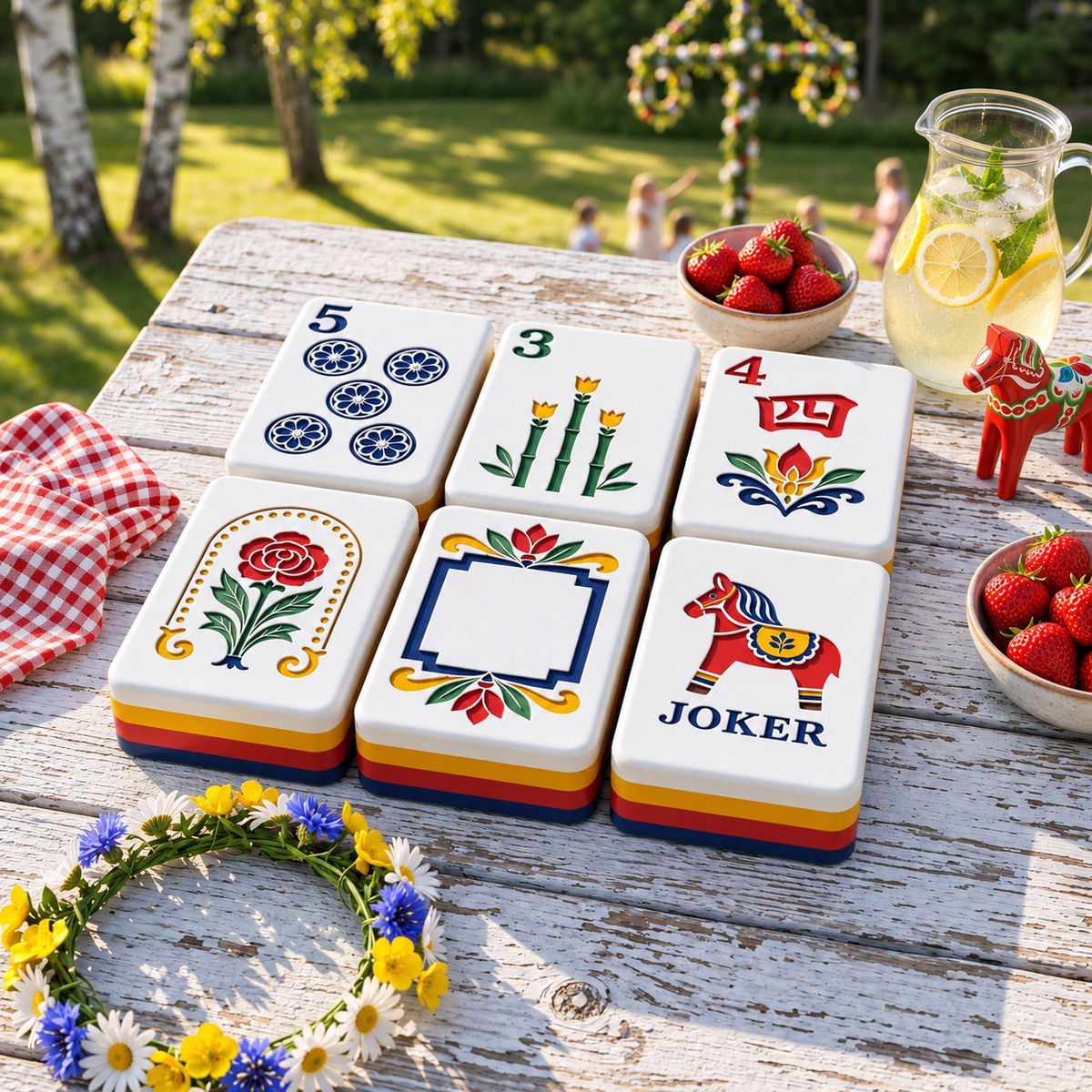
Sacramento hosts mahjong players at community centers, libraries, synagogues, and country clubs—check your local recreation department or search Meetup for active groups. A beginner party works best with four players, a current-year National Mah Jongg League card, one mahjong set with 152 tiles plus spares, a mat, and two hours. Plan the Charleston (tile-passing ritual), three to five rounds of play, and light snacks. Expect beginner games to run 45 minutes per hand; experienced players move faster. Most Sacramento venues welcome newcomers; call ahead to confirm which hands the group uses and whether they supply sets or ask you to bring one.
Sacramento's mahjong scene centers on community play. You'll find weekly and monthly games at recreation departments, libraries with bridge or game rooms, synagogues hosting Hadassah or temple groups, and country clubs. Search your city's Parks & Recreation website, check Meetup boards, or ask at your local library—staff often know where regular players gather. Start by attending one session as an observer; watch the Charleston, learn the table's rules variant (most play American), and see whether they use the National Mah Jongg League card or a house rule set.
What format should we run for a beginner party?
Four players is standard; one sits out or plays a shortened round. Begin with a 20-minute Charleston so everyone gets comfortable with the tile-passing ritual. Run three to five hands (each 30–60 minutes depending on skill). Announce hand selection from the current year's card clearly before play starts. Assign a scorekeeper or use paper scoring—track each player's win, loss, or pass score. End with a snack break and a final round, or stop after three hands if energy dips. Beginner groups almost always play American mahjong, which has no complicated scoring variants and rewards learning the card.

How do we help beginners learn without slowing the game?
Pair each newcomer with an experienced player for the first two hands. Have the current National Mah Jongg League card printed large or displayed on a tablet so all can read it. Before each hand, ask the player calling it to explain the pattern aloud—for example, "two pungs of Winds and a kong of 5 Dots." Assign a "rules keeper" to answer questions without restarting play; minor mistakes in discards don't require rewind. After the first hand, beginners usually catch rhythm. Avoid house rules for the first party; stick to standard American mahjong rules so newcomers learn what they'll use anywhere in Sacramento.
What equipment do we need for a smooth home party?
A complete American mahjong set with 152 tiles (160-tile sets include spares), one mahjong mat to mark draw and discard zones clearly, and racks with pushers so each player can sort and hide their tiles. A mat costs little but prevents tiles sliding and arguments about position. If you host regularly, a second set lets you reset faster between rounds. The current year's card is non-negotiable; older cards have illegal hands. Dice are optional for choosing positions but not essential. Add a scorepad, pens, and a timer (phone alarm works) to keep rounds on schedule.
How do we run Sacramento-style house parties weekly?
Pick a consistent day—Tuesday or Thursday evenings work well—and send calendar invites to your core group. Set a three-month rotation of hosts or play at one location. Each host supplies the set, mat, and card; guests bring snacks and score sheets. Email the group the week before with that month's hand difficulty and whether you'll play American mahjong or another variant. Keep your first 12 parties to American rules; switching variants confuses newcomers. After six months of weekly play, your group will organically develop its own culture—some groups adopt house scoring tweaks, others play tournament rules with scorecards. Document your group's rules in a one-page email so new members know what they're joining.
Sample Sacramento Beginner Party Checklist
Item | Why It Matters | How to Check |
152-tile mahjong set | Guarantees legal tile counts for all hands | Count: three suits (36 each), winds (16), dragons (12), flowers (8), jokers (8) = 152 total |
Current year's card | Only legal hands listed can be won | Verify card date before game; outdated cards void wins |
Mahjong mat | Defines draw, discard, wall zones | Test setup once; prevents tile chaos mid-game |
Racks with pushers | Hides tiles, speeds play | Each player gets one rack; pushers organize hand display |
Scorepad & pens | Records wins and learns patterns | Assign scorer before play starts |
Dice (optional) | Determines starting position | Included in most sets; not essential for beginner fun |
Snacks & water | Keeps energy over 2 hours | Set out at start; refill mid-session |
Timer (phone) | Keeps rounds under control | Set 50-minute max per hand; announce at start |

Where do Sacramento beginners actually learn?
Your city's parks-and-recreation programs often list mahjong classes in spring brochures—check online or call in February. Libraries host free open-play nights; ask your branch about game nights. Synagogues and Jewish community centers run Hadassah mahjong groups open to all. Community colleges sometimes offer intro courses in evening. However, the fastest learning happens in weekly home games with a mix of one experienced player and three learners. That player teaches the card and the rhythm over four to six weeks. After that, learners become teachers, and the group grows. Many Sacramento players started this way and now host parties themselves.
🀄 Shop best-selling mahjong sets →
What common mistakes kill a beginner party?
Using an expired National Mah Jongg League card voids all wins and kills morale. Mixing American and Chinese rules in one night confuses players—pick one and stick to it. Overcrowding (more than four players per set) slows turns and frustrates newcomers. Scoring errors: one missed pen mark in round one snowballs into arguments by round three—assign one scorekeeper and double-check totals. Ignoring the Charleston: rushing through tile-passing or swapping incorrectly ruins the luck ritual and players lose interest. Skipping a mat and playing on bare wood leads to lost tiles and disputes about position. Not printing the card large enough means players squint and make illegal calls. Announcing a hand and then changing it mid-game confuses play; decide before the first discard.
✨ Find your Mahstead set — free US shipping →
What's the best way to introduce mahjong to Sacramento friends?
Host a short, fun party—not a serious tournament. Invite four people who like games and social time, not high-pressure competition. Send one email with a link to a 5-minute "What is Mahjong?" video, so they arrive with zero dread. Start 15 minutes late, allowing chat time. Run just two hands the first night, not five. Explain the Charleston as a "fun tile shuffle" before diving into rules. Let people laugh at tile names. After the first hand, they'll ask questions naturally. The magic happens around hand three when someone recognizes a pung pattern on the card and calls "Mahjong!" before you prompt them. That moment hooks them. Offer to host again in two weeks.
🎁 See our most-loved mahjong sets & accessories →
If you're planning a regular party, learn the Charleston in detail so you can teach it clearly. Beginners often stumble on passing order; a slow, explained first Charleston sets the tone. For a polished home setup, our collection of best-selling mahjong sets includes options built for regular play—durable tiles, clear faces, and sets designed so sets don't chip after a season of weekly parties. Pair a set with a quality mat and racks with pushers to look organized and feel professional. Sacramento hosts who play weekly swear by sets designed for real play, not display.
Start small. Host one party. See who lights up when they win their first hand. Then invite them back. That's how Sacramento's mahjong circles grow—one table at a time.

FAQ
Can we play mahjong with fewer than four players in Sacramento?
Yes. Two or three players use modified rule sets with adjusted tile counts and hand speeds. American mahjong technically requires four, but 2 and 3 player variants exist and work well for couples or small groups.
Do Sacramento mahjong groups use American rules or Chinese rules?
Most casual Sacramento home groups and community centers use American mahjong because the National Mah Jongg League card is easy to learn and play is faster. Some clubs offer Chinese or Hong Kong variants; ask when you visit.
What's the cost to host a mahjong party at home?
One mahjong set, mat, and racks is the main investment; see current prices on our collections page. Snacks and a printed card are minimal add-ons. No entry fee for home play.
How long does a beginner mahjong party usually last?
Plan two hours total: 20 minutes for Charleston and setup, 30–60 minutes per hand (beginners take longer), and breaks between rounds. Five hands over two hours is realistic for a fun, not exhausting, party.
Where exactly do I find weekly mahjong games in Sacramento?
Check your city's Parks & Recreation department website and Meetup boards first. Call your local library and synagogue. Some country clubs and senior centers host games; confirm times and whether newcomers are welcome before you attend.
Do we need a specific mahjong set for Sacramento play, or is any set okay?
Any 152-tile American mahjong set works, but sets built for regular play (durable tiles, clear faces) outlast novelty sets. Beginners often start with whatever's available, then upgrade after a few months of weekly play.


View More
View More
View More
