
Mahjong Tournaments in Detroit: Find Games & Hosts
Last updated: Nov 23, 2026
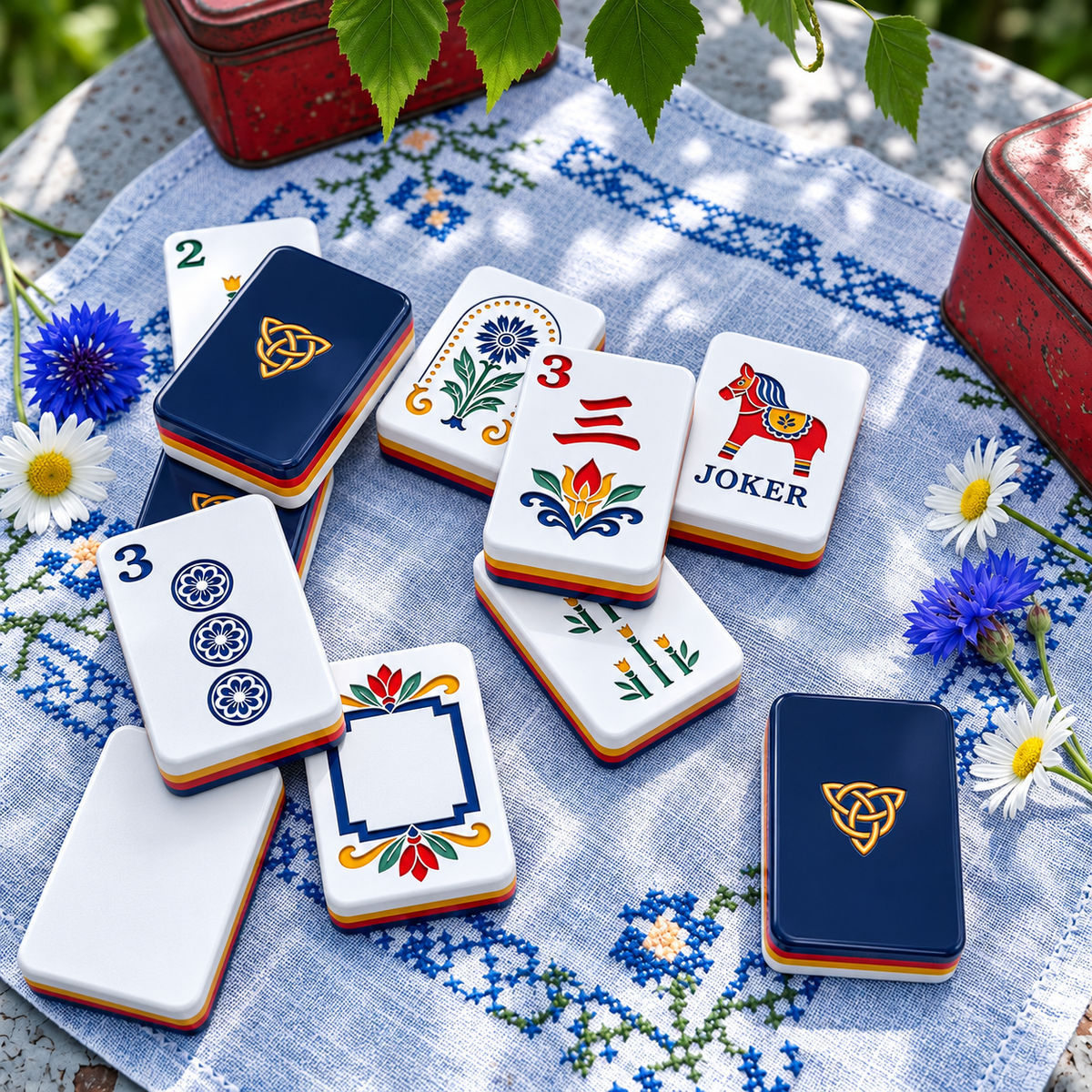
Detroit's mahjong tournament scene centers on community centers, libraries, and private clubs on the city's north and northwest sides. Games typically run year-round, with friendly league play in fall and winter and casual tournaments spring through summer. American mahjong dominates—the four-player tile game using the National Mah Jongg League card issued each spring. Most tournaments are open to intermediate and advanced players (minimum 1–2 years' experience); beginner-only events are rarer. Entry fees and prize structures vary widely; contact venues directly. The best way to find active hosts is to search local community centers, public library bulletin boards, or call synagogues and country clubs that traditionally host players.
Where Do Detroit Mahjong Tournaments Actually Happen?
Detroit's formal and casual tournament play unfolds in three main venue types. Community recreation centers on the north and northwest sides host the largest year-round league play—usually Tuesday or Thursday evenings, rotating tables across multiple rooms. Public library system branches sometimes coordinate drop-in or league games; call ahead to confirm the current schedule. Synagogues, country clubs, and private homes hold invitation-only or members-only tournaments, especially during holiday seasons (Thanksgiving through January). The easiest way to find current hosts: visit your local library's community bulletin board, call the parks and recreation department, or ask at a nearby Jewish community center. Most venues require you to call 1–2 weeks ahead to confirm entry.

What Skill Level Do You Need to Join?
American mahjong tournaments in Detroit loosely divide into beginner, intermediate, and advanced brackets—though most public tournaments skip the beginner tier. Intermediate play requires fluency with how to read the mahjong card, the ability to spot your hand in under 20 seconds, and solid understanding of the Charleston tile-passing ritual. Advanced players compete for money or prizes and often know scoring edge cases by heart. Absolute beginners (under 6 months of play) almost never compete in public tournaments; private games or beginner-only sessions at libraries are your entry point. If you're learning now, spend 3–6 months in weekly home games before trying a tournament venue.
🀄 Shop best-selling mahjong sets →
What Format and Rules Apply?
Detroit tournaments follow American Mah Jongg League (NMJL) standard rules: four players, 152 tiles, one hand per round, 8 winds, no sequences (chows), and hands drawn only from the current year's official NMJL card. Each player starts with 13 tiles; East (dealer) draws to 14 and discards first. Players may call and expose only pungs (three identical tiles), kongs (four), quints (five), or sextets (six). Jokers are wildcards that can substitute for any tile in an exposed pung/kong/quint/sextet—never in a single tile, pair, or eyes. A round lasts roughly 20–30 minutes; a full tournament session runs 3–5 hours depending on the venue's schedule. Most venues use the current year's NMJL card without variation, so rules stay consistent table to table. If you're new to American rules, read our complete guide on how to play American mahjong before signing up.
How Do You Register and What Are Costs?
Registration happens on-site or by phone 1–2 weeks before the tournament date. Many venues operate on a drop-in basis: show up, pay entry, sit down. Others assign seats by skill level or rotation. Entry fees typically range from moderate to modest sums per person; ask the host directly—fees vary by venue, session length, and prize pool. Bring payment in cash or check; few venues accept cards. Some tournaments offer free play on certain nights or membership packages at community centers, which can reduce per-session costs over time. Contact your local parks department or library to ask about spring and fall league registration windows—these often have set dates and slightly lower per-entry costs than drop-in play. Tournament hosting is decentralized in Detroit, so each venue sets its own rules; always confirm payment method, round count, hand-splitting policy (some venues play 8 hands per session, others 12), and whether jokers are capped at the standard 8 before you arrive.
Venue Type | Typical Player Level | Schedule Pattern | Entry Cost Basis | Best For |
Community center league | Intermediate to advanced | Weekly Tuesday/Thursday evenings | Moderate per session or membership | Consistent play, year-round community |
Library drop-in | Beginner to intermediate | Monthly or seasonal | Low to free | Learning, casual games |
Synagogue/club tournament | Intermediate to advanced | Seasonal, holiday-focused | Moderate with prizes | Serious competition, prizes |
Private home game | Any (host-determined) | Flexible | Varies or free | Friendly, low pressure |

How Do You Prepare Your Game Before a Tournament?
Preparation spans three areas: rule fluency, hand recognition, and equipment. Spend at least two weeks drilling the current year's NMJL card at home with a best-selling mahjong set—spot-check 20 random hands each evening so you can identify your hand in under 30 seconds when play starts. Learn every hand type on the card, not just your favorites. Practice the Charleston with your home group to stay sharp on tile-passing rhythm. Understand how jokers work in every context: substitution in an exposed pung, prohibition in pairs, and counting rules when you go out. Bring a small notebook to jot game notes (which hands you hit, scoring confusion, dealer rotation). Arrive 15 minutes early so you can watch one hand before sitting in. Equipment-wise, most venues provide sets and racks, but if you want to practice at home with gear identical to tournament standard, invest in a durable mahjong mat and racks with pushers to build muscle memory in tile placement and speed.
✨ Find your Mahstead set — free US shipping →
What Common Beginner Mistakes Should You Avoid?
New tournament players trip up on three habits. First: calling a hand too early before confirming it exactly matches the card—misreads cost rounds or money. Second: not tracking discard piles and other players' discards carefully, leading to missed calls or illegal claims. Third: confusing joker rules in the heat of play—remember, jokers can never be used in a pair, in a single tile, or as "eyes" alone. A fourth mistake is underestimating how to read the mahjong card notation. The card uses shorthand: "2468 Dots" means four tiles (2, 4, 6, 8 of Dots), not one tile; "Like" or "Same" means identical tiles; "Consecutive" means a run (1-2-3, 2-3-4, etc.—but in American mahjong you can't call sequences, only expose their outcomes). Read the card legend before tournament day so you're not decoding notation live. Finally, don't be afraid to ask the floor director for a card read before you call—one extra 30 seconds prevents a hand penalty.
🎁 See our most-loved mahjong sets & accessories →
What Do You Check Before Buying a Home Set for Tournament Prep?
If you're serious enough to practice at home, invest in a set that mirrors tournament quality. Look for a best-selling mahjong set that meets three criteria: all 152 tiles present (count them), acrylic construction (durable, shuffles cleanly, sounds authentic), and clearly readable tile faces (no faded artwork or crooked engravings). Standard acrylic sets ship with mahjong racks with pushers, which are essential for tournament-speed play. A matching mahjong mat helps you practice tile placement under realistic surface conditions. Avoid sets with fewer than 152 tiles or heavily painted designs that obscure the suit symbols—tournament play demands fast, error-free recognition. If you travel to play at different venues, keep your set and mat in a sturdy mahjong bag or case to prevent damage.

FAQ
Are there beginner mahjong tournaments in Detroit?
Most formal tournaments require intermediate play; however, libraries and community centers often host beginner-friendly drop-in games or monthly clinics. Call ahead—venues vary. Expect to learn for 3–6 months in home games before competing in a structured tournament.
How much does it cost to enter a Detroit mahjong tournament?
Entry fees vary by venue and session length; call the host directly for current pricing. Community center leagues typically cost less per session than drop-in tournaments. Some venues offer memberships that reduce per-session costs.
What year's mahjong card will be used in Detroit tournaments?
Detroit tournaments use the current year's National Mah Jongg League card, issued each spring. The 2026 card is the standard. Your home practice set should include the same year's card to ensure hand accuracy.
Can I bring my own mahjong set to a Detroit tournament?
Most venues provide sets and won't allow personal equipment to prevent disputes over tile wear or marking. Ask the host before arriving. If you want to practice identically at home, get a standard 160-tile acrylic set matching tournament specs.
How do I find a Detroit mahjong group to practice with before joining a tournament?
Start by calling your local library, community center, or parks and recreation department—they maintain lists of current groups and league contact info. Synagogues and country clubs also host regular play. Word-of-mouth spreads fastest in the Detroit mahjong community.
What's the difference between American mahjong and Chinese mahjong in tournaments?
Detroit tournaments are almost exclusively American mahjong (NMJL rules, 152 tiles, card-based hands, no sequences). Chinese and Hong Kong mahjong are rarely offered in structured tournament play in the area. If a venue advertises a specific variant, confirm before entry.


View More
View More
View More
