
Mahjong Open Play in Philadelphia: Where to Play & How to Start
Last updated: Nov 23, 2026
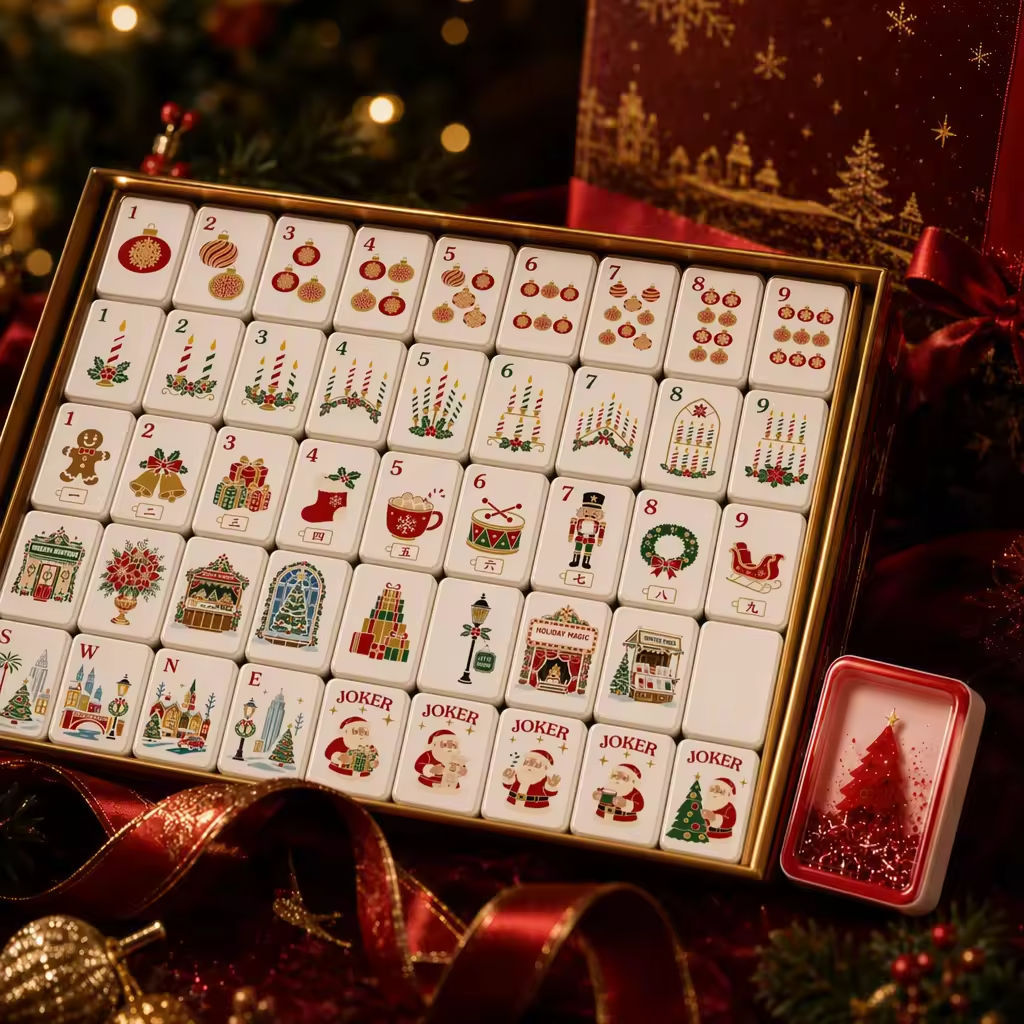
Open mahjong in Philadelphia happens at community centers, libraries, synagogues, country clubs, and recreation departments during scheduled game nights and weekend tournaments. Most games follow American mahjong rules and meet weekly or monthly; check your local library's bulletin board, meetup platforms, recreation center websites, and community Facebook groups to find current schedules. Games typically run 2–4 hours per session, cost little to nothing, and welcome players of all levels. You'll need a 160-tile American mahjong set, the current year's National Mah Jongg League card, and a mat or racks for comfortable play. Avoid showing up without the card or borrowing an outdated set—hand validity changes yearly and affects every game outcome.
Open play is the fastest way to improve because you play live hands, watch how experienced players handle the Charleston, build speed, and learn what actually works versus what looks good on paper.
Where do Philadelphia mahjong players actually gather?
Community centers and parks & recreation departments across the city host open mahjong—check with your neighborhood center, the city recreation website, or your library's event listings. Synagogues and Jewish community centers have long hosted games (both open and members-only). Country clubs, senior centers, and adult education programs sometimes offer weeknight or weekend sessions. Meetup boards and Facebook community groups often list games needing players. Call ahead to confirm location, time, and whether a set is provided—most venues expect you to bring your own or arrange one in advance.

What American mahjong rules matter most for open play?
American mahjong uses 152 tiles, 8 jokers, the National Mah Jongg League card, and the Charleston (tile-passing ritual). Hands consist only of pungs, kongs, quints, or sextets—no sequences (chows). Jokers cannot be used in a single tile or a pair. Every valid hand is listed on the current year's card. If you're new, learn the full ruleset before you play so you don't hold up the table or call incorrect melds.
How do you prepare a mahjong set for open play?
Check that your set contains all 152 tiles plus 8 jokers—if you own or bring a 160-tile set, the extra tiles are spares and stay in the bag. Shuffle thoroughly before the Charleston. Keep the current year's card visible and readable (laminated is best—it survives coffee spills and repeated shuffles). If your tiles are worn or discolored, buy or borrow a new set; players will call out illegible tiles and slow the game. A padded travel bag keeps tiles organized and protects them during transport. Bring a notepad and pen for scoring.
What table setup makes open play flow smoothly?
Use a dedicated mahjong mat or tablecloth to define the play area, protect the table, and make tile placement visible to all four players. A mat with grid lines or zones helps organize your hand and the wall. If the venue has no mat, ask if you can bring one. Racks with pushers speed the game because you build your hand once and shift tiles left or right instead of picking and dropping. Poor lighting slows tile recognition—if the venue is dim, sit near a window or ask for overhead lights. Four chairs of equal height prevent neck strain during a three-hour session.

How do you find players and join a regular game?
Venue Type | Where to Find It | Commitment | Skill Mix |
Community center | City parks & recreation site, library bulletin board | Typically weekly or biweekly | Beginner to intermediate |
Synagogue or JCC | Google "mahjong Philadelphia" + venue name, call directly | Usually weekly; may require membership or guest pass | All levels; often mentorship-friendly |
Meetup or Facebook | Search "mahjong Philadelphia," "mah jongg near me" | Varies; some groups meet every week, others monthly | Depends on group; read reviews first |
Recreation league or tournament | City website, senior center, adult education catalog | Seasonal; sign-ups typically 2–4 weeks before | Intermediate to advanced |
Start by attending an open session solo. Arrive 10–15 minutes early. Introduce yourself, ask the organizer which hand you should watch, and volunteer to keep score or organize the wall (new players observing are welcome). Most groups are warm to newcomers who show respect and ask questions. After your first game, ask the group chat or organizer if you can join their email list or messaging app.
🀄 Shop best-selling mahjong sets →
What mistakes do new players make in open play?
Playing without the current year's card—hands change every spring, and last year's valid hands may be illegal this year. Bringing a 144-tile Chinese set to an American game (completely different hand structure and rules). Joking that tiles are "just almost matching"—American mahjong requires exact tile matches; one wrong number voids the hand. Using a pencil or pen that smudges the card beyond readability. Not learning the Charleston before your first game, then asking "what do I do?" as the dealer waits. Arriving late and interrupting wind assignments (the hand is already assigned to a player).
What happens if you call mahjong incorrectly?
If you claim a winning hand that doesn't match the card, you've committed an error: you typically lose points or sit out the next hand (house rules vary). Before calling, double-check that all your tiles match exactly one row on the card and that you've counted jokers correctly. A joker can replace any tile except a single tile or a pair. If you're unsure, ask another player to verify before declaring. Open play is forgiving because it's not for money or ranking—use these games to practice verification, not perfection.
What to check before you buy or bring a set to open play
Tile count: Does your set have 152 playing tiles + 8 jokers? Extra tiles stay bagged. A 160-tile set works perfectly—the spares protect your game.
Clarity: Are all tiles legible? Can you read the numbers at arm's length under typical lighting? Worn or faded tiles frustrate the whole table.
Completeness: Test a batch for color consistency and chip quality—mismatched reds or greens make sorting harder during the Charleston.
Card currency: Is your card from the current year (2026)? Check the National Mah Jongg League website or your group's organizer.
Transport: Does the set fit easily into a bag? A travel bag with compartments prevents tiles from scattering in your car.
🎁 See our most-loved mahjong sets & accessories →
Most Philadelphia open-play groups have played together for years and recognize that every new player was once confused by the Charleston and the card. Come prepared to listen, ask questions respectfully, and laugh when someone almost calls a hand with a joker in the pair. Within three sessions, you'll move tiles faster, spot patterns on the card, and belong to a community that plays year-round.
✨ Find your Mahstead set — free US shipping →

FAQ
Do I need to own a mahjong set to play open games in Philadelphia?
No. Many venues provide sets, but call ahead to confirm. Owning a set of your own ensures you're familiar with its tiles and can practice at home. A best-selling set from our collection arrives ready to play and lasts years.
What's the age requirement for open play?
Most community and library games are open to adults 18+; senior centers and some synagogues host games for ages 55+. Check the venue's website or call directly—some groups welcome younger players with adult supervision.
How much does it cost to play in an open game in Philadelphia?
Most community center and library games are free or ask a small donation (usually under $10 per session). Synagogue games may require a membership or guest fee. Formal tournaments through recreation departments typically have a registration fee; ask the organizer for current details.
Can I play if I've never learned the American mahjong rules?
Yes—many groups welcome complete beginners and will explain as you play. But read how American mahjong works first so you understand the Charleston, hand structure, and why jokers can't be in a pair. You'll feel less lost and the game will move faster.
What do I do if the tiles at the venue are cracked, faded, or missing?
Point it out to the organizer before play starts. Suggest bringing your own set next time, or ask if the venue can buy a replacement. Worn tiles make the game frustrating for everyone. A fresh 160-tile American set solves this permanently.
Is the National Mah Jongg League card really necessary?
Absolutely. American mahjong hands come only from the current year's card. Without it, you can't verify whether a hand is legal. Get one from the League, your venue, or ask if someone can share a laminated copy at the table.


View More
View More
View More
