
Mahjong Classes for Beginners in Knoxville: Where to Start
Last updated: Nov 23, 2026
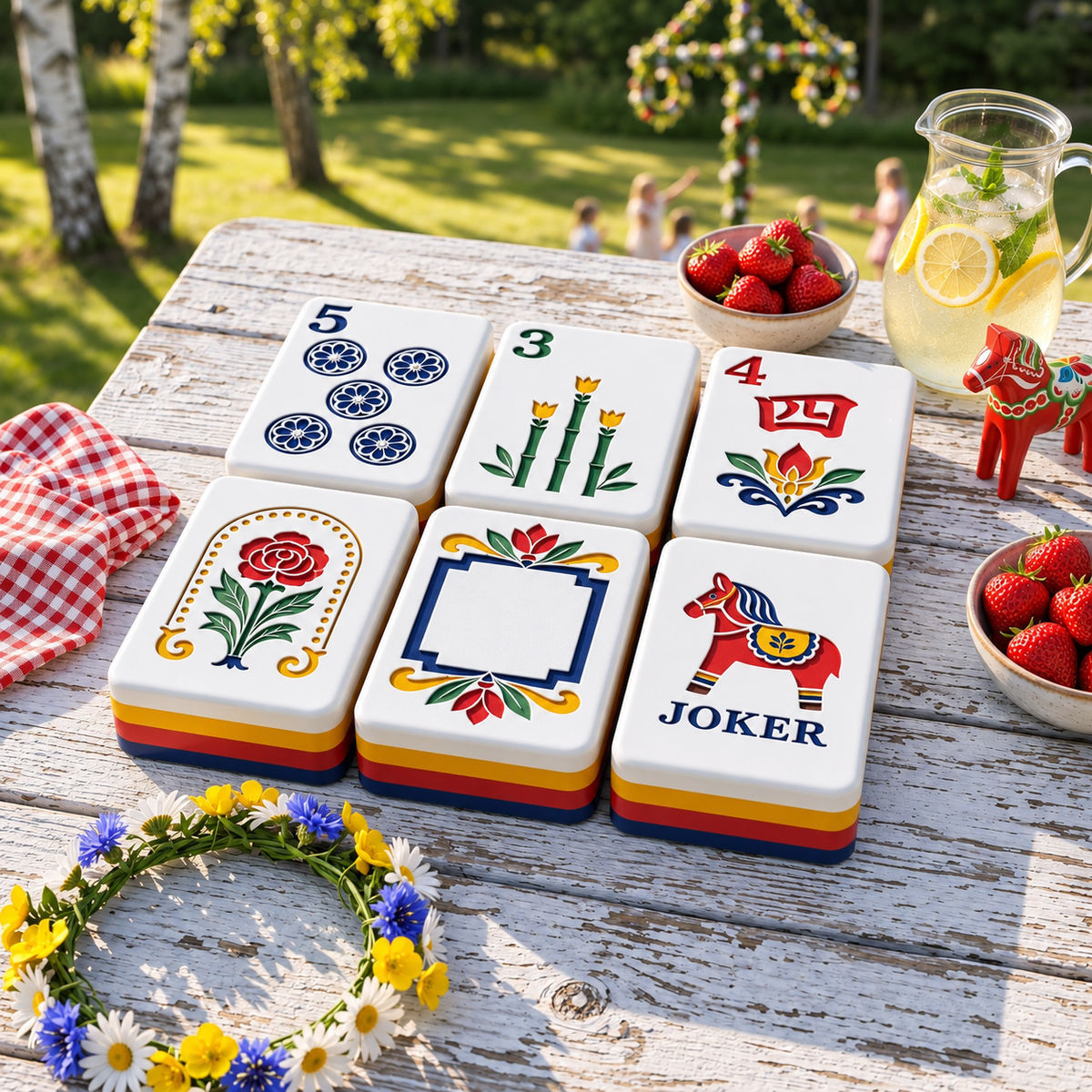
Beginner mahjong classes in Knoxville are available through community centers, libraries, synagogues, country clubs, and informal meetup groups—check your local library's bulletin board, community center catalog, or Meetup.com for current offerings. Most beginner classes run 4–8 weeks and cover hand notation, tile movement, the Charleston (the pre-game tile exchange), and how to read the current National Mah Jongg League card. Some groups offer drop-in sessions; others require sign-up. Costs vary by venue—community centers typically charge a modest per-session or weekly fee. You'll want a best-selling set with clear tile markings and racks with pushers to practice. Start by contacting your local community center or library directly; many staff can recommend active players or groups they've heard from patrons.
Where Do Knoxville Beginners Actually Find Classes?
Your best starting point is your local branch library or Parks and Recreation department website. Knoxville Public Library often maintains bulletin boards with flyers from community groups, and the Parks and Recreation catalog lists structured classes by season. Country clubs, synagogues, and community centers post beginner sessions too—call ahead or check their events page. Online, search "mahjong Knoxville" on Meetup.com or Facebook community groups; many groups are informal but active. Ask at senior centers; mahjong thrives in that demographic and coordinators often know where games run. One honest note: class availability varies by season and instructor, so you may need to try 2–3 contacts before finding an open group.

What Should a Beginner Class Actually Cover?
A solid beginner course teaches the hand notation system first (how the current National Mah Jongg League card works), then tile recognition, rack management, and the Charleston explained in detail. You'll learn how to form pungs (three identical tiles), kongs (four identical), and how jokers function. The instructor should walk through a complete game turn-by-turn so you see when to draw, expose, and call. Good classes limit student groups to 4–6 people to give everyone table time. Classes emphasizing practice over lecture tend to stick better; if a class is mostly talking, ask if you can play a hand halfway through. Ask upfront whether the class uses American mahjong (the standard in Knoxville) or Chinese rules—American and Chinese are structurally different.
🀄 Shop best-selling mahjong sets →
How Much Time and Money Should You Expect?
Most beginner classes meet once or twice weekly for 4–8 weeks, roughly 2–3 hours per session. Community center classes typically charge per session or a flat weekly fee; synagogue and library-hosted groups often ask for a small donation or none at all. Private instructors may charge hourly. The real investment is in a decent set and racks—not mandatory for class, but practicing at home speeds your learning dramatically. You'll also want a current National Mah Jongg League card (issued each spring) to read during play. Budget a modest amount for these tools, then joining a game costs almost nothing. Avoid classes that demand you buy from them or from a specific vendor; reputable instructors don't require this.
What Equipment Do You Actually Need to Practice?
You need a 152-tile American mahjong set—this is the standard and non-negotiable for American mahjong in Knoxville. Best-selling designs come with clear acrylic tiles and either bamboo or plastic racks; clear tiles are easier for beginners to read fast. Racks with pushers are essential—they keep tiles organized and let you move tiles forward when you win, a key signaling rule in American mahjong. A mat protects tiles and gives you a clear play area. A dice pair is used only for determining who begins, so borrowing one from a group is fine at first. Your instructor will have spares for class, but home practice with your own set builds recognition speed. Buying an engraved set is optional; beginners do just fine with any clear, readable tiles.
🎁 See our most-loved mahjong sets & accessories →

How to Choose Between Class Styles: A Quick Decision Frame
Class Type | Who It's For | Time Commitment | Skill Gain | How to Find |
Community center structured | Absolute beginners wanting formal curriculum | 1–2 hrs/week, 4–8 weeks | Thorough; instructor feedback included | Parks & Rec website, call directly |
Library drop-in group | Busy learners or people wanting flexibility | 2–3 hrs/week, flexible start | Peer learning; slower pacing | Bulletin board, ask librarian |
Synagogue or club group | Social learners, those with existing community tie | 2–3 hrs/week, ongoing | Strong community; steady progression | Call venue, ask staff about mahjong |
Private one-on-one tutor | Fast learners or those needing custom scheduling | Depends on you | Quick; customized to your pace | Ask active players, search "mahjong tutor Knoxville" |
Online + local meetup | Independent learners who want peer practice | 1 hr video + 2–3 hrs/week live play | Self-paced + real-table skill | Meetup.com, YouTube mahjong tutorials |
Each style works; pick based on your schedule and learning style. Structured classes suit people who like homework and deadlines. Drop-in groups suit people who want low pressure. Mixed approach (online learning + local games) works for self-directed folks.
What Mistakes Do Beginners Make—and How to Dodge Them
Mistake 1: Buying a cheap set with tiny tiles. Hard-to-read tiles slow your learning. Invest in clear, medium-to-large acrylic tiles—you'll recognize suits and numbers instantly, not squint.
Mistake 2: Skipping the Charleston. The tile exchange before play looks confusing but is the foundation of fair dealing. Ask your instructor to walk it twice; it's not complicated once you see the pattern.
Mistake 3: Not reading the card ahead of time. The National Mah Jongg League card changes every year. Spend 10 minutes at home before class learning how the rows and columns work. This cuts your confusion time in half.
Mistake 4: Confusing American rules with Chinese or Hong Kong rules. They're different. Confirm your class teaches American mahjong—it's the dominant style in Knoxville and the US. American mahjong has no sequences (chows), only pungs, kongs, and quints from the card.
Mistake 5: Not practicing with your own set. Borrowing a set for class is fine at first, but tile recognition only comes from repetition. Grab an affordable best-selling set and practice at home two or three times before class.
Mistake 6: Joining without racks or a mat. Racks and a mat signal respect for the game and protect your tiles. Beginners often drop tiles or knock stacks over. A mahjong mat and racks with pushers solve this instantly and let you practice proper technique.
What to Check Before You Buy a Set
Tile size and clarity: Can you read numbers and suit symbols from 2 feet away? Test this in the product photos or ask the vendor.
Rack and pusher quality: Do pushers slide smoothly? Do racks hold all 13 tiles without wobbling? Poor racks frustrate beginners.
Completeness: Verify the set includes 152 tiles (the playing set), 4 winds per type, 4 dragons of each color, 8 flowers, and 8 jokers. A 160-tile set includes spare jokers; this is normal.
Tile material: Acrylic is durable and clear. Bamboo and bone look elegant but are harder for new eyes to read.
Bag or case: Do you plan to carry your set to class? A padded bag protects tiles and makes transport easy.
✨ Find your Mahstead set — free US shipping →
Actionable Next Steps
This week: Call or visit your local Knoxville library or Parks and Recreation website and ask about mahjong groups or classes.
Next: Check Meetup.com or local Facebook groups for "mahjong Knoxville"—look for groups labeled beginner-friendly.
Before your first class: Order or borrow a clear-tile mahjong set and spend 30 minutes reading about how to read the mahjong card.
At class: Ask the instructor to demo the Charleston and one complete hand before you play. Take notes on which hand you're trying (hand number and row/column from the card).
After class: Practice one hand at home using your own set, racks, and the card. This one 20-minute session doubles your retention.

FAQ
Do I need to own a mahjong set before taking a class?
No. Most Knoxville classes provide communal sets for beginners. But practicing at home with your own set between classes cuts learning time in half and builds tile recognition faster.
What's the difference between American mahjong and other types?
American mahjong uses only the current year's card for valid hands—no sequences (chows)—and requires exactly 152 tiles plus 8 jokers. Chinese and Hong Kong mahjong allow sequences and use a different hand-making system. Ask your instructor which style the class teaches; nearly all Knoxville groups play American.
How long does it take to go from beginner to playing in a regular game?
Most players are comfortable in a casual game after 4–8 weeks of weekly classes and home practice. You'll understand tile movement and hand notation by week 3, but speed and confidence grow over months. Don't rush; the game rewards steady practice, not talent.
Can I play mahjong online before trying in-person?
Yes. Several free online American mahjong simulators exist and help you learn the flow. But nothing replaces the physical feel of holding tiles, doing the Charleston with real people, and reading a physical card. Use online learning as prep, not a replacement.
What if I can't find a class in my neighborhood?
Contact nearby synagogues, country clubs, or senior centers and ask if they know active groups. Post "looking for mahjong group in Knoxville" on Meetup.com or local Facebook groups. Worst case, host a game yourself—grab three friends, buy a set, and use online tutorials to learn together. Many strong Knoxville players started this way.
How much should I spend on my first set?
No need to overspend. A mid-range acrylic set with clear tiles and workable racks is ideal for beginners—easy to read, affordable, and durable. Fancy bone or bamboo sets are beautiful but harder for new eyes to parse quickly. Once you're hooked, upgrade if you like.


View More
View More
View More
