
Mahjong Tournaments in Albuquerque: How to Join
Last updated: Nov 23, 2026
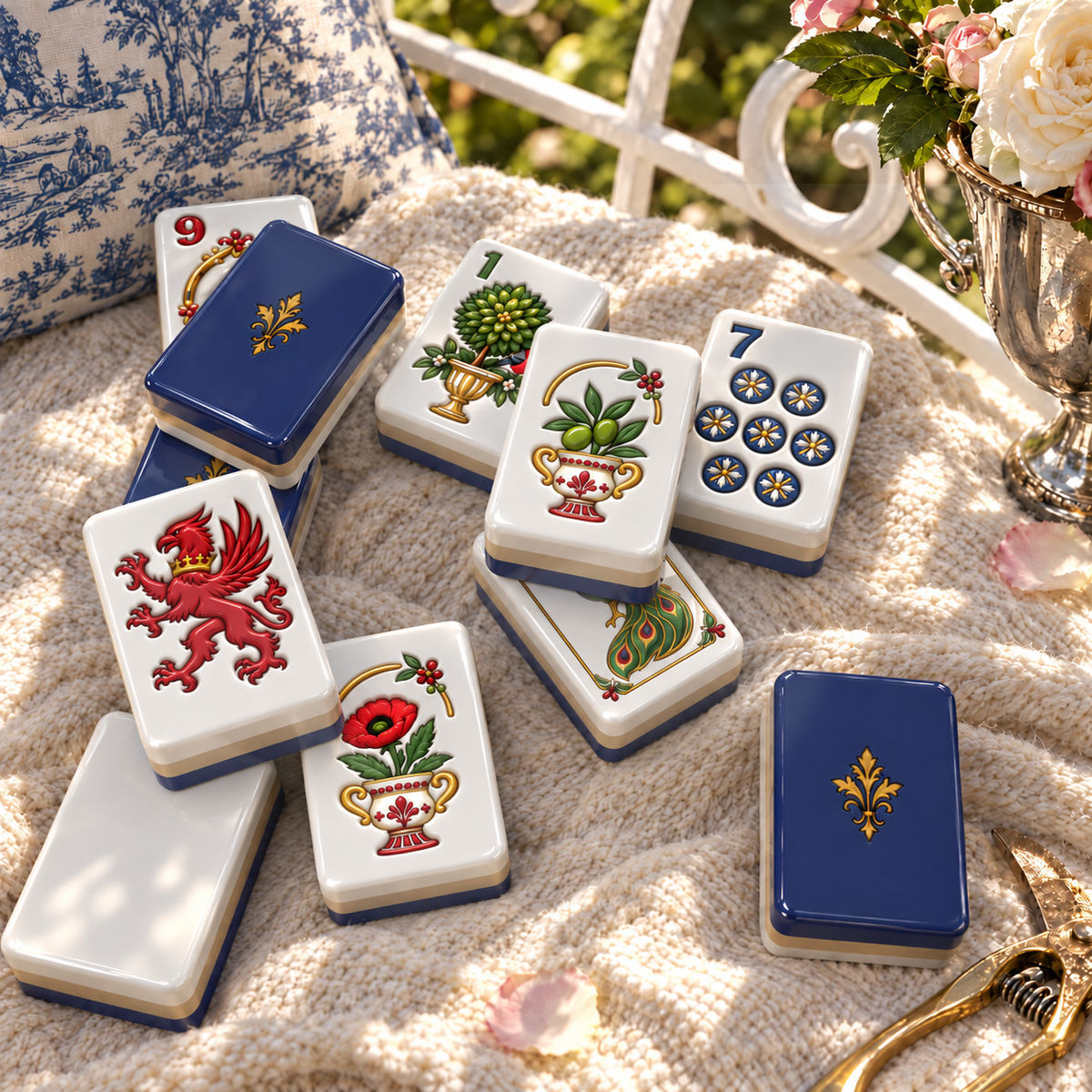
Albuquerque's mahjong community gathers at public venues—primarily city recreation centers, the main public library system, synagogues, and country clubs that welcome guest players. The strongest tournament play follows American mahjong rules (152 tiles, 8 jokers, hands from the current National Mah Jongg League card) and meets in spring and fall seasons, though casual weekly games run continuously. Most tournaments charge a modest entry fee per player and award points based on standard American scoring. To find active games, contact your local recreation department directly, ask at libraries for bulletin board notices, check community meetup boards online, and ask synagogues about their game schedules—many host regular Friday or Sunday groups. New players should bring or borrow a set, learn the Charleston tile-passing ritual, and review the current year's League card before showing up.
Where do Albuquerque players meet and compete?
Albuquerque's active mahjong venues cluster at city recreation centers (check Parks & Recreation's seasonal class listings), branch libraries (check bulletin boards and ask librarians), and private clubs. Synagogues and country clubs often host Friday evening or Sunday afternoon games; call ahead to confirm guest policies. Casual weekly games sometimes run at community centers with drop-in rates, while organized tournaments occur two to three times yearly and are announced on community meetup sites and at libraries. Start by phoning your nearest recreation center to ask if they coordinate a mahjong group—staff can direct you to the current host and game times.

What format do Albuquerque tournaments use?
Most Albuquerque tournament play follows American mahjong rules: a 152-tile set with 8 jokers, four winds, three suits (Bams, Craks, Dots), dragons, flowers, and hands drawn only from the current year's National Mah Jongg League card. Players sit North, East, South, West; begin with the Charleston (a three-step tile exchange); and aim to complete one legal hand per round. Scoring is based on the hand type and player position: hands in the League card carry a point value, multiplied by the player's payment to winners and by any bonuses (like going out on a discard versus a drawn tile). Tournaments typically run four to eight rounds and tally total points to rank players. You need to understand how jokers work in American play—they can substitute for any tile in a pung, kong, quint, or sextet, but never in a single tile or pair.
What should a new player bring and prepare?
A new player entering an Albuquerque tournament needs a 160-tile acrylic American mahjong set with racks and pushers, a current League card (free download or printed copy), pencil, and note paper. The set must include the Charleston (a familiarity with passing tiles left, across, and right before the game starts). If you don't own a set, ask the host whether spares are available to borrow. Wear glasses if you wear them—reading the tiles across a table in standard lighting is essential. Study how to read the mahjong card before your first game so you can spot legal hands quickly. Many players arrive 15 minutes early to socialize and settle in. Bring cash for the entry fee and any refreshments you plan to share; games typically run two to four hours.
Preparation Step | Why It Matters | What to Do |
Own or borrow a 160-tile set | You cannot play without tiles; borrowing is common for first visits | Call the host in advance and ask to borrow, or shop best-selling sets |
Download the current League card | Hands are only legal if listed on the card; the card changes every year | Print a copy or use the official NMJL digital card on your phone |
Learn the Charleston | The tile exchange ritual must happen before every game; it cannot be skipped | Practice with a friend or watch a video tutorial 2–3 times |
Review pung/kong/quint rules | American mahjong has no chow/sequences; you can only expose identical tiles (3, 4, 5, or 6 of the same) | Read the how to play American mahjong guide |
Arrive on time | Tournaments start at a set hour; late arrivals may miss the first round | Confirm time and location by phone 1–2 days before |
🀄 Shop best-selling mahjong sets →
How do you find and join a specific club or tournament?
Start with your Albuquerque Parks & Recreation Department: call or visit their website and search for "mahjong" in class listings and club directories. Check the main Albuquerque Public Library's bulletin board and ask a librarian for game announcements. Search online community boards (Meetup, local Facebook groups, Craigslist community section) for "Albuquerque mahjong" to find informal groups. Contact local synagogues, country clubs, and senior centers—many host games and will tell you the day, time, and host contact. When you find a group, call or email to ask about guest policies, entry fees, required equipment, and the starting date of the next season. Bring a friend if possible; games are more fun in pairs. Many established groups warmly welcome new players and will explain rules and hand-reading during your first visit.

What mistakes do newcomers make—and how to avoid them?
New players often confuse American mahjong rules with other variants (Chinese, Hong Kong, Riichi) and arrive unprepared. Common mistakes include: not knowing that American mahjong has no chow/sequences (only pungs, kongs, quints, sextets, and pairs); thinking jokers can be used in pairs or single tiles (they cannot); not understanding the Charleston tile-exchange order; trying to use hands from old cards instead of the current year's League card; and arriving without a set or way to follow the hands.
To avoid these errors: read the Charleston explained and what's in an American mahjong set before your first visit. Call the host one day before and ask what to bring and what rules the group follows. If you're unsure about a hand during play, ask a player to teach you—the community is patient with honest questions. Invest in a good acrylic set with visible tiles and sturdy racks; cheap or worn tiles slow down play and create frustration. Never assume a hand is legal just because it looks right—check the card.
🎁 See our most-loved mahjong sets & accessories →
What to check before you buy your own set
If you decide to invest in your own best-selling mahjong sets, confirm that it's a 160-tile American set with 152 playing tiles and 8 jokers, not a Chinese 144-tile set or other variant. Check that the tiles are acrylic or bone-and-bamboo (durable and easy to read), the racks have integrated pushers (so you can play without extra tools), and the bag is padded for safe transport to venues. Look for engraved or printed suits that are bold and easy to see under standard lighting. If you attend tournaments regularly, a mahjong bag and case protects your set during travel. Many Albuquerque players also use a mahjong mat to define the play surface and keep tiles from sliding; this is optional but highly valued by serious players.
✨ Find your Mahstead set — free US shipping →
What does a typical tournament day look like?
A typical Albuquerque mahjong tournament runs four to eight rounds, each 30–45 minutes. Players arrive 15 minutes early, pay the entry fee, and draw seats. The host verifies everyone has a League card and confirms the current year's card is in use. Round 1 begins with the Charleston, then players play until someone wins (goes out). Score is recorded, tiles are reshuffled, winds rotate (East becomes South, South becomes West, etc.), and Round 2 starts. Between rounds, players grab coffee or snacks and chat. After all rounds, the host tallies scores and announces rankings. Winners are awarded points or prizes (often cash or a credit toward the next tournament entry fee). The full day takes three to four hours. Most groups adjourn by early evening.

FAQ
Do I need to know mahjong before joining an Albuquerque tournament?
No. Many groups welcome beginners and will teach you during casual games before tournaments start. Call the host and mention you're new—they'll guide you to beginner-friendly sessions. Spend two weeks practicing the Charleston and how to read the mahjong card online so you're not completely cold on game day.
What is the entry fee for Albuquerque mahjong tournaments?
Entry fees vary by venue and tournament format but typically range from $5 to $20 per player per tournament. Casual drop-in games at recreation centers may charge $2–$5. Call your specific venue to confirm current fees and any membership discounts.
Can I use an online mahjong app instead of a physical set?
No. In-person tournaments require a physical 152-tile American mahjong set. Apps are great for practice, but tournament rules demand real tiles, hands from the current printed or official League card, and face-to-face play with official scoring sheets.
Where can I buy a set for Albuquerque play?
Buy a 160-tile American mahjong set from online retailers with free US shipping or ask your Albuquerque venue if they sell or recommend sets. Confirm it includes racks with pushers, is 160 tiles (152 playing tiles plus spares), and comes with clear instructions for American play.
Is mahjong in Albuquerque competitive or casual?
Both. Casual weekly games run year-round at community centers and homes; these are low-pressure and welcoming. Organized tournaments (spring and fall) attract serious players who track rankings and points. You can start casual and move to tournaments as you improve.
Do I need to attend every week to join a tournament?
No. Most tournaments accept players who show up for that event alone. However, joining a regular weekly game helps you learn the card, practice the Charleston, and build friendships before you enter your first tournament.


View More
View More
View More
