
Do You Need a Mahjong Card Holder? When & Why
Last updated: Nov 23, 2026
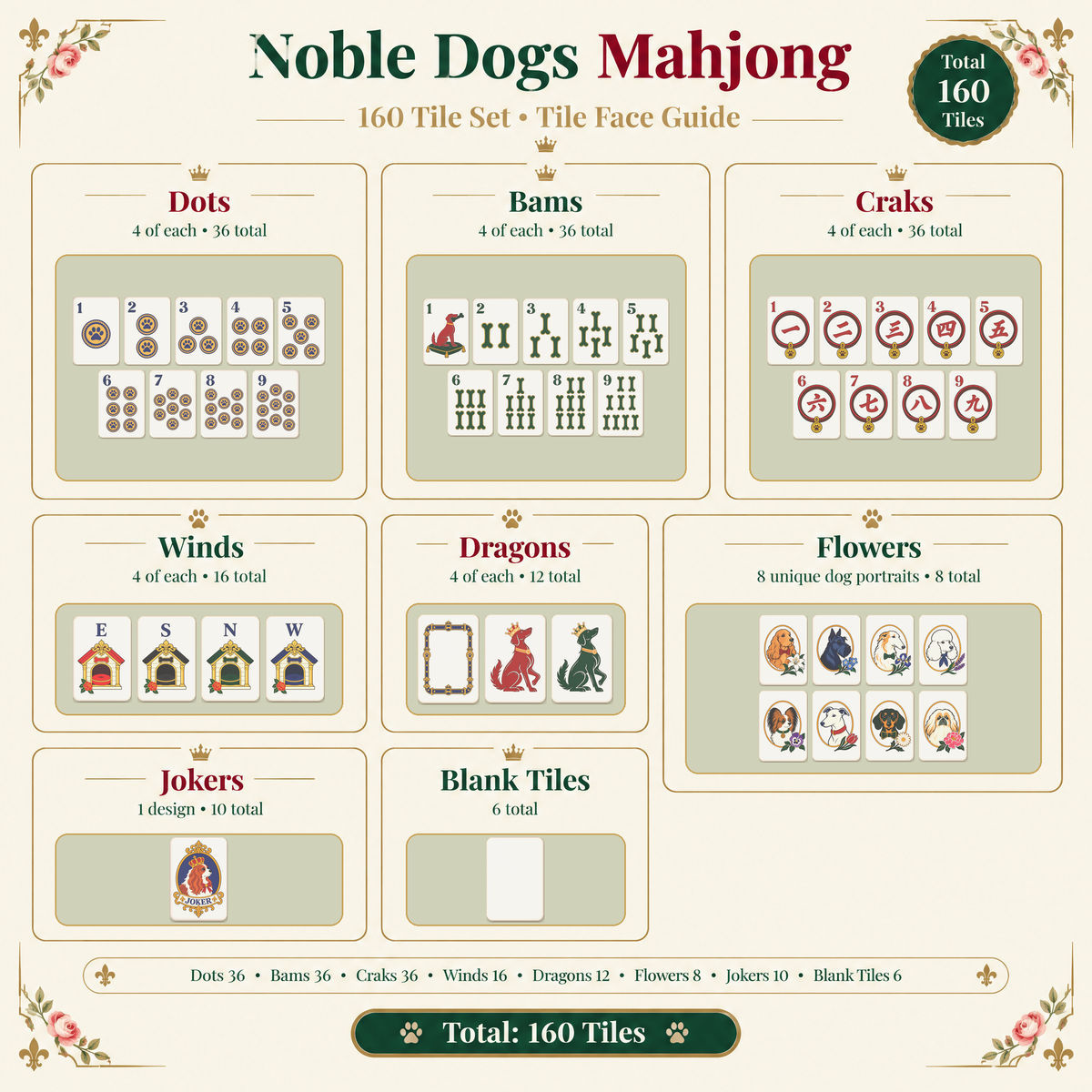
A mahjong card holder is a display stand that props up the current-year NMJL card so all four players can see it without passing it around. You don't technically need one—the card can live flat on the mat, in a player's hand, or passed as needed—but a holder prevents creases, speeds up hand lookups, keeps it off food and drinks, and reduces table friction when someone disagrees on what's legal. They're most useful for casual weekly games, teaching tables, or players with vision or mobility concerns. They come in clear acrylic, wood, or folding designs. Mahstead carries best-selling mahjong sets and accessories that pair well with organized tabletop setups; a card holder is a natural complement if your group plays the same NMJL card all season and values table clarity.
A mahjong card holder sits beside the tile wall or between players and displays the National Mah Jongg League card at eye level during the entire game. It replaces the ritual of hand-passing and keeps the card pristine—no bent corners, no water rings, no sticky rice-cracker fingerprints. The card is laminated, but a holder adds a layer of protection and, more importantly, transparency: all four players always know which hands are legal this year, which cuts down on disputes and speeds up learning. For serious players, a card holder also signals respect for the game—it says "we're playing to the rules, not from memory."
🀄 Shop best-selling mahjong sets →
Who actually needs one?
A card holder makes the most difference at teaching tables, casual weekly home games, and any group that includes a newer or younger player. If you're hosting and the card gets passed around the table three times per hand, a holder saves time and frustration. Players with vision challenges, arthritis, or who simply prefer not to hold items while thinking appreciate having the card fixed in place. Serious tournament players or competitive clubs often don't use them—the card sits flat or in a designated spot, and speed matters more than convenience. For casual players in a living room or dining room who value smooth, relaxed game flow over speed, a card holder is worth the small investment.

What type should you choose?
The three main designs each solve different needs. A clear acrylic stand is neutral, lightweight, and transparent—you can see through it to check tiles behind the card if needed. Wood holders add a finished, decorative touch and match traditional tile aesthetics; they work well on permanent game tables or display shelves. Folding or collapsible holders pack flat for travel and suit players who move their game from home to friend's house each week. Choose based on where your table lives: permanent setup → acrylic or wood; traveling game → folding. The card itself is approximately 8.5 × 11 inches, so measure any holder's opening before buying.
Can you make one at home, or should you buy?
You can absolutely build a simple DIY card holder from a bent wire coat hanger, a clear acrylic sheet propped on wooden blocks, or even a picture frame easel flipped backward. DIY solutions cost little and let you customize height and angle. The trade-off: they can tip over, look unfinished, and take an evening to build correctly. A store-bought holder arrives ready to use, looks intentional on the table, and typically won't slide around mid-hand. If you enjoy making things and have the tools, DIY is a fun project; if you want something reliable and finished in minutes, buying is the better call. Either way, the card stays protected and visible.
Do card holders work with mahjong mats?
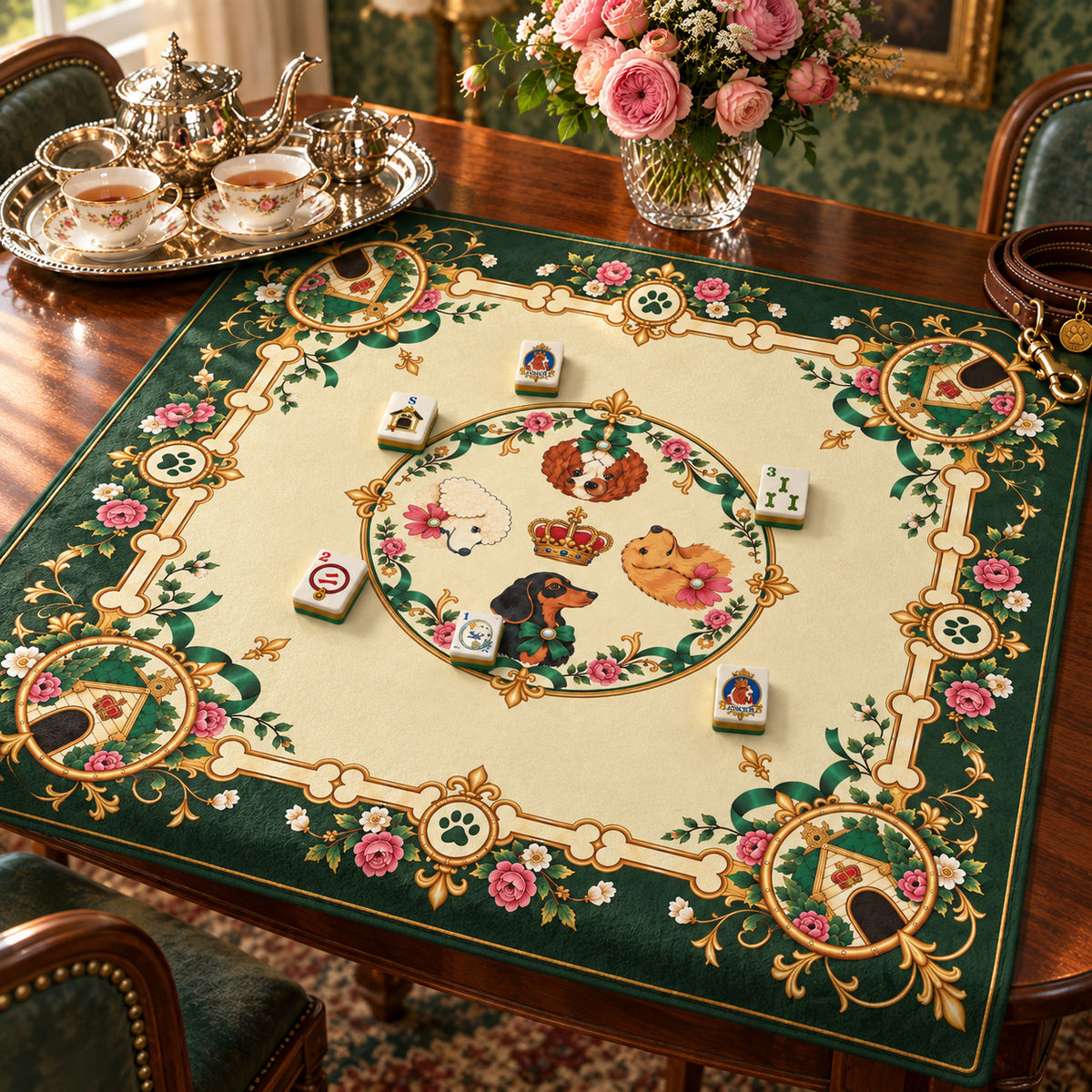
Yes—most mahjong mats have enough space for a card holder to sit at one corner or edge without blocking the playing surface. A standard mat is roughly 27 × 27 inches, so you have room for a 4–6 inch acrylic or wood holder on the north or south side. If your mat includes a card pocket or pouch built in, you may not need a separate holder—check the mat's description first. Pairing a quality mat with a card holder creates a professional, clutter-free table that makes every hand feel intentional. The combination also protects both the mat and card from wear.
🎁 See our most-loved mahjong sets & accessories →
What other accessories pair well with a card holder?
A card holder works best as part of a complete, organized table setup. Racks with pushers keep your hand upright and separated, so you're not fumbling with loose tiles while reaching for the card. A mat anchors the entire layout and gives the card holder a stable surface to sit on. Bags and cases protect your set, mat, and holder during transport if your game moves between homes. Dice or scoring chips sit beside the card holder, and some players keep notes or a joker list there too. The idea is: one intentional, organized space where the card, tiles, and rules all live together.
Comparison: Card Holder Types
Type | Best for | Durability | Cost basis | Setup time |
Clear acrylic | Neutral, modern look; see-through | High; won't warp | Mid-range | 1 minute |
Wood | Permanent tables; traditional feel | High; can scratch | Mid-range | 1 minute |
Folding/travel | Moving games; travel; storage | Medium; hinges age | Budget-friendly | 2 minutes |
DIY (frame easel, blocks) | Customization; low cost | Variable; fragile | Minimal | Evening build |
Is a card holder worth the space on a crowded table?
On a small table where space is tight—a kitchen nook or laptop desk—a card holder may feel like clutter. In that case, use a thin travel bag organizer or card slot in your carrying case, or designate one player's rack as the "card keeper" and pass it as needed. But if you have room for a mat and a proper playing surface, a card holder takes up maybe 4 square inches and pays back in reduced fumbling and misreadings. Most tables have room. The real question is whether your group values that clarity enough to commit to using it every hand—if yes, it's worth it; if your card ends up in a drawer half the time, skip it.
What to check before you buy
Card size: Confirm the holder fits a standard 8.5 × 11 inch card (or whatever size your NMJL card is—they can vary by region).
Table surface: Does your mat or table have space without blocking sight lines or the tile wall?
Stability: Can the holder hold the card upright without sliding, tipping, or flexing?
Material: Will acrylic, wood, or plastic match your game aesthetic and travel needs?
Easy access: Can you reach the card quickly if you need to re-check a hand mid-deal without moving the holder?
Update readiness: Is the holder designed so you can swap out next year's card easily, or does it lock the card in place?
If all five check out, a card holder is a smart addition. If your table is already crowded or your card ends up flat 80% of the time anyway, you're fine without one.
✨ Find your Mahstead set — free US shipping →
The takeaway
A mahjong card holder is optional but practical. It shines at teaching tables, casual home games, and any group that values smooth, low-friction play. The best card holders are clear acrylic (modern, durable) or wood (finished, traditional), and they work well with quality mahjong sets and mats that elevate your whole setup. If your weekly game has space for a mat and enough players to justify the investment, add a card holder. If your card lives in a pocket most of the time or your table is too crowded, skip it—your game will run fine without one. The real win is playing consistently from the current NMJL card, whatever format you use to display it.

FAQ
Can I use an old mahjong card in a holder, or does it need to be this year's card?
Yes, you can display any old card for reference or decoration—a holder works with any card. But for actual play, American mahjong rules require the current year's National Mah Jongg League card (issued every spring). Using an old card during a real game means you're playing illegal hands. If you're teaching or playing casually with friends, any card works; if you're playing by league rules, you must use the current NMJL card.
Will a card holder fit in my mahjong bag when I travel?
Most acrylic and folding card holders are thin and flat enough to fit in a travel bag beside the mat and set. Wood holders are thicker and heavier, so check your bag's interior dimensions first. Folding holders are specifically designed for transport and pack down smaller. Measure your bag's storage compartments before buying a holder so you know it travels with you.
Do I need a special holder, or will any picture frame easel work?
Any picture frame easel or acrylic stand that holds an 8.5 × 11 card upright will work. The advantage of a mahjong-specific holder is that it's designed for table height, stability, and the card's thickness. A photo easel works in a pinch, but it may slide around, feel flimsy, or sit too high or low for comfortable table viewing. If you already own an easel, try it first; if it's shaky or awkward, a purpose-built card holder is worth upgrading.
Can I see the tiles behind the card if there's a clear acrylic holder?
Yes, if you use clear acrylic, you can see through the holder to spot tiles behind it. If you use a wood or opaque holder, you cannot. For organized play where everyone keeps their tiles organized on the mat in front of them, this isn't usually an issue. If your table is crowded and tiles get scattered behind the card area, a clear acrylic holder gives you a sightline to check.
What if my card holder tips over during play?
Acrylic and wood holders are stable if they're weighted at the base and sit flat on a smooth surface. Folding holders can tip if bumped or placed on an uneven mat. To prevent tipping: use a holder with a wide base, place it on a mat instead of a loose table, and position it away from the edge where elbows and hands move. If your table is very crowded, a flatter card pocket in your mahjong mat might be safer than a stand-up holder.
Is a card holder considered cheating or against tournament rules?
No. Card holders are legal in American mahjong—tournament play, casual home games, and league play all allow them. Some competitive players choose not to use them because they prefer speed and minimalism. But there is no rule against a card holder. In fact, many clubs and teaching groups use them to reduce confusion and speed up learning. Use one if it improves your game experience.


View More
View More
View More
