
Mahjong Throwing Tips: Avoid Costly Mistakes at Your Table
Last updated: Nov 23, 2026
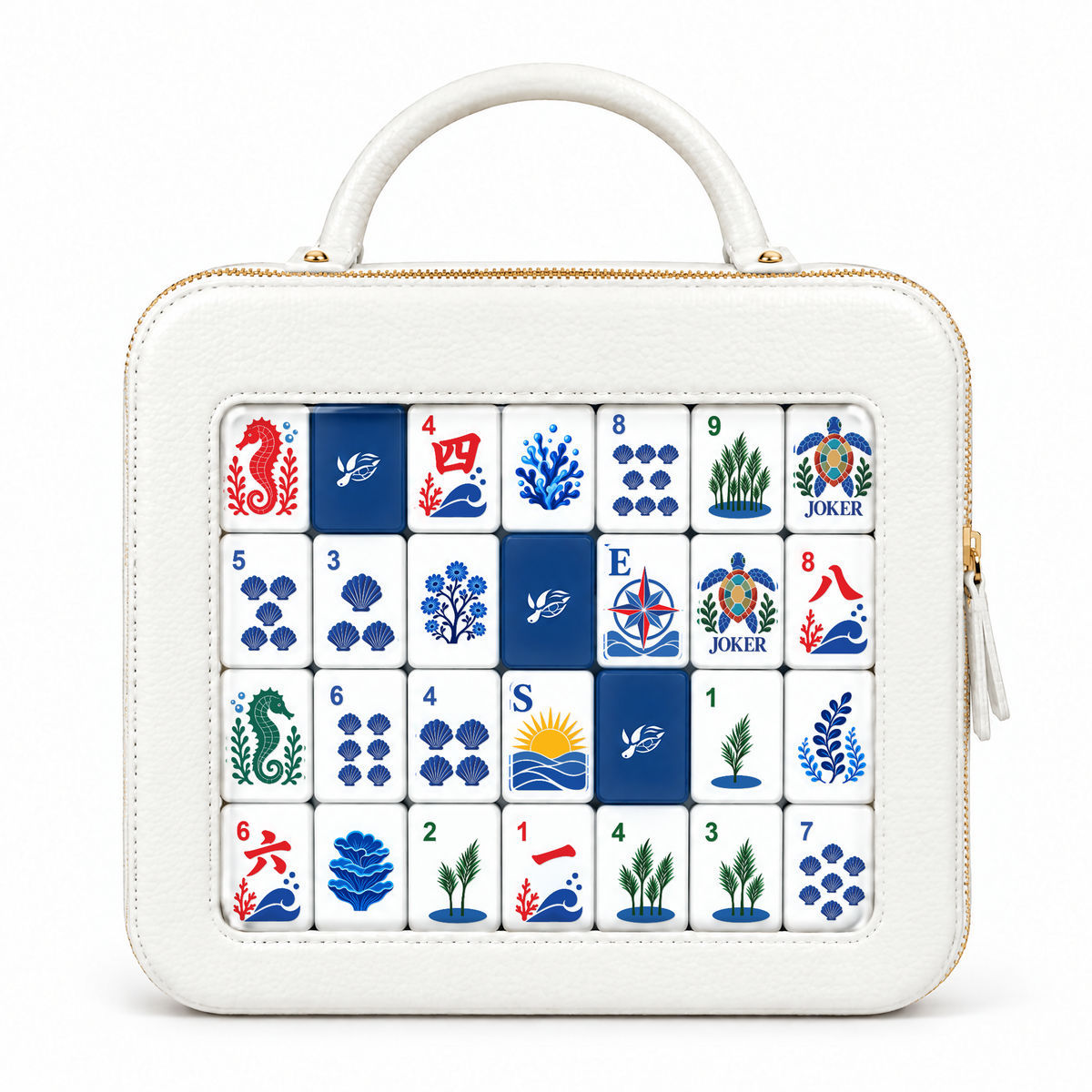
In American mahjong, a throw (or discard) is a tile you place face-up in the center of the table after drawing from the wall or taking a pass during the Charleston. You must throw exactly one tile per turn; it cannot be from an exposed pung, kong, or sextet you've already laid down. The throw is permanent—once placed in the center (called the "well"), you cannot take it back. Throwing is the moment opponents can call your tile to form their sets. The most common mistake is throwing an obvious defensive tile too late, allowing an opponent to win; another is accidentally throwing a tile your opponent needs without realizing it. We at Mahstead see players lose games by not tracking which tiles are in the well and what others are collecting. The key: study the discard pattern before throwing, know what your opponents want, and build a strategic discard order from the very start of your hand.
Why does one thrown tile matter so much?
Throwing is your only chance to control what opponents can access. When you throw a tile into the well, anyone around the table (not just the player to your right) can call it within a few seconds to complete a pung, kong, quint, or sextet. A single careless throw can end the entire game. The player closest to winning often watches the well obsessively; a tile that seems safe to you might complete their hand. Because American mahjong requires how to read the mahjong card to understand what hands are valid, you're also throwing into a landscape of hidden information—your opponents know their own hands but not yours.
The stakes rise in the late game. If you're one tile away from winning, your thrown tiles become a minefield. Opponents do the same math: if they see you throwing safe older tiles and suddenly throw a fresh suit, they know you're close. Throwing is not just mechanical—it's psychological.

What's the safest throwing sequence?
Build a discard order before the game starts, right after you pick up your hand. Sort your tiles into three piles: (1) tiles you're definitely using for your target hand, (2) tiles you might use, and (3) tiles you're discarding. Within pile three, sort by age: throw the oldest, most-seen tiles first (usually honors like Winds or Dragons that have been in the well longer), then graduate to younger, flashier tiles.
A concrete example: it's the first turn of the hand, and you have 15 tiles (one more than the opening 14 because you drew). Your target hand uses two Craks (1–9) and needs a pung of North Winds. Your hand includes North, North, North, East, East, 3 Bams, 5 Dots, 7 Dots, 8 Dots, 9 Dots, 3 Craks, 6 Craks, 7 Craks, 8 Craks, 9 Craks. You have three safe discards: East (you don't need it), 3 Bams (wrong suit), and 5 Dots (not in your range). Throw the East first—it's been visible longest if anyone passed it in the Charleston, so fewer opponents likely want it. Next turn, if nothing scary happens, throw the 3 Bams. This gradual strategy delays showing which suits you're building.
The goal is to keep your hand "opaque." If you throw four Dots early and then start throwing Craks, you've telegraphed a switch. Experienced players will assume you're abandoning Dots and building Craks—useful intel for them.
🀄 Shop best-selling mahjong sets →
Which throws expose you fastest?
Throwing from the suit you're building is the cardinal sin. If your hand needs a sequence or pung in Craks, and you throw a Crak you don't need, you've announced: "I need Craks for my hand." Opponents will then hold back Craks and call tiles faster when you discard them. You've shortened the window to get what you want.
Throwing an honor (Wind or Dragon) on the first turn signals weakness. Honors are usually safe early; if you throw an East on turn one but then hold East for three more turns before throwing another, you're signaling "I almost used this for a set." Conversely, throwing honors late in a hand is safer—everyone assumes you've discarded what you don't need.
Throwing quints or sextets that another player might call is impossible in American mahjong—you cannot expose a quint or sextet unless you already have it laid on the table. Throws are always single tiles, so this is a non-issue. But if an opponent is one tile away from a quint, they are extremely watchful. Track who laid quints; they're close to winning.
The worst throw is a "panic throw"—discarding at random when you realize you're behind. A calm, methodical sequence of throws (even if slower) will lose fewer hands than erratic ones.
How do you spot an opponent's danger zone?
Watch the well like a security camera. Every tile in the center tells a story. If East, West, North have all appeared (thrown and not called), South is probably in someone's hand as a pung or part of a set. If 1, 2, 3, 4 Dots are visible but 5 Dots hasn't appeared, someone is likely holding or building with it.
The most dangerous signal: an opponent throws a fresh tile from a suit, then stops throwing from that suit. This means they've completed a set in that suit and moved on. If Player B throws 3 Bams, then never throws Bams again after turn three, they almost certainly have a pung or sequence of Bams locked up—either on the table or just closed (in hand, not yet revealed).
Similarly, watch for "old suit" patterns. If an opponent threw six tiles from Craks in the first three rounds, then haven't thrown one since, they are either avoiding Craks (because they're close and trying to look safe) or they completed a Crak set and sealed it. Neither is good for you.
Create a mental (or actual) map: "Player A is building Dots, Player C has Winds." Adjust your throws accordingly. If Player A needs Dots and you have a 5 Dot you don't need, throw it early—before Player A can close their set. If Player C is collecting Winds and you have an extra East, hold it longer or throw it to Player A's right (creating more distance before it circles back to Player C).
The strongest throw is one that helps the player least likely to win. If Player A is one tile away and Player B is three away, throw tiles that neither wants—and throw them to Player B's left so Player A cannot call.
🎁 See our most-loved mahjong sets & accessories →

What happens if you throw by accident or out of turn?
American mahjong rules are unforgiving: once a tile leaves your hand and touches the well, it is thrown. You cannot reclaim it. If you pull a tile, brush it, and drop it into the well accidentally, it's gone. This is why many experienced players use mahjong racks with pushers—the pusher keeps tiles in order and prevents fumbles. A tile resting on the edge of the rack, half-in-half-out, is not yet thrown; once it clears the rack and lands in the well, it counts.
Throwing out of turn (e.g., throwing twice in a row or throwing when it's not your turn) is a dead hand. The hand is canceled, and play restarts. To avoid this, count aloud—"I draw, I throw"—and wait for the next player to act. Do not reach for your discard until the previous player's discard has been either called or passed by all players.
Some groups play a "grace period" during the first few turns: if a player throws by accident in a beginner game, they're allowed to take it back once. Check your table's house rules before you begin. In tournaments, there is no grace period.
Creating a throwing roadmap for the whole hand
Elite players plan their entire discard sequence after the Charleston ends, before the first draw. They identify which suit and honor rank they're targeting, calculate how many "junk" tiles they have, and decide the order of elimination. This prevents panic throws and reduces hesitation—hesitation at the mahjong table broadcasts your thinking and wastes time.
Here's a step-by-step checklist to build your map:
Identify your target hand from the current year's NMJL card (check your card—it's the legal standard for American mahjong).
Count keeper tiles (tiles you will definitely use).
Mark borderline tiles (tiles you might use if the draw works out).
Rank your junk by safety: honors thrown early are safest; tiles matching nearby keepers are riskier.
Simulate the next five draws mentally—if you draw poorly, which keepers would you drop to stay at 14 tiles?
Assign throw order (e.g., East, then 3 Bams, then 5 Dots, then West, then 2 Craks, etc.). Write it down if your table allows note-taking during the game.
Watch the well after every throw; adjust your plan if an opponent calls a tile or if a suit suddenly appears three times in a row.
Throttle late-game throws: slow down in the last five turns of the hand. Hesitate slightly; make opponents unsure whether you're close.
Decision Point | Question to Ask | Action | Example |
First five turns | Is this suit already in the well twice? | Throw that suit first to avoid collisions. | 1 Dot appeared twice; throw your 1 Dot early. |
Turns 6–10 | Has an opponent stopped throwing this honor? | They're building it; avoid similar honors. | Player A stopped throwing Winds; throw Dragon instead. |
Turns 11–14 (late game) | Do you have exactly 14 tiles? | Hold and watch; don't throw. You're close or balanced. | Never throw; let the wall come to you. |
After a call | Has the called tile changed visible patterns? | Recalculate; one suit may suddenly be safer. | Player B called a Crak; Craks might be slightly safer now. |
✨ Find your Mahstead set — free US shipping →
The psychology of throwing: tempo, hesitation, and tells
Hesitation is a tell. If you pause for three seconds before throwing a tile, experienced opponents assume you're weighing two options—meaning that tile is borderline for your hand, and the other option is valuable. A confident, quick throw signals "I don't need this; it's safe junk." Conversely, a rookie mistake is throwing confidently and then looking shocked when someone calls it—that signals overconfidence and invites closer scrutiny.
Tempo matters. Keep a steady rhythm: draw, consider (1–2 seconds), throw, next player's turn. If you speed up and slow down erratically, you're broadcasting emotional swings—desperation or relief—that leak your hand strength.
One advanced tactic: throw the same tile your left neighbor just threw back. If Player A throws a 6 Crak and you have an extra 6 Crak, throw it immediately after their throw. Opponents assume the discard is old and harmless. Danger: if Player A threw it because they don't need it, throwing the same tile means you probably don't need it either—safe, but it doesn't advance your strategy.
What to check before you buy mahjong gear
If you're hosting regular games, invest in tools that reduce accidents and speed up play. A best-selling acrylic mahjong set with engraved tiles is easier to read at a glance—no squinting at tile faces, which means faster throws and fewer mis-reads. Acrylic tiles slide smoothly into a mahjong rack with pushers, reducing the chance of fumbling or throwing early.
A padded mahjong mat creates a defined well space with four quadrants (one for each player's discards). This organization prevents confusion—you always know whose discard belongs to whom and which tiles were thrown in which order. Order, clarity, and speed reduce mistakes and tension.
For traveling to weekly games or tournaments, a sturdy bag or case protects your set and keeps tiles from mixing or spilling mid-game.

FAQ
Can I take back a throw if no one has called it yet?
No. Once a tile lands in the well, it's permanent. If it hasn't been called, it remains available for the next player. The only exception is if the tile hasn't left your hand or fully entered the well—it's resting on the rack's edge, for instance. Once it's past the rack, it counts.
What if I throw a tile and two players call it at the same time?
The player sitting closest to you in rotation order has priority. If you throw and the player on your right and the player across both call, the player on your right gets it. Table rules may vary; clarify before play starts.
Is throwing a joker different from throwing a regular tile?
Yes. A joker cannot be thrown as a single tile—it can only appear in an exposed pung, kong, quint, or sextet (replacing a tile within that set). If you draw a joker and don't have a set ready, you must hold it. Learn more in our guide to how jokers work.
How do I know if an opponent is close to winning based on their throws?
Watch for hesitation, safe older tiles, and suits they've stopped throwing. If they suddenly hold a suit for three turns and throw different honors, they're likely building that suit. If they throw very slowly in the last five turns, they're balancing (exactly 14 tiles, waiting to win). Track the well and count their visible tiles.
What's the difference between throwing and passing during the Charleston?
The Charleston happens before play starts—you pass full groups of tiles to other players to randomize hands. Throws happen during play: one tile per turn, placed in the center well, available for anyone to call. Throws are permanent; passes during the Charleston are part of the setup ritual. See our Charleston explained guide for details.
Can I throw a tile from an exposed set (a pung or kong on the table)?
No. Once you've exposed a set, those tiles are locked; you cannot remove or throw any of them. You throw only from your closed, hidden hand. This is why exposed tiles are strategic—they reduce your throwing flexibility and signal your intentions.


View More
View More
View More
