
Mahjong Teachers in Tennessee: Finding Instruction & Building Your Game
Last updated: Nov 23, 2026
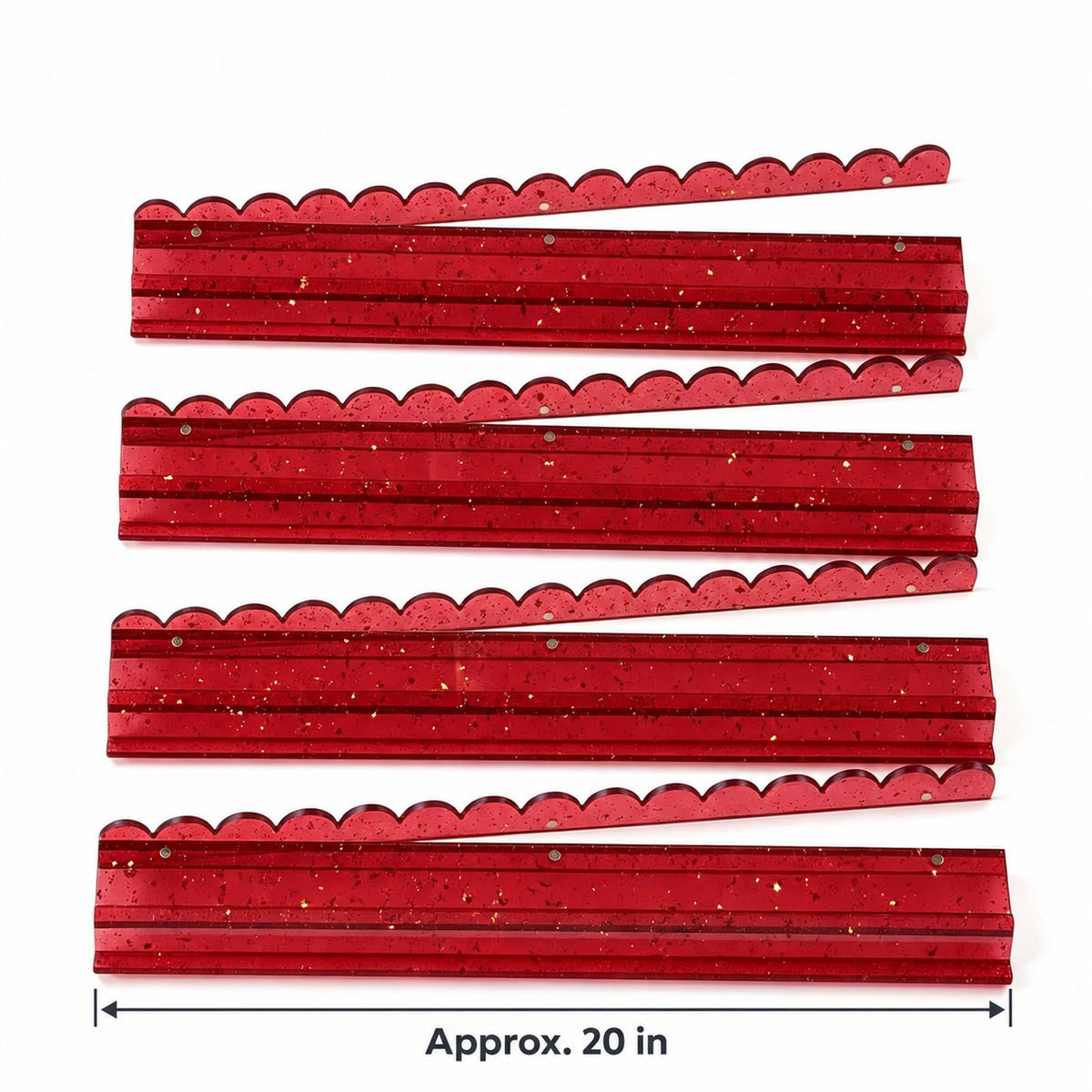
Mahjong teachers across Tennessee operate through community centers, public libraries, senior centers, synagogues, country clubs, and informal meetup networks. Start by calling your local public library's program coordinator or asking at a nearby senior center—many host weekly beginner classes or can recommend instructors. Synagogues in larger towns often run mahjong nights; ask about drop-in lessons. Online community boards and social media groups for Tennessee players also share teacher contact info and game schedules. Expect beginner instruction to cover hand-reading, how to play American mahjong, the Charleston tile-passing ritual, and joker rules—typically 4–8 weeks. Most teachers work on donation or hourly rates; ask upfront. You'll want a 160-tile set with a mahjong mat and racks with pushers so your hands stay organized during lessons.
How do I find a mahjong teacher near me in Tennessee?
Start with your county's public library system—call the main branch and ask the programming or adult education staff whether they offer mahjong lessons or can refer you to a local instructor. Most libraries post class schedules online or via community bulletin boards. Senior centers (check your city or county's aging services office) nearly always host weekly games and may offer beginner orientation. For a personal instructor, visit synagogues in your area—many maintain mahjong communities with established teachers. Local recreation departments, community colleges, and country clubs sometimes advertise seasonal classes on their websites.

What should I ask a mahjong teacher before signing up?
Before committing, ask: (1) Does the teacher focus on American mahjong, Chinese, or another variant? (2) What's the class format—lecture, hands-on practice, or mixed? (3) How many weeks and what's the total cost? (4) What do I need to bring or buy? (5) Will the teacher explain the National Mah Jongg League card and hand-recognition? (6) Are there practice games after lessons? Ask whether they use printed hand guides or the official tile card. A good teacher lets you see a sample lesson before enrollment and clarifies that American mahjong uses only identical sets of tiles—no sequences—and that you'll need to learn the current year's valid hands.
What's the difference between a group lesson and a private teacher?
Format | Best for | Time commitment | Social element |
Group class (4–8 students) | Budget-conscious learners | Fixed weekly schedule, 6–8 weeks | High; you meet peers immediately |
Private lessons | Fast learners or scheduling flexibility | Flexible dates & duration | Low; one-on-one focus |
Informal game group | Practiced players wanting community | Weekly drop-in, ongoing | Very high; casual, social |
Self-study + practice | Independent learners with a set | Self-paced | None; you arrange game nights |
Group lessons cost less per hour and let you ask questions alongside peers. Private teachers move at your speed and can drill your weak spots—tile recognition, hand-reading, Charleston technique. An informal game group (ask your teacher or library staff for referrals) is free but assumes you already know the basics; you'll learn fastest by playing. Most new players mix group lessons with weekly practice games.
What equipment do I need before my first lesson?
You'll need a 160-tile American mahjong set with all four winds, dragons, flowers, and jokers. A set that matches your learning style makes the difference: some students prefer engraved tiles for clarity, while others like a compact travel-friendly option. Bring a notebook and pen to jot hand numbers from the card. Most teachers provide a mahjong mat or practice surface, but owning your own removes friction when you host games at home. Racks with pushers are not essential for beginners but help you organize tiles neatly so you can focus on strategy instead of fumbling. Ask your teacher what they recommend; many lend practice sets to students in their first month.
🀄 Shop best-selling mahjong sets →

How long does it take to go from beginner to confident player?
Most students grasp tile identification and basic hand-reading in 4–6 weeks of weekly lessons. Recognizing hands quickly and understanding when to claim a tile for a pung or kong (exposure rules) typically takes 8–12 weeks of regular play. Becoming fluent with scoring and confident in Charleston strategy requires 3–6 months of weekly games. Don't rush: mahjong rewards patience. Teachers often say the real learning happens after the course ends, during your first season of game nights. Join a standing weekly group once you finish lessons—consistency beats cramming.
What common beginner mistakes should I avoid?
Never assume you can use sequences (like 1–2–3 Bams in a row)—American mahjong has no chows; you can only expose identical sets: three tiles (pung), four tiles (kong), or more. Don't try to memorize the entire hand card at once; instead, learn categories—like "pairs with pungs," "quints and simples," "honor tiles and sets"—and drill one section per week. Don't assume every duplicate tile is a valid pair; jokers can never form a pair and cannot substitute for a single tile. Avoid playing without the current year's National Mah Jongg League card; older cards make your hands unplayable in group games. Finally, don't quit after one confusing session; almost every player feels lost in week two. Your teacher has seen this; ask for clarification.
✨ Find your Mahstead set — free US shipping →
What to check before you buy a set for lessons
Choose a set with clear tile faces—engraved or printed characters should be readable from arm's length without squinting. A set with a mahjong mat or storage bag and case protects your investment and makes transport to lessons easy. Make sure the set contains all 152 playing tiles (check: 36 each Bams, Craks, Dots; four each wind; four each dragon; eight flowers; eight jokers). Ask your teacher whether they have a preference for acrylic, wood, or bamboo tiles; acrylic sets are durable, lightweight, and forgiving if you drop one. If you plan to host games after lessons, a set with matching racks and pushers keeps the table organized and players engaged.
🎁 See our most-loved mahjong sets & accessories →
How do I keep improving after my lessons end?
Host a weekly game night at your home or join an established group. Most teachers offer ongoing open-game evenings or recommend where to find them. Play the same opponents weekly if possible; consistency teaches you their style and sharpens your reading. Review your hands after each round—ask why you won or lost. Study American mahjong scoring so you understand point values; many beginners lose because they chase expensive hands too long. Join the National Mah Jongg League if you want official tournament play and early access to next year's card. Use a mahjong mat consistently at home so tile placement becomes automatic. Most importantly, find players you enjoy; mahjong is a four-player social game, and the community matters as much as the tiles.

FAQ
Are there online mahjong teachers who teach Tennessee players?
Yes. Some instructors offer Zoom or video lessons and can mail you a practice set. Ask your local library or synagogue for referrals to online teachers, or search Facebook groups for Tennessee mahjong. Expect similar rates to in-person lessons.
What's the difference between American and Chinese mahjong, and which should I learn?
American mahjong uses 152 tiles, an annual hand card, and no sequences—hands come from a published card. Chinese mahjong uses 144 tiles, allows sequences (chows), and has many regional variants. In Tennessee, most teachers focus on American mahjong because it's standardized and social. Start with American unless your group specifically plays Chinese.
Can I learn mahjong from a YouTube video instead of a teacher?
You can learn the basics, but a teacher or experienced player catches mistakes faster and answers questions in real time. YouTube is excellent for review, but live feedback—especially on the Charleston and tile recognition—speeds up your learning. Consider one or two group lessons, then practice with videos and game nights.
How much does a mahjong set cost, and is it okay to buy a cheap one?
See current prices on our product pages. Cheap acrylic sets sometimes have uneven tile faces or poor joker design, making it hard to read tiles quickly. A mid-range set lasts years and feels better to play with. Ask your teacher for a recommendation before buying.
Should I buy my set before my first lesson, or can I wait?
Wait until after your first lesson or consultation. Your teacher may lend you a set or recommend a specific style based on your hand size and play style. Buying too early risks getting a set you don't like. Many students buy a set after week two, once they know what they prefer.
What if I can't find a teacher in my area?
Call the nearest synagogue, senior center, or large library even if they don't advertise classes—staff often know local players. Post on Nextdoor or Facebook asking whether anyone hosts a beginner game. Many informal groups welcome one new player per season. Joining a weekly game with experienced players (even without formal lessons) teaches you fast.


View More
View More
View More
