
Mahjong Teachers in Illinois: Finding Classes & Starting Play
Last updated: Nov 23, 2026
Mahjong teachers in Illinois operate through community centers, public libraries, synagogues, country clubs, and private instruction networks in Chicago, suburbs, and downstate areas. Most teach American mahjong (the variant played with the National Mah Jongg League card updated yearly). Classes typically run 4–8 weeks and cost between moderate fees per session; group games often charge per player per game. Search library websites and community center bulletins for "mahjong class" or "mahjong club"; ask at synagogues, which historically host weekly play; check Meetup and Facebook community groups for informal weekly games. Instructors teach the Charleston (tile exchange), hand-reading, scoring, and etiquette. Bring a notebook and expect to play while learning. A 160-tile acrylic set like those from Mahstead's best-selling collection will serve you across all lessons and games. 🀄 Shop best-selling mahjong sets →
Where do Illinois mahjong teachers advertise their classes?
Most instructors don't maintain websites; they rely on word-of-mouth and bulletin boards. Check your local library's event calendar, community center activity guides, and parks-and-recreation department brochures. Many Jewish community centers and synagogues list mahjong meetings in weekly newsletters. Meetup.com and Facebook community groups (search "[your city] mahjong") often feature teacher profiles and game schedules. Ask at a local country club or senior center—they may run ongoing classes or refer you to private teachers. Some Illinois teachers also advertise through the National Mah Jongg League's player directory.

What should I expect in a beginner mahjong class?
A good Illinois teacher starts with tile names, suit symbols, and hand-reading basics using the current NMJL card. Lessons cover Charleston mechanics, calling conventions, how jokers work, and exposure rules for pungs, kongs, and sextets. Classes typically include table time—playing simplified hands to reinforce concepts—and introduce scoring. Expect 1–2 hours per session over 4–8 weeks. Most instructors allow you to observe before signing up; sit in if invited. Teachers will clarify the American-specific rule that sequences (chows) cannot be called or exposed, only identical sets. Bring a card reader or printed card guide to reference during play.
What equipment do I need before my first lesson?
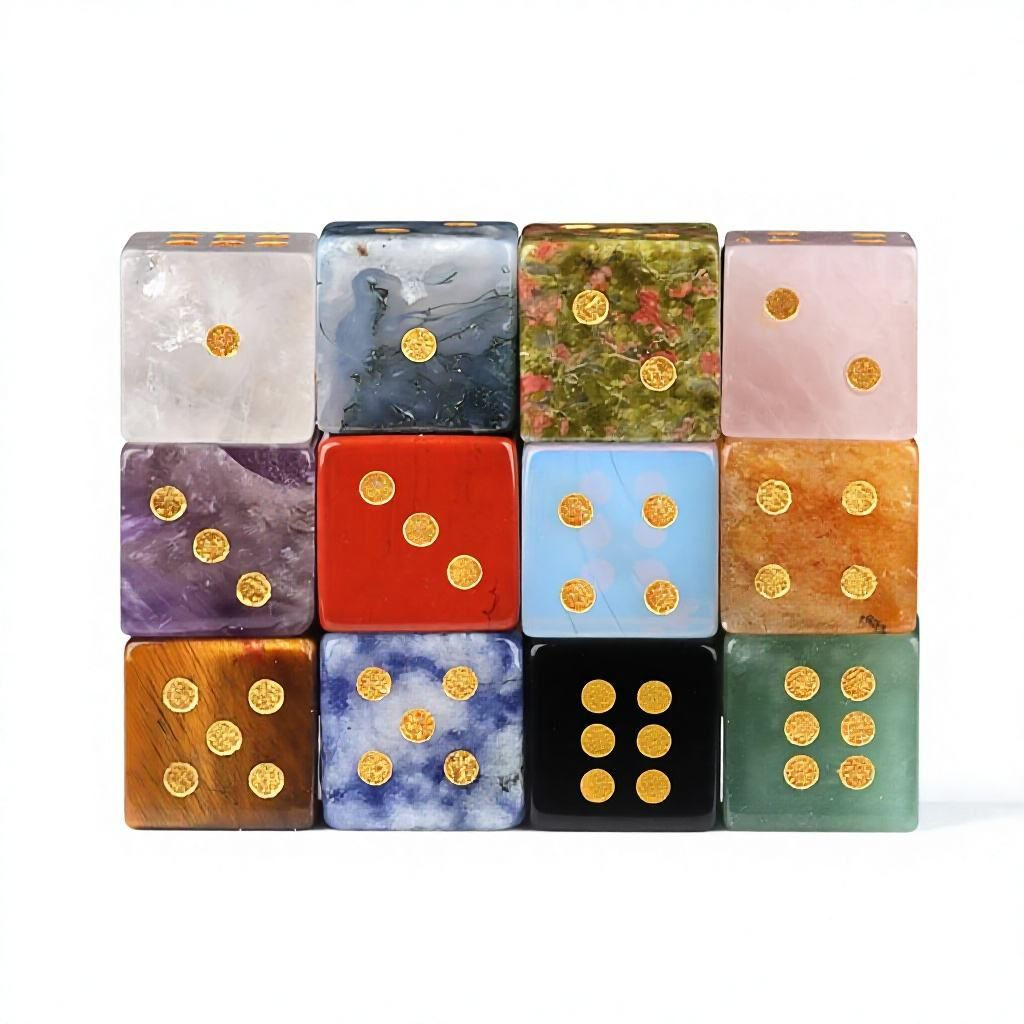
You'll need a 160-tile mahjong set with racks, a mat, and the current year's NMJL card. Most Illinois classes have communal sets available for beginners, but owning your own helps practice at home. A durable acrylic set like those in our best-selling collection won't degrade after months of weekly play. A mat protects tiles and muffles noise during games. Racks with pushers keep your hand organized and hidden—essential for accurate play. If you plan to host or travel to games, a padded bag or case protects your investment. Dice (usually two) are used to determine seating and starting dealer; most teachers provide these at first.
Item | Why it matters | When to buy |
160-tile acrylic set | Durable; lasts through weekly play | Before lesson 2 (or ask instructor first) |
Racks with pushers | Keeps hand hidden; organizes tiles | Before your first game |
Mat | Protects tiles; quiets play | Before lesson 1 |
Card (current year) | Reads valid hands; required for legal play | Bring to lesson 1 |
Bag or case | Protects set; enables hosting games | Optional unless you travel |
✨ Find your Mahstead set — free US shipping →
How do I find a mahjong group after lessons end?
After completing a beginner course, ask your teacher or classmates where the regular weekly games happen. Many Illinois communities run game nights at community centers, synagogues, or private homes on standing schedules (Tuesday evenings, Saturday afternoons). Join local Facebook or Meetup groups—most post the host, time, and cost before each week's game. Attend two or three different groups to find one that matches your pace and play level. Some groups welcome new players; others are closed to regulars. Post a message: "Looking for a weekly game in [town/neighborhood]"—Illinois mahjong players are usually quick to reply. Once you join, bring your own set: groups play with 8 jokers and 152 tiles per game, and hosting a game with a reliable acrylic set builds your reputation as a serious player.

What's the difference between American and other mahjong variants taught in Illinois?
American mahjong—the standard in Illinois—uses 152 playing tiles plus 8 jokers, has no sequences (only pungs, kongs, quints, sextets), and requires hands from the annual NMJL card. Jokers can fill any tile gap except in a pair or single. Chinese, Hong Kong, Riichi, and Taiwanese mahjong use different tile counts, sequence rules, and hand books; these are rarely taught formally in Illinois but may be played informally by older players or multigenerational families. American mahjong suits are Bams (circles), Craks (characters), and Dots (bamboo); winds and dragons follow fixed roles. If an instructor mentions a non-American variant, ask which card system they use—American and Chinese games look similar but follow completely different rules.
What mistakes do new Illinois players make, and how do I avoid them?
Beginners often misread the NMJL card, confusing the hand-pattern symbols with other layouts. Study the card structure before your first game: learn how to read it properly. Inexperienced players also forget that jokers cannot sit in a pair or single tile—a common scoring error. Don't call a hand unless you're certain it matches an NMJL entry exactly; misnamed hands lose games. During Charleston, some new players lose track of which tile to hold; count your exchanges carefully. Keep your hand organized with racks and pushers to avoid exposing tiles accidentally. Listen to the dealer and active players—they'll signal when to pass, discard, and call. Most Illinois players are forgiving with beginners; ask questions freely. Bring a notebook and jot down hand patterns after each game.
🎁 See our most-loved mahjong sets & accessories →
What to check before you buy your first set
Before purchasing, verify that your set is acrylic (not plastic), includes all 152 playing tiles plus 8 jokers, and comes with at least one rack per player (four total). Check that tiles are engraved or clearly marked, not just printed—printing fades with use. Confirm free US shipping if ordering online. If buying locally, inspect tiles for cracks or uneven thickness; place a few on a flat surface to ensure they don't rock. Ensure the set includes or matches the current-year NMJL card design if you want printable or laminated card reference. Buy from a maker that stands behind durability; acrylic tiles from a recognized source like Mahstead outperform cheap sets after three months of weekly play. Have your teacher or a regular player inspect your set before your first game to catch any defects early.

FAQ
How long does it take to learn mahjong well enough to play in a weekly game?
Most Illinois beginners master basics in 4–8 weeks of classes and can join a game after completing a course. Full comfort with card-reading and quick hand-spotting takes 2–3 months of regular play. Intermediate-level skill—understanding betting strategy and memorizing common hands—develops over 6–12 months.
Do I have to use the National Mah Jongg League card?
Yes, in American mahjong played in Illinois. The card is reissued every spring and is the only legal reference for valid hands in formal games. Every player buys or receives a copy; instructors provide the current card in their classes.
Can I play mahjong online to practice before finding an in-person group?
Yes, some digital platforms simulate American mahjong, though they can't fully teach Charleston etiquette or tile-handling rhythm. Online play is a useful supplementary tool, but in-person lessons with an instructor are essential to learn proper hand-naming, calling conventions, and game flow.
What's a fair cost for a beginner class in Illinois?
Class fees vary widely by location and instructor. Expect to find options ranging from low-cost community-center series to private lessons at higher rates. Ask your local library or community center for specific pricing; most will quote you per session or as a package cost.
If I buy a set, will it fit into someone else's rack or mat setup?
Standard American mahjong tiles are 1¼ inches by ¾ inch. Nearly all racks, mats, and cases sold for American mahjong accept tiles of this size. Confirm your set's tile dimensions when purchasing; acrylic sets from major sellers match the standard. Bring your set to your first lesson to verify it works with the group's equipment.
Can I start playing mahjong without taking a formal class?
Learning solo is difficult; American mahjong has many non-obvious rules (no callable sequences, joker placement, correct hand-naming from the card). An instructor shortens your learning curve from months to weeks and prevents bad habits that later players will correct. Most Illinois players recommend at least one lesson or mentoring session before joining a game.


View More
View More
View More
