
Is Mahjong Good for Men? Benefits, Social Skills & Getting Started
Last updated: Nov 23, 2026
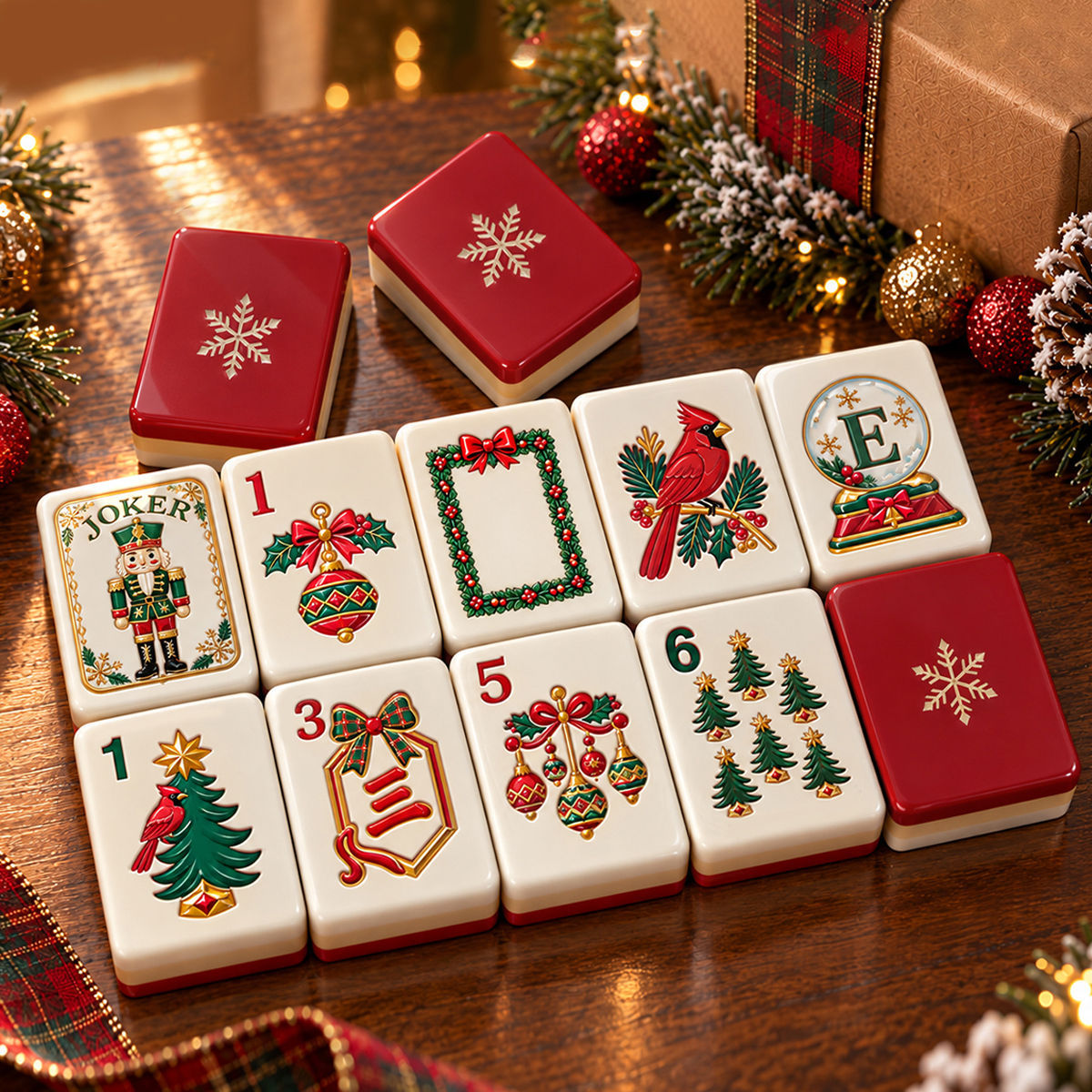
Yes, mahjong is genuinely good for men: it sharpens pattern recognition, strategic thinking and short-term memory while building lasting friendships around a shared skill. Unlike solitary screen games, mahjong creates accountability—you show up weekly because real people are waiting. The game rewards quick decision-making under pressure, teaches probability and risk management, and forces you to read opponents' intentions. Men report playing into their 80s; many cite mahjong as their anchor to a close friend group. Starting requires learning American mahjong rules, a 160-tile set, three willing players, and access to the current year's National Mah Jongg League card. No gambling required—the social and mental payoff stands alone.
🀄 Shop best-selling mahjong sets →
Why does mahjong sharpen focus in ways other games don't?
Mahjong forces simultaneous memory, math and social reasoning in real time. You're tracking thirteen tiles in your hand while watching opponents' discards, calculating which suits or patterns still exist, and deciding whether to block or build. Unlike chess (single-player thought) or poker (hidden information only), mahjong demands you update a mental model constantly—someone discards a 5 Dot, so fewer completions exist for them. Studies on cognitive aging show pattern games like mahjong correlate with delayed memory decline; the active strategic layer means no "autopilot" mode exists. Mahjong forces sustained attention because the game punishes distraction instantly—miss a discard and you lose a turn, or a winning hand passes. Men who play report sharper focus at work within weeks.

What friendship patterns do men actually build through mahjong?
Regular mahjong groups meet weekly or fortnightly for 3–4 hours, creating standing commitment comparable to a sports league. Unlike fantasy football (async and seasonal), mahjong requires your physical presence—you can't skip without leaving three players short. This consistency builds accountability. Men commonly report that mahjong groups become their primary adult social structure: you learn opponents' betting tells, joke patterns, and life stories across months and years. The game is collaborative-competitive (you're allies against the tiles, rivals at the table), so conversation flows naturally during play and shuffling. Divorce, job loss, health scares—mahjong groups become informal support networks. Many groups include men from different professions, ages (50–85) and backgrounds, creating friendships that wouldn't form otherwise. The stakes feel meaningful—not money, but reputation and group standing—so presence matters.
How does mahjong compare to chess, poker and other strategy games for cognitive benefit?
Game | Memory Load | Speed Pressure | Social Demand | Long-term Appeal |
Mahjong | High (13 tiles + discards) | Constant (60–90 sec/turn) | Essential (read 3 opponents) | 40+ years reported |
Chess | High (entire board) | Optional (bullet to classical) | Optional (1v1, often solo) | Plateaus after mastery |
Poker | Medium (hand + betting) | Moderate (betting rounds) | Moderate (bluff reading) | Burnout common; money-driven |
Bridge | Very high (26 cards + bidding) | Moderate (turn-based) | Very high (partnership required) | 50+ years common |
Video strategy games | Medium (game state only) | High (real-time) | Optional (solo or online) | Diminishes with skill |
Mahjong occupies a unique zone: it matches chess for cognitive load but chess plays 1v1 and favors the young. It matches poker for social tension but poker's money-driven culture repels many men over 50. Mahjong scales with age—your experience reading opponents compounds, making you better as you age, not worse. The speed pressure is consistent across all players (American mahjong has a strict turn timer), so youth offers no advantage. Male players consistently cite mahjong as their most socially engaging competitive activity.
🎁 See our most-loved mahjong sets & accessories →
What's the learning curve, and can a beginner join an established group?
American mahjong has a steeper learning curve than social card games but a lower ceiling than chess. Expect 3–4 weeks of weekly play to move from "I understand the hand-building logic" to "I can see winning patterns quickly." The first 2–3 sessions feel overwhelming: you're learning suit names (Bams, Craks, Dots), honor tiles (Winds, Dragons, Flowers), tile-passing protocol (the Charleston), and how to read the official hand card. Established groups expect new players and pace teaching accordingly—the first two sessions are "teaching games" where winners talk through their hands and no one tracks score. By week four, you should follow play and build simple hands. Mastery (reading discard patterns, computing probabilities, position strategy) takes 6–12 months. Many groups prefer recruiting beginners because veteran infighting is rare when someone new is learning—the table rallies around explaining. You'll spend the first month slower than others, but that's normal and welcomed. See how to play American mahjong for a full walkthrough.

Where do men find mahjong groups in their area, and what do they cost?
Community centers, synagogues, senior centers, libraries and country clubs host open mahjong nights or leagues—search "[your city] mahjong club" or check Meetup boards and community Facebook groups. Many areas have informal home games that recruit via word-of-mouth; ask at a library or senior center and staff will likely connect you. Mahjong clubs rarely charge per session; some collect monthly dues (typically under the cost of one dinner out) to cover administration or tournament entries. Home games are always free. No gambling is required—American mahjong is played for points and bragging rights. The main cost is equipment: each player typically buys or contributes to a shared best-selling mahjong set (one set covers four players), and many groups invest in a mahjong mat to protect the playing surface and keep tiles organized. A mat with racks and pushers streamlines setup and reduces fumbling, so your group gets more hands in per session. Ask group organizers what they use before buying—many share equipment.
Can men over 50, 60, or 70 really compete, or is mahjong too complicated at that age?
Mahjong is played most seriously by men in their 60s–80s; age is an asset, not a barrier. The National Mah Jongg League includes many competitors over 75. Cognitive complexity peaks in your 60s for pattern recognition and probability—the exact skills mahjong uses. Physical coordination is minimal: you're sitting, handling lightweight tiles, and speaking. Memory demand is high, but mahjong-specific memory improves dramatically with play; men report they forget less about the game state than they do about their phone passwords. Reflexes don't matter; strategy and experience do. The stereotype that mahjong is "for older women" is false in actual clubs—many all-male or mixed groups play seriously. The best competitive advantage comes from showing up consistently, not from youth. Many men report taking up mahjong at 55–65 after retirement and finding it their most engaging hobby. If you can play chess or bridge, you can play mahjong.
✨ Find your Mahstead set — free US shipping →
What to check before you buy your first set
Set quality and durability. A 160-tile acrylic set lasts decades if the tiles are indexed (suit/number visible on the edge) and the racks are smooth. Mahstead sets arrive with pushers and racks included; check that corners aren't sharp and tiles slide cleanly. One set is shared among four players; don't buy individual sets unless you're hosting.
Mat and organization. A mahjong mat prevents tiles from scattering and marks each player's area clearly. If you're hosting games, it's a worthwhile investment. Racks with pushers organize your hand so you see patterns faster and opponents can't spy your tiles. New players benefit from both.
Storage and portability. If you're bringing your set to someone else's house or a venue, a padded mahjong bag keeps tiles and racks safe. Loose tiles in a shoebox invite loss and wear.
Personalization. Many men enjoy engraved sets with player names, a group name, or a memorable phrase. This has no effect on gameplay but signals that your group takes the game seriously and creates a keepsake. Gifts of engraved sets are common milestones when someone joins a long-running group.

FAQ
Do you have to gamble to play mahjong?
No. American mahjong is played for points and bragging rights. Some home games include friendly wagers, but most clubs and venues prohibit money entirely. The competitive and social reward is sufficient for nearly all players.
How much time does a typical game session take?
A single hand (game round) lasts 10–15 minutes. Most groups play 8–12 hands per session, so a typical night is 2–3 hours. Includes shuffling, tile-passing (the Charleston), and discussion time.
Can you play mahjong with fewer than four players?
American mahjong is designed for four players. Three-player and two-player variants exist, but they require rule modifications and are less common. Most beginner groups play the standard four-player game.
Do you need the official National Mah Jongg League card every year?
Yes. The League issues a new card every spring with different legal hands. Playing with an old card is considered cheating. Many groups buy a card or share one (laminated, placed at center table). See how to read the mahjong card for details.
What's the best way to learn: tutorials, books, or joining a group?
Joining a group is fastest. One teaching game with an experienced player teaches more than hours of video. Groups expect beginners. Books and tutorials are useful before your first session, so you understand terms and why the Charleston happens; mahjong for beginners walks through setup and first moves.
If I buy a mahjong set as a gift for someone, what else do they need?
A set, the current-year League card (inexpensive, often shared), and three other players. Optional but valuable: a mat, racks with pushers, and a bag. Most recipients will join an existing group rather than start alone, so they'll share the card and mat cost.


View More
View More
View More
