
Where to Play Mahjong in Honolulu: Local Games & Getting Started
Last updated: Nov 23, 2026
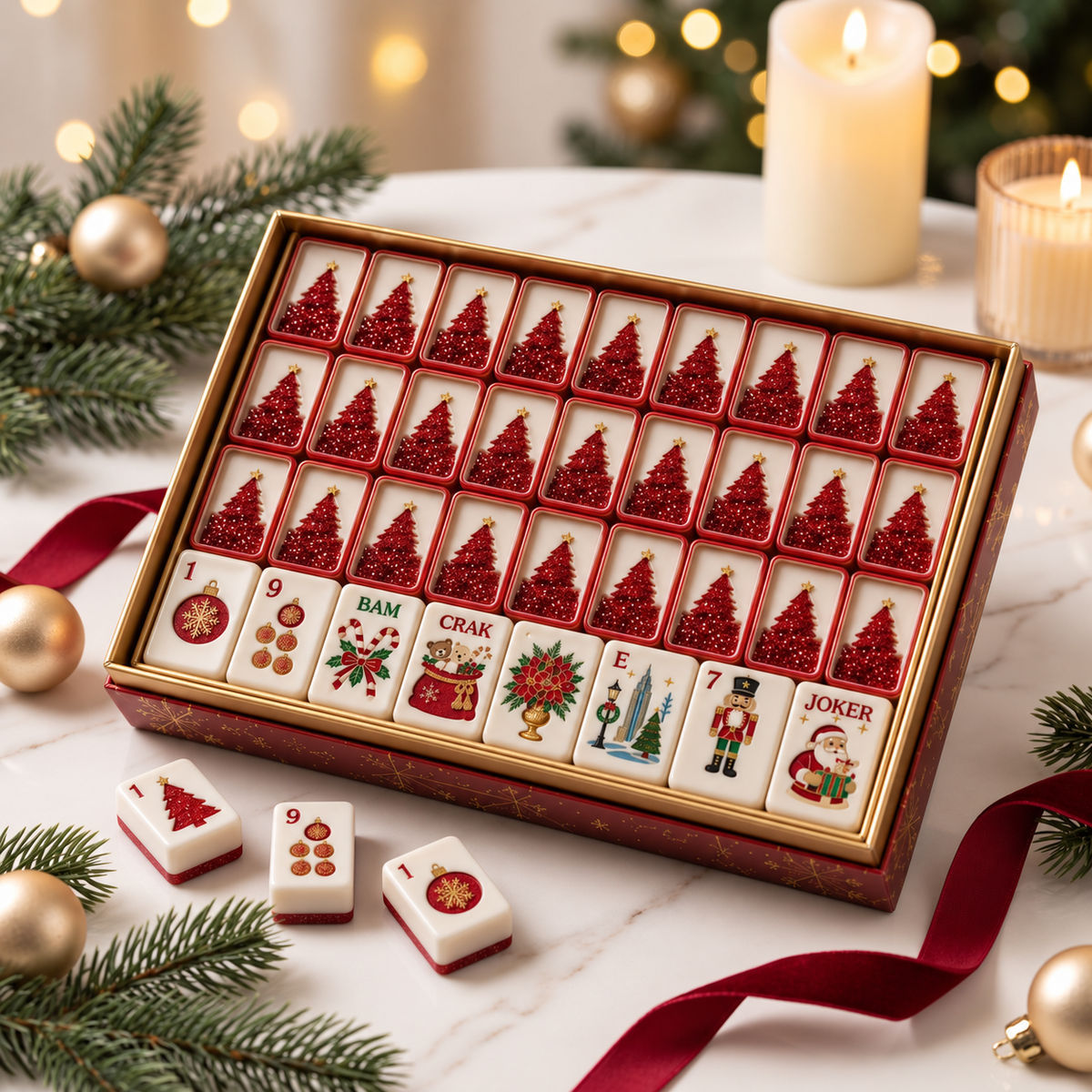
Honolulu's mahjong players gather at community centers (check the City & County Parks and Recreation website for seasonal programs), public libraries offering open gaming hours, and private clubs at country clubs and senior centers—especially in neighborhoods with larger Asian-American communities like Kaimuki and Manoa. Most weekly games run Tuesday through Thursday evenings and Saturday mornings; joining typically costs nothing or a small drop-in fee. Beginners should start by learning American mahjong rules and owning a 160-tile set before showing up. To find specific groups, ask at local libraries, check community bulletin boards, join Honolulu Meetup groups focused on board games or Asian culture, and attend cultural events at the Japanese Cultural Center of Hawaii and similar venues. Many established players also host home games weekly—ask at churches, synagogues, or neighborhood associations. Starting your own weekly game requires one quality set, a comfortable mat, and four committed players.
Honolulu's mahjong scene is quiet but steady. Unlike coastal California or Texas cities with visible tournament circuits, Hawaii's games happen in living rooms, senior centers, and library back rooms. If you're new to the islands and looking to join, or you're already here and want to start hosting, here's what actually works.
Where do Honolulu players actually gather?
Community recreation centers run by the City & County Parks and Recreation Department host drop-in mahjong nights, especially in winter months when tourism and seasonal residents swell the player pool. Call ahead to confirm the current schedule and location—programs shift yearly. Public libraries, particularly the main branch and larger neighborhood branches, often host informal open gaming in multipurpose rooms on weekend afternoons; librarians can tell you which days are reserved for games. Senior centers across Honolulu (Ala Moana, Kailua, and Windward areas) run standing Thursday or Friday games, though many require membership or a modest monthly pass. Private clubs—particularly country clubs in Manoa and Kahala, and Japanese cultural organizations—host members-only or inquiry-welcome games; membership fees vary widely. Ask at churches (especially Methodist and Presbyterian congregations with large Asian-American attendance) and synagogues; many host game nights that include mahjong alongside other board games.

How do I find a game as a beginner?
Start by visiting or calling your nearest library and community center directly; staff maintain current lists of game groups. Check Meetup.com for Honolulu board-gaming or Asian-culture groups—filter for mahjong or general gaming keywords. Attend events at the Japanese Cultural Center of Hawaii and the Honolulu Chinese Cultural Center; vendors and organizers often know private game organizers and can make introductions. Join neighborhood community association meetings (HOA bulletin boards, Nextdoor app, local Facebook groups) and ask openly—mahjong players are almost always willing to invite a learner if you show genuine interest. Visit established dim sum restaurants on weekend mornings in Chinatown; older regulars often know where games happen. Attend cultural festivals and senior expos in spring and fall; game organizers table there. Be honest about your skill level: experienced players prefer teaching a beginner who admits it over hosting someone who overestimates ability and slows the game.
🀄 Shop best-selling mahjong sets →
What should I learn before my first game?
Before showing up, spend 2–3 hours learning the fundamentals of American mahjong so you're not learning rules mid-game and frustrating four other players. Read our step-by-step how to play guide and understand the basic concept: you're drawing and discarding tiles to complete one of the patterns printed on that year's National Mah Jongg League card. Learn what a pung (three identical tiles) and a kong (four identical tiles) are, how the Charleston (pre-game tile pass) works, and that jokers can replace any tile except a pair or a single. Watch a 10-minute YouTube demo of a real four-player game; seeing the rhythm matters more than reading. Know that American mahjong uses 152 playing tiles (three Bam/Crak/Dot suits numbered 1–9 with four copies each, plus winds, dragons, flowers, and jokers). Understand that unlike some Asian variants, American mahjong has no sequences (chows)—only groups of three or more identical tiles or flowers/jokers filling blanks. Don't worry about scoring until your third or fourth game; focus on calling hands correctly and not stalling play.

Should I host a weekly game, and what's needed?
If you have four committed friends or neighbors, hosting weekly mahjong is easier than maintaining any other standing group activity. Games run exactly 2–3 hours (one hour of play per person as dealer, roughly), need zero food prep (players bring snacks), and require zero referee—each player self-scores. You need one 160-tile set (the standard for American play: 152 playing tiles plus eight spare jokers), a comfortable mat that protects your table surface and makes tile handling easier, four racks with pushers to keep hands organized and prevent cheating by peeking, and a stable table large enough for four sets of racks. Scheduling is the hardest part: find four people who can commit to the same day and time every week, or every other week, for at least two months. Most successful Honolulu home groups play Thursday or Saturday evening, 7–10 p.m. Start each session with the Charleston—a quick pre-game tile pass that randomizes the draw and prevents stale play patterns. Invest in a quality set and mat upfront; cheap sets have uneven tiles that jam in racks and frustrate players.
Item | Why It Matters | Where to Start |
160-tile acrylic set | Uniform tiles, long-lasting, easier to read than bone/bamboo | |
Padded mat | Protects table, contains tile noise, speeds play | Mahjong mats in various sizes & styles |
Four racks with pushers | Keeps hands hidden, prevents disputes, organizes play | Racks with pushers for 1–4 players |
National Mah Jongg League card (current year) | Only official hand reference in American mahjong | Get a free card at your first game or order online |
What are common mistakes Honolulu newcomers make?
Assuming American mahjong is like Solitaire or Mahjong Solitaire (the phone game)—they're completely different. American mahjong is social, four-player, fast, and rule-bound by the yearly League card; the tile-matching game you may know is a one-player puzzle with no dealer, no scoring, and no skill advantage. Showing up to a game without owning a set and expecting to borrow one—experienced players won't risk loaning a set they've personalized or relied on for years. Bringing a set with mismatched tiles or cheap plastic that sticks in racks; slow, frustrating play kills a group faster than a lost hand. Forgetting the Charleston or trying to skip it; it's not optional and it's quick. Overestimating your skill—say "I'm a complete beginner" or "I've only played twice," not "I play a little"; honesty lets the group set realistic pace and encouragement. Playing while tired, distracted, or unwilling to learn the current year's card patterns; mahjong demands focus and it's not polite to slow four other people down. Assuming a game runs on a fixed time—ask "how long does a typical session last?" Many Honolulu games go until someone wins four hands, not until 10 p.m.; time varies.
🎁 See our most-loved mahjong sets & accessories →
What to check before you buy a set to host with
Does the set contain exactly 152 playing tiles plus eight spare jokers? A 160-tile set does; always confirm this in the product description. Are tiles uniform acrylic or resin, not laminated paper? Laminated tiles peel and warp after a few dozen games in Hawaii's humidity. Do tiles fit snugly in standard racks without jamming? Test a single rack in-store or with the retailer's exchange guarantee; a rack that binds turns a fun night into frustration. Is there a readable tile face? Some sets use tiny fonts or faint inlay; you'll be reading them for three hours at arm's length. Does the mat fit your table and roll up for storage? Honolulu apartments and townhouses are often tight on space; a mat that's too large or too stiff becomes a storage nightmare. Is the mat's backing non-slip on wood and other surfaces? Cheap mats slide and bunch during play, ruining tiles' position mid-hand.

FAQ
Do I need to be of any age or ethnicity to join a Honolulu mahjong game?
No. American mahjong in Honolulu is entirely open. Games at community centers and libraries welcome all ages and backgrounds. Private social groups vary, but the vast majority are inclusive and eager for new players of any profile.
Is there a cost to play in Honolulu?
Most community and library games are free or ask a $1–3 drop-in fee to cover facility costs. Some country clubs and private senior centers charge annual membership ($50–200 per year). Home games are free; some groups keep a small pot (25¢–50¢ per hand) for a pizza fund or charity.
Can I learn mahjong online and then show up ready?
Partially. Videos and blogs teach rules and tile names, but you need hands-on play (even one practice game) to understand tile flow and pace. Join a beginner-friendly group first rather than a private home game.
What if I don't own a set yet but want to try a game first?
Ask the host or group organizer if they have a spare set. Many do. Be upfront: "I'm brand new and don't own a set yet—may I borrow one?" Experienced players usually accommodate first-timers.
Do I need to buy the National Mah Jongg League card, or is it free?
The card is often provided at the table for free during play. If you're hosting, you can purchase a printed copy or download a digital version through the League's website; cost is minimal, usually $5–10 per year.
Are there mahjong tournaments in Hawaii?
Not regular organized tournaments like in California or Texas. However, some larger senior centers and cultural centers run friendly tournament-style play (often called "ladder" or "four-round" formats) a few times per year; ask your local group to watch for announcements.


View More
View More
View More
