
Mahjong Retreats in Ohio: Finding Games & Building Community
Last updated: Nov 23, 2026
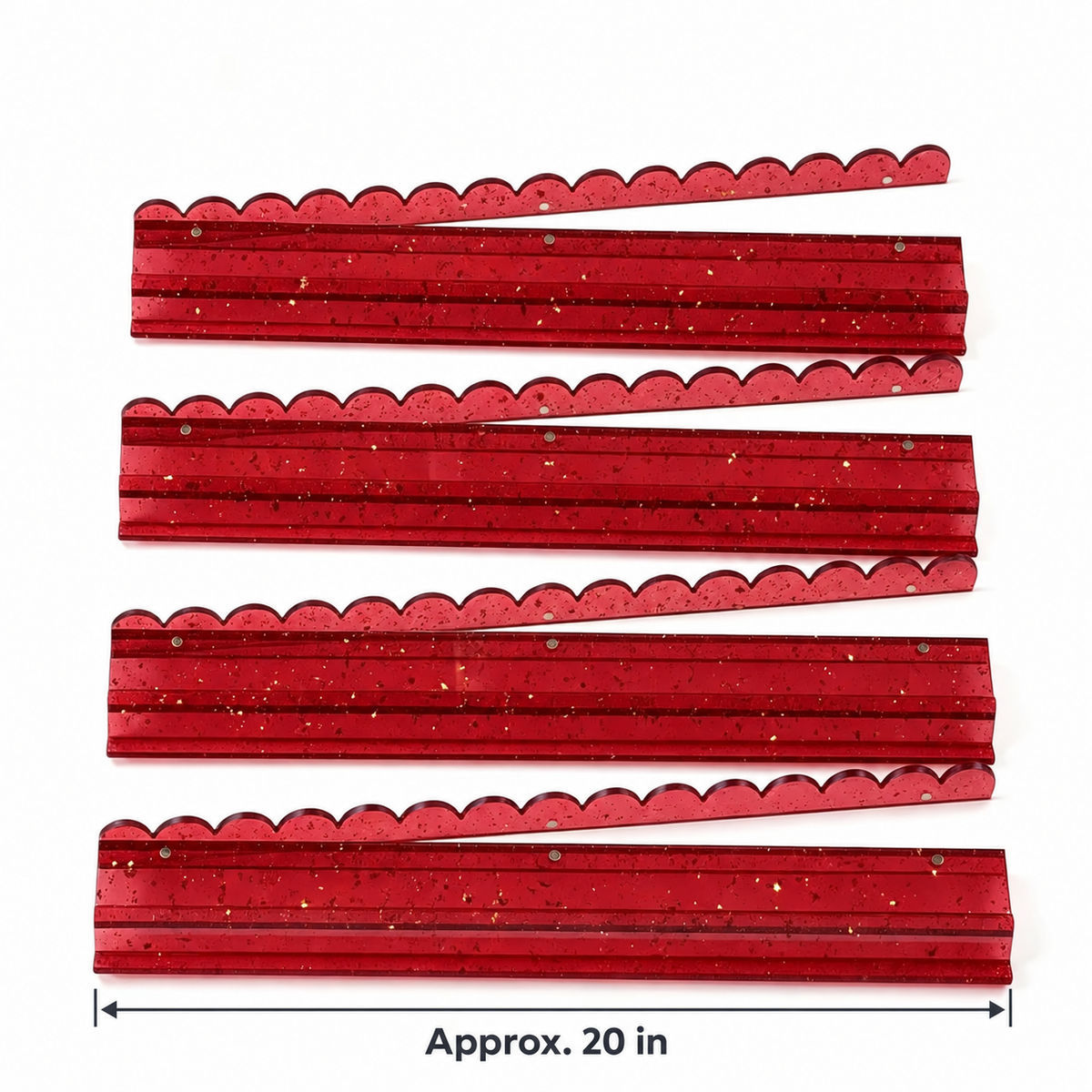
Mahjong retreats in Ohio happen year-round in community centers, libraries, synagogues, and private homes—often Friday through Sunday with rotating host locations. Most welcome beginners and charge a modest table fee (ask the host directly). Retreats typically run 8–10 hours daily with breaks for meals; some include overnight lodging nearby. You'll need a 160-tile American mahjong set, a mat, personal racks with pushers, and snacks to share. Search Meetup boards for "mahjong Ohio," contact local libraries or synagogue offices, or ask at country clubs; many have bulletin boards with retreat announcements. Bring the current year's National Mah Jongg League card and be ready to participate in the Charleston (the tile-passing ritual). The best way in: attend a weekly game first, build relationships, and ask regulars how to join retreats—word-of-mouth is how most Ohio groups invite players.
Where do Ohio mahjong players host retreats?
Ohio's mahjong community gathers primarily in central and northern regions—Columbus, Cleveland, Cincinnati, and surrounding suburbs. Community centers often host weekend tournaments or casual game days; check your local center's calendar or call the activities director. Synagogues frequently sponsor or support retreats, especially in urban areas; call ahead to ask about mahjong events or groups that use their meeting rooms. Country clubs and private homes are another hub—established players often rotate hosting duties across their circle. To find one: search Meetup.com for "mahjong Ohio" or "mahjong [your city]," browse Facebook groups dedicated to local game players, or ask at your library's reference desk—many staff can point you to community calendars. Libraries themselves sometimes host game days; call or check their website. Start by attending a weekly game at any public location; regulars will know the retreat schedule and may invite you directly.
🀄 Shop best-selling mahjong sets →

What should you expect at a typical Ohio retreat?
A weekend retreat usually runs Friday evening through Sunday afternoon, with three or four 3–4 hour game sessions daily, breaks for lunch and dinner, and a closing ceremony or awards. Most operate on a round-robin format (you play with different people each session) so you meet many opponents. Skill levels range from beginner-friendly to advanced; ask the host beforehand which level your session is pitched to. Costs vary: some retreats charge per session or per day; others ask for a flat weekend fee. Always confirm the cost, start time, and what's provided (meals, snacks, scorecards, tiles) before you commit. Dress comfortably—you'll sit for hours. Bring the current year's National Mah Jongg League card, notebook, pen, and cash for optional potluck contributions. Retreats are social first, competitive second; expect conversation between hands, laughter when someone draws too many flowers, and genuine friendliness even among rivals. Unlike tournament play, retreats often allow casual banter and relaxed scoring.
How do you prepare your gear for a multi-day retreat?
You'll need reliable equipment that lasts through dozens of hands without wear or tile slip. Start with a 160-tile American mahjong set—the standard for American play—because tiles must be identical across all four players' tables, and a mismatched set can cause disputes. Your tiles should have clear, readable faces; worn or faded numbers create errors during fast play. Bring a quality mahjong mat that's large enough for all four players and protective underside so tiles don't slip. A set of racks with pushers makes tile handling smoother and faster—especially over three days when hand fatigue is real—and they protect your tiles from spilling. Pack a durable bag or case to transport everything safely; avoid overstuffing, which can crack tiles. Test your setup at home before the retreat: shuffle tiles, stack them, use the racks, and check for noise or slippage. Bring a small cloth to wipe tiles between sessions—dust buildup can affect grip. If you're traveling more than two hours, consider bringing a backup set of dice so you're never without them if the house set goes missing.

What's the difference between a casual retreat and a competitive tournament?
Aspect | Casual Retreat | Competitive Tournament |
Scoring | Honor system, relaxed scoring; players may reference the card together | Official scorecards, strict adherence to NMJL rules; disputes settled by hosts |
Hand complexity | All hands on the card, beginner-friendly sections encouraged | All hands on the card, no hand-holding; advanced and limit hands common |
Table talk | Encouraged; banter and tips between hands normal | Minimal; silent play or brief courtesy remarks only |
Pace | Slower; time between rounds for snacks and socializing | Fast; minimal breaks; hands timed to a schedule |
Participation cost | Per-session or weekend fee; often includes food | Tournament entry fee; meals separate or à la carte |
Outcome focus | Enjoyment and connection; no prizes or rankings displayed | Prizes or points; final rankings posted; winners announced |
Who attends | Mix of all skill levels; newcomers welcomed | Mostly experienced players; gatekeeping is rare but tone is serious |
Both exist in Ohio—many retreats blur the line, running competitive scoring but a social atmosphere. Ask the host which style the retreat follows. Beginners often prefer casual retreats; intermediate players may enjoy either; advanced players gravitate toward tournaments but sometimes host retreats for variety.
How do you find and join an Ohio retreat as a newcomer?
Start by finding a weekly game first; it's the gateway to retreat invitations. Search Meetup, call community centers, or ask at synagogues in your area—someone will point you to a regular game. Attend three or four times, introduce yourself, and say you're interested in retreats. Regulars will either invite you directly or tell you the retreat schedule and host's contact info. If you can't find a weekly game, post on a local Facebook group for game players asking, "Where do Ohio mahjong players gather?" and include your city—someone always responds. If no groups exist online, call your nearest community center or library and ask the staff to give the mahjong coordinator your phone number so they can reach out. Alternatively, contact your local synagogue's program director; many have email lists of players. Don't feel shy—mahjong communities are tight-knit but openly welcoming to serious newcomers. Learn how to play American mahjong and how to read the mahjong card before you attend; hosts appreciate players who show up prepared. Most won't quiz you, but self-study signals respect for the game.
🎁 See our most-loved mahjong sets & accessories →
What should you check before you commit to a retreat?
Ask the host these questions when you confirm:
Skill level: Is this beginner-friendly, mixed, or advanced only?
Schedule: Exact start and end times, breaks for meals, overnight lodging (yours or theirs)?
Cost: Per session, per day, or flat weekend fee? What's included (meals, snacks, scorecards)?
Tiles and mats: Should you bring your own set, or does the host provide? (Clarify if your set is welcome or if you must use the house set.)
Card version: Which year's National Mah Jongg League card will be used? (Always the current year in American play.)
Cancellation policy: What if you need to back out?
Contact: Get the host's phone number in case you're running late.
Honest answer: some Ohio retreats run informally with no written rules—expect a phone call, a casual vibe, and decisions made on the fly. This is the charm of grassroots games. If you prefer structure, ask about tournament-style retreats; they post agendas and rules upfront. Both are legitimate; pick the fit for your personality.
✨ Find your Mahstead set — free US shipping →

FAQ
Do Ohio mahjong retreats accept absolute beginners?
Most casual retreats do, especially if you've attended a few weekly games and learned the basics. Competitive tournaments usually require intermediate skill, but hosts will tell you upfront. Always ask before registering.
What's the cheapest way to get gear for a retreat?
A standard 160-tile American set covers all four players; if you're traveling as a group, one person can carry the set and mat for everyone, splitting the cost. You only need personal racks and pushers if you prefer them—not mandatory.
Can I bring my own mahjong set if it's not American-standard?
No. American mahjong requires the exact 152-tile setup plus 8 jokers; Chinese, Hong Kong, and Riichi sets won't work. Ask the host if you're unsure whether your set is American-standard.
How often do Ohio retreats happen?
Weekly games run year-round. Multi-day retreats are less frequent—typically quarterly or twice yearly—but some groups host monthly weekend games. Check with your local coordinator for the calendar.
Should I bring food or just show up?
Ask the host. Many retreats have a potluck sign-up or ask players to contribute snacks. Some provide meals as part of the fee. Never assume; confirm so you don't duplicate or miss out.
What's the National Mah Jongg League card and why do I need it?
It's the official reference for all legal American mahjong hands, updated each spring. Every retreat uses the current year's card. You must have your own copy to reference during play—the host won't share theirs mid-hand.


View More
View More
View More
