
Cocktail Mahjong Party: Games, Drinks & Setup Tips
Last updated: Nov 23, 2026
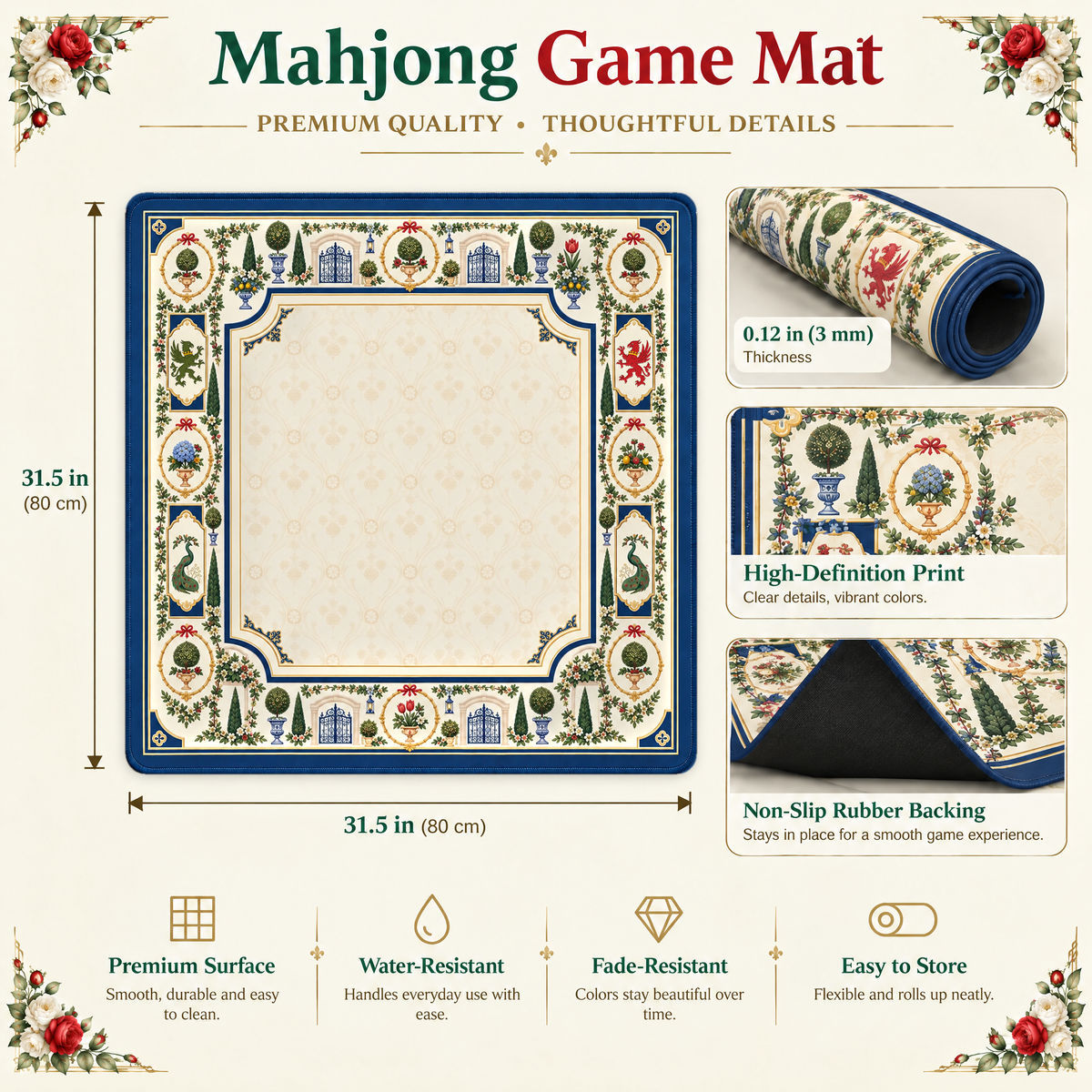
A cocktail mahjong party is an informal American mahjong session paired with food, drinks, and a relaxed social atmosphere—not a tournament. Four players use a standard 152-tile set plus 8 jokers, with games lasting 30–45 minutes per hand. Unlike dedicated mahjong nights, cocktail parties prioritize conversation and refreshment breaks over strict speed; most last 2–4 hours with 2–6 hands played. No entry fee, no scoring kept beyond the table, and beginners are welcome. You'll need a mahjong set, mats to protect your surface, and stable racks so players don't knock tiles into drinks. From our best-selling mahjong sets, acrylic tiles are ideal—they're durable, easy to clean, and won't absorb spills.
What's the difference between a cocktail mahjong party and a regular game?
A cocktail party game prioritizes fun and conversation over precision scoring. Players may pause mid-hand to refill glasses, chat, or welcome latecomers; hands finish when someone wins or no one can play (no dead-hand penalties). Regular mahjong nights enforce strict turn order, track cumulative scores across multiple hands, and follow exact National Mah Jongg League rules. Cocktail parties are beginner-friendly; regular nights assume players know the card and can read tiles quickly. Drinks stay off the playing surface in both, but a cocktail party feels less formal—players laugh at misreads and don't mind slower play.

How do you balance drinking and tile play safely?
Establish one clear rule: drinks sit in cup holders or coasters away from the table itself, never beside tile racks. Water should be on the table at all times. Alternate alcoholic drinks with water or nonalcoholic options—a common rhythm is one cocktail per game, one water break between hands. Set a host reminder to check everyone's comfort midway; if a player slurs instructions, suggest they step outside for air. Never require alcohol; offer wine, beer, coffee, and sparkling water at equal prominence. Limit the party to 2–3 hours for new players; experienced groups can stretch to 4 if snacks and water are abundant. The goal is everyone leaves happy and remembers the game.
What snacks and drinks pair well with mahjong?
Choose foods that don't leave hands greasy or sticky. Ideal snacks: nuts, olives, cheese cubes, crudités with dip, crackers, chocolate-covered pretzels, dried fruit, and popcorn. Avoid guacamole, peanut butter, caramel, chocolate smears, and saucy dips—they transfer to tiles and rack pushers. Drinks: wine (red or white in a glass, not a pitcher—easier to refill and sip), beer, craft cocktails in small glasses (keep the rim away from tile hands), sparkling water, iced tea, and coffee. Offer a "signature cocktail"—one batched drink for the night (a Pisco Sour, Margarita, or Old Fashioned) so you're not making individual drinks mid-game. Have it pre-chilled and ready to pour. A charcuterie board kept on a separate side table lets players graze without handling tiles immediately after eating.
Snack Type | Why It Works | What to Avoid |
Nuts, olives, cheese | Dry, won't soil tiles | Wet dips, melting cheese |
Crackers, pretzels | Grab-and-eat, crumb-free | Powdery coating (washes hands first) |
Crudités (carrots, celery) | Hydrating, low-mess | Soggy ranch dip |
Chocolate, dried fruit | Portable, long shelf life | Melting dark chocolate, sticky dates |
Olives with pit | Elegant, makes people slow down | Pitted olives roll under table |
🀄 Shop best-selling mahjong sets →
What equipment makes a cocktail party easier to host?
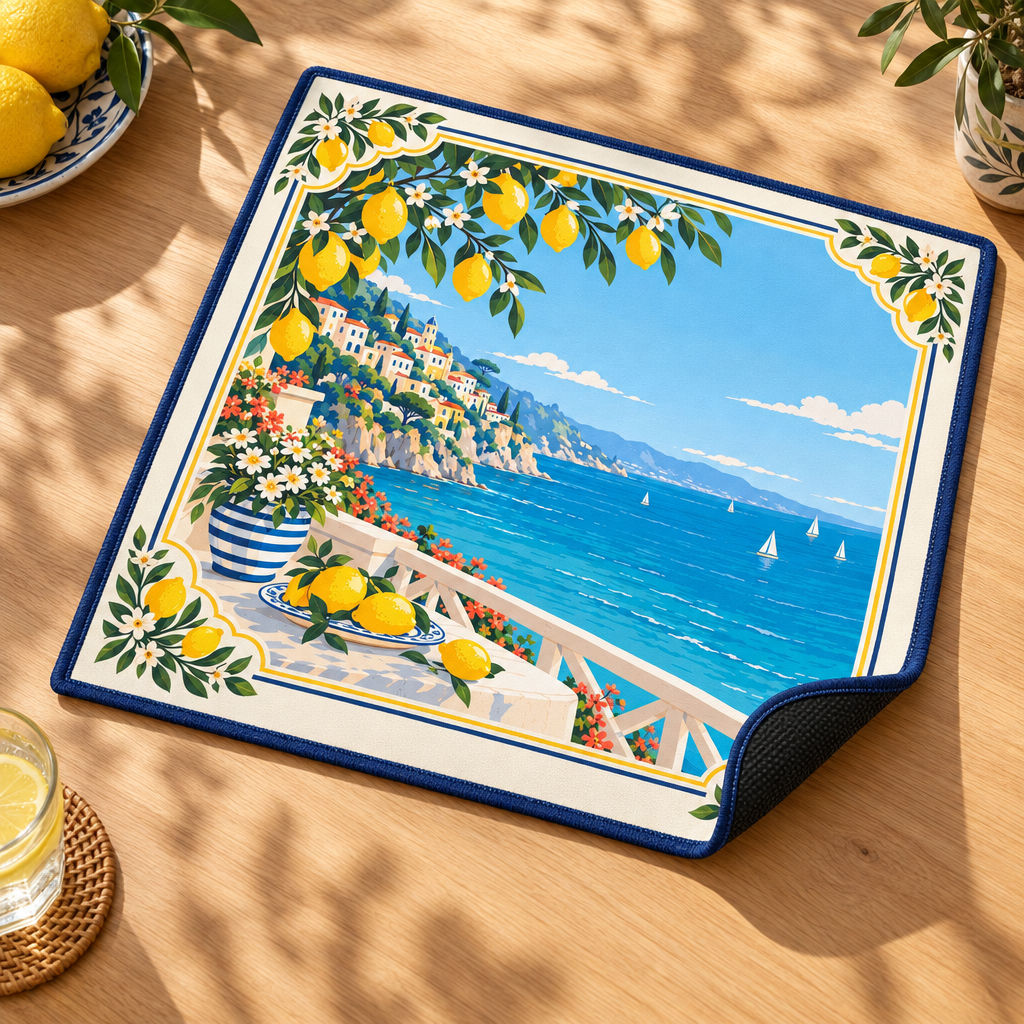
A stable mat protects your table and mutes tile noise—guests can focus on conversation instead of clacking. Mahjong mats come in felt, vinyl, or silicone; vinyl and silicone are easiest to wipe clean if a drink splashes. Racks with pushers keep tiles organized and reduce tile-dropping mishaps—players rest drinks on a nearby table, not on the rack itself. An acrylic set (from our best-selling collection) is lighter and more durable than bone-and-bamboo; it won't absorb spilled wine or bear permanent marks. A fabric or padded travel bag or case lets you store everything together and transport it to someone else's home if you rotate hosting. If you have 5–8 people, bring two sets so subgroups can play simultaneously or swap in a fresh set during breaks. Label your set with an engraved name or initials—guests often have sets too, and chaos erupts fast if someone grabs the wrong tiles mid-shuffle.

How do you teach beginners at a party without slowing the game?
Do a 10-minute pre-game walkthrough before drinks arrive. Show the tiles (suit names, dragons, winds, flowers), explain the tile draw (one tile per turn, discard one), and run through one fake hand so everyone sees the rhythm. Distribute a printed one-page guide with your mahjong rules if you play a house variant. During play, appoint one experienced player (you or a friend) as "question caller"—anyone confused raises a hand, that person answers quickly, and play resumes. Don't pause the whole table for one person's confusion. If someone needs to sit out a hand to learn, offer to coach them hands-on for the next round. Most new players grasp the game after 2–3 hands; don't oversplain on turn one. Keep the National Mah Jongg League card on the table but acknowledge beginners may not read it fluently—that's okay for a party. The card is there if someone wants to verify a winning hand, not to police every move.
What's the ideal party size and guest mix?
Four players seated around one table is ideal for one game. If you have 6–8 people, run two tables (two sets, one mat per table), rotate players after every 2 hands, or have some guests spectate and sip between games. Never squeeze more than 4 to one table—tiles get knocked, racks jam, and turns slow to a crawl. A mixed-skill group (beginners + intermediate players) works best; avoid pairing all beginners on one table because no one can coach. If you invite 6 people who've never played, run them through the basics in one teaching hand first, then split into two games so returning players can advance the hand count. Cocktail parties don't require perfect score-tracking—if someone doesn't finish a hand, they sit out the next. Latecomers can join after hand 2 or 3, once the pace is set. A 3-hour party typically fits 3–5 hands comfortably with setup, breaks, and snack time.
🎁 See our most-loved mahjong sets & accessories →
What to check before you buy:
Set size & tile weight: Acrylic tiles are lighter than bone; check that your table won't sag and your guests can lift racks comfortably after drinks.
Mat dimensions: Measure your table; mats are not one-size-fits-all. A mat that's too small leaves tile stacks hanging over the edge.
Rack stability: If your racks wobble when nudged, drinks placed nearby will spill. Test racks before the party.
Joker count: American sets have 8 jokers built in; spares (extra jokers or blanks) are stored separately and never added to play.
Tile clarity: Acrylic tiles should have crisp, readable symbols and colors. Rough or faded tiles frustrate new players.
Storage: A bag or case keeps everything organized and makes moving between homes stress-free.
✨ Find your Mahstead set — free US shipping →
FAQ
Can you play mahjong while drinking alcohol?
Yes, if drinks stay off the table and players pace themselves. One cocktail per 30–45 minute hand, with water breaks between, keeps the game social and safe. Stop hosting if anyone becomes unsteady or forgets the rules.
What's the minimum number of people for a cocktail mahjong party?
Four—one full table. Fewer than four cannot play American mahjong because the game requires four players and rotating winds. If you have only 2–3 people interested, learn two- or three-player variants instead.
Do beginners need to study the mahjong card before a party?
No. A 10-minute in-person walkthrough is more effective than reading alone. Show them tiles, explain the draw-and-discard rhythm, and play one fake hand. The card is a reference during play, not required reading upfront.
How do you clean tiles if someone spills a drink on them?
Acrylic tiles wipe clean with a damp cloth and dry immediately. Bone tiles can absorb liquid; dry them right away to prevent warping. Store tiles in a ventilated bag after, never sealed.
What if a guest wants to bring their own mahjong set?
Ask them in advance so you're not stuck with two partially mismatched sets mid-party. If both sets are American 152-tile standard, you can play from either—but stick with one set per table to avoid confusion.
How long should a cocktail mahjong party last?
2–4 hours is ideal. This fits 3–5 hands comfortably, with setup, breaks, and socializing included. Longer parties risk fatigue and sloppy play; shorter ones feel rushed if you have 6+ guests.


View More
View More
View More
